



The Home Buying Process from Start to Finish
The home buying process can seem complicated at first, but understanding each step before you begin will help you make informed decisions, avoid costly mistakes, and enjoy the experience with greater confidence. Whether you’re purchasing your first home, moving to a larger property, downsizing, or returning to the market after many years, this guide will walk you through every stage of buying a home, from preparing your finances to moving in and everything in between. Consider exploring mortgage options and eligibility early to ensure you’re prepared for financing.
Rather than offering a simple checklist, this guide explains why each step matters, what you can expect along the way, and where to find more detailed information when you’re ready. Throughout the guide, you’ll find links to trusted Canadian resources, including information from CMHC, CREA, RECO, and major Canadian financial institutions, along with in-depth articles focused on buying a home in Kingston and area. These resources are here to support you at every stage, making the process feel more manageable and less overwhelming.
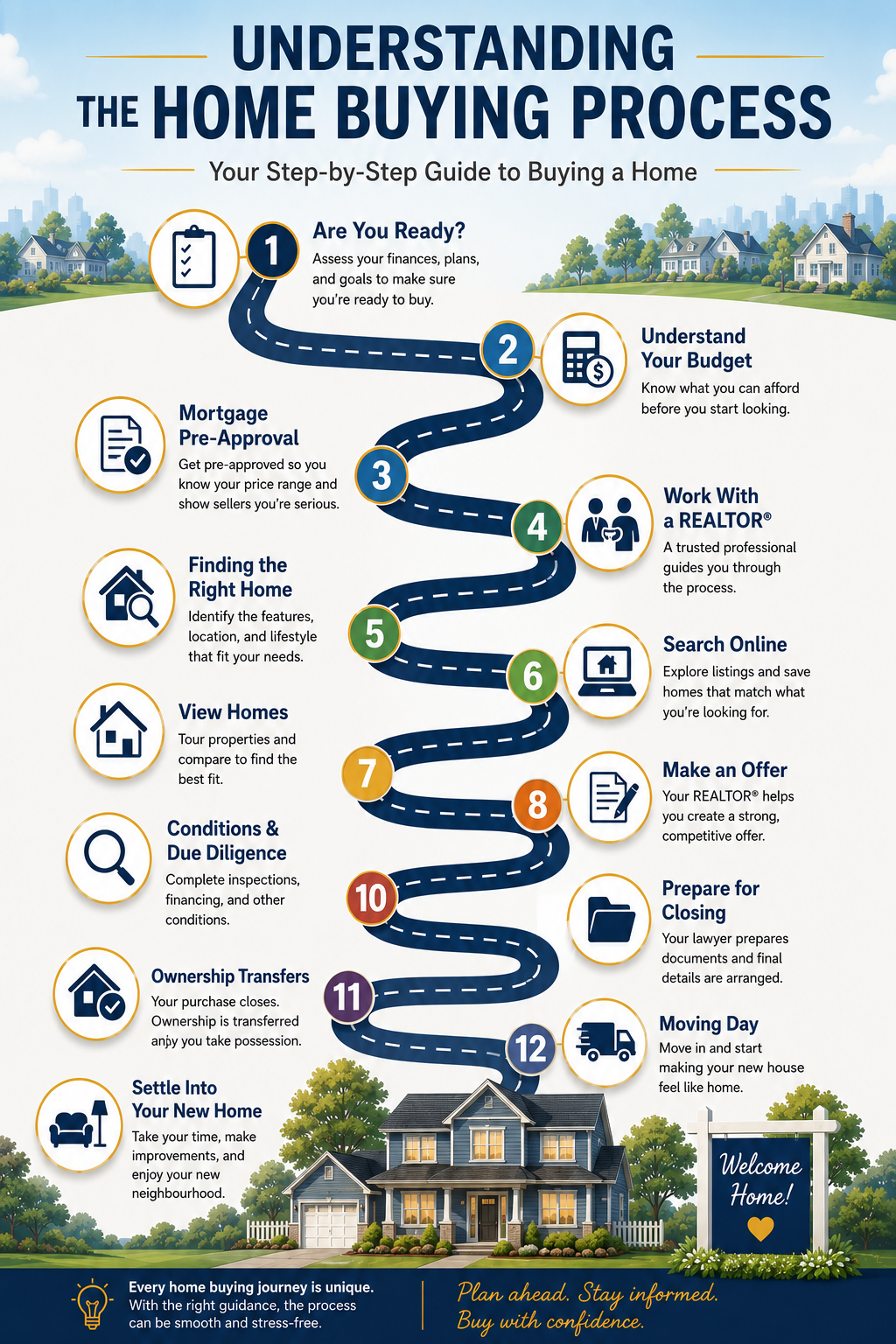
If you’re just getting started, your first stop should be the Home Buyers Guidebook. It provides an excellent overview of the home buying process and answers many of the questions buyers have before they search for a property. Once you’ve explored the guidebook, return here and continue through each step of the process with confidence.
Whether you’re searching for a condominium, a family home, a rural property, a waterfront cottage, or an investment property, the home buying process follows the same basic path. Understanding that path before you begin will make every decision easier and help you feel prepared from your first showing to the day you receive the keys. Remember also to consider what comes after closing, such as moving in, setting up utilities, and understanding your homeownership responsibilities, to ensure a smooth transition.
Are you ready to buy?
The home buying process begins long before you schedule your first showing. One of the most important decisions you’ll make is determining whether you’re truly ready to become a homeowner. While mortgage approval is certainly an important milestone, being prepared to buy a home involves much more than qualifying for a loan. For example, understanding your credit score, debt-to-income ratio, and necessary documents can help you assess your readiness more accurately.
Financial readiness is only one part of the equation. Homeownership brings additional responsibilities, including maintaining the property, budgeting for repairs, paying property taxes and insurance, and planning for the unexpected. Before beginning your search, it’s worth taking an honest look at your overall financial situation, employment stability-such as job security and income consistency-savings, and long-term goals. Purchasing a home should support your lifestyle, not create unnecessary financial pressure.

Personal readiness is just as important. Consider how long you expect to remain in the area, whether your family or career circumstances may change in the next few years, and whether you’re prepared for the ongoing commitment of owning and maintaining a property. Asking yourself questions like ‘Do I see myself here for at least [X] years?’ or ‘Am I ready for the responsibilities of homeownership?’ can help you decide whether now is the right time to begin the home buying process.
If you’re buying your first home, remember that you don’t need to have all the answers before you begin. This guide aims to help you grasp each stage of the process so you can proceed confidently. By taking the time to prepare now, you’ll be in a much stronger position when it’s time to arrange financing, begin viewing homes, and eventually make an offer.
When you’re sure that owning a home suits your goals and lifestyle, managing your finances gets simpler. Knowing your budget before searching for homes will help you feel more in control, set realistic expectations, and reduce stress during the process.
Learn more about this step
On KingstonRealty.org
First Home Purchase: Kingston Area
Home Buying in Kingston and Area: Balancing Wants and Needs
Trusted Canadian Resource
TD: Tips on Saving for Home Ownership
Understanding Your Budget
Understanding your budget is one of the most important steps in the home buying process. While it’s exciting to browse listings and imagine living in your dream home, knowing what you can comfortably afford before you begin your search will help you feel more confident and secure, save time, reduce stress, and make better decisions.
Many buyers focus only on the maximum amount a lender may approve. While that number is an important guideline, considering property taxes, home insurance, utilities, maintenance, and repairs shows thoroughness, helping you feel more prepared and less overwhelmed when determining what you can realistically afford.
Buying a home involves more than just the purchase price. You should plan for expenses like your down payment, legal fees, land transfer tax, home inspections, moving costs, and closing costs in advance. Preparing for these costs prevents surprises and keeps your budget on track during the buying process.
Every buyer’s financial situation is unique. Income, existing debt, family commitments, lifestyle, and plans all influence what makes sense for you. Establishing a comfortable monthly budget before you view homes allows you to focus on properties that truly fit your financial goals rather than stretching beyond your comfort level.
Once you clearly understand your budget, the next step is getting a mortgage pre-approval. Knowing how much you can comfortably borrow before you shop will help you focus on homes within your price range and make the home-buying process more efficient.
Learn more about this step
On KingstonRealty.org
Match the Home You Buy to Your Budget
8 Hidden Costs of Buying a Home in Ontario
Trusted Canadian Resource
Ratehub: Mortgage Affordability Calculator
Mortgage Pre-Approval
Once you’ve established a realistic budget, the next step in the home buying process is getting a mortgage pre-approval. While it’s possible to look at homes without pre-approval, it provides valuable information that can make your search more focused and efficient. Typically, the pre-approval process takes [number of days] and involves submitting financial documents and a credit check, so understanding this timeline helps you plan your home search accordingly.
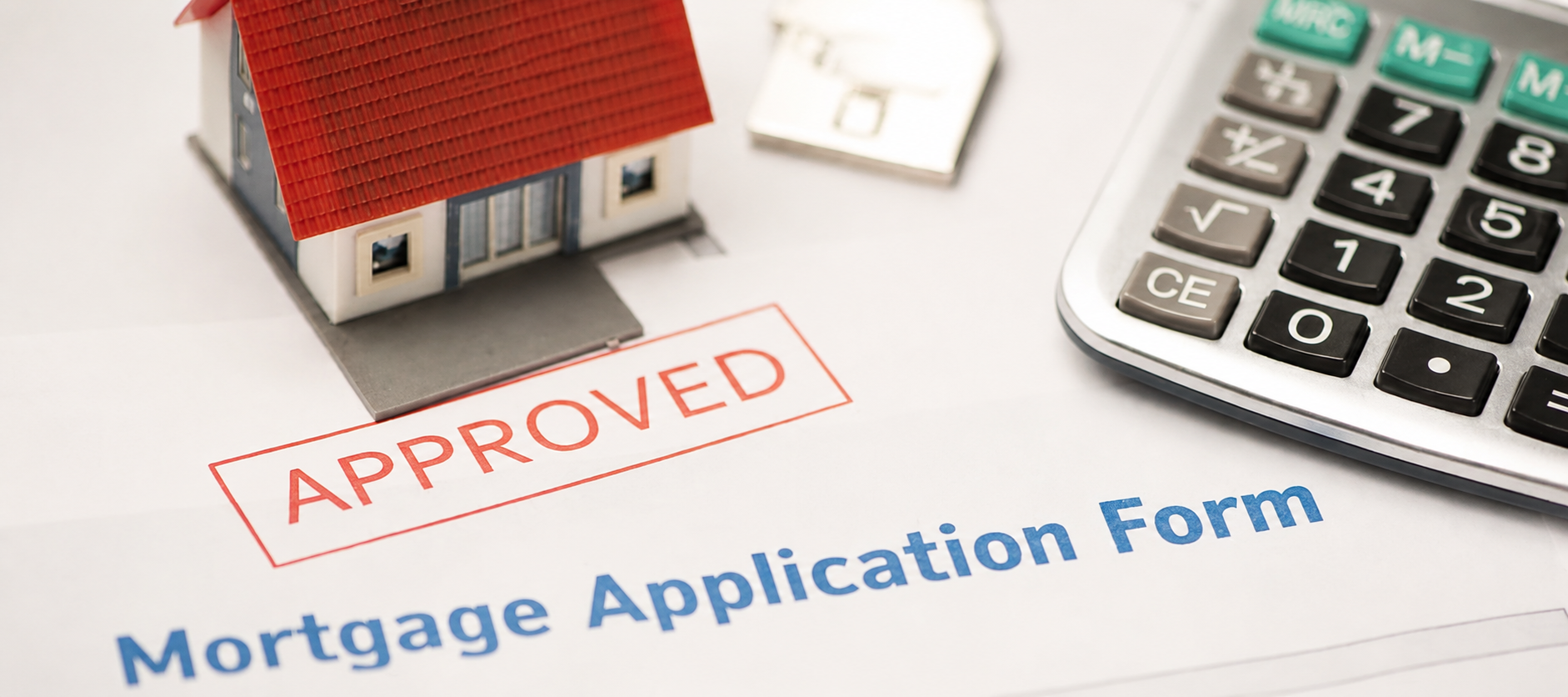
A mortgage pre-approval gives you a clearer understanding of how much you may borrow based on your current financial situation. Your lender or mortgage professional will review factors such as your income, debts, assets, credit history, and down payment to estimate the amount you may qualify for. Being aware of this before viewing properties helps you search within a price range that matches your financial goals.
A pre-approval is also an excellent opportunity to discuss mortgage options, interest rates, repayment terms, and the type of mortgage that best suits your needs. Understanding these details in advance allows you to make informed decisions when the time comes to submit an offer. Comparing pre-approval offers from different lenders can help you find the most favourable terms and avoid surprises later.
It’s helpful to understand that a mortgage pre-approval is just an initial step. After you find a property and the seller accepts your offer, your lender will perform a final review of your finances and the property before confirming your mortgage, helping you feel more prepared for the next steps.
With your financing well underway, you’ll be ready to begin one of the most exciting parts of the home buying process: searching for the right home.
Learn more about this step
On KingstonRealty.org
Mortgage Pre-Approval vs. Pre-Qualification
Boost Your Credit Score for Mortgage Approval
Trusted Canadian Resource
RBC: Mortgage Tools and Resources
Working with a Kingston REALTOR®
Once your financing is in place, you’re ready to begin one of the most exciting stages of the home buying process: finding the right home. Choosing a REALTOR® early in the process can make that journey more organized, efficient, and far less stressful, helping you feel confident and supported every step of the way.
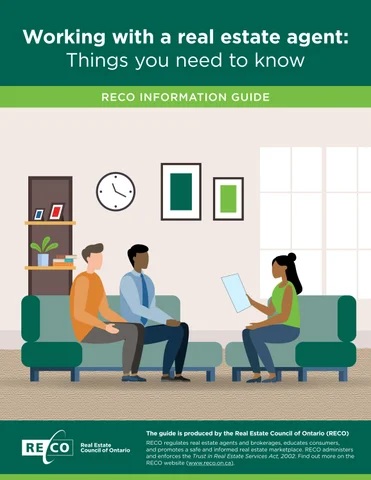
A buyer’s REALTOR® does much more than arrange showings. They take the time to understand your needs, explain the buying process, identify suitable properties, answer your questions, and help you make informed decisions from your first viewing through to closing day. Their guidance aims to make you feel supported and confident in your choices, providing valuable insight into neighbourhoods, market conditions, comparable sales, and property features that may not be immediately apparent during a showing.
Professional representation becomes even more valuable when it’s time to prepare and negotiate an offer. Your REALTOR® can explain a property’s strengths and weaknesses, discuss conditions, and negotiate on your behalf, ensuring you feel confident and protected during this critical stage of the transaction.
Perhaps most importantly, a buyer’s REALTOR® owes you professional and ethical responsibilities. These include acting with honesty and integrity, protecting your confidential information, providing objective advice, and putting your interests first while guiding you through one of the largest financial decisions you’ll ever make. This commitment helps you feel secure in your choices.
In Ontario, every prospective buyer should receive and discuss the RECO Information Guide before entering a brokerage relationship. The guide explains the different representations available and helps consumers make informed decisions throughout the home buying process.
With a trusted professional by your side, you’re ready to search for a home that fits your needs, your lifestyle, and your budget.
Learn more about this step
On KingstonRealty.org
Working with a Kingston REALTOR® | Why It Still Matters
RECO Information Guide and You 2026
Trusted Canadian Resource
Finding the Right Home
Searching for a home is often the most exciting part of the home-buying process, but it’s also where emotions can influence decisions. It’s easy to become attached to a property that looks perfect online, only to discover it doesn’t meet your practical needs or fit comfortably within your budget. A successful home search balances excitement with careful planning, and maintaining hope and patience will help you stay motivated as you find the right fit.
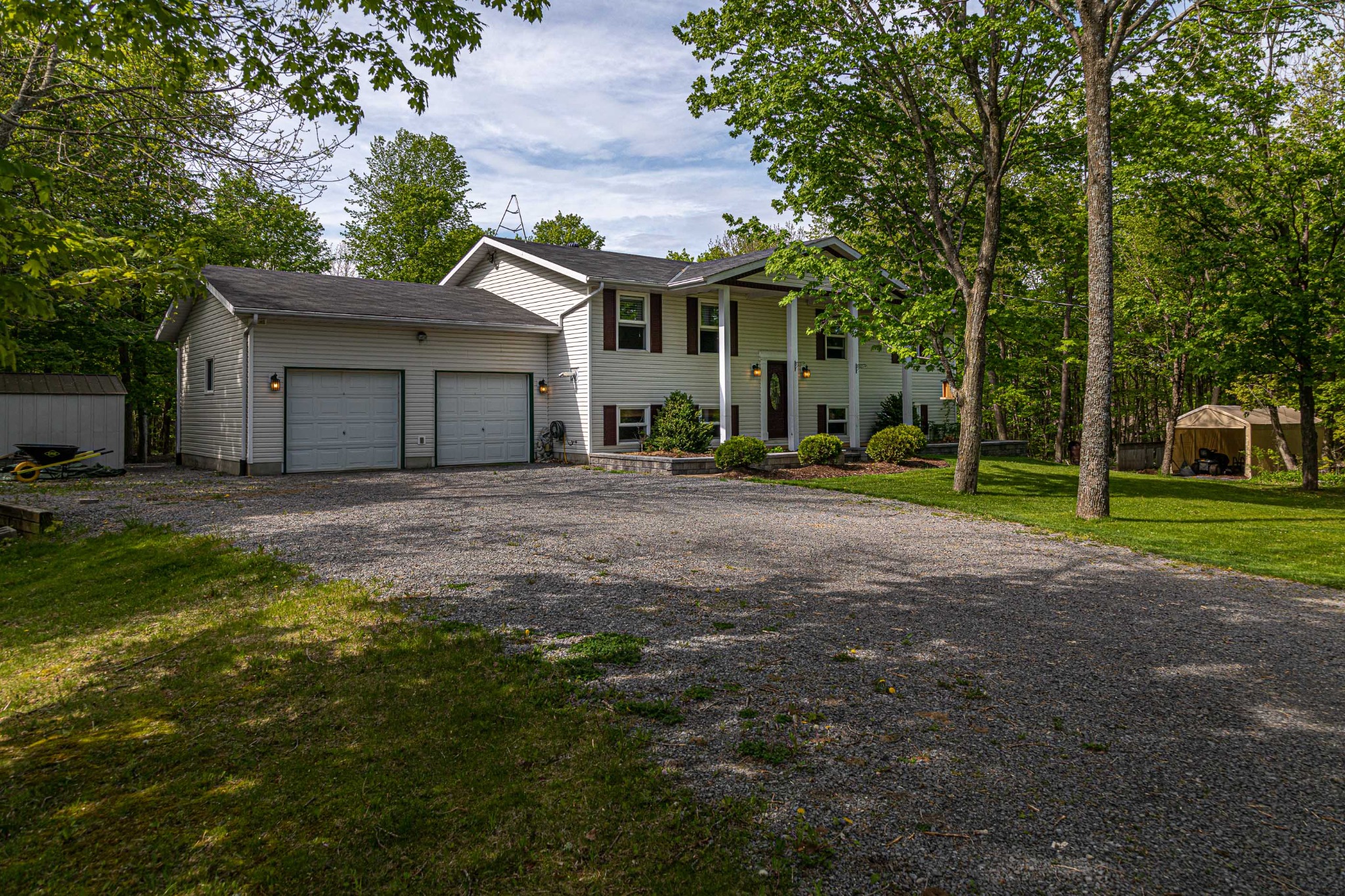
Start by identifying the features that matter most to you. Consider the number of bedrooms and bathrooms you need today, as well as how your lifestyle may change over the next several years. Think about commuting times, schools, neighbourhood amenities, outdoor space, parking, accessibility, and the type of property that best suits your long-term plans. Separating your essential needs from the features you’d simply like to have will give you clarity and make your search more focused and productive.
It’s also important to remain flexible. Few homes satisfy every item on a wish list, and buyers who keep an open mind often discover opportunities they might otherwise overlook. A home in a desirable neighbourhood with great long-term potential may prove to be a better investment than a property that appears perfect today but offers less flexibility for the future.
As new listings become available, your priorities may also develop. Viewing a variety of homes often helps buyers refine what they truly want, making it easier to recognize the right property when it comes along. Patience, preparation, and realistic expectations will help ensure that when the right home appears, you’ll be ready to act with confidence.
Once you’ve identified properties that meet your needs, it’s time to view them in person and evaluate each one carefully before deciding whether to make an offer.
Learn more about this step
On KingstonRealty.org
Moving to Kingston, Ontario: Why and Where Buyers Move
Trusted Canadian Resource
Searching Online
Most buyers begin their home search online, making it easier than ever to browse listings, compare neighbourhoods, and narrow down potential properties before scheduling a showing. Online search tools are a helpful starting point for familiarizing yourself with the local market, understanding price ranges, and identifying the features that matter most to you.

While online listings provide valuable information, they don’t always tell the complete story. Photographs highlight a property’s best features, but you can only appreciate room sizes, layouts, traffic noise, neighbouring properties, and the overall feel of a home in person. Property descriptions also showcase a home’s strengths, so you should look beyond the marketing and evaluate each property objectively, viewing online listings as a first step rather than the final assessment.
As your search progresses, you’ll likely refine your priorities. Homes that seemed perfect at first may no longer meet your needs, while properties you initially overlooked may become strong contenders. Keeping an open mind and regularly reviewing new listings will help ensure you don’t miss opportunities that match your budget and lifestyle. Searching online is an excellent way to prepare, but viewing in person will give you a clearer picture. Stay flexible as you compare properties in person to find the best fit for you.
Learn more about this step
On KingstonRealty.org
House Hunting Online: Why Working With a REALTOR® Still Matters
House Hunting in Kingston and area
Trusted Canadian Resource
Viewing Homes in Person
After narrowing your choices online, it’s time to see how each property compares in person, as in-person visits reveal features that photos may hide. A home can look very different from how it does in photographs. Professional staging, wide-angle camera lenses, and carefully selected images showcase a property’s strengths. Still, they can’t convey room flow, natural light, surrounding properties, traffic, or the overall feel of a neighbourhood.
Your REALTOR® arranges appointments, coordinates access with listing representatives, and organizes showings in a logical order, making it easier to compare several properties in the same day. More importantly, they provide another set of experienced eyes, often noticing details that buyers overlook when they’re excited about a home. Working with a REALTOR® can help you feel more confident and supported throughout your viewing process.
During a showing, it’s easy to become excited about attractive finishes, updated kitchens, or a beautiful backyard. An experienced REALTOR® helps you look beyond first impressions by pointing out features that may affect the home’s value, future maintenance, or suitability for your needs. They may notice signs of deferred maintenance, renovations that warrant closer examination, or other concerns that deserve additional investigation before you become emotionally invested in the property. This approach helps you feel more prepared and less rushed in your decision-making.

Most concerns aren’t deal breakers. A professional home inspection can address some concerns, while others may influence the price you’re willing to pay or the conditions included in your offer. Identifying those issues early allows you to make informed decisions rather than emotional ones.
Take your time during each showing and don’t be afraid to ask questions. Compare room sizes, storage space, the condition of major components, natural lighting, and the overall layout. Also, observe the neighbourhood, nearby homes, traffic patterns, and amenities to help you feel assured that the property aligns with your lifestyle and long-term needs. A property may meet your needs on paper, but it’s important to determine whether it feels like the right place to call home.
As you view more properties, you’ll gain a better understanding of what matters most to you because seeing different options helps clarify your priorities. The right home isn’t necessarily the newest or most updated; it’s the one that best matches your needs, lifestyle, and budget. Once you’ve found that property, you’ll be ready to prepare an offer with confidence.
Learn more about this step
On KingstonRealty.org
20 Kingston Home Buying Questions: Ask Before Buying a Home
Rainy Day House Hunting: Advantages
Trusted Canadian Resource
CMHC: Home buying Step by Step: Guide and Checklist
Making an Offer
After viewing several properties, there will hopefully come a time when one home stands out from the rest. Recognizing that preparing an offer is a key step in the home-buying process underscores its importance. It encourages you to weigh all factors, such as price, timing, market conditions, and protective terms.
An offer is much more than the price you’re willing to pay. It includes the proposed closing date, deposit, conditions, inclusions and exclusions, and other terms that form part of the Agreement of Purchase and Sale. Every home and every transaction is different, so your offer should reflect both the property and the circumstances of the sale.
Market conditions often influence your negotiating strategy. In a buyer’s market, you may have more flexibility when negotiating price and conditions. In a seller’s market, where demand exceeds supply, competition may require a different approach. Understanding the current market helps you make informed decisions while remaining focused on your budget and long-term goals.
Your REALTOR® will help you review comparable sales, discuss the property’s strengths and weaknesses, explain the terms of the offer, and present your options before you sign anything. The final decisions are always yours, but having experienced advice throughout the negotiation process can help you proceed with confidence.
Once the parties accept an offer, the home buying process enters the conditional period. This stage allows you to arrange financing, complete a home inspection, review documents, or satisfy other conditions, helping you feel secure and in control before finalizing your purchase.
Learn more about this step
On KingstonRealty.org
Buyer, Seller, and Balanced Market Conditions
Buy First or Sell First? Kingston Home Strategy.
Trusted Canadian Resource
Conditions and Due Diligence
Having your offer accepted is an exciting milestone. Removal or waiving of the conditions in your agreement of purchase and sale will complete that and move onward in the home buying process. Focusing on these conditions helps ensure you understand your responsibilities during this critical phase.
Depending on the terms of your offer, this may include getting final mortgage approval, arranging a professional home inspection, confirming that suitable homeowner’s insurance is available, or reviewing property-related documents. We include each condition to help you make an informed decision based on all available information before the purchase becomes firm.
The conditional period is a team effort. While your REALTOR® offers advice and guidance throughout the process, your lender, lawyer, home inspector, insurance provider, and other professionals each have specific responsibilities. Collaborating effectively with these professionals helps ensure you feel supported and confident in making informed decisions before the purchase becomes firm.
Occasionally, a home inspection or other investigation may identify concerns that were not apparent during your initial viewing. Addressing these issues, whether minor or major, can help you feel more confident and prepared for future maintenance or repairs. Once you satisfy or waive all conditions, the sale becomes firm, bringing you one step closer to closing day. From that point forward, the focus shifts from evaluating the property to preparing to transfer ownership and for your upcoming move.
Learn more about this step
On KingstonRealty.org
Home Inspections: Proven Ways to Protect Your Ideal Kingston Home
Home Sale Negotiations After Inspections
Trusted Canadian Resource
Home inspections (Innovation, Science and Economic Development Canada)
Preparing for Closing
Once your purchase becomes firm, the focus shifts to preparing for closing day. While much of the decision-making is behind you, completing these legal and financial preparations will help you feel confident and reassured that everything is in order before you receive the keys to your new home.
Your lawyer will handle the legal documents, conduct title searches, determine the final amount required to complete the purchase, and organize the ownership transfer on closing day. Your lender will complete your mortgage, and you’ll want to ensure your homeowner’s insurance is in place before the closing date.
Closing day arrives sooner than many buyers expect. Planning for your move, transferring utilities into your name, updating your address, confirming insurance coverage, and organizing any cleaning or painting before taking possession will help ensure a smoother transition into your new home. Preparing a checklist well in advance can prevent small but important details from being overlooked during the excitement of moving.
Shortly before closing, you’ll usually have an opportunity to complete a final walkthrough of the property. This walkthrough lets you confirm that the home remains in substantially the same condition as when you agreed to purchase it, that any inclusions stay in place, and that the seller has completed any agreed-upon repairs or other obligations. By preparing in advance and staying organized, you’ll be able to look forward to closing day with confidence, knowing everything is in place for a smooth transfer of ownership.
Learn more about this step
On KingstonRealty.org
Ownership of Title in Ontario: A Practical Guide
Trusted Canadian Resource
Government of Ontario: Land Transfer Tax
Closing day
Closing day is a key milestone.
On closing day, your lawyer completes the legal transfer of ownership, your lender advances the mortgage funds, and the seller’s solicitor receives the balance of the purchase price. Once the lawyer registers all documents and completes the transaction, ownership officially transfers into your name.
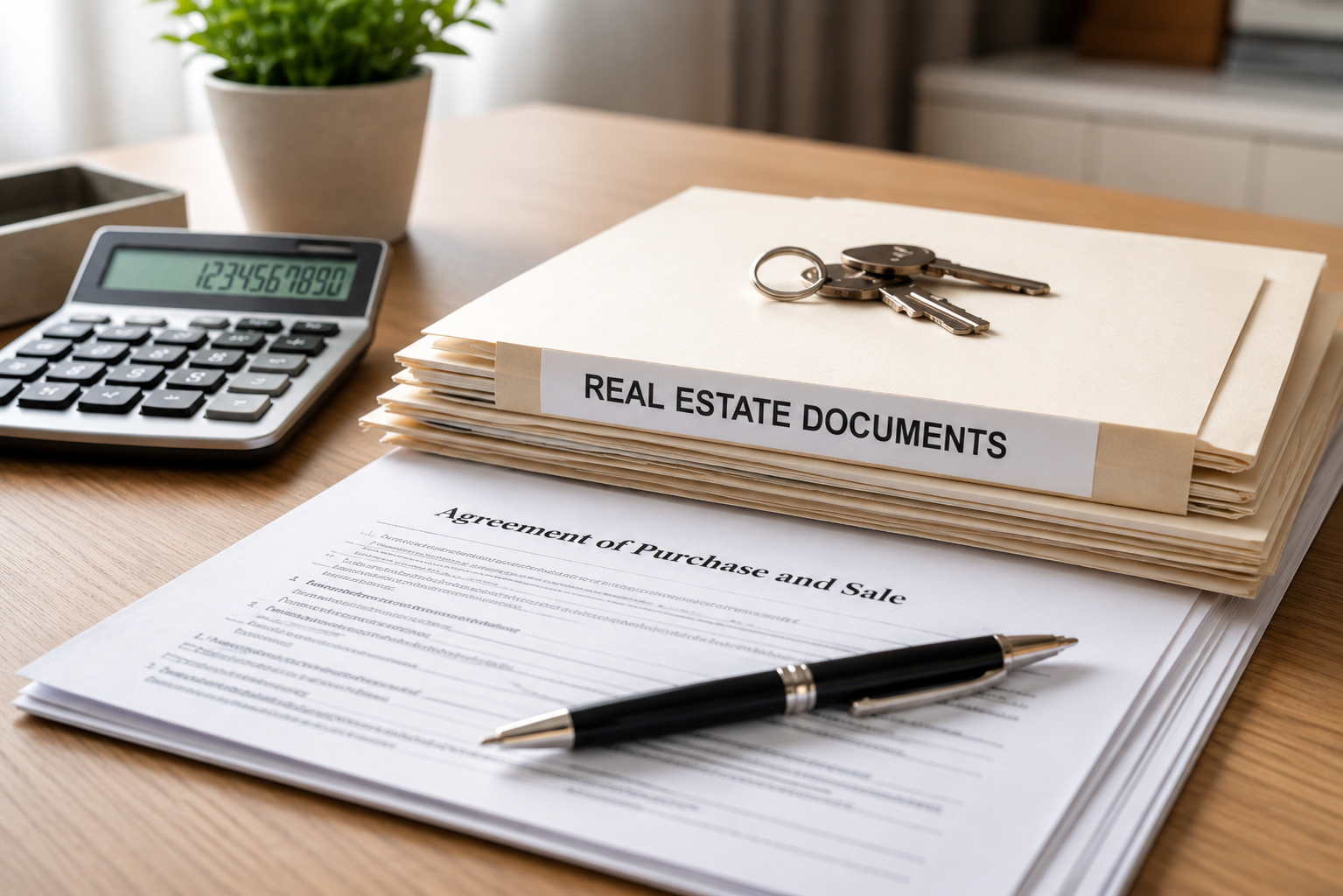
By this point, your homeowner’s insurance should already be in effect, and any utility accounts you’ve arranged should begin according to your scheduled transfer dates. To ensure a smooth closing, confirm that all necessary documents are ready and that your lawyer has everything needed. Once your lawyer confirms that the transaction has closed, you’ll be able to receive the keys and officially take possession of your new home.
While most closings proceed smoothly, delays can occasionally occur. The transfer of funds might take longer than expected; the registration of documents might require extra time, or unforeseen issues might arise before the transaction is complete. For that reason, it’s wise to remain flexible when planning your moving day and avoid scheduling movers too tightly around the expected possession time.
After your lawyer confirms that the transaction has closed, you’ll receive access to your new home, whether that’s through traditional keys, electronic locks, garage door openers, or other access devices, and can officially take possession.
Learn more about this step
On KingstonRealty.org
Closing and Moving Day Preparation
Selling your home: what stays and what can go.
Trusted Canadian Resource
Law Society of Ontario: Finding a Lawyer
Moving Day
Moving day is an important step, and a little planning can help reduce stress. Remember, focusing on key tasks first makes the process smoother, and settling in can take time.
Before unloading your belongings, take a few minutes to walk through the property. Confirm that everything included in the Agreement of Purchase and Sale remains in place, locate the main water shut-off, electrical panel, and furnace, and make sure you know how to access the garage, outbuildings, and any security or smart home systems that were included with the purchase.

If possible, complete any painting, flooring, or cleaning before moving furniture into the home. It is much easier to tackle those projects while the house is empty, before furniture is in each room.
Moving day can occupy you and sometimes stress you out, so things may not always go as planned.. Focus on getting the essentials in place first, and remember that unpacking and settling in can happen over the coming days and weeks. Once you carry the last box inside, take a moment to appreciate what you’ve accomplished.
The home buying process is complete, and you’re ready to make your new house feel like home.
Learn more about this step
On KingstonRealty.org
Home Security Guide: Protect Your Kingston Property
Protect Your Home: Seasonal Maintenance Tips That Pay Off
Trusted Canadian Resource
Your First Few Weeks in Your New Home
Now your home buying journey is complete. The excitement of moving into a new home often brings the urge to paint, renovate, or replace things immediately. Unless a repair is urgent or affects safety, give yourself time to settle in before making major changes. Living in the home for a few weeks or even a few months will give you a much better understanding of how each space functions and which improvements will have the greatest impact on your daily life.
As you settle into your new home, you’ll quickly notice small things you hadn’t considered during the buying process. That’s perfectly normal. Rather than rushing into renovations or replacing everything at once, live in the home for a while before making major decisions. Daily routines often reveal which improvements will make the biggest difference to your comfort and enjoyment, allowing you to prioritize projects based on experience rather than first impressions.
Organize important documents such as appliance manuals, warranties, receipts, and information provided by the previous owner. Creating a simple file for your home will make future maintenance and repairs much easier to manage.
You’ll also begin discovering the character of your new neighbourhood. Explore local parks, walking trails, shops, restaurants, and community services, and introduce yourself to your neighbours. Building those connections can make your new community feel like home much sooner than you might expect.
Owning a home is an ongoing journey rather than a finished project. Prioritize repairs that affect safety or prevent damage, then make a list of future improvements and tackle them as time and your budget allow. Thoughtful planning almost always leads to better decisions than rushing into renovations out of excitement about moving.
Congratulations on reaching the end of the home buying process. I hope this guide has helped you understand what to expect at each stage and has given you the confidence to make informed decisions as you begin this exciting new chapter.
On KingstonRealty.org
Kingston Home Maintenance Costs: 21 Ways to Save
Smart Homes and the Kingston Market,
Trusted Canadian Resource
Natural Resources Canada: Energy Efficiency for Homes
Frequently Asked Questions About the Home Buying Process
How long does the home buying process usually take?
The home buying process is different for every buyer. Some people find the right property within a few weeks, while others may spend several months searching. The timeline depends on your finances, market conditions, the availability of suitable homes, and the time needed to satisfy any conditions before closing.
What is the first step in the home buying process?
The initial step in buying a home is assessing whether you’re ready, financially and personally, for the purchase. Reviewing your budget, savings, and plans before you search will help you make better decisions throughout the process.
Should I get mortgage pre-approval before looking at homes?
Yes. Getting mortgage pre-approval early in the home buying process helps you understand your budget, narrow your search, and avoid looking at homes outside your price range.
Do I need a REALTOR® to buy a home?
While you can purchase a home without a REALTOR®, professional representation provides valuable guidance throughout the home-buying process, from viewing properties and preparing offers to negotiating terms and navigating the closing process.
What occurs once they accept my offer?
Once you have an accepted offer, the home-buying process enters the conditional period. Depending on your Agreement of Purchase and Sale, you may need to complete financing, arrange a home inspection, get insurance, or satisfy other conditions before the purchase becomes firm.
What costs should I budget for besides the purchase price?
Besides the purchase price, buyers should budget for expenses such as land transfer tax, legal fees, home inspections, insurance, moving costs, utility setup, and other closing costs.
Can I withdraw from the home buying process after making an offer?
That depends on the terms of your “Agreement of Purchase and Sale”. You may have options if your offer includes conditions that you have not yet satisfied or waived. Once the purchase becomes firm, withdrawing can have significant legal and financial consequences.
How can I find out if a home has a fair price?
Your REALTOR® can review comparable sales, current market conditions, and the property’s features to help you determine whether the asking price reflects current market value.
When do I receive possession of my new home?
Possession usually occurs after the transaction has legally closed, and ownership has transferred into your name. Your lawyer will confirm when you have completed the purchase and can take possession of the property.
What should I do during my first few weeks of homeownership?
Settle into your new home before making major renovations. Learn how the home functions, organize important documents, prioritize maintenance, and make improvements gradually as you become familiar with your new property.
Don’t Miss These Guides
Understanding the home buying process is an excellent foundation, but every purchase is different. These guides explore Kingston and Area neighbourhoods, specialized property types, and practical advice to help you make informed decisions before, during, and after purchasing your next home.
Kingston and Area Home Buyers Guidebook
This comprehensive guide expands on every stage of the home buying process, offering practical advice on financing, offers, inspections, closing, and many of the questions buyers commonly ask before purchasing a home.
Neighbourhoods in Kingston and the Area
Choosing the right neighbourhood is just as important as choosing the right home. Explore Kingston and Area communities to learn about amenities, schools, recreation, commuting, and the unique character that each neighbourhood offers.
Condo Living in Kingston and the Area
Condominium ownership offers a different lifestyle than owning a detached home. Learn about condo fees, reserve funds, maintenance responsibilities, and the advantages and considerations of condo living.
Purchasing a Fixer-Upper in Kingston and the Area
A fixer-upper can provide an opportunity to build equity, but it’s important to understand renovation costs, financing options, and how to evaluate a property’s true potential before making an offer.
Multi-Generational Living for Kingston Area: A Practical Guide
More families are choosing homes that accommodate multiple generations under one roof. Discover the benefits, challenges, and property features that can help make multi-generational living successful.