


Kingston Home Inspections
Home inspections are a key step in helping buyers feel confident and protected when purchasing a property in the Kingston area. Whether you’re considering a family home in Kingston, a waterfront property on Wolfe Island, a rural property near Arden or Verona, or a century home in Napanee, inspections give buyers peace of mind by clarifying the property’s condition before making one of the largest financial decisions they will ever make.
A professional home inspector evaluates the home’s visible and accessible components and prepares an inspection report outlining maintenance concerns, safety issues, and areas that may require additional investigation. However, inspections do not include destructive testing or opening walls, so some hidden issues-such as internal water damage or pest infestations-may remain undetected. Understanding these limits helps buyers set realistic expectations about what the inspection can reveal.
Home inspections are important throughout Kingston and the surrounding area because of the wide variety of housing styles. Buyers may encounter historic limestone homes, post-war neighbourhoods, newer subdivisions, waterfront cottages, and rural properties with wells, septic systems, wood heating systems, or private roads. Every property presents its own opportunities and challenges, and inspections help buyers feel prepared for these differences.
📺 Watch: What to Expect from a Home Inspection
_________________________________________________________________________
🧩 What Kingston Home Inspections Cover
A professional home inspector assesses visible and accessible components and highlights safety, performance, and maintenance issues. However, they do not perform destructive testing or make wall openings, which means some issues might stay hidden. Buyers can grasp the extent and boundaries of inspections with this.
Areas commonly examined during a home inspection include:
Structure and Foundation: Foundations, basement walls, crawl spaces, framing, floors, ceilings, and other structural components. Inspectors look for signs of movement, cracking, settlement, water intrusion, and previous repairs.
Roofing and Exterior Components: Roofing materials, flashing, chimneys, vents, skylights, soffits, fascia, eavestrough, siding, windows, doors, decks, porches, stairs, and railings. Inspectors evaluate the overall condition and identify visible maintenance concerns.
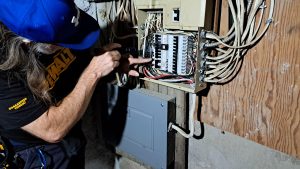
Electrical Systems: Service size, electrical panels, breakers or fuse panels, visible wiring, grounding, switches, outlets, and other accessible electrical components. Common concerns include outdated panels, aluminum wiring, knob-and-tube wiring, and improper modifications.
Plumbing Systems: Visible supply lines, drain lines, water heaters, fixtures, water pressure concerns, leaks, and signs of previous water damage. Older homes may contain galvanized steel plumbing, while some properties built between the late 1970s and mid-1990s may contain Poly-B piping.
Heating and Cooling Systems: Furnaces, boilers, heat pumps, air conditioning systems, visible ductwork, and ventilation components. Inspectors note age, condition, maintenance, and any obvious operational concerns.
Attics, Insulation, and Ventilation: Insulation levels, attic ventilation, moisture concerns, evidence of roof leaks, and the operation of accessible bathroom and kitchen exhaust systems.
Safety concerns identified during home inspections-such as missing smoke or carbon monoxide detectors, unsafe electrical conditions, or active water leaks-can be critical in decision-making. Recognizing these issues early allows buyers to negotiate repairs, request price reductions, or plan for necessary upgrades, ultimately helping them make informed choices and protect their investment after purchase.
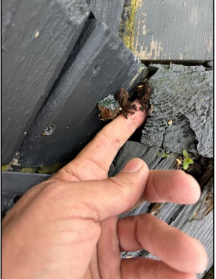
Depending on the property, inspectors may also recommend additional evaluations such as well testing, septic inspections, WETT inspections, sewer scope inspections, radon testing, mould assessment, or review by a qualified electrician, plumber, HVAC technician, or structural engineer. Being aware of these potential follow-ups helps buyers understand the full scope of property assessment, plan and avoid surprises during the buying process.
________________________________________________________________________________________________________________________
Structure and Foundation
The foundation supports everything above it and is a critical focus during home inspections. Inspectors look for cracks, signs of settlement, moisture intrusion, water staining, structural movement, and previous repairs. Larger cracks, bowing walls, or shifting floors may indicate issues needing further investigation, helping buyers interpret foundation conditions more effectively.
Kingston and the area contain a wide variety of foundation and structural support systems. Older homes may feature limestone, stone, or brick foundations, while many properties built during the post-war period use concrete block construction. Poured concrete foundations became increasingly common in newer homes. In some rural areas and in the Canadian Shield, buyers may also encounter permanent wood foundations (PWF). Crawl spaces, concrete piers, wood posts, or other structural systems, rather than full basements, may support seasonal cottages and waterfront properties.
Each foundation type has its own characteristics, maintenance requirements, and potential concerns. Limestone and stone foundations may show mortar deterioration or moisture penetration. Concrete block foundations can develop horizontal or stair-step cracking. Poured concrete foundations may exhibit shrinkage cracks, settlement cracks, or signs of water entry. Crawl spaces often require careful evaluation for moisture, ventilation, insect activity, and the condition of support posts and beams.
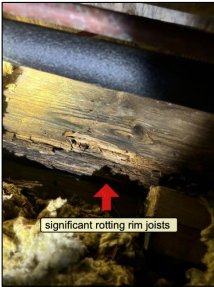
Age alone is not necessarily a concern. Builders constructed many foundations from stone, brick, concrete block, and poured concrete, and these foundations continue to perform well decades later. During home inspections, the focus is on the structure’s current condition rather than its age. Signs of water penetration, deteriorating mortar, shifting, structural movement, insect damage, inadequate support, or previous repairs often provide more useful information than the construction material itself.
Inspectors also evaluate drainage around the home because water contributes to many foundation-related problems. Poor grading, blocked eavestrough, short downspout extensions, damaged foundation waterproofing, or improper water management can direct moisture toward the structure. Recognizing these issues early can help buyers feel more prepared to address potential concerns and protect their investment.
When inspectors find major structural problems, they might advise buyers to have a structural engineer assess the property before finalizing their commitment. Understanding potential follow-up actions, such as repair estimates or renegotiation, can help you feel better prepared to handle issues that arise during the inspection process and protect your investment.
Roofing and Exterior Components
Roofing systems receive significant attention during home inspections because repairs and replacement costs can be substantial. Modern inspectors frequently use drones to examine areas that are difficult to access safely from the ground, especially on steep roofs, in multi-storey homes, on waterfront properties, and in homes where weather may make direct access unsafe.
Inspectors examine the overall condition of the roofing system rather than focusing solely on the roofing material. They look for missing, curling, cracked, lifted, or damaged shingles; excessive granule loss; loose ridge caps; exposed nail heads; sagging roof sections; signs of previous repairs; storm damage; and areas where the roof may be near the end of its useful life.
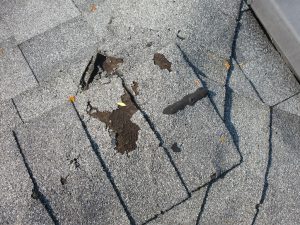
Because many leaks occur around openings rather than through the roofing material itself, the inspection pays particular attention to roof penetrations and drainage components. Chimneys, chimney flashing, plumbing vent stacks, vent boots, bathroom exhaust vents, skylights, roof valleys, and roof transitions are all carefully examined. Damaged flashing, deteriorated sealants, cracked vent boots, corrosion, loose components, or evidence of prior water entry may show areas that require repair or closer monitoring.
While asphalt shingles remain the most common roofing material throughout Kingston and the area, inspectors also encounter metal roofing on rural homes, farmhouses, cottages, garages, and outbuildings. Inspectors sometimes see slate roofs and cedar-shake or cedar-shingle roofs on older properties throughout the region. Each material ages differently and presents its own maintenance requirements. During home inspections, the focus remains on condition, installation quality, visible deterioration, and evidence of water intrusion, rather than simply the roof’s age.
They simultaneously review exterior components. The examination of siding, windows, doors, soffits, fascia, eavestrough, decks, porches, stairs, and railings checks for damage, deterioration, moisture concerns, and deferred maintenance. Rotting deck boards, loose railings, failed window seals, damaged siding, clogged eavestrough, and poor drainage around the home are common findings. While many of these issues are manageable, identifying them before closing helps buyers better understand the property’s condition and future maintenance needs.
Electrical, plumbing, and heating systems
Electrical, plumbing, heating, and cooling systems affect both safety and comfort, making them key components of home inspections. Unlike specialized contractors, home inspectors do not dismantle equipment or perform invasive testing. The inspection relies on visual observation and on the normal operation of accessible systems, including switches, faucets, valves, thermostats, and other user controls.
Across all three systems, inspectors focus on identifying visible safety concerns, determining whether systems appear to function as intended, and highlighting components that may require repair, replacement, or further evaluation by a qualified specialist.
Electrical Systems
Inspectors examine the electrical service entering the home, including the service mast, meter, visible wiring, and main electrical panel. Inspectors typically open the panel to look for signs of overheating, corrosion, improper wiring practices, double-tapped breakers, missing knockouts, or other visible safety concerns.
They also recorded the service size. While many newer homes feature 200-amp service, older properties may still have 60-amp or 100-amp service. Smaller services are not automatically a defect, but buyers should understand their limitations when considering electric vehicle chargers, workshops, hot tubs, heat pumps, or other high-demand electrical equipment.
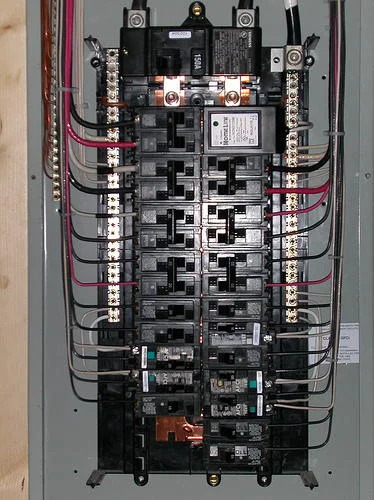
Inspectors identify whether the home uses a modern breaker panel or an older fuse panel. They also examine a representative number of switches, outlets, and fixtures throughout the home to confirm proper operation. Technicians typically test ground-fault circuit interrupters (GFCIs) in kitchens, bathrooms, garages, exterior locations, unfinished basements, and other areas where water may be present.
Visible wiring receives careful attention. Older homes may contain knob-and-tube wiring, while homes built during the 1960s and 1970s sometimes contain aluminum branch wiring. Both conditions may affect insurance availability and often warrant additional review by a licensed electrician. Inspectors also look for amateur electrical modifications, open junction boxes, missing covers, improper grounding, and other visible safety concerns.
While inspectors can identify many common electrical issues, they do not test every circuit, move furniture, or open finished walls to trace wiring throughout the home.
Plumbing Systems
Plumbing inspections begin with locating the main water shut-off valve and examining visible water supply and drain lines. Inspectors examine exposed plumbing in basements, crawl spaces, utility rooms, and under sinks for leaks, corrosion, improper repairs, outdated materials, and signs of previous water damage.
Inspectors operate faucets, showers, bathtubs, and toilets throughout the home to evaluate water pressure, flow, and drainage. Water pressure and flow rates are often of particular interest in rural properties that rely on private wells, where performance can vary significantly from municipal systems. Inspectors also look for slow drains, leaking fixtures, running toilets, inadequate drainage, and signs that plumbing components may be near the end of their service life.
Inspectors carefully examine shower stalls, bathtubs, and surrounding wall surfaces for evidence of moisture intrusion. Inspectors often check corners, seams, grout lines, caulking, and adjacent finishes for signs that water may escape the enclosure and cause hidden damage. Staining, soft materials, mould growth, or deteriorated caulking can show ongoing moisture concerns.
Inspections also document the type of plumbing materials used in the home. Older homes may still contain galvanized steel piping, while some homes built between the late 1970s and mid-1990s contain Poly-B plumbing. Inspectors can also point out lead pipes and other outdated materials that buyers should know about.
Inspectors examine water heating equipment for age, condition, fuel source, visible leaks, corrosion, and safety concerns. Inspectors typically record the water heater’s size and type and look for improper venting, missing pressure-relief components, evidence of leakage, or signs that replacement may be imminent.
Where present, inspectors also evaluate sump pumps and sewage ejector pumps. Inspectors often test float switches when accessible and verify that discharge systems appear to direct water away from the home’s foundation. Proper operation of these systems can be important during periods of heavy rainfall or spring snowmelt.
While inspectors can identify many visible plumbing concerns, they do not open walls, excavate buried lines, or perform specialized testing on underground plumbing systems. Concerns identified during the inspection may lead to recommendations for additional evaluation, including sewer scope inspections or review by a licensed plumber.
Heating and Cooling Systems
Heating and cooling equipment is among the largest replacement costs many homeowners will face, making HVAC systems an important part of home inspections.
Inspectors operate thermostats and normal system controls to confirm that heating and cooling equipment respond appropriately. The inspection typically identifies the type of system present, such as a forced-air furnace, hydronic boiler, electric baseboard heating, ductless mini-split system, central air conditioner, or cold-climate heat pump.
Inspectors examine the system’s visible components for age, condition, maintenance concerns, and signs of improper installation. Inspectors commonly record the manufacturer’s information and, when possible, estimate the equipment’s age. While age alone does not determine whether replacement is necessary, buyers benefit from understanding where major equipment stands in its expected service life.
For fuel-burning appliances, inspectors examine visible venting systems and flues for rust, damage, improper slope, blockages, or other conditions that may affect safe operation. When accessible, inspectors also review air filters, ductwork, registers, and airflow throughout the home.
Many homes throughout Kingston and the area now include heat pumps, either as the primary heating system or as part of a hybrid heating arrangement. Inspectors evaluate these systems as other HVAC equipment, documenting visible conditions, operational issues, and maintenance concerns.
Home inspectors do not perform detailed efficiency testing, refrigerant analysis, combustion testing, or equipment disassembly. Their role is to identify visible concerns and provide buyers with a general assessment of the system’s condition at the time of the inspection.
Attics, Insulation, and Ventilation
Many significant issues discovered during home inspections originate in the attic. While buyers often focus on kitchens, bathrooms, and finished living spaces, the attic frequently provides valuable clues about the home’s overall condition, including roofing performance, energy efficiency, moisture control, ventilation, and structural integrity.
Inspectors examine insulation levels, ventilation systems, roof framing, exhaust fan routing, and signs of moisture intrusion or previous leaks. The attic represents a singular location for the simultaneous inspection of diverse building systems.
Insulation
Inspectors identify the type of insulation present, which may include fibreglass batts, blown-in cellulose, mineral wool, or spray foam insulation. Inspectors typically record the approximate insulation depth because insulation levels play an important role in heating costs, comfort, and energy efficiency.
The inspector found missing or inadequate insulation around attic access hatches, knee walls, and any locations with displaced or compressed insulation. Uneven coverage can reduce the effectiveness of the entire insulation system.
Older homes occasionally contain vermiculite insulation. Because some vermiculite products have been associated with asbestos contamination, inspectors note its presence and recommend further evaluation when appropriate.
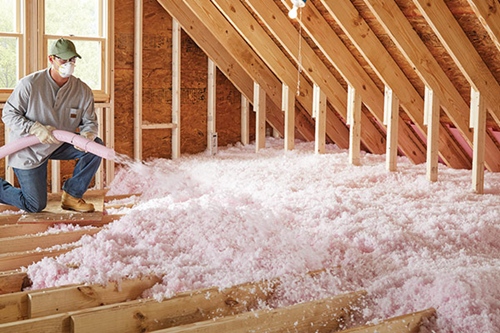
https://www.homedepot.ca/en/home/ideas-how-to/home-repair-and-maintenance/how-to-insulate-an-attic.html
Ventilation and Airflow
Attic ventilation helps remove excess heat during summer and moisture during winter. Poor ventilation can contribute to condensation, mould growth, ice damming, and premature deterioration of roofing materials.
Inspectors look for soffit vents that allow fresh air to enter at the roof edge and verify that insulation is not blocking these openings. Inspectors commonly examine attic baffles because these baffles help maintain airflow between the soffits and the attic space.
Inspectors also review the roof ventilation systems. Ridge vents, roof vents, gable vents, turbine vents, and powered attic ventilators may all be present, depending on the home’s age and design. Inspectors look for evidence that the attic is receiving adequate intake and exhaust airflow.
Rusting roofing nails, excessive heat buildup, frost accumulation, condensation, or staining on the underside of the roof sheathing can all indicate ventilation problems.
Bathroom and Kitchen Exhaust Fans
Home inspectors frequently cite defective exhaust fan termination as a common attic issue.
Bathroom exhaust fans, kitchen range hoods, and other mechanical exhaust systems should discharge moisture outside the home. Inspectors verify ductwork ends through an approved exterior vent rather than discharging directly into the attic space.
Warm, moist air vented into an attic can contribute to mould growth, wood rot, insulation damage, and condensation problems. Staining around exhaust ducts or visible moisture damage near termination points often shows a long-standing issue.
Structural and Moisture Concerns
Inspectors can also evaluate parts of the home’s roof structure from attics that they cannot see from the exterior. Inspectors visually examine rafters, trusses, roof sheathing, collar ties, and ridge components for signs of deterioration or structural concerns.
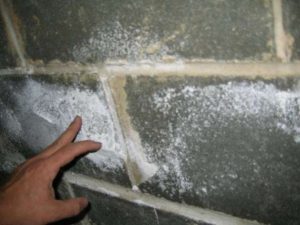
Inspectors look for active leaks, water staining, damaged roof sheathing, mould growth, prior repairs, and evidence of moisture entering the attic. Structural alterations, cut truss members, sagging framing, or improperly changed roof systems might also become apparent to inspectors.
Pest activity is another common concern. Nests, droppings, chewed wiring, damaged insulation, and evidence of bats, birds, squirrels, mice, or raccoons are often easier to identify in the attic than in any other part of the home.
Because attics connect roofing, insulation, ventilation, moisture control, and structural systems, conditions discovered in this area often provide some of the most valuable information in a home inspection report.
___________________________________________________________________________________________________________________________________________
Understanding the Inspection Report
Many first-time buyers expect a home inspection report to provide a simple pass-or-fail result. In reality, home inspections do not determine whether a property is “good” or “bad.” Every home has deficiencies, maintenance requirements, and components that will eventually require repair or replacement. The purpose of the inspection report is to help buyers understand the property’s current condition and make informed decisions.
Most inspection reports contain dozens of observations, recommendations, and photographs. While the volume of information can feel overwhelming, not every item carries the same level of importance. Learning how to separate routine maintenance issues from significant concerns is one of the most valuable parts of the inspection process.
Safety Concerns
Safety issues deserve immediate attention. These may include exposed wiring, improperly installed electrical components, missing handrails, unsafe wood stove installations, carbon monoxide concerns, or conditions that could create a risk of injury or property damage.
One can correct many safety concerns relatively easily, but buyers should understand the scope and cost of any recommended repairs before proceeding with a purchase.
Water and Moisture Issues
Water intrusion causes many of the most costly home issues. Inspection reports frequently identify roof leaks, basement moisture, plumbing leaks, grading concerns, inadequate drainage, or signs of previous water intrusion.
A minor plumbing repair may not be significant, but ongoing moisture problems can lead to mould growth, wood deterioration, insulation damage, and costly structural repairs. Water-related concerns often deserve closer attention than cosmetic issues.
Major Systems Nearing the End of Their Service Life
Inspectors commonly identify furnaces, air conditioners, water heaters, roofing materials, windows, and other major components that may be near the end of their expected lifespans.
A roof, furnace, or air conditioner does not automatically become a defect simply because it is older. Many systems continue to perform well beyond their typical life expectancy when properly maintained. However, buyers should understand which major expenses may arise in the coming years and budget accordingly.
Maintenance Items and Minor Repairs
Most inspection reports contain many maintenance recommendations. Loose handrails, deteriorated caulking, damaged screens, dripping faucets, minor grading concerns, and worn weatherstripping are common examples.
Individually, these items may have little impact on a purchase decision. Together, these items help buyers grasp how well the property owners maintained it over time and what work they might have to complete after closing.
Getting Quotes Before Removing Conditions
When an inspection identifies a significant concern, buyers often gather additional information before deciding how to proceed.
Licensed contractors, electricians, plumbers, HVAC technicians, septic specialists, well contractors, WETT inspectors, or structural engineers can provide estimates or further evaluation when consulted. Getting professional opinions during the conditional period helps buyers understand potential costs rather than relying on assumptions.
Negotiating After the Inspection
Inspection findings do not automatically mean a transaction will fall apart. Often, the report provides information that enables buyers and sellers to negotiate from an informed position.
Buyers may request repairs, seek a price adjustment, ask for credits toward future work, or accept the property’s condition and proceed as planned. The response depends on the findings, local market conditions, and the buyer’s long-term plans for the property.
The most successful inspections are not necessarily those that uncover nothing. The most valuable inspections are often those that give buyers a clear understanding of the home, allowing them to move forward with confidence and realistic expectations.
Inspection reports identify concerns but do not automatically require repairs. Depending on the findings, buyers and sellers may negotiate repairs, a price adjustment, a credit toward future work, or decide to proceed without changes. The outcome depends on the purchase agreement, the nature of the deficiency, and local market conditions.
Should you waive the home inspection?
In a perfect world, every buyer would complete a home inspection before purchasing a property. In reality, market conditions do not always make that possible.
During strong seller’s markets, buyers may compete against multiple offers. Throughout the COVID-era real estate boom, many purchasers waived home inspection conditions to make their offers more attractive and improve their chances of securing a property. Similar situations can still occur today when demand significantly exceeds supply.
Waiving a home inspection does not automatically mean a buyer is making a poor decision. Some purchasers are comfortable accepting additional risk, particularly if they have construction experience, plan major renovations, or have information about the property’s condition through other means. Waiving an inspection means you accept the possibility that important defects or maintenance concerns might not surface until after closing.
Sometimes, buyers who waived inspections in highly competitive markets later discovered roofing, foundation, electrical, plumbing, moisture, or septic issues that proved to be expensive surprises. As market conditions changed and those properties eventually returned to the market, inspection concerns that were overlooked during the original purchase often became negotiating points for future buyers.
When a traditional inspection condition is not practical, some buyers choose alternatives such as reviewing a recent seller-provided inspection report, arranging a pre-offer inspection, or consulting contractors before submitting an offer. None of these options completely replaces a standard inspection condition, but they can provide valuable information when competition is intense.
Whenever circumstances allow,professional home inspections remains one of the most effective ways to understand a property’s condition, reduce uncertainty, and make informed decisions before committing to a purchase. ________________________________________________________________________________________________________________________
Home Inspection FAQs
How much does a home inspection cost in Kingston and the surrounding area?
The cost of home inspections costs vary depending on the size, location, age, and complexity of the property. Sellers or buyers typically pay separately for additional services like water testing, septic inspections, WETT inspections, sewer scope inspections, or radon testing. Buyers should view the inspection as an investment in understanding the property’s condition before closing.
How long does a home inspection take?
Most home inspections take between two and four hours. Larger homes, older properties, waterfront homes, rural properties, and homes with multiple outbuildings may require additional time.
Should buyers attend home inspections?
Buyers should attend at least part of the inspection. When buyers walk through the property with the inspector, they can ask questions, see concerns firsthand, and learn about maintenance requirements that the written report alone may not fully convey.
Can a home fail a home inspection?
No, home inspections do not provide pass-or-fail results. The inspection report identifies observations, concerns, maintenance items, and recommendations. Buyers then decide whether the findings are acceptable based on their goals, budget, and risk tolerance.
Are home inspections worthwhile on an “as-is” property?
Yes, many times, a home inspection becomes even more important when a property is being sold “as-is.” The seller is showing they do not intend to make repairs, which means buyers need a clear understanding of the property’s condition before proceeding. While an inspection may not cause repairs or price adjustments, it can help identify major concerns, estimate future costs, and prevent unpleasant surprises after closing.
Do you have home inspections on a condominium?
Many times, yes. A condominium inspection focuses on the unit itself, including plumbing fixtures, electrical systems, heating and cooling equipment, windows, doors, appliances, and interior finishes. Besides getting a home inspection, buyers should review the condominium status certificate, reserve fund details, and rules.
Should I have a home inspection in a seller’s market?
Yes. Strong seller’s markets often create pressure to waive inspection conditions to compete with other buyers. While that strategy may occasionally be necessary, it also increases the risk of discovering expensive problems after closing.
Some buyers choose alternatives such as pre-offer inspections or reviewing a recent seller-provided inspection report when competition is intense. Even in a seller’s market, getting reliable information about a property’s condition can help buyers make more informed decisions and better understand the risks they are accepting.
Kingston Buyer Tip
Electrical risks vary by area. Aluminum branch wiring (mid-1960s–mid-1970s) is most commonly found in Kingston’s west end (e.g., Collins Bay, Auden Park, and Reddendale/Lakeshore) and Amherstview. Knob-and-tube shows up more often in pre-1950s downtown/inner-city homes. Galvanized and Poly-B plumbing appear in many 1970s–1990s builds across the region.
In truly rural properties (South Frontenac, Inverary, Battersea, etc.), the bigger inspection add-ons are usually well and septic, potential oil/propane systems, WETT for wood heat, and environmental items like vermiculite or radon—plus access/maintenance considerations on private roads.
_________________________________________________________________________________________________________________________________________
Need Local Experts for Your Home Inspection?
When inspection issues come up, you do not have to navigate them alone. I work with trusted local home inspectors and specialists across Kingston and the surrounding area. Whether it is a downtown limestone, a Collins Bay family home, or a South Frontenac cottage, I can connect you with the right professionals so you have the full picture before making your decision.
When inspection issues come up, you do not have to navigate them alone. I work with trusted local home inspectors and specialists across Kingston and the surrounding area. Whether it is a downtown limestone, a Collins Bay family home, or a South Frontenac cottage, I can connect you with the right professionals so you have the full picture before making your decision about the home inspection.
💭 Final Thought
Whether you’re buying a downtown Kingston limestone, a Bayridge family home, or a South Frontenac cottage, home inspections are one of the smartest investments you can make.
Home inspections help you understand the property, plan for the future, and move forward with confidence.
________________________________________________________________________________________________________________________
📚 Don’t Miss These Guides
Home inspections help buyers understand a property’s condition, identify potential repair costs, and make informed decisions before closing. These related guides provide additional information about buying, maintaining, and protecting a home in Kingston and the surrounding area.
Kingston and Area Home Buyer’s Guidebook
A complete guide to the home-buying process, from mortgage pre-approval and house hunting to inspections, conditions, and closing day. Ideal for first-time buyers and anyone purchasing a home in Kingston and the surrounding area.
8 Hidden Costs of Buying a Home
The purchase price is only part of the equation. Learn about closing costs, land transfer tax, legal fees, moving expenses, inspections, insurance, utility adjustments, and the unexpected costs many buyers encounter after taking possession.
Protect Your Home: Seasonal Maintenance Tips That Pay Off
Regular maintenance helps prevent many of the issues commonly identified during home inspections. This guide outlines practical seasonal tasks that can protect your investment and reduce long-term repair costs.
Water Damage Prevention for Your Home
Moisture and drainage concerns are among the most common issues identified during home inspections. Learn how to protect your home from leaks, basement moisture, grading problems, and other water-related damage.
Working with a Kingston REALTOR®
A knowledgeable REALTOR® can help buyers understand inspection findings, negotiate repairs when appropriate, coordinate specialist inspections, and make informed decisions throughout the purchase process.