



Closing day involves steps, not festivities.
Real estate transactions in Ontario don’t get completed informally. Attorneys make use of electronic fund transfers. Legal experts have concluded the digital registration of the title. The keys will be yours upon confirmation of payment and a successful transfer.
For buyers and sellers in Kingston and the surrounding area, most stress comes from not understanding the sequence of events. When you understand the order of events, closing day feels structured rather than chaotic.
Here is what actually happens, and where problems can arise.

What happens on closing day?
On closing day, the buyer’s lender sends mortgage funds to the buyer’s lawyer. The buyer provides the remaining balance of closing funds in advance. Parties sign documents before the closing date.
Upon receipt of mortgage funds and the buyer’s contribution, the buyer’s lawyer forwards the money to the seller’s lawyer. The seller’s lawyer registers the transfer of title through Ontario’s electronic land registration system.
Access to the property after the deal closes.
Mortgage funding delays or missing documentation can push completion later into the day. Because Ontario uses electronic registration and lawyers process multiple transactions at once, possession often occurs in the afternoon rather than the morning.
Scheduling movers for early-morning possession poses risks, but you also need to consider loading from the dwelling you are leaving.
From the buyer’s perspective.
Before closing, the buyer’s lawyer prepares a Statement of Adjustments that allocates property taxes, condo fees, fuel oil, and other prepaid expenses to the exact day ownership changes. The buyer must also know about the Ontario land transfer Tax.
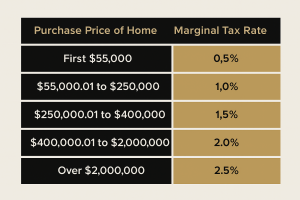
The purpose is simple. Each party pays its share until the day ownership changes.
Insurance must be effective on the closing date. Lenders will not advance mortgage funds without proof of coverage.
Buyers should also avoid major financial changes before closing. A new car loan, a job change, or a large unexplained deposit can trigger lender re-verification shortly before funding. If the lender delays funding, the buyer can technically be in default.
The final walkthrough is not symbolic. It confirms that the property is in substantially the same condition as when the offer was accepted. Agreed, appliances should be present. Fixtures listed in the agreement should remain. No additional damage should appear.
If you discover an issue, lawyers may negotiate a financial holdback before releasing the keys.
From the seller’s perspective.
If the Agreement of Purchase and Sale requires vacant possession, the property must be empty unless another arrangement is in writing.
The seller’s lawyer must deliver a clear title, discharge any existing mortgages, and address any rental items. The seller’s lawyer prepares the documentation to effect a proper transfer of ownership.
Sellers should confirm their mortgage payout amount in advance, including any prepayment penalties. Waiting until the last week to check those numbers can create unnecessary pressure.
Leaving the property clean and free of debris helps avoid last-minute disputes. Minor issues feel larger when both sides are under time pressure.
Buying a tenanted property.
Purchasing a property that is currently rented adds another layer of complexity in Ontario.
If the buyer intends to move in and the agreement requires vacant possession, the seller must serve proper notice to the tenant under the Residential Tenancies Act. Even when the landlord has given notice, the timeline must align with the closing date.
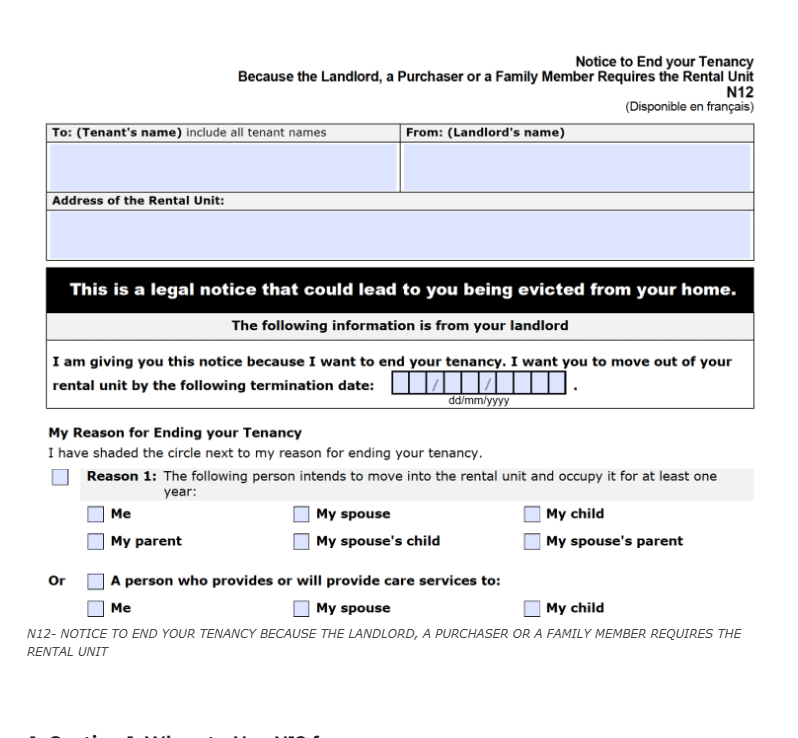
An examination of this risk should occur before the deal becomes firm.
When the party cannot deliver vacant possession.
If the Agreement of Purchase and Sale requires vacant possession and the tenant has not vacated by the closing day, the issue becomes contractual.
The seller must deliver the property as agreed. If they cannot provide vacant possession, they may be in breach of contract.
Several outcomes are probable.
The buyer may refuse to close. Legal advice should guide that decision, as it can lead to litigation and disputes over the deposit.
The parties may negotiate an extension of the closing date while the seller seeks an order from the Landlord and Tenant Board.
The buyer may close with a financial holdback to protect against temporary accommodation costs, legal expenses, or delays.
If the buyer planned to move in immediately, the consequences could be significant. The movers could be booked to coincide with the buyer’s former house’s closing. Bridge financing may be in place. Short-term housing costs can arise quickly. Those losses may become part of a damages claim against the seller.
It is also possible that the buyer closes and inherits the tenancy. In that case, the buyer becomes the landlord and must continue the eviction process through the Landlord and Tenant Board.
None of these outcomes are simple. It’s crucial to address vacant possession in a tenanted property at the outset and have a real estate lawyer review it before the agreement is firm.
What can go wrong on closing day?
Most transactions close smoothly. Some encounter delays.
Mortgage funding may arrive later than expected. Lenders sometimes request last-minute documentation. Delays are possible with electronic registration, and wire transfers may be subject to review.
Because closing depends on the successful completion of several coordinated steps, even a single delay can affect the timing of the key release.
Planning for flexibility reduces stress.
Buyers should review guidance from the CMHC closing and moving checklist before finalizing their plans.
Moving day logistics in Kingston and the surrounding area
Spring and summer are busy seasons for Kingston, Gananoque, Amherstview, and surrounding communities.
Movers book out early. Condo buildings often require elevator reservations. Rural properties may involve well and septic documentation that needs to be transferred properly.
Because possession follows registration and confirmation of funds, buyers should expect access later in the afternoon rather than first thing in the morning.
Build time into your plans. Avoid assuming early morning access unless specifically arranged.
Preparation makes moving day manageable.

Frequently Asked Questions
What time does possession usually occur in Ontario?
There is no guaranteed possession time written into most agreements. Someone completes the closing once they transfer funds, register documents, and the system confirms the deal. Because there are many transactions happening each day, this process often takes time. Lawyers usually grant access later in the afternoon after they confirm the closure of everything.
What is the Statement of Adjustments?
The lawyers prepared the Statement of Adjustments, which outlines the final balance between the buyer and seller. It accounts for items such as property taxes, condo fees, utilities, and any prepaid expenses, so each party pays their share up to the closing date. This document determines the exact amount the buyer must provide to complete the transaction.
Can a closing be delayed on the day itself?
Yes, delays can happen even when everything appears ready. Late mortgage funding, last-minute lender conditions, or delays in registration can all affect timing. Most of these issues resolve the same day, but they can push possession into the late afternoon or early evening.
What happens if the property is not in the same condition during the final walkthrough?
The agreement expects the property to remain in substantially the same condition as when signed, accounting for normal wear and tear. Lawyers might negotiate a holdback or financial change before releasing funds if they discover additional issues or if the parties have not addressed agreed items. This is one reason final walkthroughs are important.
Can a buyer’s mortgage fall through at the last minute?
It is rare, but it can happen. Lenders often re-verify employment, credit, or financial status shortly before funding. Significant changes, such as new debt or job loss, can delay or prevent funding. Buyers should avoid major financial changes between approval and closing.
What happens if a tenant refuses to leave before closing?
If the agreement requires vacant possession and the tenant has not vacated, the seller may be in breach of the agreement. In that situation, the parties may delay the closing while they address the issue, or they may negotiate a solution, such as a holdback or revised terms.
Sometimes, the buyer may choose not to proceed with the transaction. That decision depends on the wording of the agreement and legal advice. Handle situations involving tenants carefully well before closing to avoid last-minute complications.
Can a seller stay in the home after closing?
Only if there is a written agreement in place before closing. Often, a short-term occupancy or rent-back agreement facilitates this. Without that, the contract requires the property to be vacant on closing, and possession transfers to the buyer once the transaction is complete.
Don’t Miss These Guides
Closing day does not stand on its own. Timing, financing, inspections, and preparation all come together in the final stage of a transaction.
These guides will help you understand how those pieces connect before you get there.
Buy First or Sell First? Kingston Home Strategy.
Timing decisions earlier in the process often determine how smooth closing day will be. This looks at risk, bridge financing, and how to manage overlapping transactions.
Difference Between a Home Appraisal and a Current Market Assessment
Lender appraisals play a key role in mortgage funding. A gap between appraised value and purchase price can create challenges that surface just before closing.
First Home Purchase: Kingston Area
A full overview of closing costs, legal preparation, and what first-time buyers should expect leading up to closing day.
Relocating to Kingston and Area 2026
Moving from outside the area adds another layer of coordination. This guide looks at timing, logistics, and how to manage possession when distance is involved.