



Home sale negotiations after inspections are a common part of many real estate transactions. While buyers and sellers often focus on the accepted offer, important discussions frequently occur during the conditional period after inspections and other investigations are complete.
A home inspection may identify roofing concerns, moisture issues, electrical deficiencies, or mechanical systems nearing the end of their useful life. On rural and waterfront properties, buyers may also conduct septic inspections, water quality testing, well flow testing, WETT inspections, or get reports from engineers and other specialists. Any of these findings can affect a buyer’s decision to proceed with the purchase.
The purpose of inspections is not to create a perfect home or provide a lengthy repair checklist. Rather, inspections help buyers better understand a property’s condition and identify significant concerns that may affect safety, future maintenance costs, financing, insurance, or long-term ownership.
Discovering new information may require buyers and sellers to negotiate repairs, credits, price reductions, holdbacks, or other solutions before the transaction becomes firm. Sometimes the parties agree quickly. In others, the findings may be serious enough that the buyer decides not to proceed with the purchase.
Understanding how home sale negotiations after inspections typically work can help both buyers and sellers make informed decisions, avoid unnecessary conflict, and focus on the issues that matter most.
The conditional period of home sale negotiations
The conditional period allows buyers to gather information about a property before their purchase becomes firm. Depending on the terms of the offer, this may include a home inspection, septic inspection, water quality testing, well flow testing, WETT inspection, financing approval, or other investigations.
The purpose of these conditions is not to find reasons to cancel a transaction. Rather, they allow buyers to confirm that the property meets their expectations and that there are no significant concerns that were not apparent during a viewing.
Often, inspections reveal minor maintenance issues, such as a loose handrail or worn weatherstripping, that rarely affect ownership but can influence negotiations. Recognizing these helps buyers and sellers set realistic expectations during discussions.
Occasionally, an inspection uncovers a significant concern, prompting repairs, price adjustments, or other solutions. Replacement or major repairs could become necessary for a septic system. A well may produce less water than expected. Issues identified during a WETT inspection may affect insurance coverage. Investigating structural problems, ongoing water leaks, or safety concerns might be necessary. The aim is to encourage collaboration between buyers and sellers for a mutually agreeable result.
Discovering key information during the conditional period enables buyers and sellers to make informed decisions. Whether negotiating repairs, adjusting prices, or ending the deal, understanding inspection results guides these choices effectively.
Understanding that inspections should identify material concerns rather than create a repair checklist helps both buyers and sellers approach negotiations with realistic expectations.
Not every inspection finding requires negotiation.
One of the most common misconceptions among buyers is that every issue identified during an inspection should become a point of negotiation. In reality, almost every resale property will have deficiencies, maintenance items, or components that show signs of age and wear.
A home inspection report may contain dozens of observations, but understanding which findings affect the property’s value, usability, or long-term costs helps buyers prioritize and avoid unnecessary concern.
Many inspection reports also help buyers understand the relative importance of different findings. Some issues may require immediate attention because they involve safety concerns, active water penetration, electrical hazards, or failed components. Buyers can address other items, such as maintenance recommendations, at a later date or during renovations.
For example, an inspector may recommend repairing a roof leak immediately while also noting that a kitchen or bathroom could benefit from an update during a future renovation. Both observations may appear in the same report, but they do not carry the same urgency or financial impact.
Buyers should take the time to understand which findings represent significant concerns and which are simply part of the ongoing maintenance that comes with homeownership. Focusing negotiations on the most important issues often leads to better outcomes and helps keep discussions productive.
Minor issues such as loose door hardware, worn caulking, missing screens, small cracks in the drywall, dripping faucets, a dated kitchen, or aging fixtures are common in many homes. While buyers should know these items, requesting a lengthy list of minor repairs can create unnecessary friction and distract from more important concerns.
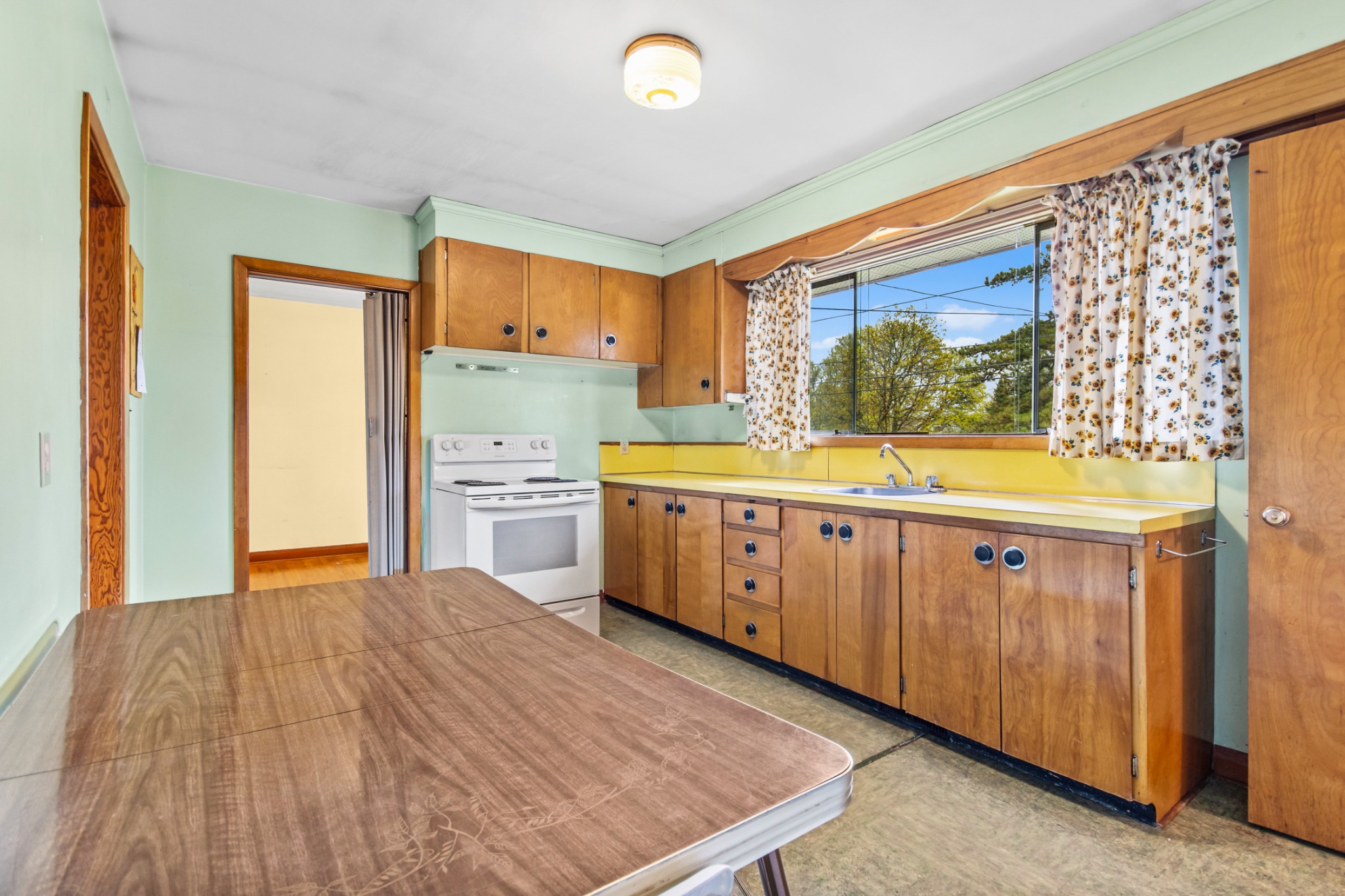
Successful negotiations usually target major issues affecting safety, financing, or future expenses. Emphasize that concerns like active water intrusion or structural problems are more relevant than minor cosmetic repairs, guiding both parties to focus on what matters most.
Not all issues discussed are urgent; some reveal future risks, such as aging septic systems or low-yield wells, that can influence negotiations during the conditional period because of potential future costs.
Sellers should also understand that buyers base their decisions on information that emerges during the inspection after they submit an offer. When a significant issue arises, sellers should discuss potential solutions rather than assume the next buyer will overlook the same concern.
The goal of inspections is not to turn a resale property into a brand-new home. Instead, inspections help buyers understand the property’s condition and identify issues that may warrant further discussion before the transaction becomes firm.
Common Triggers for Home Sale Negotiations
Most sale negotiations after inspections focus on significant concerns rather than routine maintenance items. Buyers are usually less concerned about cosmetic imperfections than they are about issues that affect safety, functionality, insurance, financing, or future repair costs.
Home inspections often identify concerns involving roofing, electrical systems, plumbing, heating equipment, moisture intrusion, or structural components. While some of these findings may require monitoring or future maintenance, others can involve substantial repair costs and become legitimate subjects for negotiation.
For rural and waterfront properties, home sale negotiations after inspections may also address concerns identified in specialist reports and include additional conditions. Septic inspections, water quality testing, well flow testing, WETT inspections, and engineering evaluations can uncover issues that were not apparent during a viewing.
Some findings involve immediate repair requirements. Others may reveal a system that is still functioning but nearing the end of its useful life. An aging septic system, a low-producing well, an abandoned oil tank, or a roof with a limited remaining lifespan may all influence a buyer’s willingness to proceed without some form of a change to the offer.
The nature of the issue often determines the type of home sale negotiations that follow, such as repairs, credits, holdbacks, or price reductions, depending on the severity of the concern and the estimated cost of addressing it. Clearly outlining these options helps both parties understand potential negotiation paths.
Understanding which issues commonly lead to sale negotiations after inspections can help both parties feel more confident and focus on practical solutions, reducing uncertainty and avoiding disputes over less significant items.
Repair Requests
Repair requests are a common part of home sale negotiations after inspections, especially when buyers identify major safety or functionality issues during the conditional period.
Not every finding leads to a repair request. Buyers are more successful when they focus on important concerns involving safety, functionality, insurance, financing, or major future expenses rather than routine maintenance items and cosmetic imperfections.
Some repair requests are straightforward, like fixing electrical safety concerns or plumbing leaks, while others may be complex and need further investigation before solutions are clear.

Buyers should avoid assuming that sellers will agree to every repair request. The property may already reflect its condition through the asking price, or the seller may have a different opinion regarding the significance of the issue. Successful negotiations often focus on finding a practical solution rather than creating a lengthy list of demands.
After agreeing on repairs, both parties should clearly understand the scope, the person responsible, and the expected finish date. Providing invoices, permits, warranties, or other documentation helps ensure transparency, making both buyers and sellers feel confident in the process and its fairness.
Sometimes, repair requests are not the best solution. Buyers may prefer a credit, a price reduction, or a holdback to manage repairs after taking possession. The most appropriate approach often depends on the issue, the timing of the transaction, and the parties’ willingness to agree.
Price Adjustments and Closing Cost Credits
Repair requests are not the only means of resolving concerns discovered during the conditional period. Buyers and sellers frequently find it simpler to negotiate a credit or price reduction than to arrange repairs before closing, ensuring both parties feel their preferences are considered.
Instead of completing repairs before closing, buyers and sellers may agree to a price adjustment or closing cost credit that accounts for the estimated expenses of fixing the issue after possession.
Consider price adjustments and closing cost credits when the required work is extensive, when repairs cannot be finished before the closing date, or when buyers prefer to manage the work themselves after taking possession. This approach allows buyers to feel more in control, choosing their own contractors, determining the scope of the work, and overseeing repairs according to their standards and timeline.
Home sale negotiations after inspections frequently involve issues that are difficult to address before closing. An aging septic system, a low-producing well, an abandoned oil tank, or a roof nearing the end of its useful life may not require immediate replacement. Still, the associated costs can affect the property’s value and the buyer’s willingness to proceed.
Sometimes, buyers get estimates from qualified contractors to help support their request. These estimates can provide a more objective basis for negotiations and help both parties understand the potential cost of addressing the concern.
A seller is not obligated to agree to a credit or price reduction, just as a buyer is not required to accept the property on the original terms. Successful negotiations often involve balancing the severity of the issue, the estimated cost of repairs, current market conditions, and the willingness of both parties to find common ground.
When significant concerns arise during the conditional period, credits and price reductions are effective tools for maintaining the transaction. Both buyers and sellers should understand how documentation and reflection of any adjustments in the final agreement will occur, ensuring transparency and fairness throughout the process.
When sellers refuse repair requests
Not every repair request, price adjustment, or closing cost credit results in an agreement. Sellers are free to accept, reject, or counter a buyer’s request during the conditional period.
There are many reasons a seller may refuse to negotiate further. Recognizing that the seller might believe they have already priced the property appropriately or have received other interest can help buyers and agents approach negotiations with understanding and patience.
Disagreements often arise when buyers and sellers differ in their views on the significance of a concern. A buyer may view an aging roof, an older septic system, a low-producing well, or a heating system nearing the end of its useful life as a significant future expense. A seller may see the same item as something that continues to function adequately and has not caused problems during their ownership.
When negotiations reach an impasse, buyers must decide whether they are comfortable proceeding with the purchase as it stands. Some concerns may be manageable through future maintenance and budgeting. Others may involve risks or costs that exceed the buyer’s comfort level.
The existence of a problem does not automatically mean a seller must provide compensation, nor does a seller’s refusal automatically mean the buyer should walk away. The decision often depends on the issue, the buyer’s plans for the property, current market conditions, and the availability of alternative properties.
Successful home sale negotiations after inspections often involve realistic expectations from both parties. Buyers should focus on significant concerns, while sellers should recognize that serious deficiencies identified during the conditional period may affect a property’s value, marketability, or insurability.
Holdbacks and Delayed Repairs
A holdback offers buyers and sellers a strategic method to manage repairs they cannot complete before closing, ensuring the transaction proceeds while protecting both parties’ interests.
People commonly use holdbacks when weather, seasonal conditions, or contractor availability prevent the work from being completed before closing. Exterior painting, asphalt paving, concrete work, grading, landscaping, and roofing projects may all need to wait until suitable weather returns.
You may also find holdbacks appropriate if you cannot fully evaluate a feature’s condition during the conditional period. For example, you cannot properly inspect a swimming pool that is winterized and covered until you open it in the spring. Instead of delaying the sale, buyers and sellers may negotiate a holdback until they can inspect the pool and address any agreed-upon issues.
The amount of the holdback is often greater than the estimated repair cost to encourage timely completion of the work and to provide protection should additional expenses arise.
To help buyers and sellers feel prepared and in control, document in writing the amount of the holdback, the conditions for releasing the funds, and the deadlines for completing the work. The agreement must detail the exact work to be completed, specify who covers costs, outline verification methods for completion, and state the consequences of failing to complete repairs within the agreed timeframe.
Since holdbacks entail legal and financial obligations, buyers and sellers ought to seek help from their real estate professionals and lawyers to ensure the agreement is clear. A well-written holdback can protect both parties while allowing the transaction to proceed without unnecessary delays.
Buying a Property “As Is”
Sellers sometimes sell properties “as is,” meaning they make no repairs before the sale, even when they discover problems afterwards.
“As is” sales are common with estate properties, power of sale properties, investment properties, and homes where the seller has limited knowledge of the property’s condition. In other cases, a seller may decide they are unwilling or unable to complete repairs before closing.
Buying a property “as is” does not prevent a buyer from conducting inspections unless the Agreement of Purchase and Sale states otherwise. Home inspections, septic inspections, water quality testing, well flow testing, WETT inspections, and other evaluations remain valuable tools for understanding the property’s condition before deciding whether to proceed with the purchase.
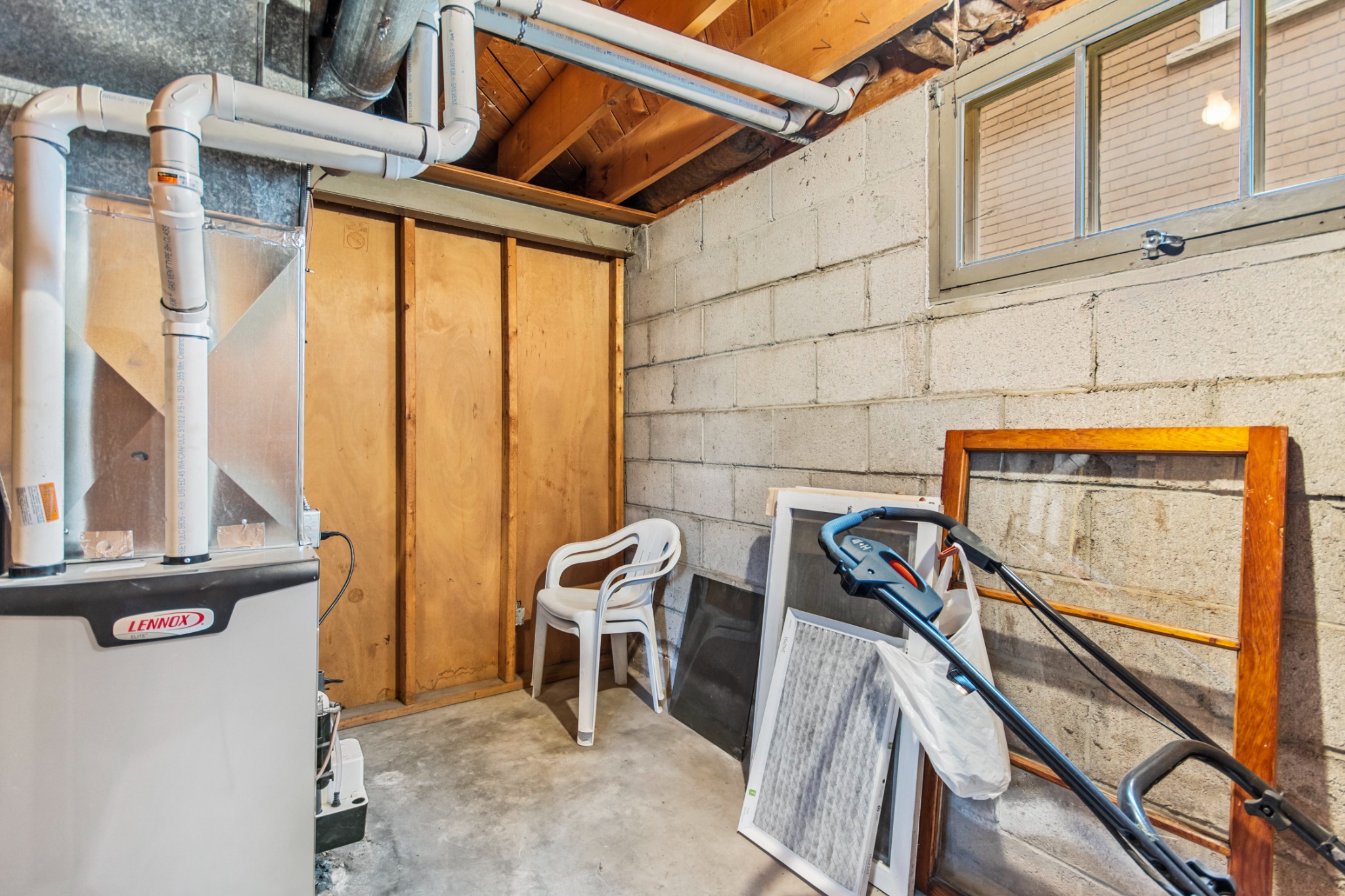
An “as is” sale also does not prevent negotiations. If inspections uncover significant concerns, buyers may still ask for a price adjustment, a closing cost credit, or other accommodations. The seller, however, is under no obligation to agree, and buyers should be prepared for the possibility that the original terms will remain unchanged.
For buyers, purchasing a property “as is” often means accepting greater responsibility for future repairs and maintenance. Before removing conditions, it is crucial to understand the property’s current condition, estimate the cost of any necessary work, and consider the long-term implications of those repairs. This understanding ensures that repair costs still fit within your budget and align with your long-term plans, reducing unexpected financial burdens after purchase.
Many “as is” properties can represent excellent opportunities, particularly for buyers who are prepared to complete renovations or improvements. The key is for buyers to make an informed decision based on professional inspections, realistic repair estimates, and a clear understanding of the risks involved, rather than assuming they can negotiate every issue after an inspection.
Advice for Buyers
Successful home sale negotiations begin long before an inspection takes place. Buyers should understand that the purpose of inspections is to identify significant concerns, not to create a list of every minor repair or maintenance item in the home.
When reviewing inspection reports, focus on issues that affect safety, structural integrity, insurance, financing, or major future expenses. Get estimates from qualified professionals, particularly for significant items such as septic systems, wells, roofing, heating systems, or foundation concerns. Reliable information often leads to more productive home sale negotiations than assumptions or rough estimates.
Keep repair requests reasonable and prioritize the issues that matter most. A lengthy list of cosmetic concerns or routine maintenance items may create unnecessary tension and reduce the likelihood of agreeing on more important deficiencies.
It is also important to consider the property’s age, location, and asking price. You should not expect an older rural farmhouse, waterfront cottage, or century home to have the same condition or features as a newly built home. You should evaluate every property within the context of its age, construction, and value.
Finally, remember sales negotiations involve compromise. Sometimes the best outcome is a completed repair. Other times, a price adjustment, closing cost credit, or holdback may provide a better solution. In some situations, walking away from the transaction is the right decision. The goal of home sale negotiations is not to “win,” but to ensure you fully understand the property you are purchasing and are comfortable moving forward with the investment.
Advice for Sellers
Home sale negotiations can be one of the most challenging parts of selling a property. Receiving an inspection report that identifies deficiencies does not mean the sale is in jeopardy, nor does it mean every item requires repair before closing.
Take the time to review each request carefully and distinguish between routine maintenance items and significant concerns. Buyers are more likely to request repairs, price adjustments, or closing cost credits when issues involve safety, structural integrity, insurance, financing, or expensive building systems rather than cosmetic imperfections.
Keep an open mind when reviewing inspection findings and reports from other qualified professionals. A home inspector, septic contractor, WETT inspector, engineer, or well specialist may identify previously unknown concerns. Addressing legitimate issues through reasonable home-sale negotiations may be more beneficial than putting the property back on the market, where another buyer could discover the same concerns.
If you agree to complete repairs, make sure qualified contractors carry the work out where appropriate and keep invoices, warranties, permits, or other documentation. Providing evidence that qualified contractors completed the repairs properly can help avoid delays before closing and give the buyer confidence.
Every transaction is different, and there is rarely a single solution that works for every situation. Some buyers prefer repairs, while others would rather negotiate a price adjustment or closing cost credit and complete the work after taking possession. Remaining flexible and focusing on practical solutions often gives both parties the best opportunity to reach a successful agreement and complete the sale.
Frequently Asked Questions
Should I focus on negotiating only major issues identified during an inspection to help prioritize concerns that impact safety, structure, or costs? Not necessarily. Home sale negotiations should focus on significant concerns that affect safety, structural integrity, financing, insurance, or major future repair costs. If you have found the right property and the inspection identifies only routine maintenance items or minor deficiencies, requesting every small repair could place an unnecessary strain on an otherwise strong transaction. Work together with your REALTOR® to determine which issues deserve negotiation and which you can reasonably address after taking possession.
What issues usually lead to home sale negotiations?
The most common reasons include structural concerns, roofing problems, active plumbing leaks, electrical safety issues, heating or cooling systems nearing the end of their useful life, moisture intrusion, and significant findings from septic inspections, well testing, WETT inspections, or other specialist reports.
Does a seller have to agree to repair requests?
No, sellers are not obligated to complete repairs or agree to a buyer’s requests. They may accept, reject, or counter a buyer’s proposal. Successful home sale negotiations depend on both parties reaching an agreement that they believe is fair.
Is a price adjustment better than having the seller complete repairs?
It depends on the circumstances. Some buyers prefer to hire their own contractors after taking possession, while others would rather have repairs completed before closing. The ideal answer typically depends on the issue, the due date, and the feasibility of fixing things before taking possession.
Should I buy a property that is being sold “as is”?
An “as is” property can be an excellent purchase, but only if you understand its condition and the potential cost of future repairs. Home inspections and other investigations remain important, even when the seller has stated they do not intend to make repairs. Before removing your conditions, make sure you understand the property’s strengths, weaknesses, and any significant repair costs so you can make an informed decision.
Can I walk away from a purchase after an inspection?
In most Ontario real estate transactions, a properly drafted inspection condition allows the buyer to decide whether the inspection results are satisfactory in their sole and absolute discretion, provided they act within the time period specified in the Agreement of Purchase and Sale. However, the better question is often whether walking away is the right decision. Before terminating a transaction, buyers should discuss the inspection findings with their REALTOR® and any appropriate specialists to fully understand the significance of the issues, the estimated repair costs, and whether home sale negotiations could provide a practical solution.
Don’t Miss These Guides
If you found this guide to home sale negotiations helpful, these related resources can help you make informed buying and selling decisions throughout your real estate journey.
Home Inspections: Proven Ways to Protect Your Ideal Kingston Home
Learn what a home inspection covers, what inspectors look for, and how to use the results to make informed decisions before removing your conditions.
Pre-Listing Home Inspection Benefits
Discover why some sellers choose to complete a home inspection before listing their property and how it can reduce surprises during negotiations.
Working with a Kingston REALTOR® | Why It Still Matters
Buying or selling a home involves far more than simply finding a property or accepting an offer. Learn how professional advice can help you navigate inspections, negotiations, conditions, and closing with confidence.
Kingston and Area Home Buyers Guidebook
A comprehensive guide covering every stage of the buying process, from mortgage pre-approval and house hunting to inspections, negotiations, and moving day.
A Kingston Area Guide to Wells and Septic Systems
Many rural and waterfront properties rely on private wells and septic systems. This guide explains inspections, maintenance, common concerns, and what buyers should understand before purchasing.
Further Information
The following organizations provide additional information on home inspections, consumer protection, and real estate transactions in Ontario and across Canada.
- Real Estate Council of Ontario (RECO) – Home Inspections
- Canadian Association of Home & Property Inspectors (CAHPI)
- Government of Canada – Home Inspections