

For many buyers, one of the biggest differences between country living and life in town is learning how septic systems and rural wells work. Homes connected to municipal water and sewer services hide most of the infrastructure behind the scenes. Rural and some small-town properties differ in that homeowners handle their own water supply and wastewater treatment.
Fortunately, these systems are less intimidating than many first-time rural buyers expect. With regular maintenance and understanding, rural wells and septic systems can reliably serve your home for decades.
Rural properties throughout Kingston and its surrounding area attract many buyers because of larger lots, greater privacy, quieter surroundings, waterfront access, hobby farms, and the freedom that comes with country living. Whether you are considering a farmhouse in Stone Mills, a waterfront property in Central Frontenac, or a rural home in South Frontenac, understanding rural wells and septic systems-including potential installation, upgrade costs, and local regulations-is an important part of making an informed purchase.
This guide explains the rural wells commonly found throughout Kingston and the surrounding area, the equipment that supports them, how septic systems work, what maintenance to expect, and some long-term planning considerations buyers should understand before purchasing a rural property.
Wells and Rural Water Systems
Most rural homes rely on a private well as their primary water source. The type of well found on a property often reflects the age of the home, local geology, groundwater availability, and historical construction practices.
Drilled wells
Drilled wells are the most common water source found on rural properties throughout Kingston and the surrounding area. Modern drilling equipment bores deep into bedrock, often reaching groundwater hundreds of feet below the surface. Because they draw from deeper aquifers, drilled wells are usually less affected by short-term weather, seasonal fluctuations, and surface contamination than shallower water sources.
Many buyers prefer drilled wells because they often provide a dependable year-round water supply and require less day-to-day attention than dug wells, shore wells, or lake intake systems. The depth of a well is only one part of the picture. Water quality, production rates, recovery time, and the condition of the associated equipment all contribute to how well the system performs.
Most drilled wells include a submersible pump located deep within the well, a pressure tank inside the home, and often some form of water treatment equipment. Together, these components work to provide a steady supply of water throughout the property.
Dug wells
Dug wells are common on older farmhouses, cottages, and century homes, but people may even find them on homes built in the last 20 years. These wells draw water from groundwater closer to the surface and are typically much shallower than drilled wells.
Because they rely on the water table, dug wells are more vulnerable to drought conditions, heavy rainfall, and seasonal changes. Water quality can also change more quickly than in a deep drilled well. While many dug wells provide excellent service, buyers should pay particular attention to water testing and seasonal water availability.
Bored and vertical wells
Bored wells exist in parts of Ontario and fall somewhere between dug and drilled wells in both depth and construction. However, they are relatively uncommon throughout much of Kingston and the surrounding area. In well over a decade of selling rural properties, I have encountered very few bored wells compared to the number of drilled and dug wells.
If a property has a bored well, buyers should pay close attention to water quality, yield, seasonal performance, and maintenance history, just as they would with any private water source.
As with dug wells, buyers should consider water quality, flow rate, and seasonal performance in their evaluation. Both dug and bored wells are shallow well water systems with a water source or water table (aquifer) near the surface, usually less than 50 feet deep and can become contaminated by groundwater. In dry summers, they can also be susceptible to water shortages.
Shore wells
Shore wells draw water from groundwater that has naturally filtered through shoreline soils, sand, gravel, and lakebed materials before entering the well. People still find them on some waterfront properties throughout the 1000 Islands, some inland lakes, and parts of the Rideau system.
When properly constructed and maintained, shore wells can provide an excellent water supply. However, because nearby surface water influences them, they are more susceptible to changing conditions than deep drilled wells. Heavy rainfall, spring runoff, storms, sediment movement, fluctuating lake levels, and even zebra mussels can affect water quality or system performance.
Most homes using shore wells rely on multiple layers of treatment, including sediment filtration and UV sterilization, to ensure safe drinking water. Regular water testing is important because water conditions can change more quickly than they do in a deep bedrock well.
Buyers considering a waterfront property with a shore well should understand both the water source and the treatment equipment that supports it, as both are essential parts of the system.
Lake intake systems
Some waterfront homes draw water directly from the lake through an intake line rather than from a well. These systems are most common on seasonal cottages, although some year-round homes use them as well.
A lake intake can provide an abundant water supply, but proper treatment is essential because untreated lake water is not safe to drink. Most systems rely on a combination of sediment filtration, UV sterilisation, and sometimes reverse osmosis treatment to produce safe drinking water.
The intake line itself requires periodic maintenance, cleaning, and occasional replacement. Aquatic vegetation, sediment, fluctuating water levels, ice movement, and zebra mussels can all affect performance.
Many seasonal properties simply drain the system for winter. Year-round use is conceivable, but it often requires insulated or heated water lines installed below the frost line, which can add significantly to installation and maintenance costs.
Buyers considering a waterfront property with a lake intake system should understand both the treatment equipment and the condition of the intake line itself, as both are important components of the overall water system.
Cisterns and Water Storage Systems
Many people associate cisterns with island properties or homes with limited groundwater availability, but they are more common throughout Kingston and the area than many buyers realise.
A cistern is simply a storage tank designed to hold water for future use. Some properties rely on cisterns as a primary water source supplied by water delivery services, while others use them as supplemental storage alongside a private well.
Many rural homeowners also collect rainwater in cisterns for irrigation, gardens, greenhouses, livestock, landscaping, and vegetable plots. During dry summers, these systems can significantly reduce demand on the property’s well while helping maintain gardens and outdoor plantings.
Whether used for household water, reserve storage, or irrigation, cisterns can be a valuable part of a rural property’s overall water management strategy.
For more information on wells and equipment requirements, please see this page from the Ontario Government
Low-Yield Wells and Drip Systems
Not all wells produce water at the same rate. Some rural wells provide excellent water quality but recover slowly after periods of heavy use.
In these situations, homeowners may use storage systems, cisterns, or drip systems to stabilise water availability during dry periods. Understanding both water quality and water quantity is important when evaluating a rural property.
Well Casings and Well Caps
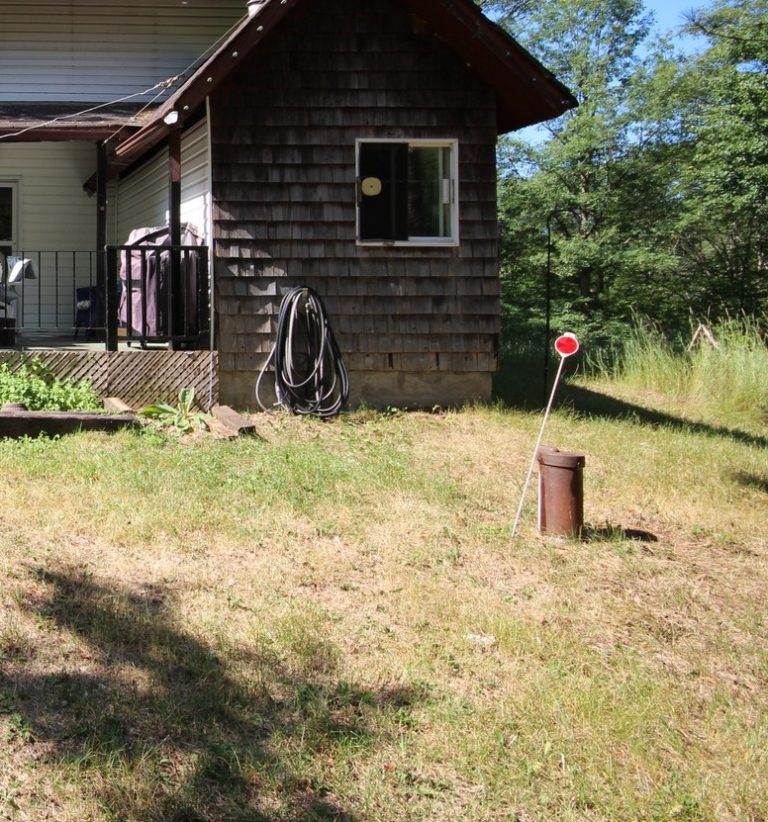
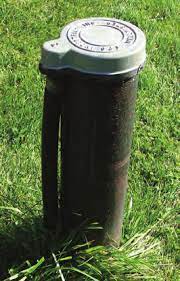
A drilled well is more than just a hole in the ground. Every drilled well includes a casing, typically made of steel, that supports the well shaft and helps prevent soil, surface water, and contaminants from entering the water supply. In Ontario, the casing should extend above the surrounding grade so that rainwater and snowmelt cannot easily flow into the well.
At the top of the casing is a well cap that seals the opening and prevents insects, small animals, debris, and surface contaminants from entering the system. You should repair a damaged or poorly fitted cap promptly, as it can cause water quality issues. Buyers should note the condition of both the casing and cap during a viewing or inspection, as these components play an important role in protecting the well and maintaining water quality.
Water Treatment Systems and Water Quality
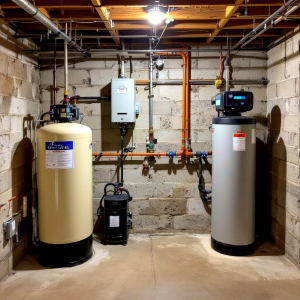
Filtration equipment is essential in many rural homes. Every rural well has a unique water profile, determined by its depth and the geology it draws from. Minerals are common and pose no health risk, but homeowners must control them to protect fixtures, appliances, and water quality.
Hard water is extremely common throughout Kingston and the surrounding area. Dissolved calcium and magnesium can build up inside water heaters, dishwashers, washing machines, coffee makers, and plumbing fixtures.
Hard water is safe to drink, but it can shorten appliance lifespans and leave mineral deposits on fixtures. Water softeners remove these minerals and are among the most common pieces of equipment found in rural homes.
Iron and Manganese
Iron can create orange or brown staining on sinks, tubs, and laundry. Manganese often appears as darker grey or black staining.
Dedicated filtration systems commonly address these minerals that naturally occur throughout many parts of Eastern Ontario.
Sulphur
Sulphur produces the familiar rotten-egg smell many people associate with well water. Depending on the source, treatment may involve aeration, carbon filtration, or specialised oxidising systems.
Sediment Filters
Sediment filters are especially common on dug wells, shore wells, lake intake systems, and other surface-influenced water sources. These filters remove small particles before they reach plumbing fixtures or other treatment equipment.
Replacing sediment filters is typically inexpensive and forms part of routine maintenance.
UV Sterilisers
A UV steriliser is one of the most important pieces of equipment found in many rural water systems. It uses ultraviolet light to disinfect water and neutralise bacteria, viruses, and other microorganisms without adding chemicals. The lamp sits inside a stainless steel chamber and treats the water as it passes through. When properly sized and maintained, a UV system provides continuous protection and helps ensure safe drinking water throughout the home.
UV treatment is especially important for shore wells, dug wells, lake intake systems, and other water sources influenced by surface water. Conditions can change quickly after storms, spring runoff, or periods of heavy rainfall. A UV unit provides an additional layer of protection against bacteria that may appear after these events.
Most systems require an annual bulb replacement and periodic cleaning of the quartz sleeve that surrounds the lamp. If the sleeve becomes coated with mineral deposits, the UV light becomes less effective. For this reason, many homeowners pair UV treatment with sediment or carbon filtration to help keep the system operating properly.
Even homes with good water test results often maintain UV sterilisation year-round. It provides peace of mind during seasonal changes, plumbing repairs, and unexpected water quality issues. Many rural homeowners consider a UV unit just as important as the pressure tank or water softener.

Reverse osmosis systems
Most people associate reverse osmosis with small under-sink drinking water units, but whole-home systems exist as well. These systems are more expensive and require professional installation, but they can produce exceptionally clean water throughout the home.
Whole-home reverse osmosis systems can help when well water contains unusual mineral combinations, elevated sodium levels, or other water quality challenges that conventional treatment methods alone can’t address.
Most rural homeowners only need reverse osmosis at a single drinking-water tap, but some properties benefit from more comprehensive treatment. A wide range of equipment is available locally through home improvement retailers and specialised water treatment companies such as Home Depot, Rona, Canadian Tire, or other suppliers, or, for a professional opinion, past clients have had excellent results with Professional Pumps & Water Treatment and Jeff Byron Pumps and Water Treatment.
How Water Quality Affects Daily Life
Even when water is perfectly safe to drink, minerals can affect everyday living. Hard water leaves residue on glass and fixtures. Iron and manganese create stubborn stains. Sulphur can create unpleasant odours.
Many rural homeowners quickly discover that understanding their water treatment equipment becomes just as important as understanding their furnace, electrical panel, or septic system.
Water Testing, Drought Conditions, and Seasonal Considerations
Water testing is one of the simplest and most important responsibilities of rural homeownership.
Many homeowners test their water annually, but twice-yearly testing often provides a more complete picture. Spring testing helps identify changes caused by snowmelt and runoff, while late summer testing evaluates water quality during the driest period of the year.
Properties with dug wells, shore wells, lake intake systems, or other surface-influenced water sources may benefit from more frequent testing. Homes near active farmland may also warrant additional monitoring. Seasonal runoff, drainage patterns, livestock activity, and groundwater conditions can influence shallow groundwater systems.
Recent dry summers have highlighted another important consideration: water availability.
During portions of 2024 and 2025, some dug wells and shallow groundwater systems experienced reduced production or temporary shortages. While many drilled wells continued to perform well, the experience reminded homeowners that water quantity matters just as much as water quality.
Some rural homeowners monitor well levels during late summer and early fall to better understand seasonal fluctuations. Others maintain cisterns or reserve storage systems as a backup supply. Water delivery companies can also provide temporary help when necessary.
When evaluating a rural property, buyers should ask not only about water quality but also about well depth, yield, recovery rates, and any history of seasonal shortages.
The Pressure Tank: Essential to Rural Wells
Many buyers focus on the well itself and overlook the pressure tank.
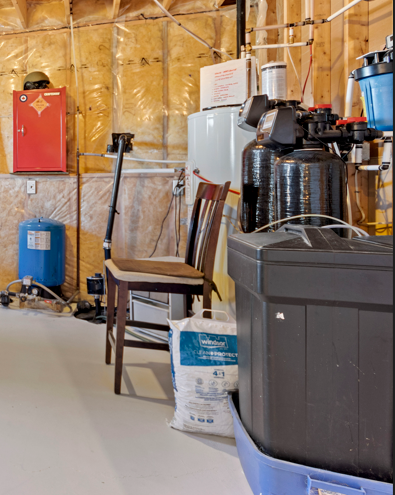
The pressure tank stores water under pressure and helps deliver a consistent flow throughout the home. Without it, the well pump would cycle constantly, significantly reducing its lifespan.
The pressure tank is another important part of a private well system, helping maintain consistent household water pressure while reducing how frequently the well pump needs to cycle. Homeowners who want to learn more about pressure tanks can also read Cleanflow Water Technologies’ guide comparing fibreglass and steel pressure tanks, including how water chemistry and installation conditions can affect the choice.
Homeowners often notice problems with a pressure tank when their water pressure fluctuates, the flow is jumpy, or the pump keeps cycling on and off. Many people mistakenly assume the well is running dry when the real problem is a failing pressure tank.
Pressure tanks typically last 10 to 15 years, although you can service or re-pressurise some before needing to replace them. Inspectors should always evaluate the pressure tank’s condition as part of a rural home inspection.
What makes water quality different on each property?
The type of well is only part of the story. Water quality throughout Kingston and the area varies considerably depending on local geology, groundwater conditions, well depth, and nearby land uses. Hard water is common across much of the region, while sulphur odours, iron staining, manganese deposits, and elevated sodium levels can occur in both drilled and shallow groundwater systems. These naturally occurring minerals rarely prevent a well from providing good water, but they often influence the type of treatment equipment installed in the home.
For this reason, two properties located only a few kilometres apart can have very different water characteristics. Understanding the well is important, but understanding the water it produces is equally important.
Rural Well Maintenance and Long-Term Costs
One of the most common misconceptions among urban buyers is that private well water is free.
While there is no monthly municipal water bill, homeowners maintain the equipment that supplies clean water to their homes.
Well pumps eventually require replacement. Pressure tanks wear out. UV bulbs need annual replacement. Sediment filters, water softeners, and other treatment equipment all require periodic maintenance.
These expenses are manageable and predictable, yet a homeowner must include them in their long-term maintenance budget. Understanding the age and condition of the water system equipment can provide valuable insight into future ownership costs.
Understanding Septic Systems
A septic system performs the same function as a municipal sewer connection, but it does so entirely on the property.
Most rural homes in the Kingston area rely on a septic tank and leaching bed system. With proper design, maintenance, and use, these systems are reliable for decades.
How a standard septic system works
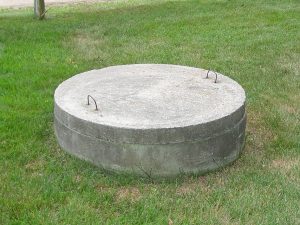
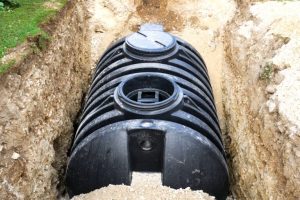
Wastewater leaves the home and enters the septic tank. Manufacturers typically make modern septic tanks from concrete, fibreglass, or high-density plastic. Concrete tanks are the most common throughout Kingston and the area, particularly on older rural properties, and can last for many decades when properly maintained. Fibreglass and plastic tanks are common in newer installations and perform well when installed correctly. You can occasionally still find older steel tanks on properties, but many have reached the end of their useful life and may require replacement. Inside the tank, heavy solids settle to the bottom while grease and lighter materials float to the top.
Baffles inside the tank help prevent solids from entering the next stage of the system; stopping solids is important because allowing them to reach the leaching bed can significantly shorten its lifespan.
After initial separation inside the tank, wastewater flows through a distribution box. The distribution box spreads the flow evenly across the leaching bed, helping to ensure the entire system operates efficiently.
The leaching bed is where most of the treatment occurs. Wastewater moves through perforated pipes and surrounding soils, where natural biological processes complete the treatment cycle before the water returns to the environment.
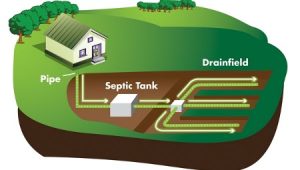
The soil beneath the leaching bed is an important part of the treatment process. As wastewater slowly moves through the soil, naturally occurring microorganisms help break down contaminants while the soil filters and treats the remaining effluent. By the time the water continues downward into the groundwater system, much of the treatment has already occurred. Therefore, soil conditions play such an important role in septic system design and why overloaded or poorly maintained systems can create environmental and health concerns.
Maintaining Your Septic System
Like any major component of a home, septic systems require periodic maintenance.
Regular pumping helps prevent excessive sludge accumulation inside the tank. Water conservation also plays an important role in extending the system’s lifespan. Large families, frequent laundry use, older plumbing fixtures, leaking toilets, and excessive water consumption can place additional strain on the septic tank and leaching bed. Seasonal properties occupied by only one or two people often experience much less wear and may see longer system life.
Homeowners can significantly influence the long-term health of a septic system by promptly repairing leaks, spreading out heavy water use when possible, and avoiding practices that overload the bed. Flushing wipes, grease, sanitary products, paints, cat litter, and other inappropriate materials can interfere with the treatment process and shorten the system’s lifespan.
Engineered systems and alternative solutions
Not every rural property has enough usable land for a traditional septic tank and leaching bed. North of Kingston, I have been at properties where the terrain, exposed limestone, heavy clay soil, limited yard space, high water tables, or waterfront setback requirements made a conventional septic system difficult or impossible.
In those situations, buyers may come across an advanced treatment unit, often called an ATU. These systems treat wastewater to a higher level before it reaches the final dispersal area. That can reduce the amount of land needed compared with a standard septic bed.
One common example in Ontario is the Premier Tech EcoFlow Biofilter, but it is not the only option. Throughout Frontenac County and the Canadian Shield, people also use raised beds, shallow trench systems, and other engineered septic solutions.
The important point for buyers is not the brand name. Buyers understand that an advanced or engineered septic system may have different maintenance requirements, service contracts, inspection records, and future replacement costs than a conventional septic system.
Proper design, approval, installation, and maintenance allow these systems to perform very well. The concern for buyers is not that the system is unusual. The concern is whether the current owner has kept proper records, followed the required maintenance schedule, and budgeted for future servicing or media replacement.
During the inspection period, buyers should ask for the septic permit, design details, maintenance contract, recent service reports, pumping history, and any notes about upcoming repairs or replacement. A rural home with an advanced treatment unit or engineered septic system may be perfectly acceptable, but buyers should understand the obligations before closing day, not after.
Holding tanks
Some waterfront and riverside properties face unique challenges when septic systems reach the end of their lifespan.
In situations where modern setback requirements prevent installing a replacement leaching bed, a holding tank may be an option. A holding tank, unlike a conventional septic system, stores wastewater. It then allows pumping out and removal of the wastewater from the property.
Because there is no leaching bed, pumping frequency depends entirely on water usage. Households using holding tanks learn to manage water carefully to reduce the frequency of pumping.
Replacement costs and planning
A septic system is a long-term asset, but it will not last forever.
Concrete tanks often last forty years or more when properly maintained. Fibreglass and plastic tanks can also provide excellent service when correctly installed. The leaching bed is typically the component that determines the system’s overall lifespan.
Many leaching beds provide twenty-five to thirty-five years of reliable service, although soil conditions, maintenance practices, household size, and water usage all play important roles.
Buyers should also consider the system’s current condition.
Developers of many older rural and waterfront properties followed regulations that differ from today’s standards. When a system eventually requires replacement, the solution may involve much more than simply installing a new leaching bed.
Current setback requirements from shorelines, wells, property lines, and neighbouring properties can influence where replacement components may be located. Sometimes, the septic tank itself may need to be relocated farther from the shoreline or repositioned elsewhere on the property to comply with current regulations. Replacing and/or moving can involve excavation, engineering, landscaping changes, new plumbing runs, pump chambers, and other modifications that were never part of the original installation.
A professional septic inspection remains the best way to understand a system’s age, condition, and expected lifespan. Inspectors evaluate the septic tank, examine baffles, assess the leaching bed’s condition, and review how the system distributes wastewater. They also inspect the distribution box, look for signs of leakage or previous repairs, and provide guidance based on local soil conditions, groundwater levels, and the overall performance of the system.
For buyers considering a rural property, a septic inspection can provide valuable insight into both current condition and potential future expenses, helping avoid surprises after closing.
What Urban Buyers Should Expect
Once you understand the equipment and routines involved, rural wells and septic systems become far less mysterious. They simply become part of normal homeownership. Rural homeowners test their water once or twice a year, pump their septic systems on an appropriate schedule, replace sediment and carbon filters as needed, and monitor the pressure tank to ensure the system delivers steady water throughout the home. After a short learning curve, these tasks blend into the same rhythm as checking a furnace filter, cleaning eavestrough, or maintaining a driveway.
Adapting to rural systems presents no major challenges. It is simply different from living on municipal services. The reward for learning these systems is substantial. Rural homes offer larger lots, quiet roads, wide-open skies, waterfront opportunities, and a level of privacy that can be difficult to find in town. Many homeowners also appreciate the independence that comes with managing their own water and wastewater systems.
With the right information and a clear understanding of how rural wells and septic systems work, buyers can move forward with confidence. Whether you are considering a home in Verona, Arden, Sharbot Lake, Elgin, Westport, Athens, or one of the many rural communities throughout Kingston and area, understanding these systems is an important part of successful rural ownership. When properly maintained, rural wells and septic systems can provide reliable service for decades while supporting the lifestyle that attracts so many people to the countryside.
Frequently Asked Questions
How often should I test water from rural wells?
Most rural homeowners in the Kingston area test their water at least once a year, but twice a year is a safer and more realistic schedule. Spring is critical because winter snowmelt and spring runoff can change water clarity and introduce bacteria into shallow wells. A second test in late summer or early fall helps confirm water quality during the driest part of the year, when levels drop and minerals can rise. Dug wells, bored wells, shore wells, and lake intake systems benefit from seasonal testing because conditions shift quickly with rainfall, drought, storms, and temperature changes. Drilled rural wells offer more stability; however, even these wells require regular checks to detect developing changes in minerals or bacteria.
Can rural wells run dry?
Yes, especially during an extended drought. In recent summers in the Kingston area, many dug wells and some bored wells ran low. Seasonal well-depth checks and access to water-delivery services, such as Clark’s or ClearWater, help manage shortages.
How long do septic systems last?
The tank, leaching bed, soil, and the system’s usage history determine a septic system’s lifespan. Most well-built systems in the Kingston area last significantly longer than twenty years. A properly maintained concrete tank can last forty years or more, while fibreglass and plastic tanks also perform well when installed correctly. The leaching bed is usually the limiting factor.
Traditional stone and pipe beds often last twenty-five to thirty-five years, but well-cared-for beds in good soil conditions can last longer. Chamber systems and raised beds perform well on properties with thin soil or Canadian Shield rock, provided they are not overloaded.EcoFlo and other bio-filter systems have different maintenance needs.
How often should I pump my septic tank?
The proper pumping schedule depends on the type of system and the number of people living in the home. A standard septic tank typically needs pumping every three to five years, but smaller tanks or larger households may require service more often. A three-bedroom home with a standard one-thousand-gallon tank will fill more quickly than a two-person household with a larger tank.
Seasonal homes may go longer between pump outs because daily use is lower. Holding tanks are different. Since they lack a leaching bed, they require pumping when they fill. How often that happens depends entirely on water use. Some rural households pump every two to four weeks, while part-time cottages may only need service a few times a year. EcoFlo and other bio-filter systems still require the primary tank to be pumped regularly, usually every 2 to 3 years.
The filter media in an EcoFlo unit also needs periodic inspection and servicing per the manufacturer’s guidelines. When in doubt, homeowners should follow their septic inspector’s recommendations. Tank size, household size, and water habits all influence how quickly a system fills, and regular maintenance will extend the life of the entire system.
Do all rural homes need filtration?
Most rural homes use at least some form of water treatment or filtration, although the equipment varies widely from one property to another. Hard water is common throughout Kingston and area, so many households have a water softener to protect plumbing fixtures and appliances. Iron, manganese, sulphur, and elevated sodium levels can also influence the type of treatment required.
Dug wells, shore wells, lake intake systems, and other surface-influenced water sources often require a more comprehensive treatment package that may include sediment filtration, UV sterilization, and sometimes reverse osmosis for drinking water. Even homes with deep drilled wells frequently use sediment filters, water softeners, or other equipment to improve water quality and protect household systems.
The best way to determine what a property needs is through water testing and an evaluation of the existing equipment. The goal is not to install every available treatment system, but to match the equipment to the water source and the home’s specific water quality conditions.
📚 Don’t Miss These Guides
Buying a home with a private well or septic system involves a few additional considerations. These guides provide helpful insight into inspections, water management, and the broader home buying process for properties in Kingston and the surrounding communities of Frontenac, Lennox & Addington, and Leeds & Grenville.
First Home Purchase: Kingston Area
Many first-time buyers are unfamiliar with private wells, septic systems, and other rural property considerations. This guide walks through the buying process and highlights the questions buyers should ask before purchasing a home in Kingston and area.
Home Inspections: Benefits for Buyers and Sellers
A professional inspection can provide valuable information about a property’s structure, drainage, heating systems, and visible well and septic components. Learn what inspectors look for and how inspections help reduce surprises after closing.
Waterfront Property in the Kingston Area: Cottages, Year-Round Homes, and Buyer Guidance
Many waterfront properties rely on shore wells, lake intake systems, private septic systems, and engineered wastewater solutions. This guide explains the unique ownership considerations that come with waterfront living, including aging septic systems, replacement planning, and shoreline regulations.
Home Sale Deal Breakers
Water quality issues, septic concerns, drainage problems, and deferred maintenance can all affect a transaction. Understanding potential deal breakers helps buyers and sellers address concerns before they become obstacles.
Kingston Home Maintenance Costs: 21 Ways to Save
Maintaining a rural property involves more than wells and septic systems. This guide covers practical maintenance strategies that can help homeowners reduce expenses and protect their investment over the long term.