



To homeowners’ surprise, a pre-listing home inspection can prove valuable, even though buyers typically associate inspections with their own actions. A pre-listing home inspection allows sellers to identify concerns, understand their property’s condition, and make informed decisions before buyers tour the home.
Every property has strengths and weaknesses. Some issues are minor maintenance items, while others may influence pricing, negotiations, financing, or buyer confidence. Discovering these concerns before a listing goes live allows sellers to address problems on their own timeline rather than reacting to unexpected findings during a conditional sale.
Pre-listing inspections offer significant advantages for older homes, estate properties, rural homes, waterfront properties, cottages, and homes that have not had a professional evaluation in many years. Understanding the condition of major systems before entering the market often leads to fewer surprises and smoother transactions.
A pre-listing home inspection does not require sellers to complete every repair before they offer a property for sale. Instead, it offers information to help sellers decide which improvements are worthwhile, which issues they should disclose, and how to position the property effectively in the marketplace.

Whether you are preparing to sell a family home in Kingston, a rural property in Frontenac, a waterfront cottage, or an estate property that has been owned for decades, understanding the benefits of a pre-listing home inspection can help you move forward with greater confidence.
________________________________________________________________________________________________________________________
Identifying Problems Before Buyers Discover Them
One of the greatest benefits of a pre-listing home inspection is the opportunity to identify concerns before a property reaches the market. Once a buyer completes their own home inspection, any significant deficiencies become part of the negotiation process. Discovering issues beforehand gives sellers more control over how they respond.
Many findings are relatively minor. Loose handrails, damaged caulking, leaking faucets, missing GFCI protection, worn weatherstripping, and deferred maintenance items commonly appear in inspection reports. While these issues may not prevent a sale, addressing them before listing can help improve a buyer’s overall impression of the property.
More significant concerns may involve roofing materials, foundation movement, moisture intrusion, plumbing leaks, electrical deficiencies, heating equipment, insulation problems, or ventilation issues. Sellers who discover these conditions before listing have time to get estimates, complete repairs if desired, or adjust pricing expectations accordingly.
A pre-listing home inspection can be valuable when selling an older home. Many Kingston and area properties are owned by people who have maintained them well for decades. Still, age often raises questions about electrical systems, foundations, roofing materials, insulation levels, and mechanical equipment. Knowing the answers before a buyer asks the questions can reduce uncertainty and improve confidence during showings and negotiations.
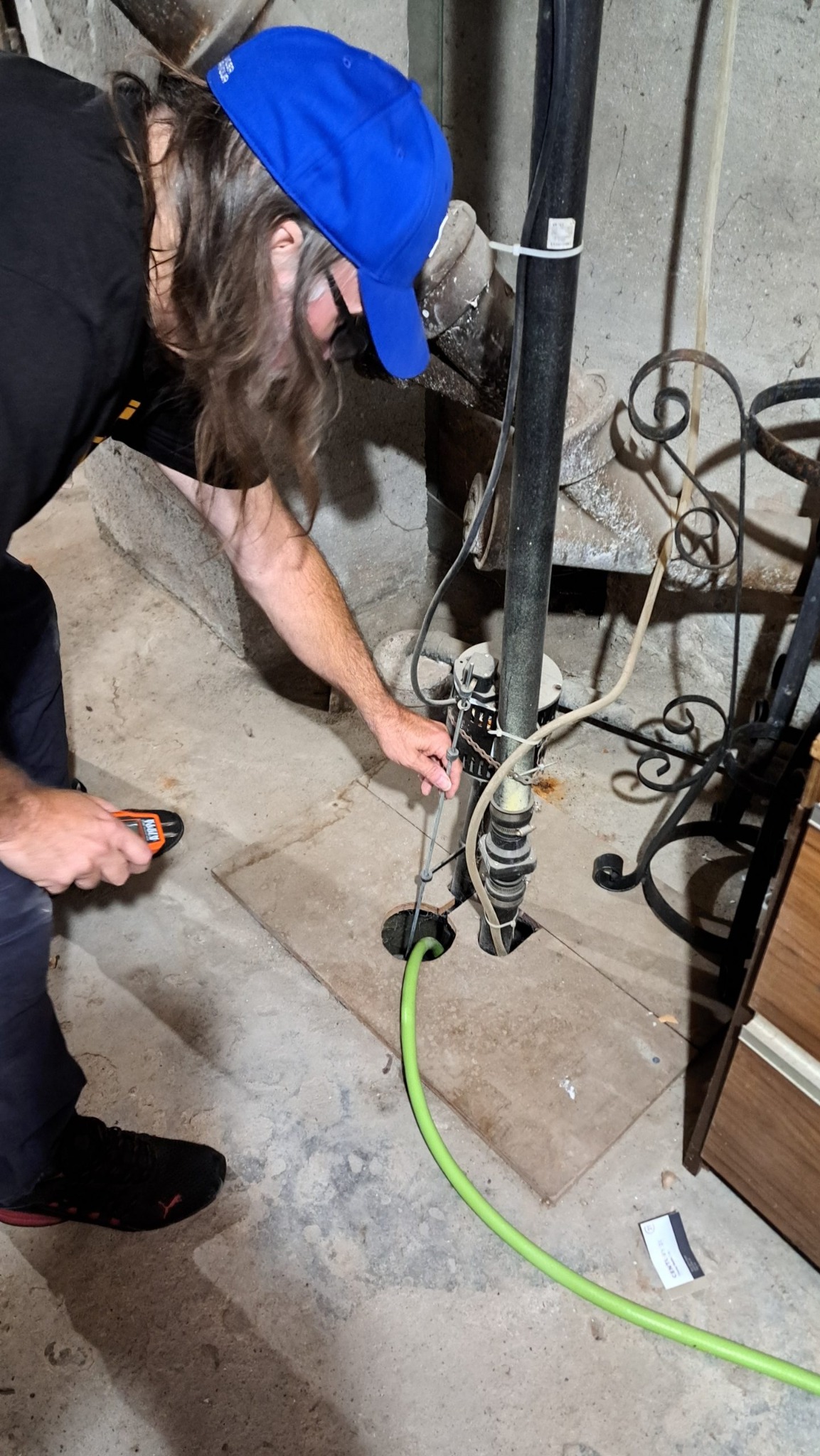
Rural and waterfront properties may benefit even more from early evaluation. Buyers often have concerns about wells, septic systems, wood-burning appliances, waterfront infrastructure, and other specialized components. While a home inspector may recommend additional specialist inspections, identifying potential concerns before listing allows sellers to gather information and prepare for those discussions.
Perhaps most importantly, discovering concerns before buyers do allows sellers to decide without the pressure of an active transaction. Instead of reacting to inspection findings during a conditional sale, sellers can evaluate options, obtain professional advice, and determine the best course of action on their own schedule.
________________________________________________________________________________________________________________________
Supporting More Accurate Pricing
A pre-listing home inspection can help sellers establish realistic pricing expectations before their property reaches the market. While a home inspection does not determine market value, it can provide important information about the condition of major systems and components that may influence how buyers view the property.
It surprises many homeowners to find that buyers pay more attention to roofing, foundations, electrical systems, plumbing, heating equipment, and moisture issues than to cosmetic updates. A home that appears move-in ready may still generate concerns if inspection findings reveal deferred maintenance or aging components.
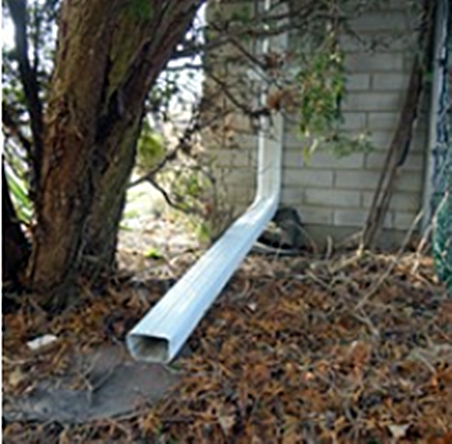
Understanding these issues before listing allows sellers to work with their REALTOR® to position the property appropriately. In some situations, completing repairs before listing may support a stronger asking price. In others, it may make more sense to leave the property as-is and adjust pricing expectations to reflect the home’s condition.
Pre-listing inspections can be helpful for estate properties, older homes, rural properties, cottages, and waterfront homes where buyers may have more questions about the condition of major systems. Knowing the property’s condition in advance reduces guesswork and helps establish more realistic expectations for both buyers and sellers.
Accurate pricing benefits everyone involved in the transaction. Properties that are priced appropriately for their condition often attract stronger buyer interest, experience fewer surprises during conditional periods, and are less likely to require significant price adjustments after inspection findings emerge.
Perhaps most importantly, a pre-listing home inspection allows sellers to make pricing decisions based on information rather than assumptions. Understanding the property’s strengths and weaknesses before entering the market helps create a more predictable selling experience and reduces the likelihood of tough conversations later.
_______________________________________________________________________________________________________________________
Reducing Renegotiation Risk
One of the most common causes of stress during a real estate transaction occurs when a buyer’s home inspection reveals concerns that neither party expected. What begins as a straightforward sale can quickly become a series of negotiations involving repair requests, price reductions, specialist inspections, or even a failed transaction.
A pre-listing home inspection identifies potential concerns before sellers accept an offer, thus reducing that risk. Sellers understand the property’s condition, gather estimates, complete repairs if they choose, and prepare for questions that may arise during the conditional period.
Knowing what a buyer’s inspector might discover allows sellers and REALTORS® to discuss concerns openly and develop effective strategies before negotiations start.
Buyers often react more favourably when they discover a seller has already investigated a concern, got professional opinions, or completed recommended repairs. Transparency helps sellers feel confident and keeps negotiations focused on reasonable solutions rather than uncertainty.
Pre-listing inspections can be valuable in older homes, estate properties, rural homes, waterfront properties, and cottages where buyers may already have questions about major systems and components. Understanding potential concerns before entering the market often prevents inspection findings from becoming unexpected obstacles later in the transaction.
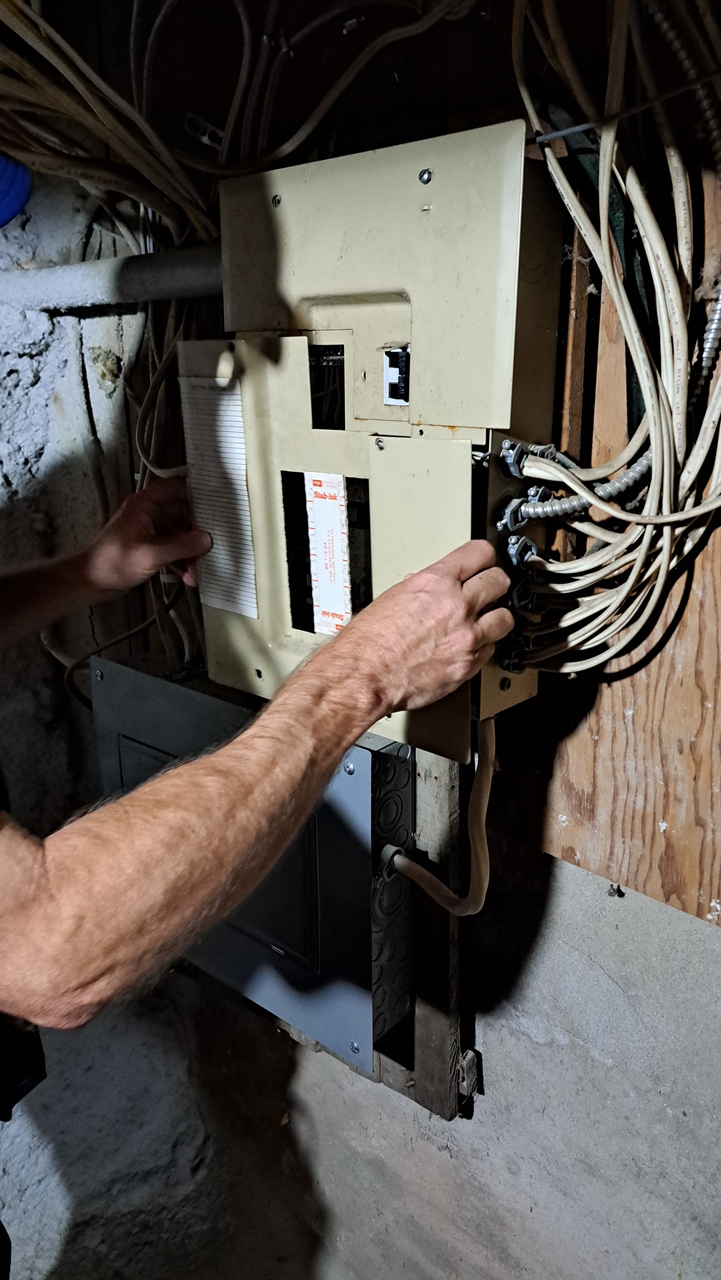
No inspection can eliminate every negotiation. Buyers may still request repairs, seek additional inspections, or attempt to renegotiate after reviewing an inspection report. However, sellers who understand their property’s condition are in a stronger position to respond because they are deciding based on information rather than reacting to surprises, which can help them feel more prepared.
Reducing uncertainty benefits both parties. Sellers gain confidence in the information they present to the market. Buyers often feel more comfortable proceeding when they believe the property’s condition has been honestly and professionally evaluated.
___________________________________________________________________________________________________________________________________________
Should you repair everything before listing?
After receiving a pre-listing home inspection report, sellers often ask whether they must repair every identified issue before listing the property. Most of the time, the answer is no.
A home inspection report provides information, not a mandatory list of repairs. Clarify which issues, such as safety concerns or active leaks, to prioritize for repair because this helps sellers focus on high-impact repairs that influence sale outcomes. Some findings may warrant immediate attention, particularly safety concerns, active leaks, electrical hazards, or issues that could affect financing or insurance. Pricing, disclosure, or negotiation can often address other items that reflect the property’s age and condition.
Many sellers achieve the best results by focusing on repairs that improve safety, functionality, and buyer confidence. Evaluate how repair costs compare to potential sale benefits, because it guides sellers in making strategic decisions about repairs. Leaking plumbing fixtures, damaged handrails, missing GFCI protection, faulty smoke alarms, roof leaks, and obvious maintenance issues are often relatively inexpensive to address and may prevent larger concerns from overshadowing the property’s strengths.
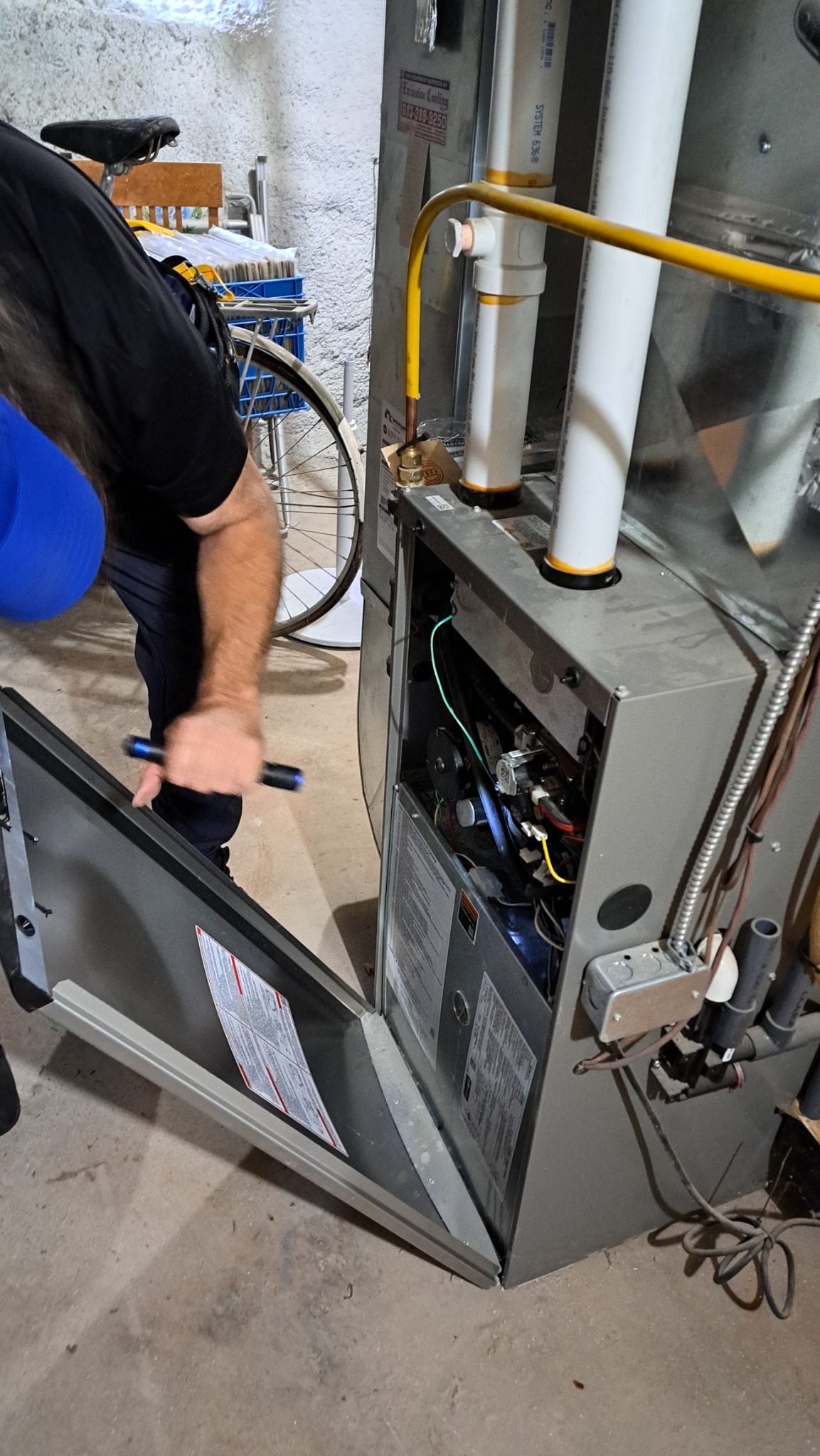
Major renovations are a different matter. Replacing every window, installing a new kitchen, renovating bathrooms, or replacing a functioning furnace simply because it is older does not always produce a return equal to the investment. Buyers understand that older homes contain older components. Address how to communicate the condition of those components to buyers, because it helps sellers set realistic expectations and avoid unnecessary repairs. What often matters more is knowing the condition of those components and having realistic expectations about future replacement costs.
A pre-listing home inspection helps sellers distinguish between issues that deserve attention and issues that require explanation. Armed with accurate information, homeowners and their REALTOR® can determine whether repairs, disclosure, pricing adjustments, or a combination of all three represents the most effective strategy.
Every property is unique. A well-maintained century home in Kingston may require a different approach than a waterfront cottage, a rural property, an estate sale, or a newer suburban home. The goal is not perfection. The goal is to understand the property’s condition and make informed decisions before buyers ask questions.
Often, the greatest value of a pre-listing home inspection lies not in the repairs that are completed. It is the confidence that comes from knowing which issues matter, which issues are typical for the property’s age, and which concerns buyers are most likely to raise during negotiations.
___________________________________________________________________________________________________________________________________________
A pre-listing home inspection benefits which properties the most?
While almost any property can benefit from a pre-listing home inspection, certain types of homes benefit more than others because buyers often have additional questions before making an offer.
Older homes are a common example. Many properties throughout Kingston and the area have provided decades of reliable service, but buyers frequently want more information about roofing, foundations, electrical systems, plumbing, insulation, windows, and heating equipment. A pre-listing inspection helps sellers understand the condition of these components before discussions begin.
Estate properties often benefit from inspections as well. Family members handling an estate sale may have limited knowledge of the home’s maintenance history, recent repairs, or the condition of major systems. A pre-listing inspection can provide useful information for pricing, disclosures, and discussions with prospective buyers.
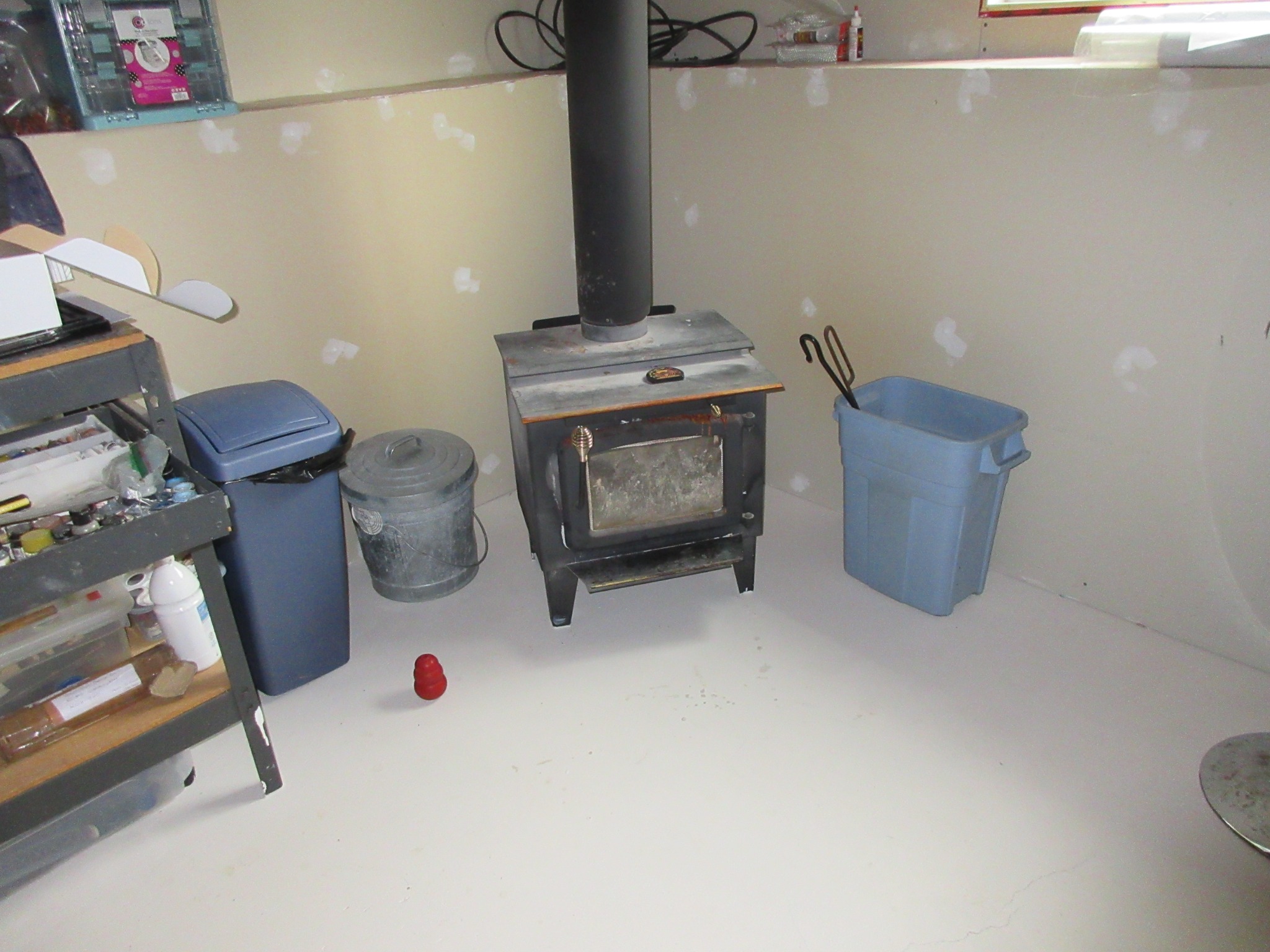
Rural properties present another situation where early evaluation can be helpful. Buyers commonly ask questions about wells, septic systems, wood-burning appliances, outbuildings, crawl spaces, and specialized heating systems. Sellers can prepare for buyer conversations by anticipating potential concerns before listing, though buyers may still recommend additional inspections.
Waterfront homes and cottages often feature unique characteristics that buyers may not find in a typical residential property. Shorelines, docks, water supply systems, septic systems, seasonal structures, and specialized construction methods often generate additional scrutiny during the inspection process. Sellers who understand these features beforehand are often better positioned to answer questions and address concerns.
Vacant properties can also benefit from pre-listing inspections. Homes that have been unoccupied for extended periods may develop issues that are not immediately apparent during a casual walk-through. Plumbing leaks, moisture concerns, ventilation problems, heating system issues, or deferred maintenance items can sometimes go unnoticed until a buyer’s inspection.
The common thread is uncertainty. Properties that are older, more complex, less frequently occupied, or different from the typical suburban home often generate more buyer questions. A pre-listing home inspection helps reduce that uncertainty by providing sellers with information before the property reaches the market.
___________________________________________________________________________________________________________________________________________
A pre-listing inspection may not always be necessary.
While pre-listing home inspections offer many advantages, they are not essential for every property or every seller. The decision should depend on the home’s condition, the seller’s goals, local market conditions, and the likelihood that inspection findings will influence buyer decisions.
Newer homes may be one example. A recently built property, which someone has carefully maintained and occupied for only a short period, may present fewer unknowns than an older home with decades of ownership history. Buyers will still likely conduct their own inspections, but sellers may feel comfortable relying on the home’s age, maintenance records, and warranty coverage.
Some homeowners have already completed significant renovations or major system replacements before listing. Recent roofing, electrical, plumbing, heating, cooling, insulation, or foundation work may reduce the need for a pre-listing inspection, particularly when permits, invoices, and supporting documentation are available.
Market conditions can also influence the decision. During strong seller’s markets, buyers may be less likely to request extensive repairs or price reductions, particularly when multiple offers are competing for the same property. While buyers should still conduct their own due diligence, sellers in highly competitive markets may place less value on obtaining a pre-listing inspection.
Cost is another consideration. While a home inspection is relatively inexpensive compared to the value of most real estate transactions, some sellers may prefer to allocate funds toward repairs, staging, cleaning, landscaping, or other preparations that directly affect how the property presents to buyers.
The key is to understand the purpose of a pre-listing inspection. It is not a requirement, and it does not guarantee a successful sale. Its primary value lies in reducing uncertainty and providing information before the property reaches the market. Sellers who already possess a strong understanding of their home’s condition may determine that the benefits are less significant for their particular situation.
For many sellers, the decision comes down to peace of mind. Some homeowners prefer entering the market with as much information as possible, while others are comfortable waiting to see what a buyer’s inspection reveals. A clear understanding of the potential advantages and limitations makes either approach appropriate.
___________________________________________________________________________________________________________________________________________
Final Thoughts
A pre-listing home inspection is not the right choice for every seller, but it can provide valuable information before a property reaches the market. Understanding the condition of the home, identifying potential concerns, and expecting buyer questions often leads to a more predictable selling experience.
Many sellers discover that the greatest benefit is not the inspection report itself, but the opportunity to make informed decisions before negotiations begin. Some choose to complete repairs, others adjust pricing expectations, and many gain a better understanding of how buyers are likely to view the property.
Older homes, estate properties, rural properties, waterfront homes, cottages, and vacant homes often benefit the most from early evaluation, but any seller who wants to reduce uncertainty may find value.
A pre-listing home inspection cannot guarantee a successful sale, prevent every negotiation, or eliminate every concern a buyer may raise. It can provide information, improve preparation, and help sellers enter the market with greater confidence.
Whether you decide to get a pre-listing inspection or rely on a buyer’s inspection during the sale process, understanding your property’s condition remains one of the most effective ways to support a smoother transaction and more informed decision-making.
___________________________________________________________________________________________________________________________________________
Inspector Options
Sellers can contact inspectors directly or request an introduction. Kingston and area home inspectors typically provide transparent reporting and straightforward explanations, helping clients understand both immediate concerns and longer-term considerations, ensuring you clearly understand the property’s condition. Choosing someone who communicates clearly can make you feel more supported and less overwhelmed.
Local options include, but are not limited to:
- Rick Conley, Equinox Home Inspections
- Mike Schur, Home Inspections Kingston
- Jason Gravel, Dominion Home Inspections
You can choose the fit that works best for you, knowing that you’re in excellent hands. The most crucial factor is choosing someone who communicates clearly and takes the time to answer questions. A good inspection should leave you informed, not overwhelmed.
___________________________________________________________________________________________________________________________________________
Frequently Asked Questions
How much does a pre-listing home inspection cost?
The cost varies depending on the size, age, and complexity of the property. Larger homes, older homes, waterfront properties, rural properties, and homes with additional structures may cost more to inspect. While the inspection represents an upfront expense, many sellers view it as an investment in understanding their property’s condition before entering the market.
Should I share the inspection report with the buyer?
That decision is entirely up to the seller. Some homeowners choose to share all or part of a pre-listing inspection report to show transparency and build buyer confidence. Others prefer to use the report for their own planning purposes and allow buyers to conduct independent inspections.
Do I have to repair everything identified in the report?
No, a pre-listing home inspection is not a mandatory repair list. Some findings may warrant attention because of safety concerns, financing considerations, or buyer expectations. Sellers can address other items that reflect the property’s age and condition through disclosure, pricing, or negotiation.
Should buyers rely solely on a seller-provided inspection report?
While a seller-provided inspection report can be a useful source of information, many buyers still choose to obtain their own independent inspection. A separate inspection allows buyers to receive advice directly from an inspector working on their behalf and may provide additional peace of mind before completing a purchase.
Are pre-listing inspections worthwhile for estate properties?
Many estate properties benefit from a pre-listing inspection because family members may have limited knowledge of the home’s maintenance history or current condition. The inspection can provide useful information for pricing decisions, disclosures, and discussions with prospective buyers.
Should I get a pre-listing inspection on a rural property?
Rural properties often involve additional systems such as wells, septic systems, wood-burning appliances, outbuildings, and specialized heating equipment. A pre-listing inspection can help sellers identify potential concerns and prepare for questions that commonly arise during the buying process.
Is a pre-listing home inspection worthwhile on an “as-is” property?
Often, yes. Sellers sometimes assume there is little value in a pre-listing inspection because they have no intention of making repairs. However, an inspection can still provide useful information about the property’s condition and help establish realistic pricing expectations.
A pre-listing inspection may also help sellers prepare for questions that buyers, lenders, insurers, or home inspectors are likely to raise during the transaction. Even when a property is being sold “as-is,” understanding potential concerns before listing can reduce uncertainty and support more informed negotiations.
Can a pre-listing inspection prevent renegotiation?
Not entirely. Buyers may still conduct their own inspections and request repairs, credits, or price adjustments. However, sellers who understand their property’s condition before listing are often better prepared for those discussions and less likely to be surprised by inspection findings.
________________________________________________________________________________________________________________________
Don’t Miss These Guides
A pre-listing home inspection is just one part of preparing a property for sale. These related guides can help sellers understand pricing, presentation, maintenance decisions, and the steps involved in bringing a home to market in Kingston and the surrounding area.
Home Inspections: Proven Ways to Protect Your Ideal Kingston Home
People use inspection reports, and inspectors examine specific items during a home inspection. This comprehensive guide covers foundations, roofing, electrical systems, plumbing, heating equipment, insulation, ventilation, and more.
Preparing Your Home for Sale: Presentation, Privacy, and Security
Preparing a home for market involves more than repairs. Learn practical strategies for presentations, privacy, security, and creating a positive first impression for buyers.
Top 10 Kingston Home-Selling Tips
Selling a home involves more than simply placing it on the market. This guide covers practical strategies that can help sellers attract buyers, avoid common mistakes, and navigate the selling process with confidence.
Selling an Estate Property in Kingston and the Area
Estate properties often present unique challenges, particularly when family members have limited knowledge of the home’s condition or maintenance history. This guide explains the process and common considerations involved in estate sales.
Protect Your Home: Seasonal Maintenance Tips That Pay Off
Many issues identified during home inspections result from deferred maintenance. Regular upkeep can help protect your investment, preserve value, and reduce surprises when it comes time to sell.
Working with a Kingston REALTOR®
From pricing and marketing to negotiations and closing, a REALTOR® can help sellers navigate each stage of the transaction. Learn what to expect and how professional representation can support a successful sale.
Next Step
If you are preparing to buy or sell in Kingston or the surrounding area, I can help coordinate the inspection process and explain what to expect at each stage.