


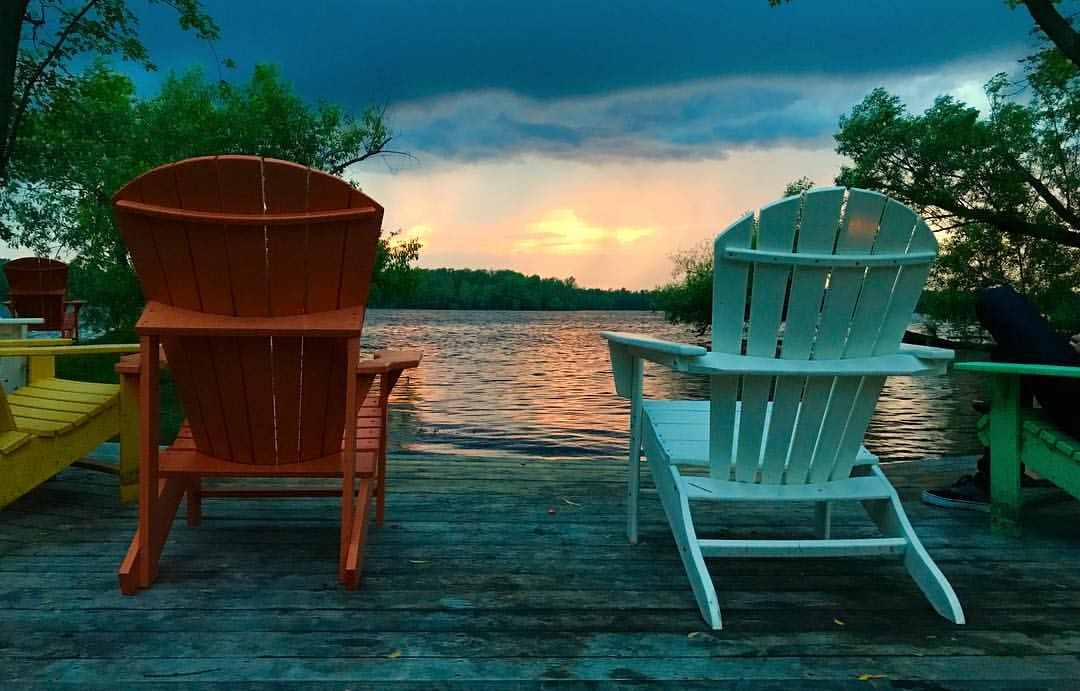
Buyers often find that waterfront properties in Kingston and its vicinity have more variation than they expect.
Most buyers begin their search in Kingston, but the cost of waterfront property in or near the city is high. Many end up finding the right fit outside the city, where pricing, access, and property types open up in ways that are not always obvious at the start.
Why more buyers are treating cottages as full-time homes
In recent years, the perception of cottages has shifted from seasonal retreats to viable full-time residences for many buyers. What used to be a seasonal retreat is now, for many, a realistic full-time housing option.
Remote work has significantly influenced this shift, as buyers who no longer need to commute daily are more willing to live on a lake or further north in Frontenac.
We are seeing this play out locally. In recent years, the focus for some buyers has shifted from exclusively urban residences to actively exploring year-round waterfront homes. Sometimes they choose them.
As more buyers see cottages as full-time homes, understanding how evaluation criteria are evolving can help them feel more informed and ready to assess properties effectively.
Once you view waterfront property this way, the next step is to understand where it actually makes sense to buy.
Cottage or year-round waterfront home
The words people use for waterfront properties vary depending on where they are from.
In Kingston and the area, most buyers will say “cottage.” In other parts of Canada, you may hear cabin, camp, chalet, or even just “the lake.” Buyers from the U.S. often use the term ‘lake house’.
The name is not what matters.
Construction and usability are what’s important for the property.
A cottage is typically seasonal. Though comfort and good upkeep are possible, the cottage’s construction does not accommodate winter conditions. Water systems might have limitations, insulation may not meet modern standards, and access may change once snow arrives.
Users might find properties on the same lake appear alike with similar descriptions, yet they function differently in practice.
The reality of year-round waterfront living
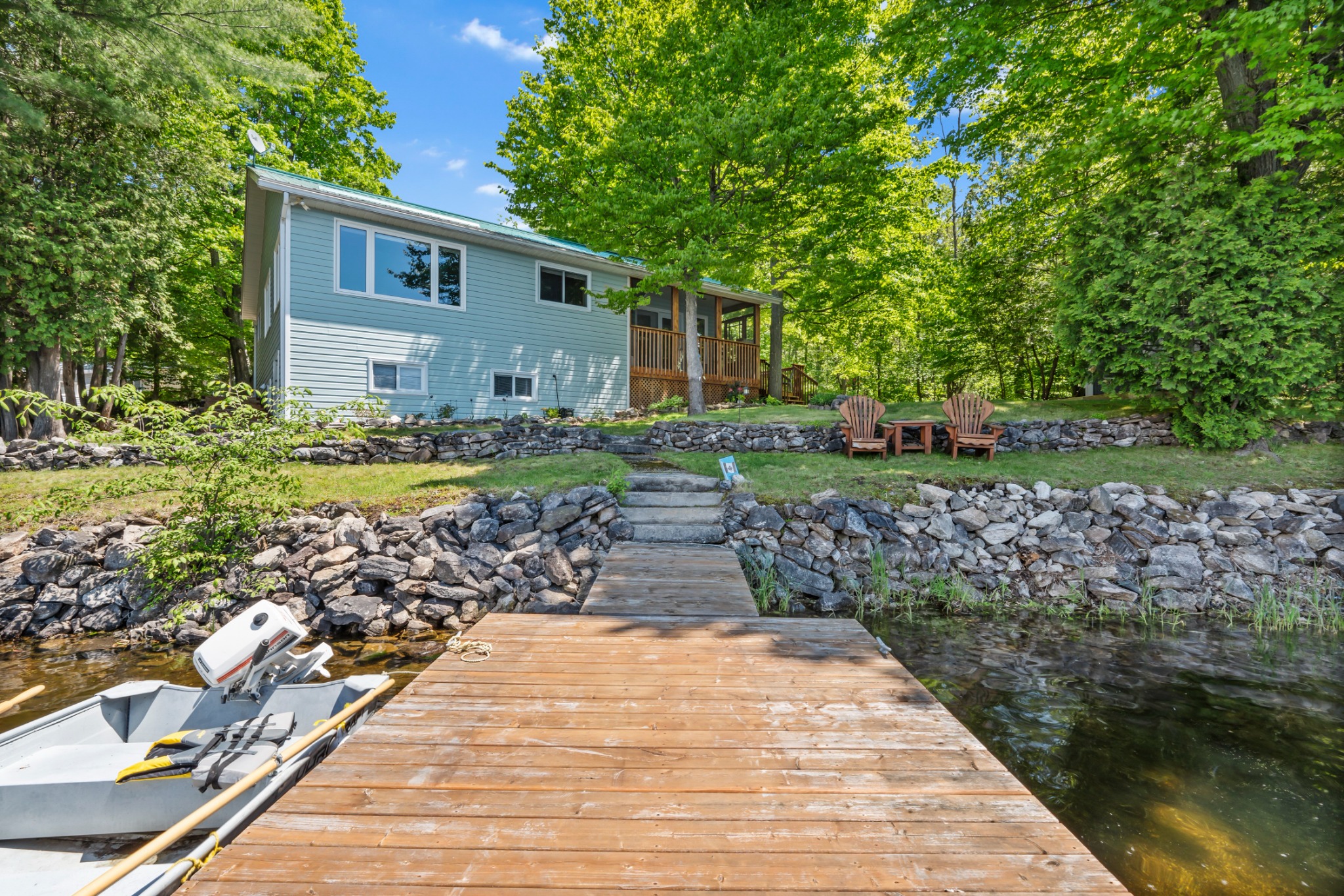
Living by the water year-round isn’t a uniform experience. A home along the St. Lawrence River or on Lake Ontario may sit on a paved road with nearby services. That is one version.
Distance becomes part of daily life. Groceries, fuel, schools, and services take more time and planning.
For some buyers, that is exactly the appeal. For others, it becomes a challenge after the first winter.
You can use a waterfront property year-round, even if it’s not connected to the utility grid. In parts of Frontenac County, Leeds and Lennox, some waterfront property operates fully off-grid. Check the Cabin Depot for products.
You can use a waterfront property year-round, even if it’s not connected to the utility grid.
In parts of Frontenac County, Leeds and Lennox, some waterfront property operates fully off-grid. Check the Cabin Depot for products.
Instead of hydro, they rely on solar panels, battery storage, propane systems, and backup generators. These systems can work well, but they require a different approach to daily use.
I once brought buyers to a property with this exact configuration a couple of summers ago. Despite ongoing logistical challenges throughout its construction, they completed the house and its power system.
Adding hydro involves significant changes.
People often assume they can add hydro later when it is unavailable.
It’s a big job to bring hydroelectric power to our rural areas, often taking several months and being quite expensive. This helps buyers understand the timeline and investment involved.
A commonly discussed range is $30,000 to $50,000 per pole. Regular spacing is typically 30 to 50 metres between poles, depending on terrain and provider standards. The total cost increases rapidly as the distance from the nearest connection increases.
A property located hundreds of meters from existing services can rapidly incur costs comparable to, or even greater than, the structure’s value. Terrain, permits, and installation challenges can further increase that.
At that point, the decision changes. It becomes a question of whether the property still makes sense.
For many of these properties, off-grid is not a temporary situation. It is how the property should operate.
The reality of seasonal waterfront properties
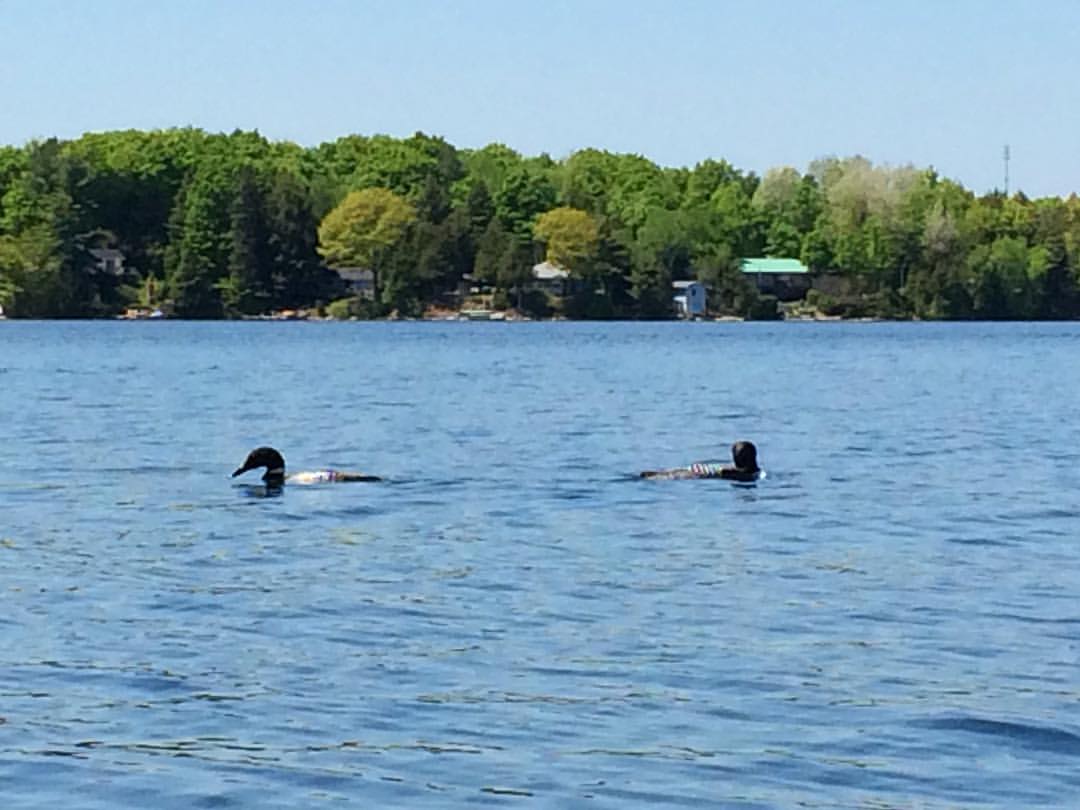
Seasonal waterfront property offers a different type of ownership. They are often more affordable, particularly in South Frontenac and surrounding areas. The focus is on lifestyle rather than full-time function.
You can draw water directly from the lake. There may be no heat source or indoor plumbing. The property’s setup may make financing and insurance more restrictive.
For many buyers, that is exactly what they want: a place to step away from routine rather than replicate it.
Island and boat-access properties
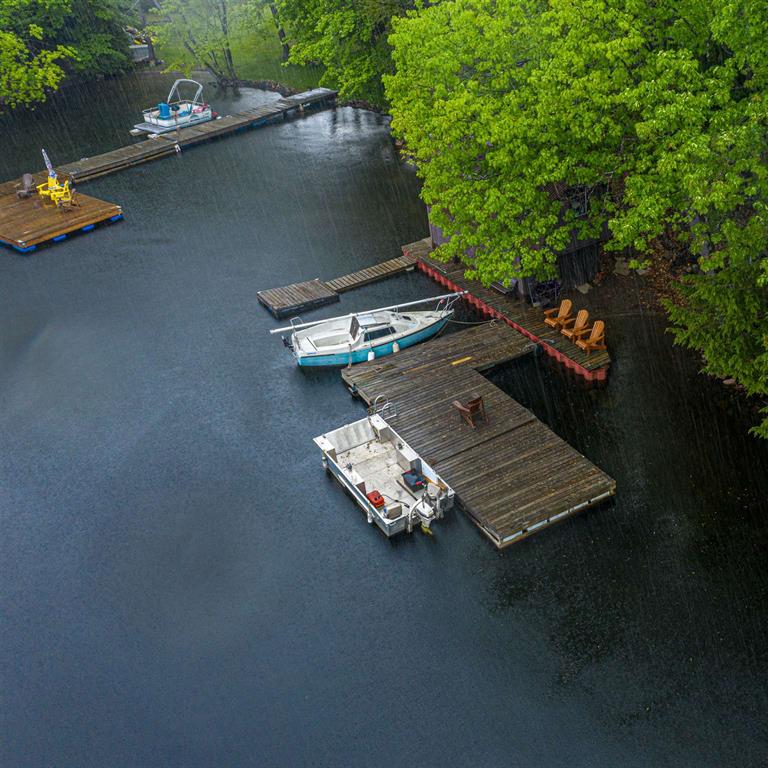
Waterfront property does not always include road access. In areas such as the Thousand Islands, including properties around Wolfe Island and smaller islands, access may be entirely by boat.
You must leave your vehicle on the mainland; some properties include a designated dock with parking. Shared access points or nearby marinas serve other locations, and these might have limited or seasonal space.
People use these properties primarily during certain times of the year, as winter access can be difficult without the right equipment or arrangements, such as ice roads or snowmobiles, making spring to fall the practical window for most owners.
Costs that are easy to miss
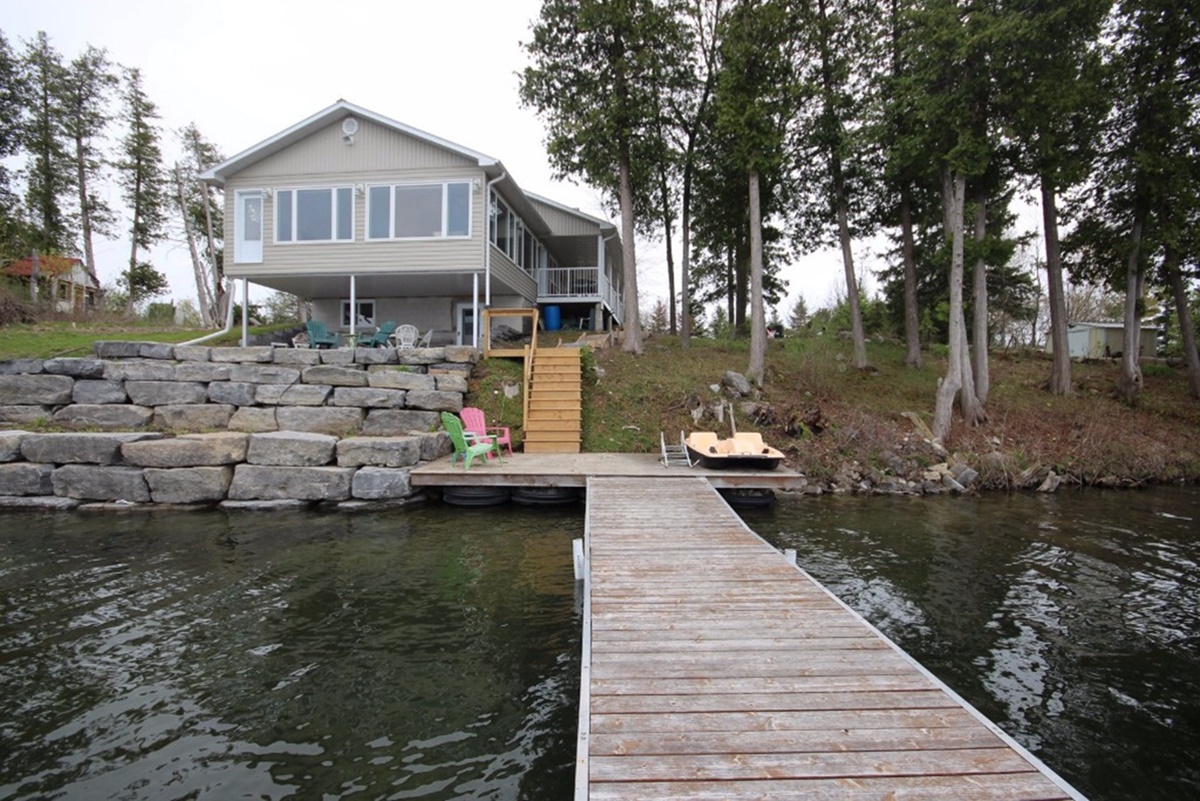
Waterfront ownership includes costs that are not always obvious at first. Septic systems require inspection and eventual replacement. Wells and water systems vary widely in quality.
Building, rebuilding, and septic realities
Building or making improvements on waterfront properties can be restrictive.
Older regulations governed the construction of many cottages in South Frontenac, Central Frontenac, and North Frontenac.
The distance from the waterfront may not comply with current regulations; the septic system may not meet current code. A year-round waterfront home is for daily use, not just weekends.
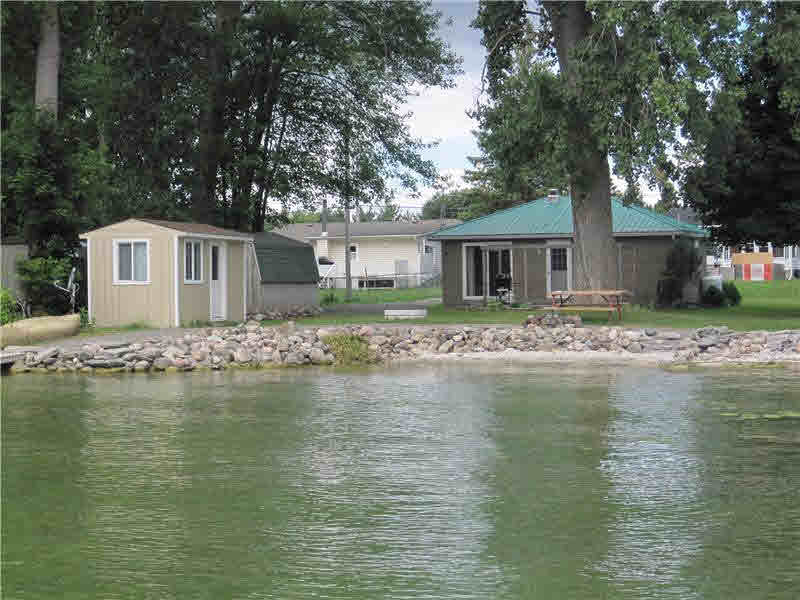
Sometimes there is not enough space to install a modern septic system that meets current requirements. Lot size, soil conditions, rock, and proximity to the water can all limit placement, particularly where systems are now required to be set back from the shoreline, often toward the rear of the property.
A holding tank stores waste and requires regular pump-outs. While effective, it changes the way people use their property, especially for full-time residents.
Buying vacant land waterfront property
Buying an undeveloped waterfront property can look like a simpler path; there are no existing systems, no repairs, no surprises inside a structure.
Water and septic systems need to be evaluated early. A well may be straightforward in some areas and more difficult in others, depending on terrain and bedrock.
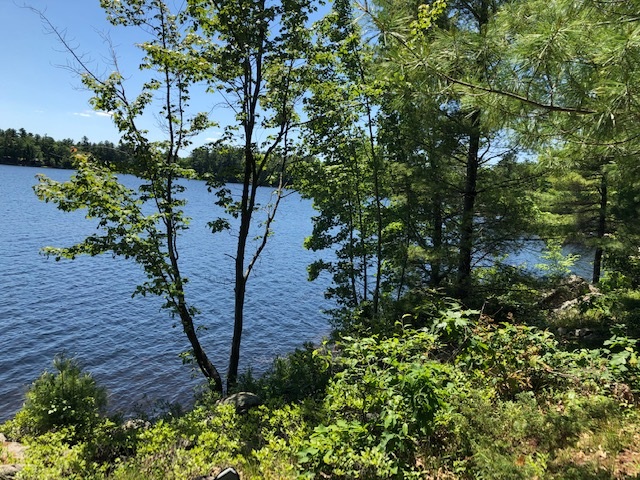
Across much of the Frontenac region and surrounding areas, the Canadian Shield plays a major role. Rock, elevation changes, and thin soil cover can limit excavation.
Clearing a building site may also be more involved than expected. Trees, rocks, and slope affect structure placement and lot usage.
Getting materials to the site is part of the planning as well. On properties with long private lanes, limited access, or boat-only entry, construction logistics become more complex and can affect both cost and timeline.
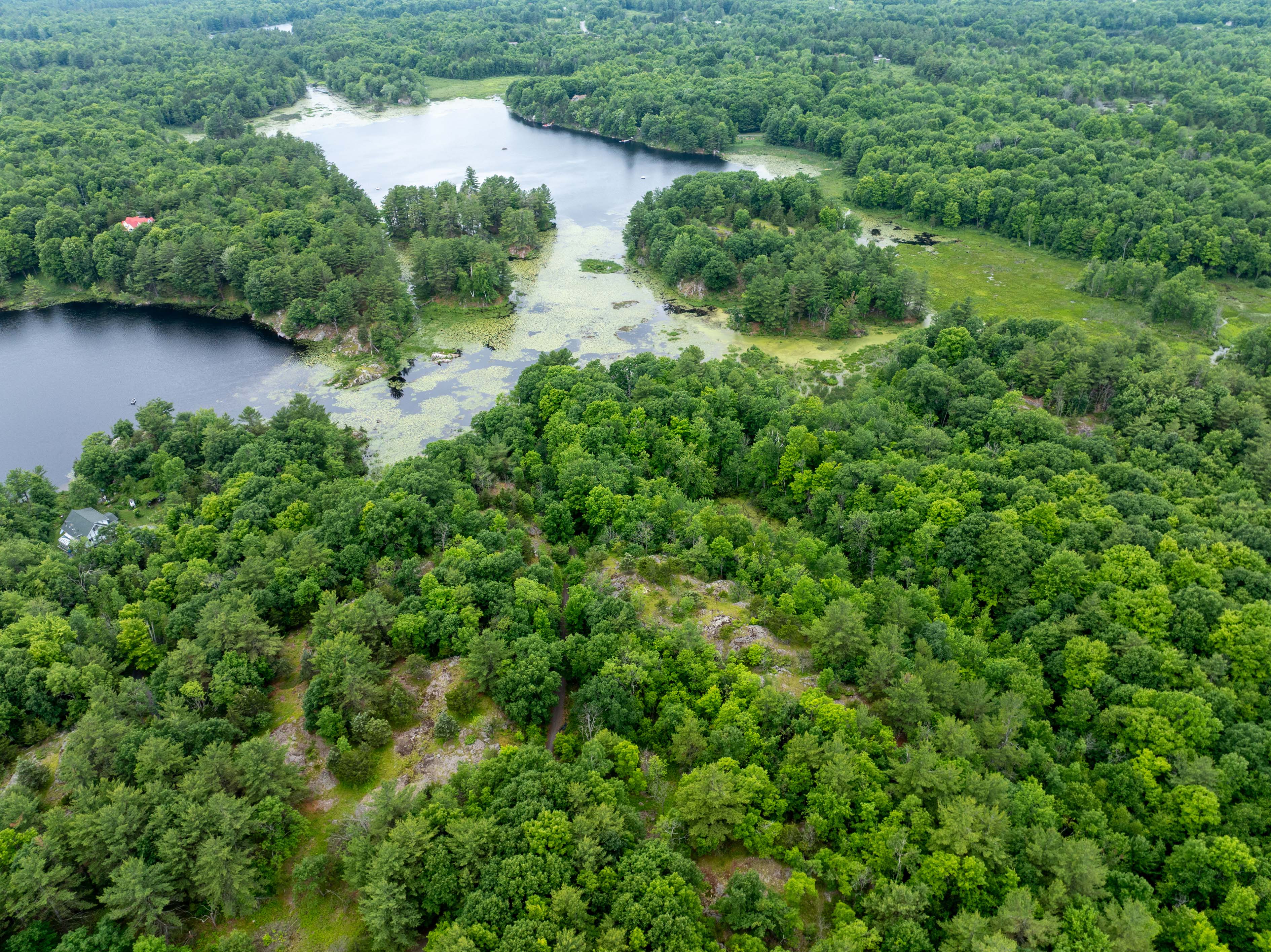
Approvals and permits vary depending on the location. Conservation authorities, municipalities, and local regulations can all influence what people build and where.
Matching waterfront property to how you live
Waterfront homes in Kingston or Amherstview along Lake Ontario represent one end of the spectrum. These homes typically include full servicing, and the price reflects this.
Common assumptions that cause problems
Believing all waterfront property is suitable for year-round use can lead to issues. Assuming road access means easy winter driving can be misleading.
Looking for a waterfront home?
Checkout our “Waterfront properties for sale now”
Frequently Asked Questions
Am I able to live in any waterfront home year-round?
No, some properties are only available at specific times of the year. With others, Year-round use is workable, but access, water systems, or power may pose challenges. It is important to confirm how the property functions in winter before buying..
Would it be workable to provide hydro services to any waterfront property?
Not always. If hydro is not already available at the road, extending it can be expensive and sometimes impractical. Sometimes, off-grid systems are the only realistic option.
What happens if a septic system fails?
Difficulties can arise when replacing septic systems on specific waterfront property because of their size, placement, or ecological considerations. Sometimes, a holding tank is the only solution that meets approval.
What are the benefits of investing in waterfront real estate?
It can be beneficial, but it depends on the type of property and its use. Year-round homes have broader resale appeal, while seasonal properties are more lifestyle-driven purchases.
Are cottages cheaper than year-round homes?
Many times, yes. Seasonal cottages, especially in the Frontenac region, often sell for lower prices. However, consider the costs of upgrades, maintenance, and usage limitations along with the initial price.
Is waterfront property more expensive to insure?
Often, yes. The property’s location, its year-round or seasonal use, flood risk, and type of water access can influence insurance costs. Buyers should get insurance quotes before removing conditions.
Can I finance a waterfront property the same way as a regular home?
Many times, yes. However, some lenders may have additional requirements for seasonal cottages, island properties, off-grid homes, or properties with limited winter access.
What should I know about shoreline ownership?
Not all waterfront owners have the same rights or responsibilities. Shoreline ownership, docks, boathouses, erosion control, and permits can vary by property and water body. Buyers should verify inclusions and potential required approvals.
Which waterfront areas are popular near Kingston?
Popular waterfront markets include the Rideau System, Frontenac lakes, the St. Lawrence River, the Gananoque area, Wolfe Island, and Lake Ontario waterfront communities.
Final thought
Waterfront property is not a single category. It is a range of property types, of lakes, rivers, and rural areas. The right choice depends on how you plan to use it, how often you will be there, and how comfortable you are with the level of independence it offers.
For some, that means a fully serviced home on a major shoreline.
Don’t Miss These Guides
These guides cover key steps and considerations when buying waterfront property in Kingston and in the surrounding region.
Relocating to Kingston and the surrounding area
Planning a move involves more than choosing a home. This guide outlines what buyers should expect when relocating to Kingston and the surrounding region.
A Kingston Area Guide to Wells and Septic Systems, 2025-26
Water and septic systems are a key part of many waterfront properties. This guide explains how they work, what to look for, and what buyers should understand before purchasing.
20 Kingston Home Buying Questions Every Buyer Should Ask
A practical breakdown of the most common questions buyers should ask before making a purchase, including financing, inspections, and long-term considerations.
An overview of Kingston and surrounding communities, helping buyers understand how different areas compare in terms of lifestyle, services, and housing options.https://youtu.be/A_CrzsV2ITs