
Home energy rebates help Ontario homeowners improve insulation, replace inefficient windows, install heat pumps, and reduce household energy consumption. For homeowners in Kingston and Eastern Ontario, these incentives can make renovations more affordable, especially in older homes with high heating costs or outdated equipment.
However, the programs have changed substantially. Some familiar federal incentives have ended. Ontario has introduced new rebates, and the government announced a major federal heat pump program in October. With 2027 approaching, homeowners need to know which incentives are accepting applications, which are still being developed, and whether their planned renovations will qualify.
Before signing a contract or paying a deposit, it is worth investigating the available home energy rebates. Starting work too early or buying equipment that doesn’t meet program requirements could mean losing hundreds or even thousands of dollars in financial assistance.
What home energy rebates are currently available in Ontario?
The principal provincial program is Home Renovation Savings, administered by Enbridge Gas and Save on Energy with support from the Ontario government.
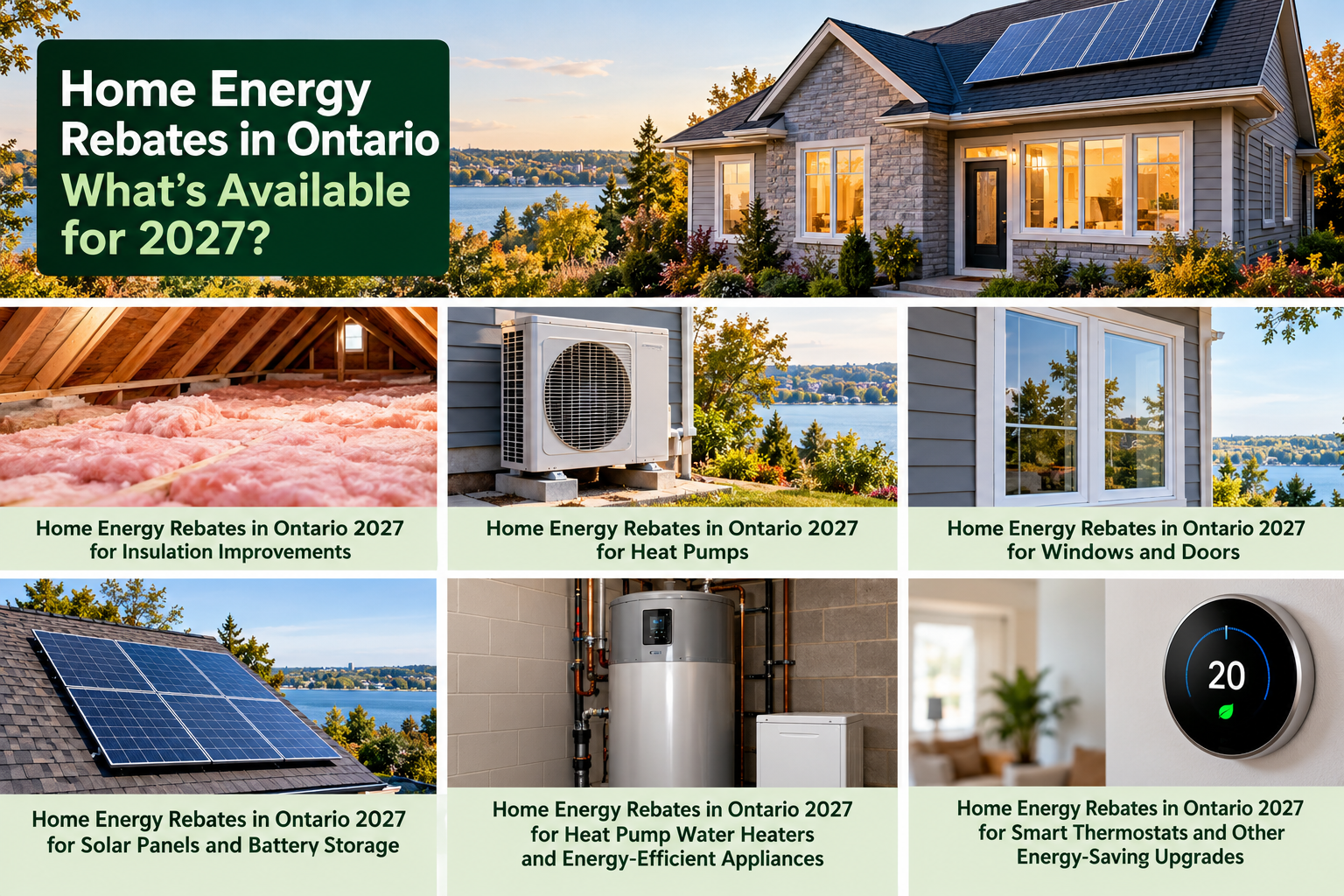
This program offers incentives for several types of energy-efficiency improvements, including insulation, windows and doors, cold-climate heat pumps, solar panels and battery storage. It also provides smaller rebates for air sealing, water heating, smart thermostats and certain appliances.
The program has two main approaches. Homeowners who complete at least two qualifying improvements can access a broader selection of rebates after a home energy assessment. Other improvements are eligible individually without requiring an assessment.
Energy-efficiency improvement rebate amount
Insulation improvements $7,700
Replacement windows and doors $100 per eligible rough opening
Cold-climate air-source heat pumps $7,500
Ground-source heat pumps $12,000
Solar panels and battery storage $10,000 combined
Standalone attic insulation $1,250
Heat pump water heaters $500
Air sealing $250
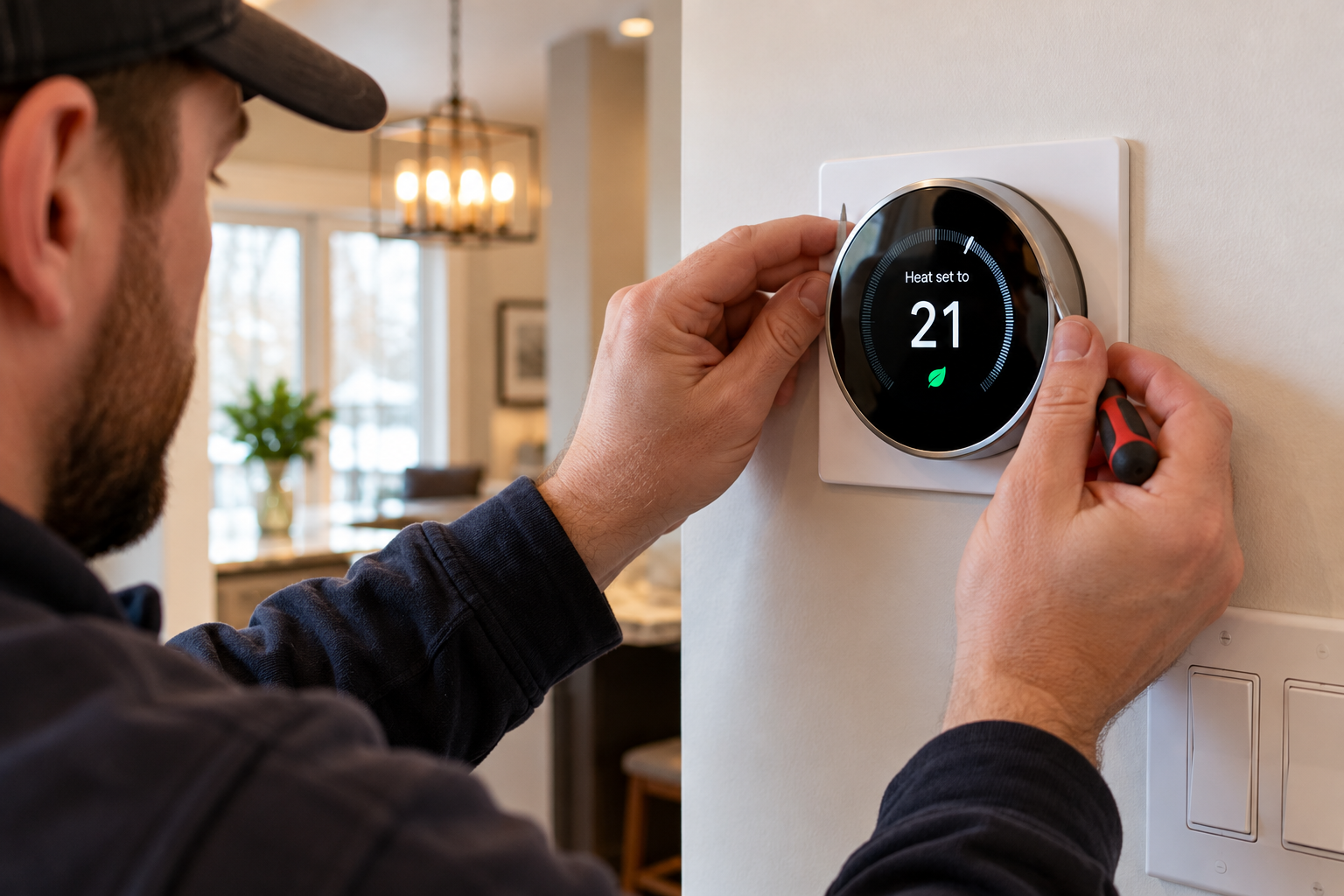
Smart thermostats $125
Eligible appliances $200
Amounts shown are the current maximum advertised rebates unless otherwise noted, and represent advertised maximums or specified incentive amounts, not guaranteed payments. The actual amount depends on the improvement, the home’s heating system, and the applicable program conditions.
Homeowners should also know that combining separate programs is not always possible. Receiving one incentive may affect eligibility for another, particularly when two programs cover the same renovation expense.
Home energy rebates for insulation upgrades
Insulation is often one of the first improvements worth examining in an older house. A house that loses heat through the attic, walls, or foundation may be costly to run, even with properly functioning heating equipment.
Kingston has a considerable variety of housing. Older limestone and brick homes, mid-century bungalows, 1970s side-splits and more recent subdivisions can have very different insulation requirements. Rural properties in South Frontenac, Stone Mills and the surrounding communities may present additional challenges, especially when owners built additions or converted living spaces at different times.
The provincial program provides up to $7,700 for eligible insulation projects via its assessment-based stream. Eligible improvements can include attic, exterior wall, foundation and exposed-floor insulation.
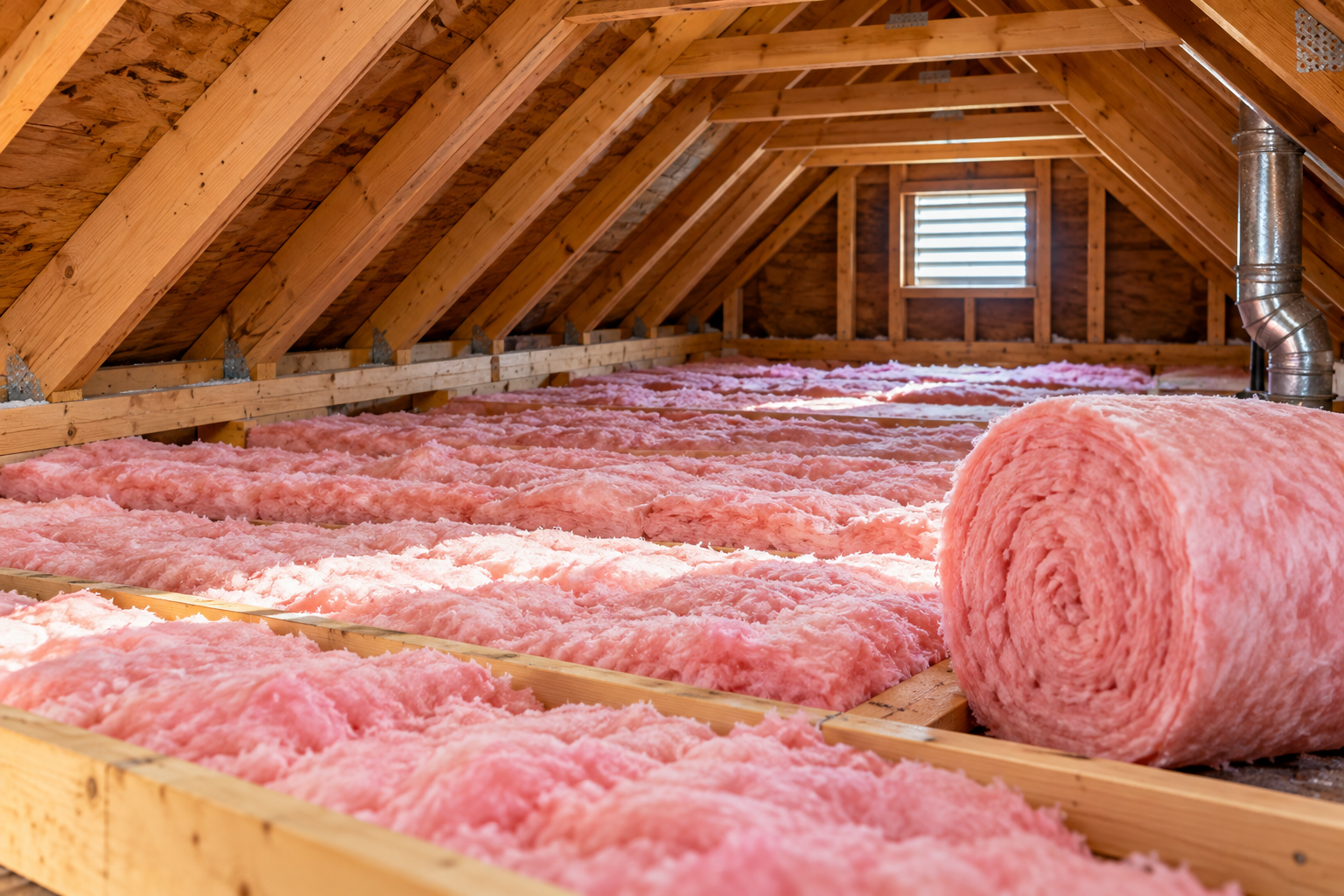
A separate option also provides up to $1,250 for qualifying attic insulation without an assessment. This may appeal to homeowners who want to improve a single area rather than undertake a larger renovation.
For example, a homeowner with an older bungalow in Bayridge may find that adding attic insulation and addressing air leakage noticeably improves winter comfort. Before installing a new heating system, reducing heat loss may also help determine the appropriate size of the replacement equipment.
The best project depends on the existing insulation, building condition, and expected savings. An energy advisor can identify where heat is escaping and recommend improvements that make sense for the property.
Window and door replacement incentives
Drafty windows and poorly sealed exterior doors can make rooms uncomfortable, especially in cold weather or during strong winds. Condensation, damaged seals, and deteriorating frames may also signal the need for repairs or replacements.
Ontario’s assessment-based program provides $100 per eligible rough opening for qualifying window and door replacements.
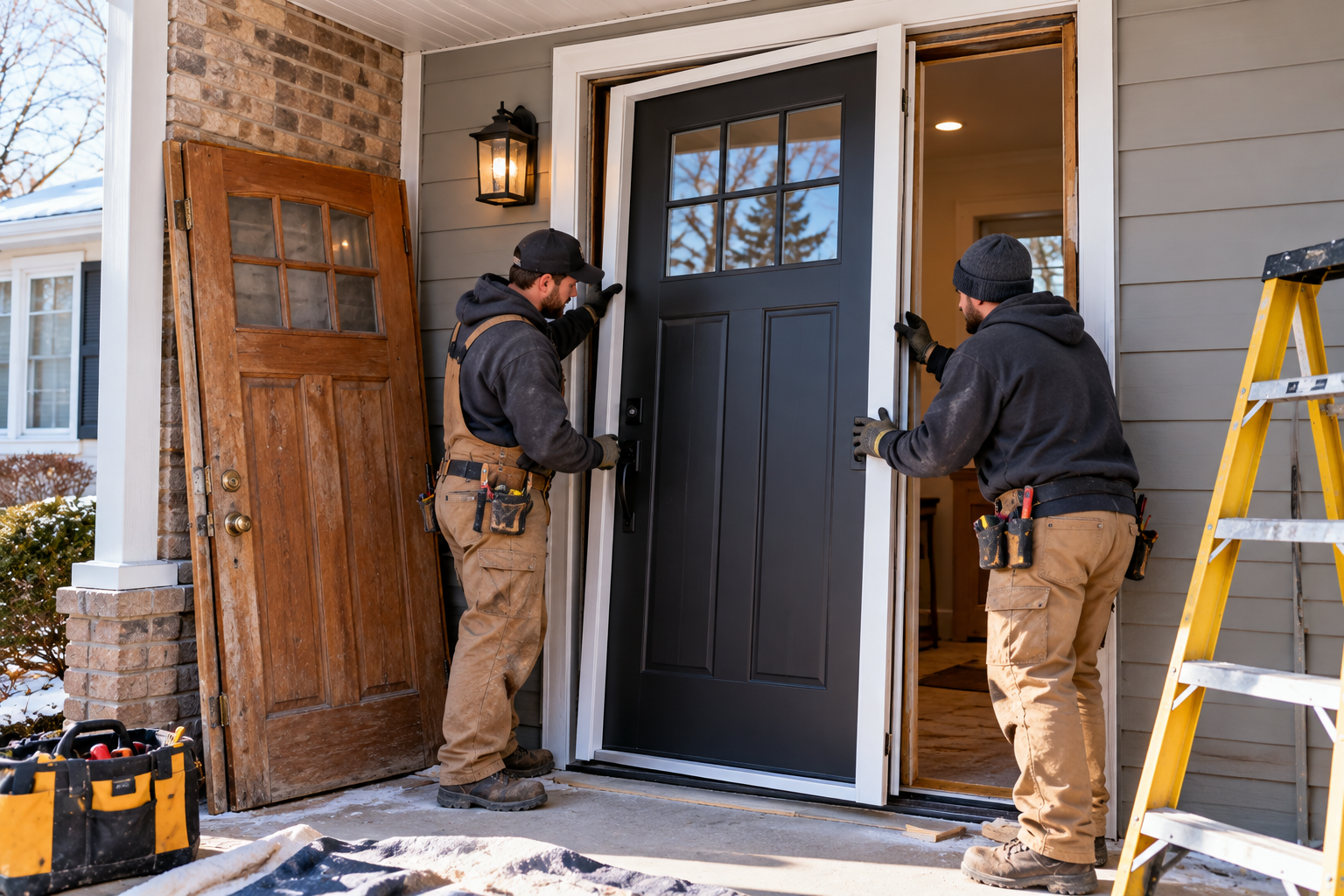
A rough opening refers to the framed opening in the exterior wall. A window with multiple operating sections does not automatically qualify for several rebates.
Replacement products must meet the program’s energy-efficiency requirements, and homeowners must satisfy the applicable minimum installation conditions.
It is also important to consider whether replacement is necessary. Sometimes, installing new weatherstripping, adjusting hardware or repairing seals can address the problem for considerably less money.
When replacement is justified, homeowners should compare the total installed cost, warranty coverage, efficiency ratings, and available rebates rather than choosing products based on incentives alone.
Heat pump rebates for Kingston and Eastern Ontario homeowners
Heat pumps are becoming an increasingly common alternative to conventional heating and cooling equipment. Unlike electric baseboards, which generate heat through electrical resistance, heat pumps transfer heat between the home and the surrounding environment.
Modern cold-climate systems can operate during Canadian winters and also provide air conditioning in summer. Actual performance depends on the equipment, outdoor temperatures, installation quality, and the home’s energy requirements.
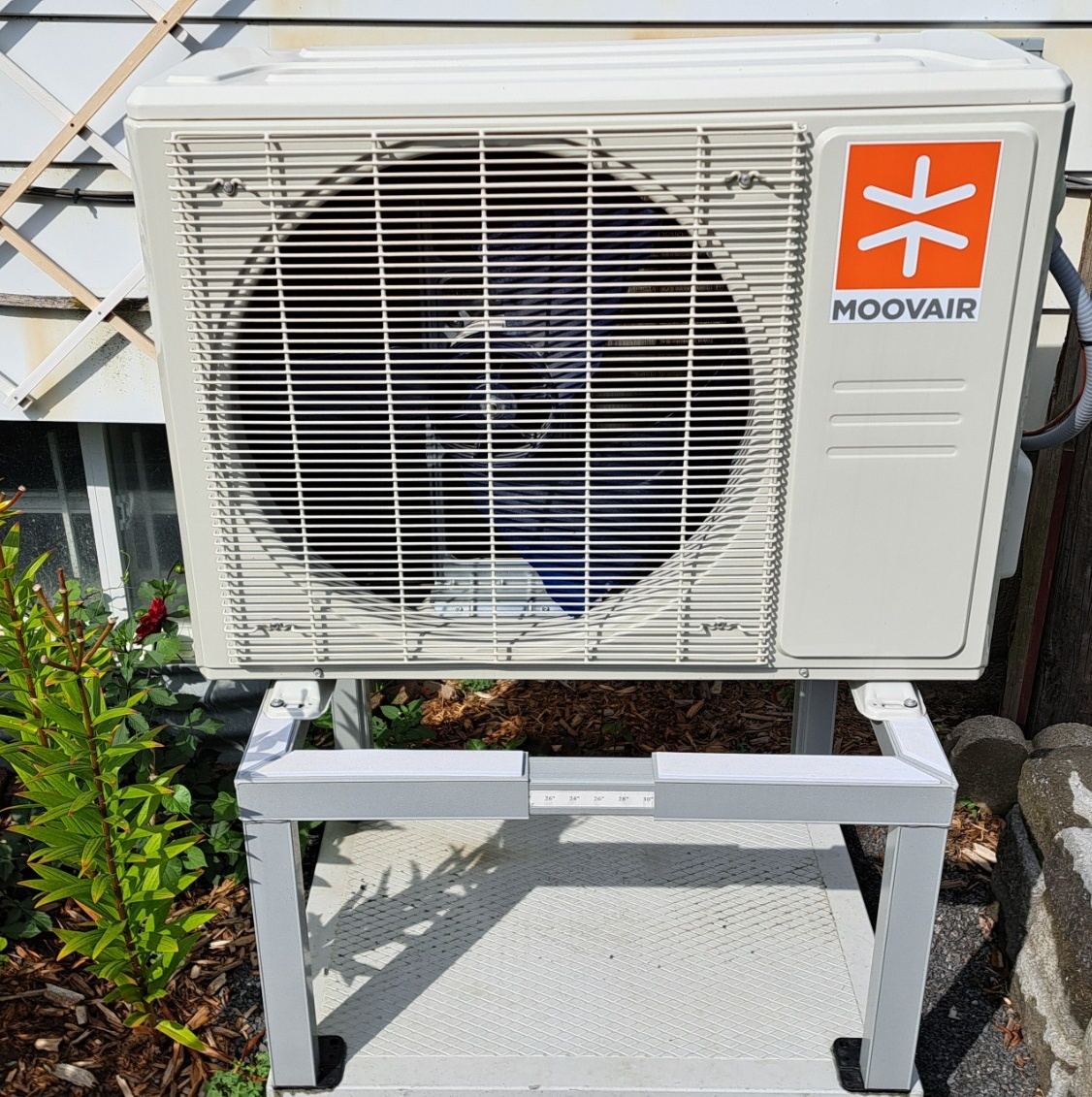
Ontario presently provides up to $7,500 for qualifying cold-climate air-source heat pumps in homes mainly heated by electricity, oil, propane, or wood. Ground-source systems may qualify for up to $12,000.
Homes primarily heated by Enbridge natural gas have different incentive levels, including up to $2,000 for qualifying cold-climate air-source heat pumps.
These differences matter most in Eastern Ontario, where heating systems vary widely between urban and rural properties.
A Kingston home connected to natural gas may qualify for a different rebate than a property near Verona or Harrowsmith heated with propane or electric baseboards. Homeowners should confirm eligibility based on their current heating source, rather than assuming every household qualifies for the same amount.
What should homeowners consider before installing a heat pump?
Properly sizing heat pumps for the property is necessary. Installing equipment that is too large or too small can affect comfort, efficiency and operating costs.
Assess insulation levels, existing ductwork, electrical capacity, and supplemental heating needs before choosing a system.
Electrical service is an important consideration in older homes. Properties with 100-amp service do not automatically require an upgrade, but a licensed electrical contractor should determine whether the existing system can safely accommodate the proposed equipment.
For rural properties relying on propane, oil, or wood, compare operating costs with the existing system. A heat pump can provide savings, but local energy prices, installation costs, and equipment usage will determine the financial benefit.
New federal heat pump funding announced for 2027 and beyond.
On October 8, 2026, the federal government announced a $2-billion investment over eight years to support residential energy-efficiency improvements across Canada.
A central part of the announcement is the new National Heat Pump Rebate, intended to assist up to 820,000 homeowners with eligible electric cold-climate heat pump installations.
Under the announced structure, qualifying households below the median-income threshold could receive up to $10,000, while other eligible homeowners could receive $2,000.
The federal government has indicated that this new program will not require pre-renovation or post-renovation energy audits. Eligible equipment must appear on the program’s approved products list.
The government also stated that consumers can combine the federal rebate with qualifying provincial incentives, provided they meet the applicable program conditions.
This is a significant development for homeowners planning heating improvements into 2027. However, the funding announcement does not mean applications are already open.
The federal government is developing an online application process. Until the government makes the system available and confirms the final eligibility details, homeowners should not rely on the proposed federal rebate as guaranteed financing for a renovation.
Further details are available through the Government of Canada’s official National Heat Pump Rebate announcement.
Which federal home energy programs have closed?
Homeowners researching energy improvements will still encounter information about the Canada Greener Homes Grant and the Canada Greener Homes Loan.
Both programs are closed to new applicants. Applicants had to submit the grant program’s final documents by December 31, 2025, while the loan program had fully committed its funds.
Previously approved loans remain valid under their existing terms, but homeowners beginning new renovations cannot apply for fresh funding through either program.
The Oil to Heat Pump Affordability Program also stopped accepting new applications on July 31, 2026. Applications submitted before the deadline continue to be processed according to the program’s requirements.
Don’t confuse the newer National Heat Pump Rebate with the closed programs, as it is a separate initiative.
Homeowners can check the status of these incentives through Natural Resources Canada’s Greener Homes Initiative.
Better Homes Kingston and local renovation financing
Kingston homeowners have another program worth monitoring.
Better Homes Kingston created the initiative to help residents finance energy-efficiency improvements, including insulation, heating systems, windows, and renewable energy equipment.
The program offers low-interest financing of up to $50,000, with repayment terms of up to 20 years.
Unlike a rebate, homeowners must repay this financing. Homeowners should consider the interest rate, repayment obligations and any implications for the property when evaluating a loan.
Better Homes Kingston is currently closed to new applications. The City has discussed relaunching the program, but homeowners should not assume a new intake date or available funding until an official announcement.
The program is municipal, so homeowners in neighbouring communities should not assume that they qualify simply because their property is near Kingston.
The City of Kingston’s Better Homes Kingston page provides program information and an option to register for future updates.
Other improvements that may qualify for rebates
Although insulation, windows and heat pumps receive much of the attention, Ontario offers assistance for several other energy-saving improvements.
Air sealing can reduce unwanted drafts around attic hatches, foundation penetrations, doors and other openings. Qualifying improvements may receive up to $250 through the assessment-based program.
Heat pump water heaters, which use surrounding air to heat domestic water, may qualify for a $500 rebate. Review installation requirements carefully, especially where mechanical rooms are small or temperatures vary significantly.
Homeowners considering renewable energy can investigate provincial incentives for solar panels and battery storage. Applicants can receive up to $5,000 for qualifying solar panels and another $5,000 for eligible battery storage through the current program once they satisfy the requirements.
Smart thermostats and certain ENERGY STAR appliances may also qualify for smaller incentives.
Evaluate these improvements based on the home, not the advertised rebate. Solar panels on a heavily shaded roof, for example, may offer less financial benefit than improving insulation or replacing inefficient heating equipment.
Do you need an energy assessment before renovating?
This is one of the most important considerations when applying for home energy rebates.
Ontario’s assessment-based stream requires an initial home energy assessment before qualifying renovation work begins. A registered energy advisor examines the property, identifies potential improvements and prepares recommendations.
The homeowner must then complete at least two eligible upgrades and arrange a follow-up assessment to verify the work.
The program provides $600 toward the required assessments following successful completion. Homeowners completing three or more qualifying upgrades may also receive an additional $500 bonus.
However, not every rebate requires an assessment. Eligible heat pumps, solar panels, standalone attic insulation and certain smaller improvements have separate application arrangements.
For heat pumps and standalone attic insulation, Ontario’s program uses qualified contractors who handle the rebate paperwork.
This makes it particularly important to establish which stream applies before scheduling the work. Completing renovations first and investigating the rebate afterwards may result in disqualification.
The official Home Renovation Savings assessment requirements explain the requirements for bundled improvements.
How homeowners can avoid missing available incentives
Applying for home energy rebates requires some planning, particularly when contractors are ready to begin renovations.
Start by identifying the improvements your home actually needs. If the property has inadequate insulation, an ageing furnace and deteriorating windows, it may be worthwhile to compare the available incentives before deciding which renovation to undertake first.
Obtain written quotations that identify the equipment, materials and installation costs. Verify that the proposed products qualify under the relevant program and that the contractor meets any participation requirements.
For projects requiring an initial assessment, arrange it before beginning the work. For standalone improvements, confirm whether an approved contractor must submit the application or whether the homeowner is responsible.
Keep invoices, warranties, product model numbers and proof of payment. You may need these records to process the rebate, and they can also help when you sell the property.
Homeowners should be cautious about unsolicited calls, advertisements or contractors promising guaranteed government funding. The Home Renovation Savings program has warned about fraudulent websites and individuals impersonating approved participants.
Always begin with the official program website, rather than relying solely on an advertisement or sales presentation.
Are energy-efficiency upgrades worthwhile before selling?
Homeowners preparing to sell should consider the cost of energy improvements alongside their expected benefit to prospective buyers.
Replacing an ageing heating system may make a property easier to market, particularly if the existing equipment is unreliable. However, a higher selling price will not cover the entire installation cost.
The same applies to new windows, insulation and other improvements. Buyers may appreciate lower operating expenses and better comfort, but market value depends on the property’s location, condition, size and competing listings.
In Kingston and surrounding communities, utility expenses can become a major factor when buyers compare properties. This is true for larger rural homes using propane, oil or electric resistance heating.
Documentation can be useful. Records of completed upgrades, warranties, energy assessments, and recent utility expenses give buyers information about the property’s condition and ongoing costs.
Buyers considering an older home should also investigate the condition of the insulation, heating equipment and electrical system before finalising a purchase.
Will home energy rebates continue into 2027?
Homeowners planning renovations next year should distinguish between confirmed longer-term funding and individual programs whose future eligibility requirements may change.
The federal government has announced an eight-year investment supporting the new National Heat Pump Rebate. That provides a longer-term funding commitment, but homeowners must still confirm when applications open and whether their household and equipment qualify.
Ontario’s Home Renovation Savings program is currently accepting applications for eligible improvements. However, homeowners should confirm the precise rebate amounts, equipment requirements, and application procedures again before work begins in 2027.
Better Homes Kingston remains closed to new applicants, and any future intake depends on a confirmed municipal announcement.
For anyone planning a major renovation next year, the safest approach is to prepare quotations, research the applicable incentives and confirm funding availability before committing to installation.
Popular inquiries about home energy rebate programmes.
Am I eligible to apply for home energy rebates after finishing the renovations?
It depends on the program. Ontario’s assessment-based stream requires an initial home energy assessment before qualifying work begins. Certain standalone improvements have different procedures, including applications handled by participating contractors. Do not assume completed renovations will qualify for reimbursement.
Can I receive both federal and Ontario rebates for a heat pump?
Officials combine the newly announced federal National Heat Pump Rebate with eligible provincial incentives. However, homeowners must meet the criteria for both programs, and officials must launch the federal application process before confirming funding. Total assistance will depend on the final rules.
Are home energy rebates available for rural properties?
Yes, qualifying rural homes may be eligible for provincial incentives. Properties heated with propane, oil, wood or electricity may have different heat pump rebate opportunities from homes connected to natural gas. Eligibility depends on the specific property, heating system, equipment and program requirements.
Do I need an energy assessment to replace my windows?
Under Ontario’s current assessment-based rebate stream, qualifying window and door replacements require an initial and final assessment, along with at least one other eligible type of improvement. Replacing windows alone does not satisfy the bundled program’s requirements.
Are rebates available for an older home with electric baseboard heating?
Yes, eligible homes with electric baseboard heating may qualify for cold-climate heat pump incentives. Insulation and air-sealing improvements may also help reduce electricity consumption. Assess the existing electrical system before selecting new heating equipment.
Can I get rebates for a rental property or cottage?
Eligibility varies. Some programs permit qualifying rental properties, while others impose requirements related to occupancy, building type, or the owner’s principal residence. Seasonal cottages and properties not occupied year-round may be ineligible. Owners should verify the property requirements before planning improvements.
Will these rebates still be available in 2027?
Home energy rebates may also change as government funding and eligibility requirements are updated. The federal government has announced multi-year funding for its new heat pump initiative. Ontario’s Home Renovation Savings program is active, but individual incentives and eligibility conditions may change. Homeowners should confirm the latest terms when they are ready to proceed rather than relying on an earlier announcement.
Planning energy-efficient improvements for the years ahead
Home energy rebates can reduce the cost of worthwhile improvements, but they should not be the only reason to renovate. The property’s condition, existing heating system, anticipated energy savings and length of ownership are all important considerations.
For homeowners in Kingston and Eastern Ontario, improving insulation, replacing inefficient equipment or addressing drafts can make a meaningful difference in comfort and operating expenses.
With new federal funding announced and Ontario incentives already available, homeowners can explore opportunities before starting renovations.
The key is to confirm which programs are accepting applications, understand the eligibility requirements and complete any necessary assessments or approvals before starting work. That approach can help homeowners make informed decisions without relying on expired incentives or funding that isn’t yet available.
Don’t Miss These Guides
Home energy rebates can help reduce renovation costs, but choosing the right improvements starts with understanding your home’s condition, heating system and maintenance requirements. These related articles explore common issues homeowners in Kingston and Eastern Ontario face.
Attic and Insulation Issues in Kingston and Area Homes
Poor insulation, inadequate ventilation and moisture problems can affect comfort and energy costs. This guide explains what homeowners should look for in their attics and why identifying existing problems matters before investing in insulation upgrades.
Guide to Rural Heating Systems
Heating choices matter most for rural properties without natural gas service. This guide examines propane, oil, electric, wood and other heating options, helping homeowners compare systems before considering a heat pump conversion.
Eco-Friendly Home Renovations
Energy efficiency is only one consideration when renovating. This article explores environmentally responsible improvements, including materials, energy conservation and renovation choices that can reduce a home’s environmental impact.
Winter Preparation: 38 Essential Tips
Preparing a home for winter involves more than checking the furnace. These 38 maintenance tips offer practical ways to protect your property, spot potential problems, and reduce unnecessary heat loss during Eastern Ontario’s colder months.
Is a Fixer-Upper the Right Choice for You?
An older home needing renovations may offer opportunities for energy improvements, but buyers need to understand the costs involved. This guide examines the advantages, risks and expenses of purchasing a fixer-upper, including how renovation requirements can affect the overall budget.