


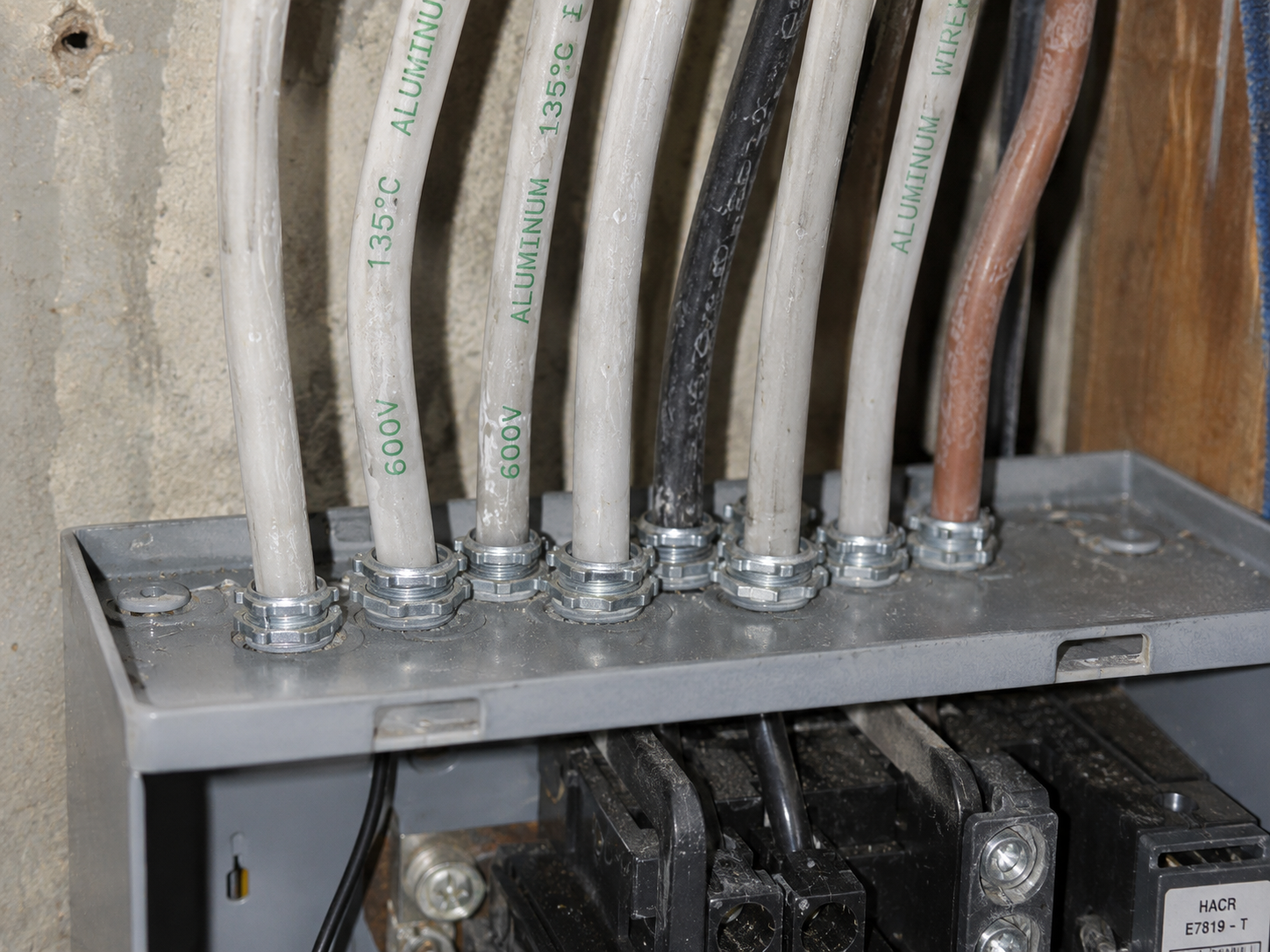
Aluminum wiring is something buyers can still encounter in homes throughout the Kingston area, particularly in communities and neighbourhoods that saw considerable residential construction during the 1960s and 1970s. Amherstview serves as one example, but buyers can still find homes of this age throughout Kingston, Loyalist Township, Frontenac, Leeds, and Lennox & Addington.
Finding aluminum wiring during a home inspection can immediately raise questions. Is it dangerous? Will an insurance company cover the house? Does all the wiring have to be replaced? What if some of the house has copper wiring, and some has aluminum?
The reassuring answer is that aluminum wiring does not automatically make a house unsafe, nor does it automatically mean that someone must rewire the entire house.
Ontario’s Electrical Safety Authority (ESA) states that the Ontario Electrical Safety Code permits aluminum wiring and that people can use it safely when they employ proper connections, terminations, and approved devices. Connections and termination points are the primary cause of problems with older residential aluminum wiring, rather than the aluminum conductor itself.
For homeowners, buyers, and sellers, understanding safety, insurance, and practical considerations is essential for making informed decisions about aluminum wiring.
When was aluminum wiring used in homes?
Aluminum branch-circuit wiring became common in Canadian residential construction when the price of copper increased during the 1960s.
Aluminum wiring might be present in homes constructed between the mid-1960s and late 1970s, according to the ESA.
It is important when evaluating houses built during the extensive residential development this area experienced throughout those decades.
Aluminum wiring might be present in a house, but this is not always true.
Renovations, additions, and electrical upgrades completed over the following 40 or 50 years can cause a combination of aluminum and copper wiring. A kitchen addition may use copper wiring, while bedrooms have kept their original aluminum circuits. A finished basement may be copper even though much of the original house is aluminum.
That is why the age of the house is a clue, not a diagnosis.
Why did aluminum wiring fall out of favour?
It is easy to reduce the issue to “aluminum was dangerous, so we switched back to copper,” but that doesn’t really explain the problem.
Aluminum and copper have different physical properties. Aluminum is softer, can oxidize, and responds differently to heating and cooling. Loose connections, damaged conductors, or connecting aluminum wiring to incompatible devices can all lead to problems.
The important word is connections.
Receptacles, switches, junctions, lighting fixtures, appliance connections, and electrical-panel terminations are all places where the conductor has to connect to something else.
ESA’s guidance requires aluminum conductors to end at devices and connectors approved for aluminum wiring.
Aluminum wiring itself does not simply “wear out” because it reaches a certain age. Properly installed and well-maintained original conductors differ from improperly made or deteriorating connections.
Is there a greater fire risk with aluminum wiring?
Aluminum wiring is not automatically a fire hazard. When properly installed, with sound connections and terminations, and using approved devices, Ontario’s Electrical Safety Authority states that aluminum wiring can be safe.
The concern is that older aluminum branch wiring can be more vulnerable to problems at connection points. Loose or improper terminations, oxidation, damaged conductors, or unsuitable switches and receptacles can increase electrical resistance and create heat. In a serious case, an overheated connection can damage insulation or ignite nearby combustible material.
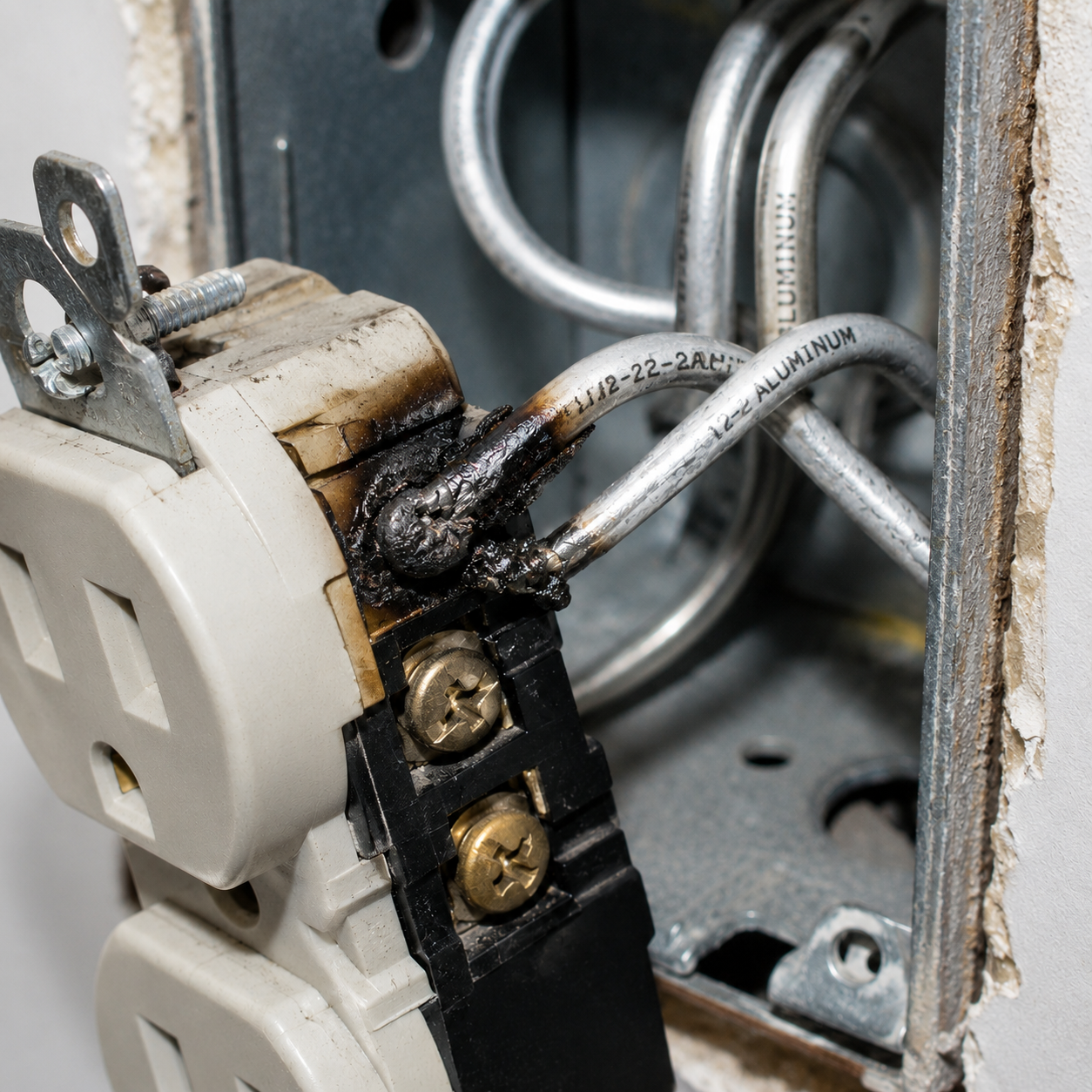
Therefore, the condition of the connections matters more than simply finding aluminum wire in the house.
ESA also points out that electrical fires occur in both copper and aluminum wiring systems, and that many are associated with improper installation or electrical work rather than the conductor material alone.
For a buyer, understanding that aluminum wiring warrants proper assessment rather than automatic concern can help foster trust in professional inspections and reduce unnecessary worry about safety.
Electricians still use aluminum in electrical systems.
Modern electrical systems still use aluminum conductors, despite the poor reputation older residential aluminum branch wiring has gained.
Buyers and homeowners can trust that aluminum wiring, still prevalent today, is a normal and manageable part of current electrical systems rather than an automatic risk.
That includes another situation buyers sometimes encounter: the electrical service conductors feeding the house may be aluminum, even though the branch circuits inside the house are copper.
Those larger service conductors are not the same issue as the smaller aluminum branch-circuit wiring associated with many houses constructed during the 1960s and 1970s.
Seeing aluminum conductors at an electrical panel therefore does not, by itself, tell you that the house has the type of aluminum branch wiring commonly discussed in home inspections.
Can you see signs of an aluminum wiring problem during a showing?
Sometimes there are warning signs that something deserves further investigation even before a buyer submits an offer.
No buyer should start removing electrical covers or trying to inspect wiring during a showing. However, you can pay attention to the condition of the electrical system.
Possible warning signs around electrical connections can include discolouration, evidence of overheating or arcing, flickering lights, melted or damaged material around an electrical connection, or the smell of overheated plastic insulation.
The absence of visible symptoms doesn’t prove that everything behind the walls is fine either.
Another thing I pay attention to in older homes is extensive electrical updating.
A 1970s house may have brand-new-looking receptacles, modern dimmer switches, and attractive new lighting. That can be a positive sign, but if the original aluminum branch wiring remains, the question becomes how electricians connected those newer devices to it.
New electrical components do not guarantee that the wiring behind them is also new; that is something a home inspection can help identify and, where appropriate, a licensed electrical contractor can investigate further.
What are CO/ALR receptacles and switches?
Electrical devices connected directly to aluminum branch wiring must be suitable for that purpose.
ESA’s current technical guidance identifies CO/ALR markings for certain receptacles and switches intended for use with aluminum conductors. Depending upon the equipment, other approved markings can include AL-CU or CU-AL.
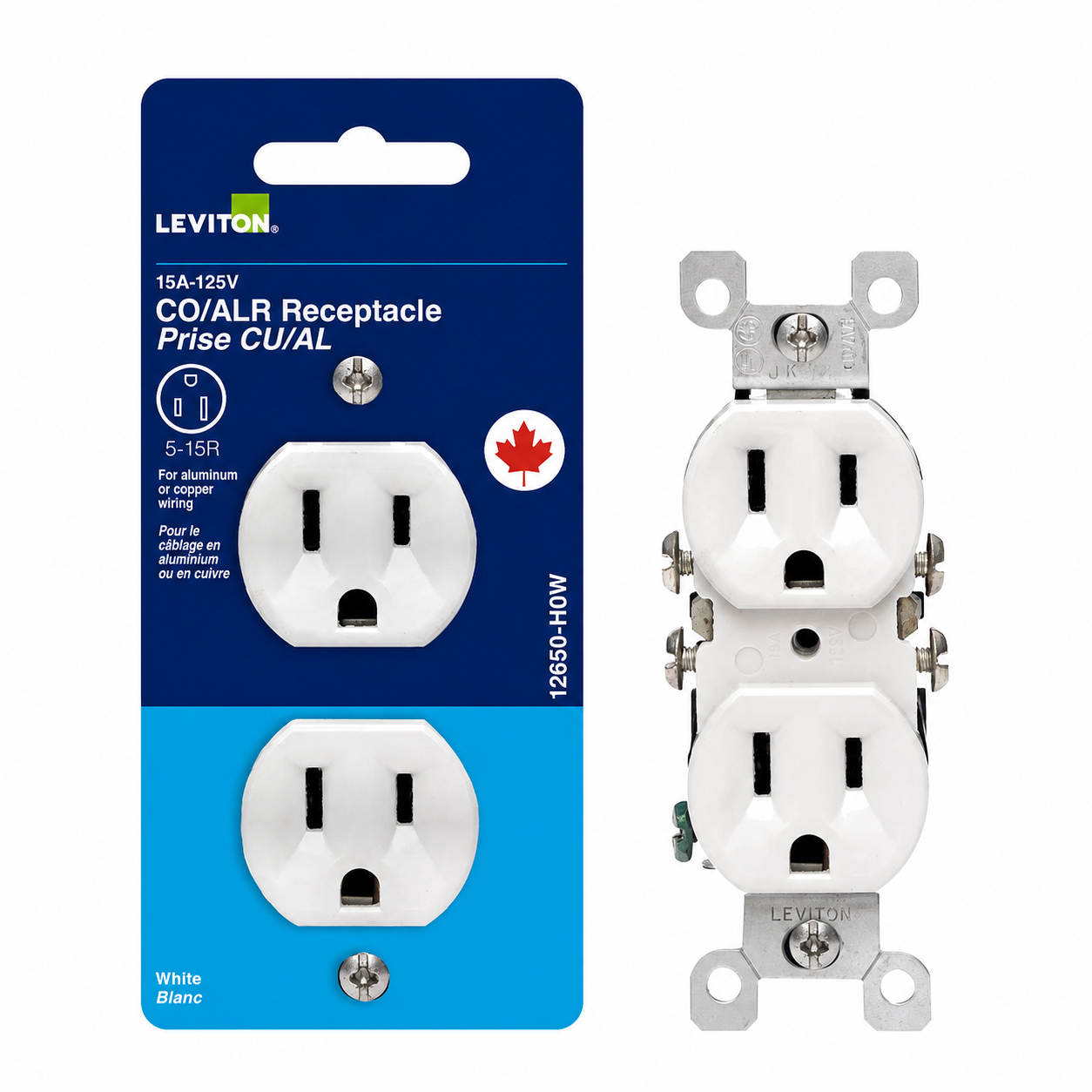
A standard receptacle designed solely for copper wiring should not connect to an aluminum conductor simply because someone desires to swap an older outlet for a newer-looking one.
In a remodelled house, this might prove important.
You may see new switches and receptacles throughout a home while the original aluminum wiring remains behind them. That doesn’t show a problem because approved ways exist for making those connections.
It means that the installation method matters.
What is pig tailing aluminum wiring?
A pigtail connection is a method for joining old aluminum branch wiring to contemporary devices without needing to redo the complete circuit.
You connect a short copper conductor to the existing aluminum conductor using a connector approved for copper-to-aluminum connections. The copper “tail” can then connect to an appropriate device.
ESA specifically permits this type of connection when you use approved copper-to-aluminum connectors.
There is one important point buyers and homeowners should understand:
A pigtailed house still has aluminum wiring.
The aluminum branch conductors remain inside the walls. The remediation changes how those conductors connect to receptacles, switches, or other electrical equipment.
That distinction can also matter when discussing the house with an insurance company. Pig tailing doesn’t turn an aluminum-wired house into a copper-wired house.
What about light fixtures, ceiling fans, and bathroom fans?
This is another area where aluminum wiring can matter.
A replacement light fixture, ceiling fan, bathroom fan, or other piece of electrical equipment will often have copper leads, even though the older branch circuit supplying it may be aluminum.
That creates an aluminum-to-copper connection.
ESA’s current guidance says that where a fixture has wire leads, the connection between those leads and an aluminum conductor must use a connector approved for copper-to-aluminum connections.
Here’s the reason a simple electrical job in an older house might prove more difficult than a similar task in a newer home with copper wiring.
It is also one risk of undocumented do-it-yourself renovations completed over several decades. The aluminum wire itself may be perfectly serviceable, but someone later made an incorrect connection.
Can a house with aluminum wiring become a smart home?
Absolutely.
Having aluminum branch wiring doesn’t prevent a homeowner from installing smart switches, dimmers, modern LED lighting, ceiling fans, and other technology.
Again, the important issue is the connection.
Manufacturers may design a smart switch or other modern device for copper conductors. Instead of attaching the device for a house wired entirely in copper, the installer must use an approved method to connect it to an existing aluminum branch circuit.
This makes electrical modernization an excellent opportunity to review the existing system rather than simply adding new devices.
If you are planning a significant smart-home upgrade in an older house, having a licensed electrical contractor assess the existing electrical system first can help identify what you are starting with.
Consider this when planning several smart switches, new lighting circuits, or other electrical enhancements.
What if the house has both copper and aluminum wiring?
An original 1970 house may have used aluminum wiring; a 1990s addition or renovation may have used copper wiring.
Visible copper in one section of a house doesn’t prove someone updated the entire electrical system.
Where copper and aluminum conductors meet, however, the connection has to be made using an approved method and connector.
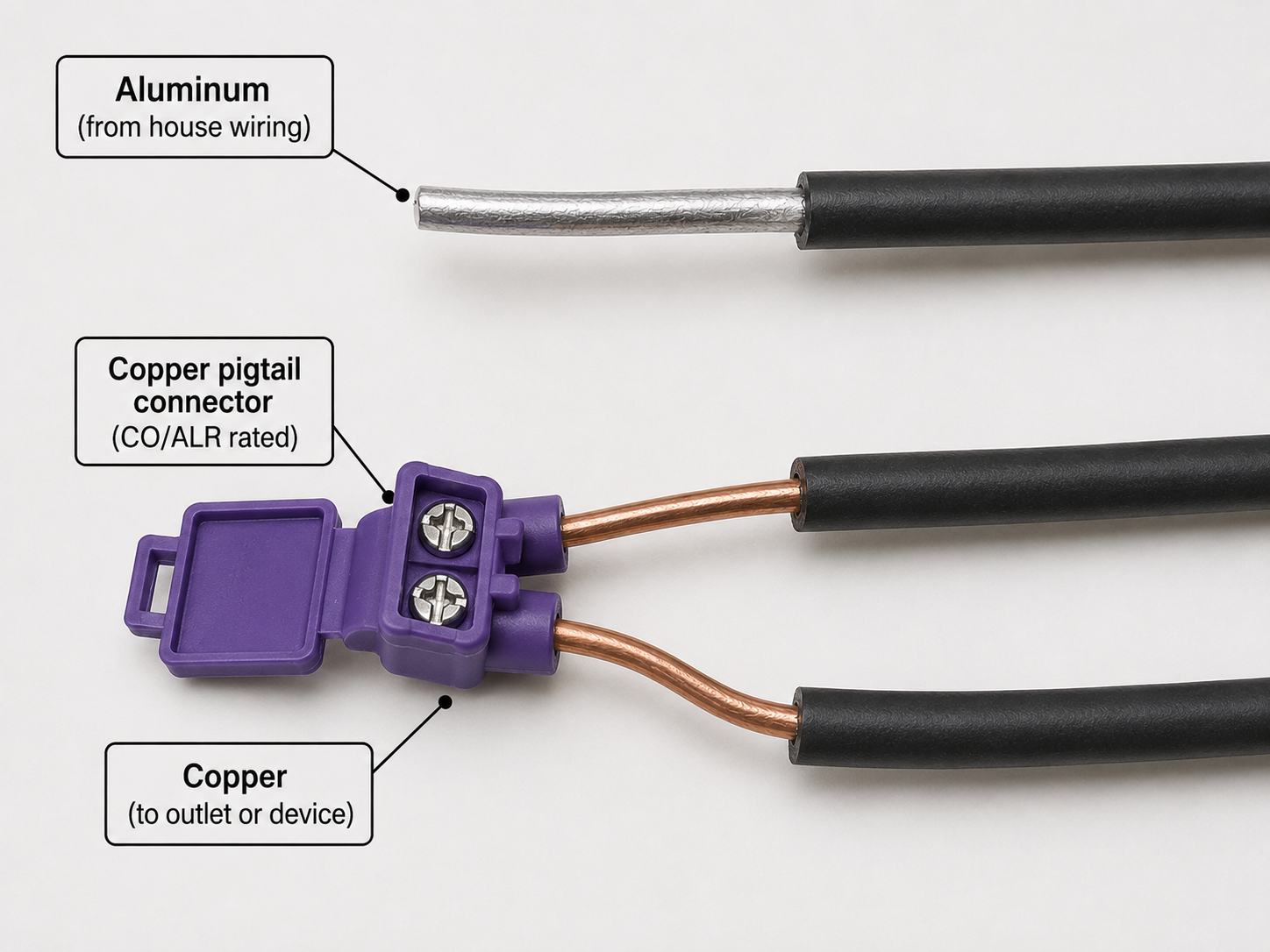
ESA specifically requires approved copper-to-aluminum connections in these situations.
This is one reason documentation from previous electrical work can be valuable when buying an older renovated home.
ESA also recommends checking whether someone properly reported and reviewed the electrical work on a renovated property. Buyers can have their lawyer request an ESA Search of Records where appropriate.
How does aluminum wiring affect home insurance?
For many buyers, insurance becomes the most immediate practical concern.
ESA advises that some insurance companies may not provide or renew coverage on a home with aluminum wiring without inspection and documentation. Repairs or replacement may be required, and an insurer may request an ESA Certificate of Acceptance for completed electrical work.
Not every Ontario insurance company follows one universal rule.
One insurer may accept aluminum wiring after a satisfactory electrical assessment and remediation. Another may impose additional requirements. Another may decide not to insure the property.
Will aluminum wiring increase your insurance premium?
Aluminum wiring can affect home insurance premiums, but there is no standard Ontario-wide increase that applies to every property or insurer.
Insurance companies have their own underwriting requirements. Aluminum wiring could cause a higher premium, but another consequence can be that fewer insurers will compete for the business.
That reduction in choices can itself affect what a homeowner ultimately pays.
For a buyer, the important thing is to find this out before becoming committed to the purchase, rather than discovering a problem while trying to arrange insurance immediately before closing.
Tell the insurance company or broker that the house contains aluminum wiring and ask exactly what they require.
What should you do when buying a home with aluminum wiring?
Finding aluminum wiring during a home inspection doesn’t mean walking away from an otherwise suitable house.
It means doing some additional homework.
A home inspector may identify visible aluminum branch wiring, signs of problems, and other electrical concerns. That may lead to a recommendation for a more specialized electrical assessment.
A licensed electrician can conduct an Electrical System Safety Assessment for real estate deals or insurance needs.
Buyers and homeowners now have a new method for electrical safety evaluations because ESA ended its ElecCheck program in April 2022. ESA says a licensed electrical contractor can now conduct an ElecCheck-style electrical system safety assessment.
The assessment reviews electrical wiring and devices for potential fire and shock hazards.
When inspectors discover deficiencies needing electrical work, they notify the ESA about the required work. Once ESA reviews and accepts the electrical work, ESA issues a Certificate of Acceptance. When you hire a licensed electrical contractor, the contractor handles the required notification and provides the certificate.
That Certificate of Acceptance can be important for both insurance and a future resale.
Is it necessary to replace aluminium wiring?
The ESA doesn’t mandate a total copper rewiring for all residences that have aluminum branch wiring, so replacement of aluminium wiring isn’t always necessary
Each property needs to be assessed individually. ESA recommends using a licensed electrical contractor familiar with aluminum wiring to assess the system, make necessary repairs, and arrange for ESA review of the electrical work.
Depending on the house, remediation may involve approved devices, proper aluminum-to-copper connections, correcting deficient terminations, or other repairs.
Sometimes replacing the aluminum wiring with copper may make sense.
A house could have extensive deficiencies. The homeowner might already undertake a major renovation with walls and ceilings open. An insurance company may have requirements that influence the decision. For some homeowners, a substantial electrical modernization may make sense as a long-term investment.
But these differ from automatically assuming:
Aluminum wiring found = the entire house needs rewiring.
One needs to have the system inspected rather than making a general assumption.
What about an older 100-amp panel or upgrading to 200 amps?
The age and capacity of the electrical service are a separate issue from whether the house has aluminum branch wiring.
A home can have a newer 200-amp panel and still have older aluminum branch circuits. Likewise, a house with an older 100-amp service can have copper branch wiring.
Replacing an electrical panel or increasing the service to 200 amps does not automatically require replacing all the wiring throughout the house.
However, a service or panel upgrade puts a licensed electrical contractor directly in contact with the existing circuits and their terminations, making it a logical time to identify and address electrical deficiencies.
This will become increasingly relevant as homeowners add heat pumps, electric vehicles, hot tubs, and other equipment that can increase electrical demand.
Can you install an EV charger in a home with aluminum wiring?
Having aluminum wiring doesn’t automatically prevent you from installing an electric vehicle charger.
Typically, an EV charger requires its own circuit, separate from existing household wiring.
The bigger question can be whether the existing electrical service and panel have enough capacity for the additional load.
The ESA notes electric cars need substantial power and advises homeowners to verify their electrical panel can handle the added demand. A service upgrade may be required in some homes.
In Ontario, a licensed electrical contractor installing an EV charger must file a notification of work with ESA before installation, and the installation must meet the Ontario Electrical Safety Code. Once the ESA accepts the notification, they issue a Certificate of Acceptance.
For an older home containing aluminum branch wiring, planning an EV charger is also a sensible opportunity to look at the condition and capacity of the broader electrical system.
What about the smart meter outside?
A utility smart meter isn’t really the aluminum wiring issue discussed in this article.
The meter measures the electricity coming into the property. It doesn’t require all the branch wiring inside the house to be copper.
As previously noted, aluminum conductors remain widely used today in electrical distribution systems and larger electrical feeders.
So a modern smart meter tells you very little about whether the branch circuits inside a 1970s house are aluminum, copper, or a combination of both.
Should you have aluminum wiring checked periodically?
ESA does not have a universal rule requiring inspections of residential aluminum wiring every five years or at any other fixed interval.
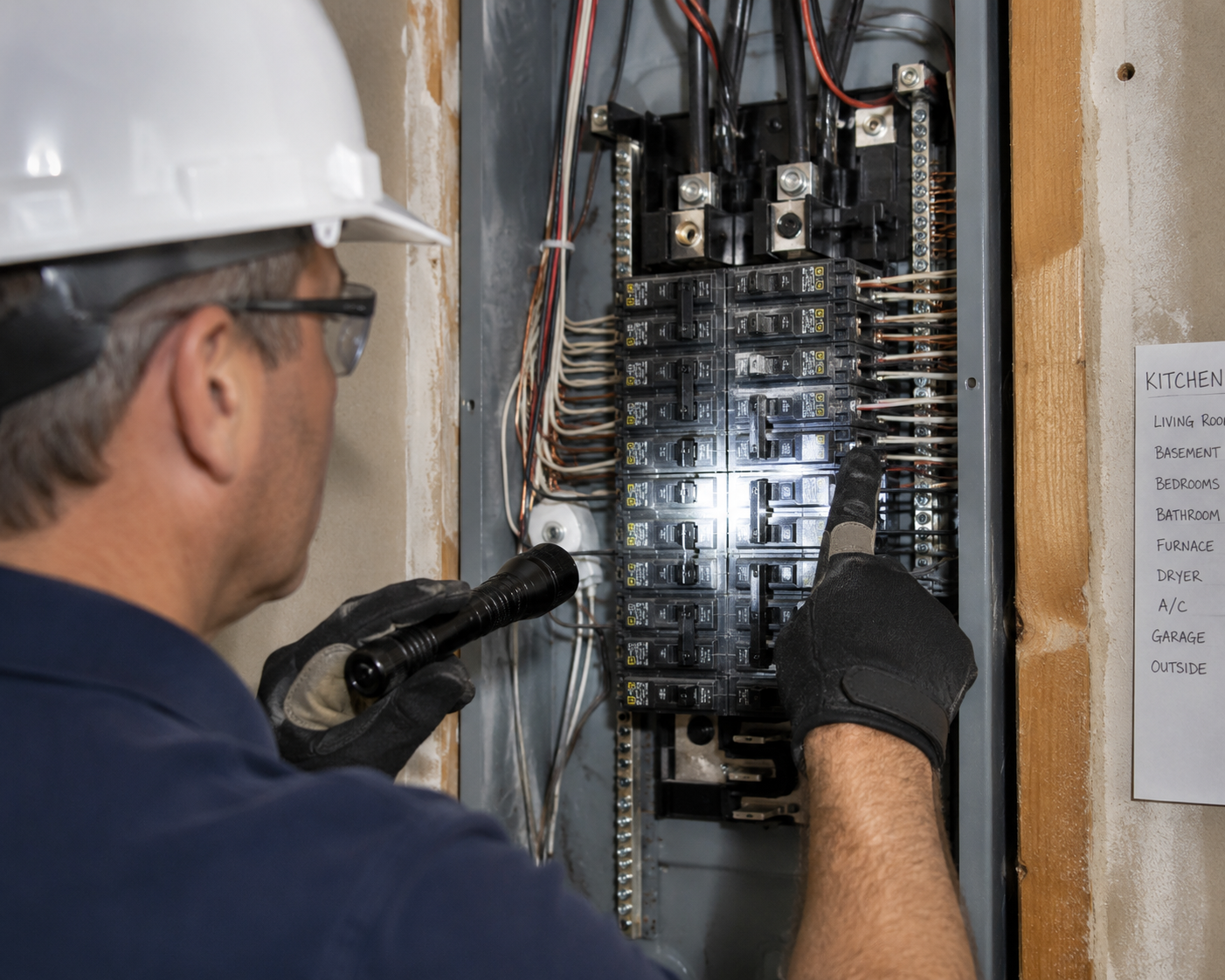
That doesn’t mean homeowners should simply forget about it indefinitely.
If you have owned the same house for many years, particularly an older home, there can be value in occasionally taking a fresh look at its major systems.
A general home inspection isn’t only for somebody buying a house. A homeowner who has lived in the same property for 15 or 20 years may choose to have an inspection to identify developing issues that have gone unnoticed.
If you see yourself living in the house for many more years, this can be a valuable decision.
A home inspector can look at the house and may identify electrical concerns requiring further investigation. When the issue specifically involves aluminum wiring or another electrical condition, a licensed electrical contractor is the person to carry out the more detailed electrical assessment.
There are also several natural times to reconsider the condition of an older electrical system:
when undertaking substantial renovations, when replacing several electrical devices or fixtures, when adding significant new electrical loads, when warning signs develop, when an insurance company requests information, or before selling a house where the wiring is likely to become an issue for a buyer.
The point isn’t to create another mandatory five-year household expense.
It is simply sensible not to assume that because an electrical system was satisfactory decades ago, nobody ever needs to look at it again.
Renovations can reveal aluminum wiring.
Sometimes homeowners don’t know they have aluminum wiring until a renovation begins.
You may open a wall while renovating a kitchen or bathroom and discover aluminum branch wiring that you didn’t know was there.
That does not automatically mean the entire house has to be rewired.
It means that the renovation is a good time to have a licensed electrical contractor assess the wiring and connections before proceeding.
It can also uncover something more important: electrical alterations completed by previous owners that were never properly connected or reported.
ESA advises buyers of renovated homes to verify if someone reviewed the previous electrical work and if any outstanding electrical notifications exist for the property.
Should sellers deal with aluminum wiring before listing?
There can be a real advantage to getting ahead of the issue.
If you already know your house contains aluminum wiring, waiting until a buyer’s home inspection discovers it can introduce uncertainty into the transaction.
Now the buyer may need to arrange an electrical assessment, contact the insurance company, determine what work is required and decide whether the cost or insurance implications affect the offer.
Having the electrical system assessed before listing can provide much clearer information.
Buyers can benefit from useful documentation by having Licensed Electrical Contractors complete repairs and by keeping invoices and ESA Certificates of Acceptance.
That doesn’t mean every seller should automatically spend the money required to rewire a house completely.
The goal is to know what you have, understand its condition, and avoid an unnecessary surprise during a conditional sale.
Aluminum wiring is not the same as knob-and-tube.
People sometimes group the two because both can become insurance concerns, but they are very different electrical systems.
Knob-and-tube wiring is associated with substantially older houses and predates the grounded residential wiring systems we expect today.
Aluminum branch wiring belongs to a much later period, primarily the 1960s and 1970s.
Aluminum remains a permitted electrical conductor when installed and ended appropriately.
A buyer therefore shouldn’t assume that finding aluminum wiring has the same implications as discovering active knob-and-tube.
Both deserve proper investigation, but the remedies and insurance requirements can be quite different.
Old doesn’t automatically mean unsafe.
Older electrical systems are not automatically unsafe simply because they do not meet every standard applied to a new home today.
An older electrical system doesn’t have to look exactly like the electrical system in a newly constructed 2026 house to be serviceable.
The initial acceptable condition of the wiring doesn’t imply that people properly executed every modification they made over the last fifty years.
A well-maintained older electrical system with proper connections may present a very different situation from a house containing newer-looking devices connected incorrectly to older wiring.
In the same way, modern safety improvements can improve an older home’s electrical system beyond its condition at the time of construction.
Rather than judging a house simply by the age or colour of its wiring, look at the condition of the system, the quality of previous work, the recommendations of qualified professionals and the insurance company.
Aluminum wiring in Kingston-area real estate
For buyers looking at homes built during the 1960s and 1970s in Kingston, Amherstview and surrounding communities, aluminum wiring is something worth knowing about.
This should not automatically scare you away from a house, but you should not ignore it.
When you find aluminum wiring, evaluate what is present, whether the connections and devices are suitable, whether electricians performed previous electrical work correctly, and what your insurance company requires.
A home inspector can help identify the issue. A licensed electrical contractor can provide the specialized electrical assessment and carry out any necessary repairs.
That gives you something much more useful than speculation: information on the actual house you are considering buying or already own.
Frequently asked questions about aluminum wiring.
Is aluminum wiring illegal in Ontario?
The Ontario Electrical Safety Code permits aluminum wiring. ESA states that proper connections and terminations, along with appropriate approved devices, ensure its safety.
Does all aluminum wiring need to be replaced with copper?
Assess each home individually. Approved devices, proper aluminum-to-copper connections, and other remediation may be appropriate without completely rewiring the house.
Can I get home insurance with aluminum wiring?
Requirements vary by insurance company. Some insurers may require assessment, repairs, or ESA documentation before providing or renewing coverage. Ask the insurer or broker directly about its requirements.
Does pig tailing mean the house has copper wiring?
A pigtail involves a brief copper conductor attached to existing aluminum branch wiring via an approved connector for aluminum-to-copper junctions. The wiring inside the walls remains aluminum.
Is having both aluminum and copper wiring a problem?
Not automatically. Renovated houses commonly contain wiring from different periods. However, you must use an approved connection method where copper and aluminum join.
Can I install smart switches in a house with aluminum wiring?
Yes, but the device and connection method must be appropriate for the existing wiring. Connecting a device certified only for copper directly to aluminum branch wiring is not advisable.
Can I install an EV charger?
An adequate home electrical system and correct charger installation allow you to install an EV charger. ESA requires an EV charging installation to be reported through a notification of work, and a licensed electrical contractor can determine whether the existing panel or service needs upgrading.
Who should inspect aluminum wiring when buying a house?
A home inspector may identify its presence and visible concerns. For a detailed electrical assessment, ESA says a licensed electrical contractor can perform an Electrical System Safety Assessment.
What paperwork should I keep after electrical repairs?
Keep invoices and your ESA Certificate of Acceptance. According to ESA, the certificate signifies their review of the electrical work and its compliance with the Ontario Electrical Safety Code. This certificate may be important for insurance and resale.
Don’t miss these guides.
Buying, selling, or renovating a home can present challenges, including issues with older electrical systems. These related guides look at inspections, repairs, negotiations, and upgrades that may help you make a more informed decision.
Home Inspections: Proven Ways to Protect Your Ideal Kingston Home
A home inspection can help identify visible electrical concerns, along with issues involving the roof, foundation, plumbing, insulation, heating, and other major systems.
Pre-Listing Home Inspection Benefits
Sellers who know their home has older wiring may benefit from identifying potential concerns before a buyer’s inspection brings them into the negotiation.
Home Sale Negotiations After Inspections
Electrical issues can become part of a buyer’s repair request, price discussion, or insurance planning after an inspection.
Purchasing a Fixer-Upper in Kingston and the Area
Older homes can offer excellent opportunities, but renovations may uncover outdated wiring, plumbing, insulation, or other systems that affect the overall budget.
Smart Homes and the Kingston Market
Adding smart switches, lighting, and other modern devices can be straightforward, but you may need to assess older electrical systems before installing those upgrades.
A note on spelling
People often use both “aluminum” and “aluminium” when they discuss this subject. Aluminium is the spelling I normally use, while aluminum is the spelling used by Ontario’s Electrical Safety Authority and is also the spelling most commonly used when people search for information about residential wiring. For that reason, I’ve used aluminum wiring throughout most of this article.