

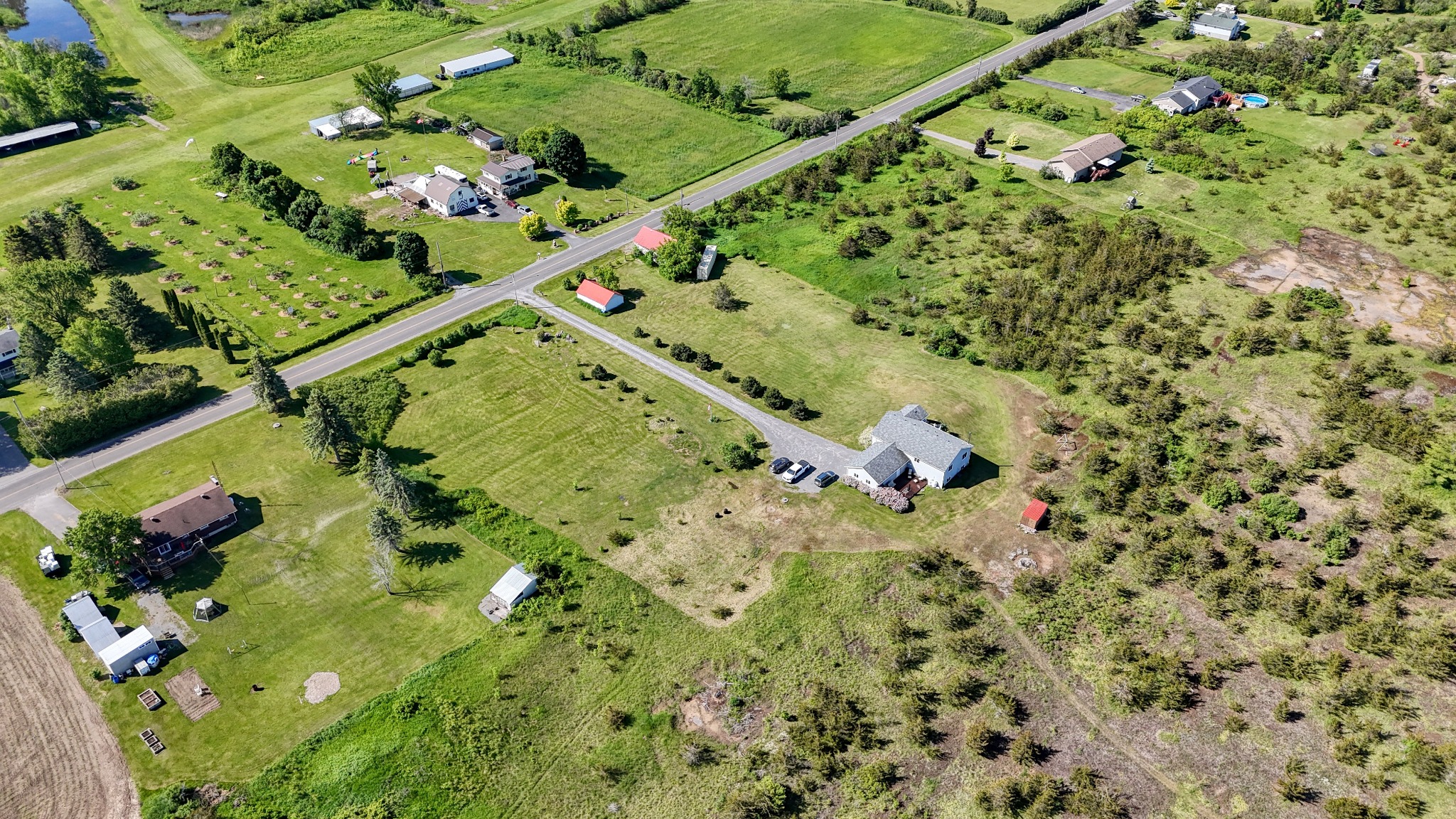
Rural financing issues are something many homebuyers face when looking beyond urban Kingston into Frontenac, Lennox & Addington, and Leeds and Grenville. Moving to a peaceful lot in Sydenham, a historic home in Tamworth, or acreage near Seeley’s Bay can sound ideal. However, securing a mortgage for a countryside property is often more involved than financing a typical bungalow in Kingston’s west end.
Buyers should not assume that a mortgage pre-approval guarantees rural financing for every property. Engaging with the lender early can help build confidence and clarify expectations. A pre-approval is based mainly on the buyer. Final mortgage approval is based on both the buyer and the property. That is why it is important to involve the lender early, ask direct questions, and make sure any financing condition allows enough time to deal with water tests, septic questions, insurance quotes, appraisal issues, and property-specific concerns.
Understanding the infrastructure and legal considerations in rural financing can help buyers feel more prepared and reduce surprises. Lenders look at rural financing through a different risk profile. In the city, municipal water, sewer, roads, natural gas, and fire protection create a more predictable lending environment. In the country, the home may rely on private systems for water, waste, heat, access, and sometimes backup power. Because the resale market can also be smaller in rural townships, lenders and insurers may inspect before approving the file.
Buyers using an insured mortgage should also understand the basic CMHC mortgage loan insurance requirements, because the lender and insurer are both looking at whether the buyer and property fit the mortgage program.
Knowing where financial friction points can appear helps buyers avoid surprises. The Kingston and Area Home Buyers Guidebook 2026 is a helpful starting point for understanding the full purchasing process before making an offer, especially when rural mortgage conditions may take extra time.
1. Acreage and zoning: where rural financing issues begin
Lenders typically base standard residential mortgages on predictable property types such as a house, a garage, and a small residential lot. Once buyers consider larger rural parcels, additional acreage, barns, workshops, and mixed-use possibilities can complicate the lender’s review.
Many traditional lenders and mortgage insurers are most comfortable valuing the home, the immediate residential site, and a limited amount of surrounding land. If a buyer falls in love with a 45-acre property in Central Frontenac, the lender’s appraiser may not give full lending value to every acre. The extra land may still matter to the buyer, but it may not carry the same weight in the mortgage approval.
That can create an appraisal shortfall. For example, a seller may list a country property for $750,000 because it includes a home, outbuildings, trails, and a large parcel of land. If the appraiser determines that the house and the primary residential portion support a $620,000 value for lending, the lender may base the mortgage on that lower amount. The buyer may then need a larger down payment or a different financing strategy to close the gap.
Large outbuildings can create similar issues. A detached workshop, older barn, drive shed, or storage building may be valuable to a rural buyer, but the lender may not treat it the same way the buyer does. If the structure is in poor condition, the lender or insurer may see it as a liability rather than an asset. Concerns can include structural safety, environmental cleanup, old fuel storage, wiring, or the possibility that the property is being used for a business that does not fit normal residential lending.
Zoning is another major rural financing issue. Properties in South Frontenac, Stone Mills, Rideau Lakes, Leeds and the Thousand Islands, and other surrounding municipalities can have very different zoning rules. A property zoned rural residential may be relatively straightforward. However, properties with agricultural, commercial, mixed-use, or seasonal residential zoning may face additional financing hurdles, raising questions about eligibility and lender requirements.
Lenders may sometimes treat an agriculturally zoned property differently, even if the buyer does not intend to farm. Hobby farms, working farms, and larger agricultural parcels may require specialized lending, a larger down payment, or a lender that is comfortable with that type of property. Buyers looking at vacant land should also understand that financing for bare land and future construction differs significantly from a standard resale home mortgage.
Expectations matter, since a property can be appealing, useful, and valuable to the right buyer, yet not every lender will finance it in the same way. Buyers attracted to acreage, barns, workshops, or rural zoning need to talk with a lender before removing conditions.
Ontario land use planning rules
2. Water infrastructure: wells, quality, and quantity
Urban homes rely on municipal water systems. Rural properties across Frontenac, Lennox & Addington, and Leeds and Grenville often rely on private wells, dug wells, drilled wells, shore wells, lake intake systems, or cisterns. That makes water one of the most important parts of rural financing.
A home without a safe or reliable water supply is difficult to finance, insure, and resell. For that reason, lenders often want proof that the water is potable before advancing mortgage funds. A proper laboratory test should show that the water is safe for human consumption, including zero E. coli and zero total coliforms. Buyers should also be prepared to provide detailed well performance data, such as yield and recovery rates, to satisfy lender requirements.
If the water test fails, the financing process can stall. Sometimes, shocking the well, repairing the well cap, improving drainage around the well, or installing treatment equipment like ultraviolet light filtration can correct the issue. Before completing the mortgage, the lender may still require a clean re-test.
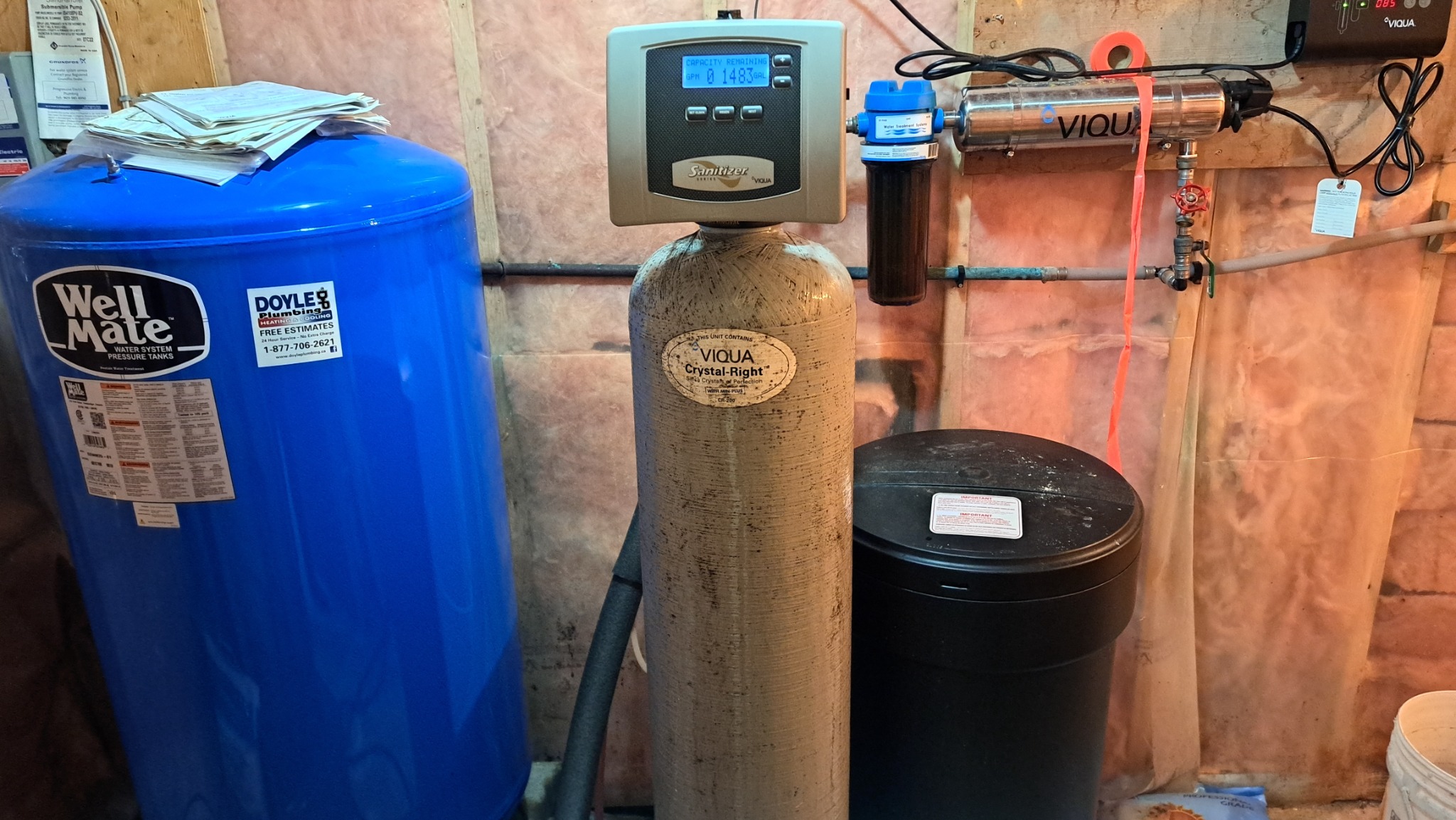
Public Health Ontario provides private well water testing for bacterial indicators of contamination, including E. coli and total coliforms
Water quantity can be just as important as water quality. A well may produce clean water, but not enough for normal household use. Rural buyers should pay attention to well yield, recovery rate, age, depth, well type, and seasonal performance. A low-yield well may require a holding tank or cistern to help balance daily use, especially for larger households.
Some areas with rocky terrain or Canadian Shield conditions can have wells that produce limited flow. That does not automatically mean the property cannot receive financing, but it means the lender, insurer, buyer, and well professional may need more information. Buyers should be especially careful with older dug wells because they are usually shallower and more exposed to surface contamination, drought, and seasonal water changes.
Cisterns can also raise questions about rural financing. Some rural homes rely on delivered water stored in a large holding tank rather than a traditional well. Some areas consider this practice to be acceptable and usual. However, lenders may be more cautious because properties relying on regular water delivery often have a smaller resale market and may require specialized financing or larger down payments. Early in the purchase process, buyers should consult their lender about these options.
Before waiving a financing condition, buyers should understand the water source, review records, complete a water test, and ask whether the lender has any concerns with the well or cistern setup. A Kingston Area Guide to Wells and Septic Systems and Is a dug well problematic? are useful companion guides for buyers who want to understand how private water systems can affect rural financing.
3. Septic systems and waste treatment
Municipal sewer systems do not connect to most rural properties. Instead, they rely on a private septic system. Septic conditions, capacity, and legal compliance pose another substantial problem for rural financing.
A failed septic system can create environmental problems, health concerns, and major repair costs. Replacement costs can vary widely depending on the site, soil, slope, setbacks, waterfront restrictions, and whether an engineered system is required. Even a property that looks well maintained on the surface can have an aging or undersized septic system below ground.
Lenders might require documents, including a septic use permit, a certificate of completion, an inspection record, or other available paperwork showing the system’s lawful installation. Not every older property will have perfect records, but missing or unclear paperwork can slow the process and lead to more questions.
The number of bedrooms is one of the hidden issues buyers often overlook. Septic system size depends partly on the number of bedrooms and the projected daily sewage flow. If a previous owner finished a basement and added bedrooms without updating the septic system, the home may not comply with the system originally approved. That can become a problem for rural financing, insurance, resale, and future renovations.
Waterfront lots and rocky rural properties can add another layer of complexity. Tight lots, poor soil, steep slopes, and limited space may require advanced treatment systems instead of a conventional septic bed. These systems can work very well, but they often require service contracts, annual inspections, and maintenance records. A lender or insurer may ask to see proof that the system is being maintained properly.
A standard home inspection is not the same as a septic inspection. A home inspector may comment on visible plumbing and general signs of concern. Still, a septic technician is the person who can assess the tank, baffles, bed condition, visible signs of failure, and maintenance needs. Buyers should use a proper septic condition in the Agreement of Purchase and Sale when the property depends on a private sewage system.
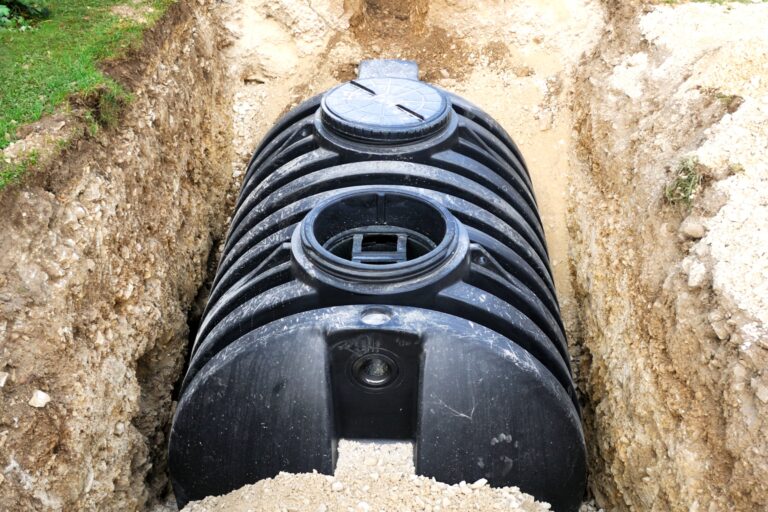
Septic concerns do not always kill a deal, but they can quickly change the numbers. A buyer may need repairs, holdbacks, seller documentation, a price adjustment, or, in serious cases, the decision to walk away. Therefore, complete septic due diligence before waiving the financing condition.
More on Ontario septic systems.
4. Heating, Electrical, and Insurance Issues
A property usually must be fully insurable before a lender will advance mortgage funds. That means heating systems, electrical service, and environmental risks can directly affect rural financing.
Many rural homes near Kingston use heating systems that are less common in the city. These may include wood stoves, pellet stoves, oil furnaces, propane furnaces, boilers, heat pumps, geothermal systems, or a combination of systems. Some are excellent when properly installed and maintained, but lenders and insurers will want to know that the home is safe, functional, and insurable.
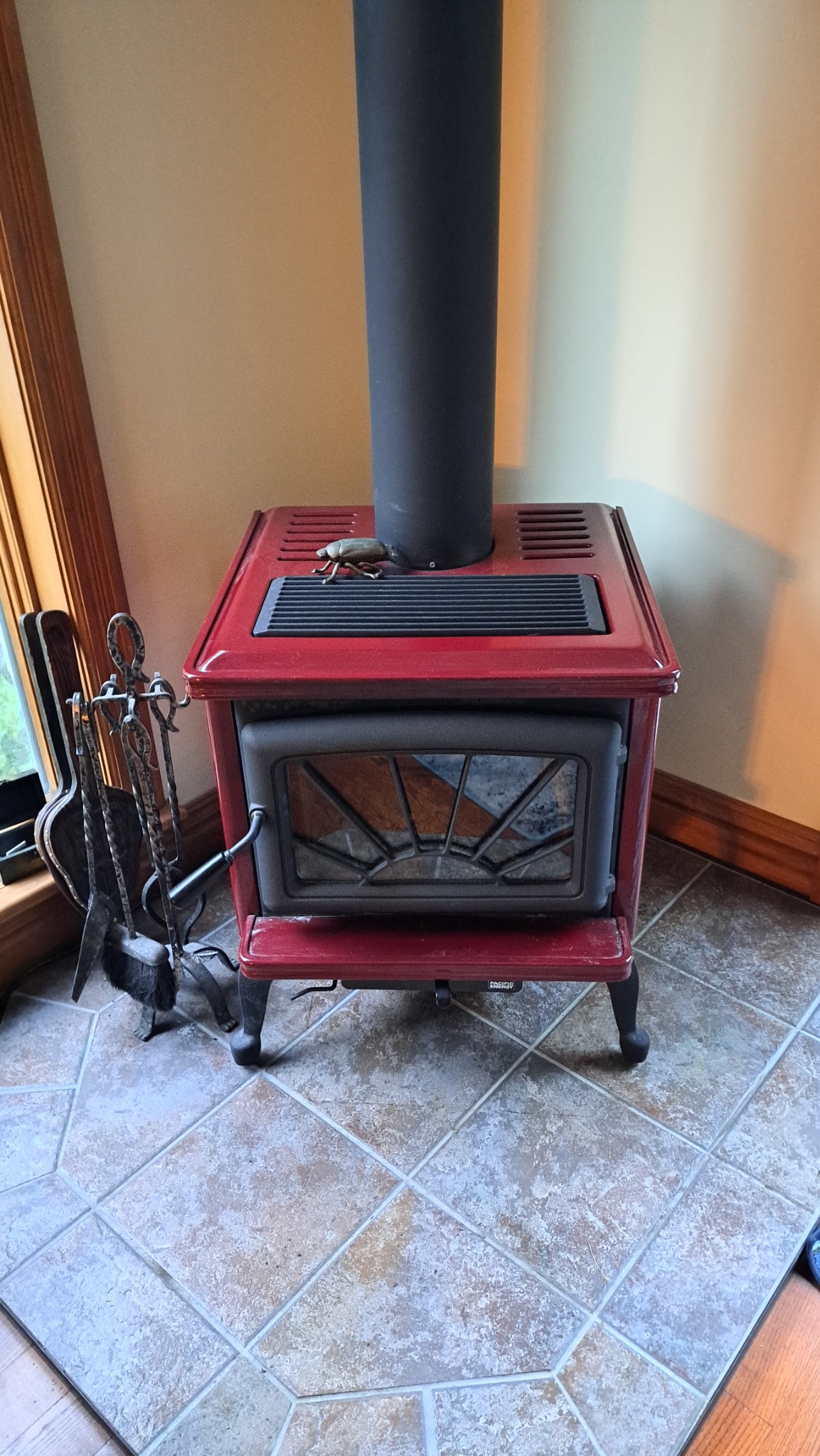
Wood-burning appliances are a common example. A wood stove or pellet stove may be a practical heat source, but insurance companies often require a WETT inspection before issuing coverage. The inspector checks the appliance, chimney, installation, and clearances. If the system does not pass, the buyer may need repairs, removal, or replacement before insurance is available. Without insurance, the lender will not complete the mortgage.
Oil heating can also create rural financing issues. Many older country homes still have oil tanks, and insurers often pay close attention to the tank’s age, location, condition, and installation. The 1960s and 1970s saw the phasing out of steel tanks. Insurers may require their replacement before approving coverage, as these tanks typically lasted twenty to thirty years. Outdoor tanks, basement tanks, and any signs of leakage can trigger more review.
Underground oil tanks are an even bigger concern. If old or abandoned underground tanks exist, the lender or insurer might require an investigation, removal, or environmental testing before financing the property. The concern is not only the tank itself, but the possibility of soil contamination and cleanup costs.
Electrical systems deserve the same level of attention. Older rural homes, farmhouses, cottages, and former agricultural properties may feature older electrical panels, fuse panels, aluminum wiring, knob-and-tube wiring, overloaded circuits, unpermitted additions, or wiring that owners have extended into barns, garages, and workshops over the years. Sometimes, an older rural home may still have limited electrical service, such as 60 amps, which may not support modern appliances, heat pumps, workshops, future renovations, or other high-demand uses.
The Insurance Bureau of Canada explains insurers may ask about outdated electrical systems, including knob-and-tube wiring, aluminum wiring, fuses, or electrical service below 100 amps.
If coverage is delayed or declined, an insurance concern can quickly become a rural financing issue. If the insurer refuses to provide coverage until the electrical system is inspected, repaired, or upgraded, the lender may withhold funds at closing. Buyers should ask early whether the home has breakers or fuses, the size of the electrical service, whether any aluminum or knob-and-tube wiring is present, and whether outbuildings have their own electrical supply.
The Ontario Electrical Safety Authority has useful information for buyers reviewing older wiring concerns, including knob-and-tube wiring and aluminum wiring. The Ontario Electrical Safety Authority offers useful information for buyers concerned about older wiring, such as knob-and-tube and aluminum wiring.
Aluminum wiring does not automatically mean a home is unsafe, but the Electrical Safety Authority explains that insurers may ask for an ESA inspection before providing or renewing coverage. Buyers can investigate these issues before waiving the financing condition, as they do not always prevent a property purchase.
The Guide to Rural Heating Systems is a useful companion resource because heating choices affect more than comfort. They can influence insurance, monthly carrying costs, inspection conditions, and the buyer’s ability to complete rural financing on schedule.
5. Access, logistics, and fire safety
Access is one of the most practical issues in rural financing, and it is easy to underestimate. Even if a property appears ideal in pleasant weather, lenders and insurers require assurance of its year-round safe and legal accessibility.
Homes on publicly maintained year-round roads are usually the simplest from a financing perspective. The township maintains the road, snow removal is predictable, and emergency vehicles can usually reach the property. That gives lenders and insurers more confidence.
Private roads are more complicated. They are common around waterfront, wooded, and cottage-style areas across the region. A lender may want confirmation that the property has a legal right-of-way or easement and that there is a logical arrangement for maintenance, snow removal, repairs, and shared costs. A registered road maintenance agreement can make the file easier to support.
Seasonal roads are another matter. Some lenders may consider the property seasonal rather than a full-time residence if maintenance does not occur year-round. That can affect payment requirements, available lenders, mortgage terms, and insurance options. A buyer planning to live in the home year-round should be especially careful before waiving conditions on a property with seasonal or limited access.
Fire protection also matters. Rural insurance premiums can be higher when a home is far from a fire hall, fire hydrant, or reliable water source for firefighting. In many rural areas, volunteer fire departments provide excellent service, but distance still affects insurance underwriting. Higher insurance premiums can also affect the buyer’s debt service ratio when the lender calculates affordability.
Based on the distance from a fire station and the property’s protection status, some insurers classify properties differently. If a home is too far from fire protection, insurance may become more expensive or harder to get. Since mortgage financing requires insurance, this can quickly become a rural financing problem.
Logistics can also include garbage pickup, school bus routes, propane delivery, internet service, winter plowing, driveway length, and backup power. These issues may not all be direct mortgage rules, but they affect the buyer’s carrying costs and comfort level.
Rural logistics can add costs that are easy to overlook during a showing. Regular plowing may be necessary for long driveways; remote homes might incur higher heating or service costs; limited internet options could be a challenge; and well pumps or sump pumps might require backup power during outages.
Rural homes can be wonderful places to live, but they need to be evaluated differently than city homes. Buyers need to verify access, fire protection, road maintenance, and insurance early to prevent last-minute issues before the financing condition expires.
FAQ: Rural financing issues in Kingston and the surrounding area
Does mortgage pre-approval guarantee rural financing?
No. A mortgage pre-approval is based mainly on the buyer’s income, credit, debt, and down payment. Final approval is based on both the buyer and the property. With rural financing, the lender may also review the well, septic system, road access, insurance, zoning, appraisal, heating system, electrical service, and overall marketability of the property.
Why are rural properties sometimes harder to finance?
Rural properties can be harder to finance because they often depend on private systems instead of municipal services. A country home may have a private well, septic system, wood stove, oil tank, private road, large acreage, outbuildings, or older electrical service. These features do not automatically prevent financing, but they can lead to more questions from lenders, insurers, and appraisers.
Can acreage affect rural financing?
Yes. Extra acreage can affect rural financing because lenders may not assign full lending value to every acre. A buyer may love the land, trails, barns, or open space, but the lender may focus more on the house, the main residential portion of the property, and the likely resale market. If the appraisal comes in lower than the purchase price, the buyer may need a larger down payment.
Do wells affect mortgage approval?
They can. It’s important for lenders to verify that the home has a secure and trustworthy water supply. A failed water test, a low-yield well, an older dug well, or an unclear water source can delay rural financing. Buyers should complete water testing early and ask their lender whether the well type or water supply creates any concerns.
Can a dug well make rural financing more difficult?
Since dug wells are usually shallower than drilled wells and may face more exposure to surface contamination, dry spells, and seasonal water changes, people can give them extra attention. A dug well does not automatically make a property impossible to finance, but buyers should expect more questions about water quality, water quantity, treatment systems, and long-term reliability.
Why does the septic system matter to the lender?
A septic system matters because a failed or undersized system can be expensive to repair and may affect the property’s value, safety, and resale potential. Lenders may want someone to verify the legal installation and proper functioning of the system. Buyers should use a proper septic condition and have the system inspected before waiving conditions.
Can a private road affect rural financing?
Yes, private roads can affect rural financing because lenders want to know the property has legal and practical year-round access. A clear right-of-way, registered easement, or road maintenance agreement can help. Lenders might consider the property a cottage rather than a year-round home if seasonal roads or unclear access affect financing opportunities.
What is a road maintenance agreement, and why can it affect rural financing?
The owners who use a private road explain through a road maintenance agreement how they maintain, repair, plow, and pay for it. Lenders may ask about this when a rural property is not on a publicly maintained, year-round road. If there is no clear agreement, the lender may worry about legal access, winter access, emergency vehicle access, and future resale value. Buyers should inquire early about whether the municipality, a private party, or others maintain the road seasonally or leave it unmaintained, and they should have their lawyer review any easement or road maintenance agreement before waiving conditions.
Does insurance affect rural financing?
Yes. Insurance is a major part of rural financing because the lender will not usually advance mortgage funds unless the property can be insured. Wood stoves, oil tanks, older electrical panels, knob-and-tube wiring, aluminum wiring, 60-amp service, remote fire protection, and older outbuildings can all affect insurance approval.
Can an older electrical panel cause financing problems?
Yes, indirectly. An older electrical panel, fuse panel, 60-amp service, aluminum wiring, knob-and-tube wiring, or questionable outbuilding wiring is often an insurance issue first. However, the lender might postpone the mortgage if insurance is held up or rejected, as they require confirmation of insurance prior to closing.
What should buyers do before making an offer on a rural home?
Buyers should speak with their lender before making an offer and make sure the financing condition allows enough time for rural property checks. Buyers should review water testing, septic inspection, insurance quotes, electrical concerns, road access, zoning, and appraisal issues early. Rural homes can be excellent purchases, but the financing process rewards preparation.
Don’t Miss These Guides
Buying a countryside home comes with extra details that may not apply to a typical city property. Wells, septic systems, heating equipment, road access, insurance, and property condition can all affect rural financing, closing timelines, and long-term costs. These related guides can help Kingston and area buyers understand what to watch for before making an offer.
A Kingston Area Guide to Wells and Septic Systems
Private wells and septic systems are a major part of many rural purchases. This guide explains how these systems work, what buyers should ask about during a showing, and why water quality, water supply, septic condition, and inspection results can all play a role in rural financing.
Is a dug well problematic?
Dug wells can raise more questions than drilled wells because they are usually shallower and more exposed to seasonal changes. This guide looks at water quality, dry spells, inspection concerns, and why some dug wells may receive extra attention from lenders during the rural financing process.
Guide to Rural Heating Systems
Rural homes often rely on heating systems that are less common in town, including wood stoves, oil furnaces, propane systems, geothermal, and heat pumps. This guide explains how heating choices can affect insurance, operating costs, inspections, and rural financing approval.
Home Buying in Kingston and Area: Balancing Wants and Needs
Moving to the country often means weighing privacy, land, outbuildings, waterfront, or quiet surroundings against commute times, maintenance, utilities, and financing limits. This guide can help buyers sort out what matters most before they stretch too far for a rural property that may be more difficult to finance.
Kingston and Area Home Buyers Guidebook
This step-by-step guide walks buyers through the local home-buying process, from pre-approval to closing day. It is a useful starting point for understanding offers, conditions, inspections, financing, deposits, and the property-specific issues that can affect rural financing.