

Rural heating systems are often one of the least understood aspects of buying a country property. Buyers may spend hours evaluating kitchens, bathrooms, views, and acreage, yet pay little attention to the equipment quietly keeping the home comfortable throughout the year.
That can be a costly mistake.
The heating and cooling system affects monthly operating expenses, maintenance requirements, insurance considerations, comfort, and future replacement costs. Understanding the home’s heating and cooling systems is as important as understanding the well, septic system, roof, or electrical service.
For buyers considering homes in South Frontenac, Central Frontenac, Rideau Lakes, Napanee, Gananoque, Wolfe Island, and other communities surrounding Kingston, heating systems can look very different from what many homeowners are accustomed to in the city. Propane, heat pumps, geothermal systems, boilers, wood heat, and combination furnaces are all commonly encountered rural heating systems.
Before making an offer, it helps to understand what these systems do, how they work, and what questions buyers should be asking.
Understanding rural heating systems.
One of the biggest surprises for buyers moving from Kingston into a rural property is the variety of heating and cooling systems they encounter.
Natural gas service is common within many Kingston neighbourhoods, but rural properties often rely on alternative heating sources. People commonly use propane, but they also widely use heat pumps, geothermal systems, boilers, wood heat, pellet systems, and combination furnaces.
The choice for rural heating systems often comes down to fuel availability, operating costs, property size, lifestyle, and preference. Some homeowners prioritize efficiency. Others value fuel flexibility, energy independence, or reliable backup heat during winter storms and power outages.
No single system is right for every property. Understanding the advantages and limitations of each can help buyers make a more informed decision.
Heat pumps
Heat pumps have become one of the fastest-growing heating and cooling technologies in Canada.
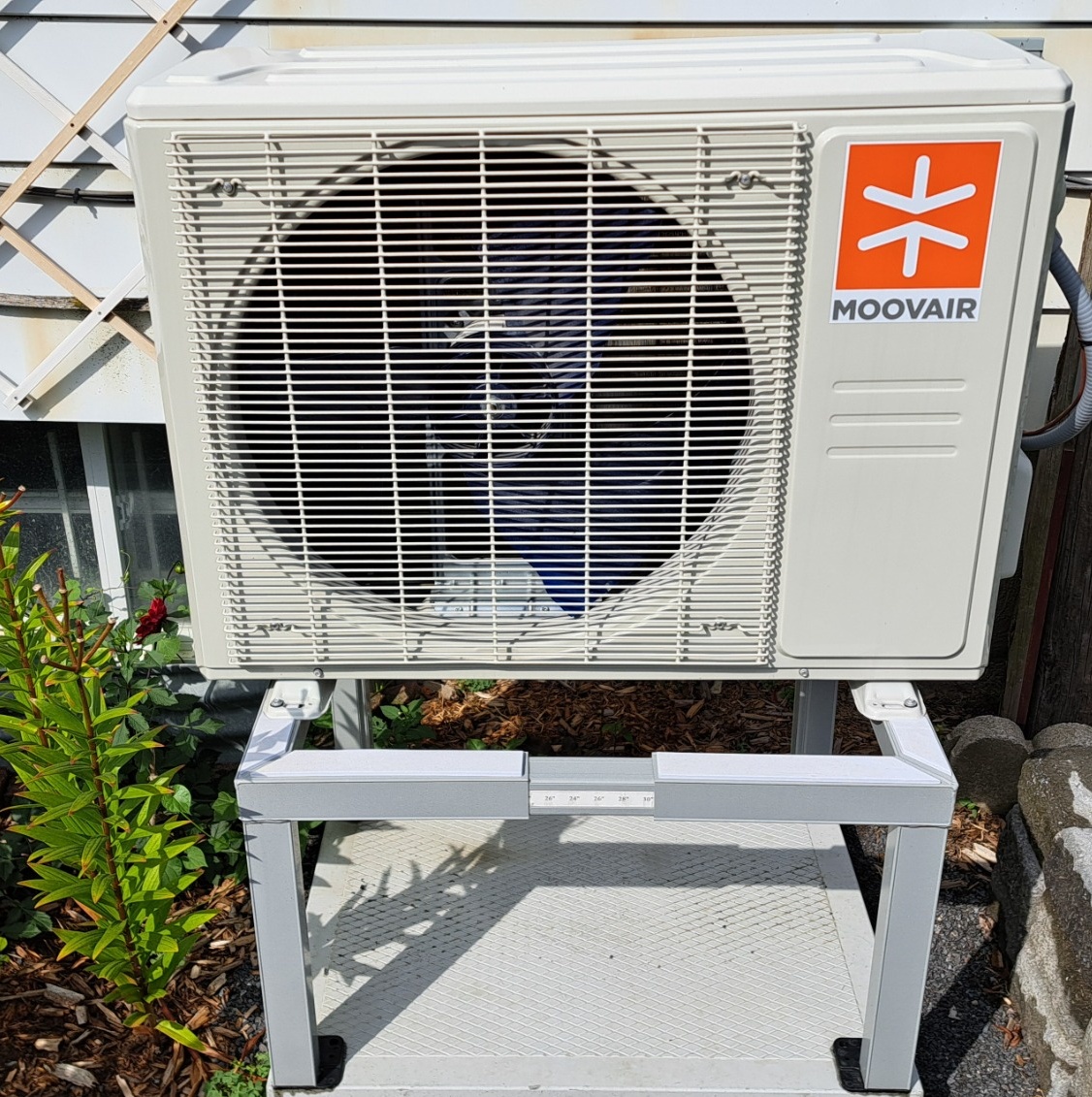
Unlike a traditional furnace, a heat pump does not create heat through combustion. Instead, it transfers heat from one location to another. During winter, it extracts heat from the outdoor air and moves it indoors. During summer, the process reverses, and the same equipment functions as an air conditioner.
For many homeowners, this means one system can provide both heating and cooling throughout the year.
Modern cold-climate heat pumps operate efficiently at temperatures well below freezing, making them a popular choice in Kingston and surrounding rural areas for reliable heating and cooling.
Many rural homeowners are replacing older oil furnaces or electric baseboard heating systems with heat pumps to reduce operating costs and improve comfort.
Heat pumps are available in several configurations. Some connect to traditional ductwork and operate much like a conventional furnace. Others function as ductless mini-split systems, offering localized heating and cooling through wall-mounted indoor units.
While heat pumps can be highly efficient, buyers should understand whether the system has a backup heat source, such as electric backup heat or propane, especially during extreme cold periods, to ensure reliable heating in Kingston and rural areas.
Geothermal heating and cooling
Geothermal systems remain less common than heat pumps or propane furnaces, but they are attracting growing attention from homeowners seeking long-term efficiency for their rural heating systems.
Rather than drawing heat from outdoor air, geothermal systems exchange heat with the stable temperatures underground; this allows the system to operate efficiently year round, regardless of outdoor conditions.
During winter, the environment transfers heat into the home. During summer, the ground removes excess heat from the home and releases it back into the home.
The biggest challenge with geothermal is the upfront installation cost. Specialized design and equipment are necessary to install ground loops beneath the property. However, many homeowners report excellent comfort and lower long-term operating costs.
My sister recently converted her rural home to geothermal heating and cooling, and she reports excellent comfort and lower long-term costs, making it a compelling option for long-term homeowners.
For homeowners planning to stay in a property for many years, exploring geothermal options can provide a sense of security and optimism about long-term efficiency and savings.
Combination furnaces
Combination furnaces are among the most interesting of the rural heating systems buyers encounter in the areas around Kingston.
Most urban dwellers have never encountered one.
A combination furnace allows homeowners to use more than one fuel source. Common examples include wood-and-propane, wood-and-oil, wood-and-electricity, and pellet-and-propane systems.
These systems are popular because they provide flexibility.
A homeowner can choose to burn wood for most of the winter and let the furnace automatically switch to propane or another fuel source when they need more heat. The two types of fuel can provide significant savings while maintaining the convenience of automatic heating when the homeowner is away from the property.
Combination systems are attractive to homeowners who have access to affordable firewood or who prefer not to rely entirely on a single fuel source.
In rural communities where self-sufficiency remains important, combination furnaces continue to be a practical and popular option.
Propane heating systems
Propane remains one of the most common heating fuels found in rural homes throughout Kingston and the surrounding area.
Many homeowners view propane as the rural equivalent of natural gas. Propane furnaces deliver high heating output, perform well in prolonged cold weather, and are familiar to most heating contractors.
Propane requires on-site storage in a tank, unlike natural gas. Depending on the property, the tank may be owned by the homeowner or rented from a supplier.
People often use propane for purposes beyond just heating. Water heaters, fireplaces, ranges, dryers, standby generators, and outdoor cooking equipment may all rely on the same fuel source.
Buyers considering rural properties should understand how propane suppliers deliver, store, and bill propane, as this knowledge plays an important role in evaluating future operating costs.
Boilers and hydronic heating
Many older homes throughout Kingston and the area use boilers rather than furnaces.
Instead of heating air, a boiler heats water and circulates it through radiators, baseboard heating systems, or in-floor tubing.
Many homeowners consider hydronic heating one of the most comfortable forms of heat available. The warmth tends to feel more even and less drying than forced-air systems.
Radiant floor heating has become especially popular in custom homes, newer additions, and renovated spaces such as bathrooms and basements.
Propane, oil, electricity, wood, or other fuel sources can power boilers, making them adaptable to a variety of property types.
While repairs can sometimes be more specialized than those involving conventional furnaces, many homeowners appreciate the comfort and quiet operation these systems provide.
One reason hydronic systems remain popular is comfort. Rather than blowing warm air through ductwork, hydronic systems deliver heat through radiators, baseboards, or in-floor tubing. Many homeowners describe the warmth as more even and comfortable, particularly during long periods of cold weather. Because there is little air movement, hydronic heating may also circulate less dust than a traditional forced-air system.
Rural heating systems often combine hydronic heating with other technologies. A propane boiler, wood boiler, geothermal system, or even a heat pump can serve as the heat source for a hydronic distribution system. It is not unusual to find a rural home with heated basement floors, a heated garage slab, or multiple heating zones controlled independently throughout the property.
Ductless mini-splits
Mini-split systems have become increasingly common throughout Kingston and the surrounding area.
They are useful in older homes without existing ductwork, including farmhouses, cottages, detached garages, workshops, and additions.
A mini-split system comprises an outdoor unit connected to one or more indoor wall-mounted units. Homeowners can often control each area independently, which allows them to adjust temperatures in different parts of the home.
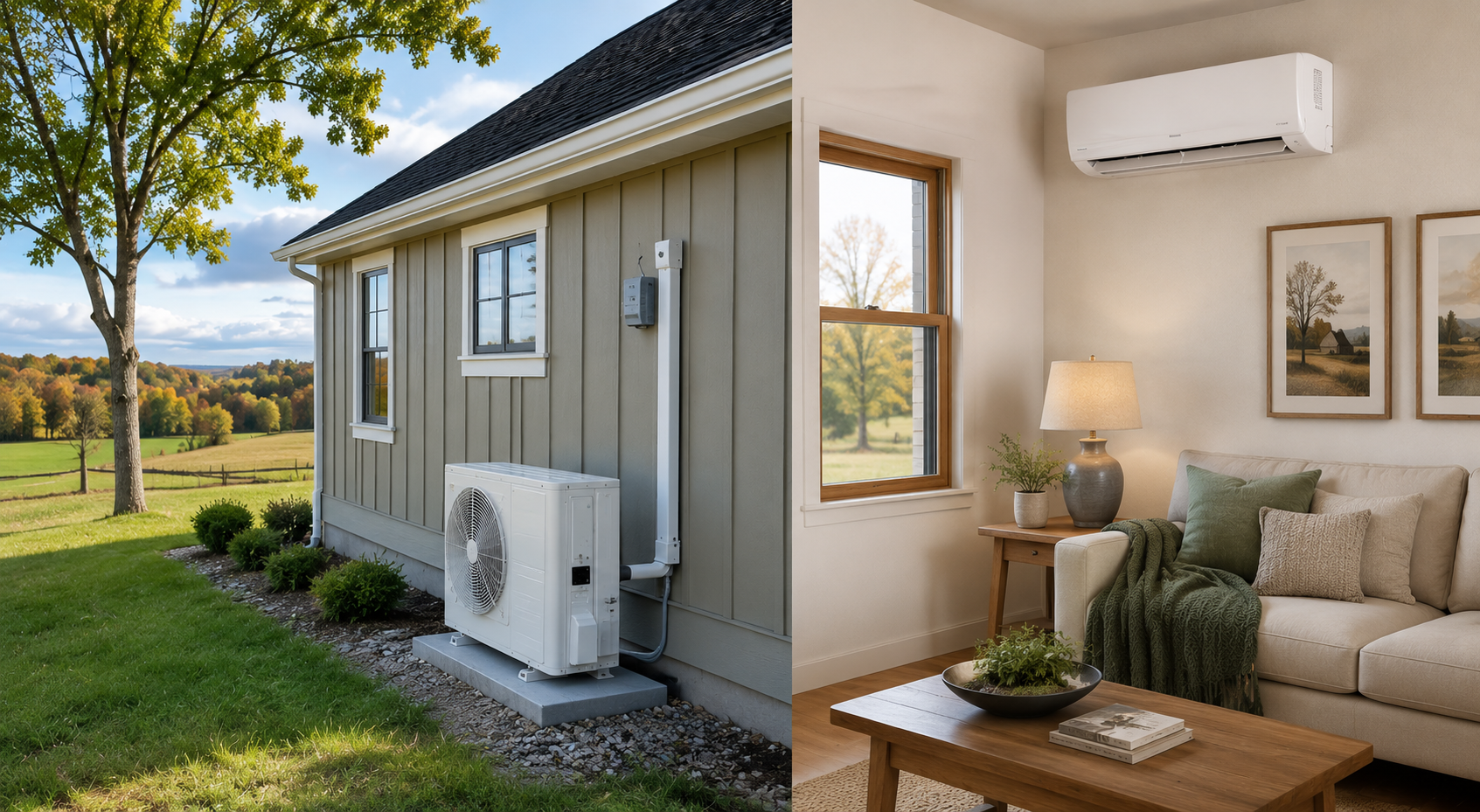
This flexibility can improve comfort while reducing energy consumption.
Mini-splits also provide both heating and cooling, making them an attractive option for homeowners who want a year-round solution without major renovations.
Wood and pellet heating
Wood heat remains a reality in many rural communities.
Some homeowners use wood as their primary heat source, while others use it to supplement propane, heat pumps, or electric heating systems.
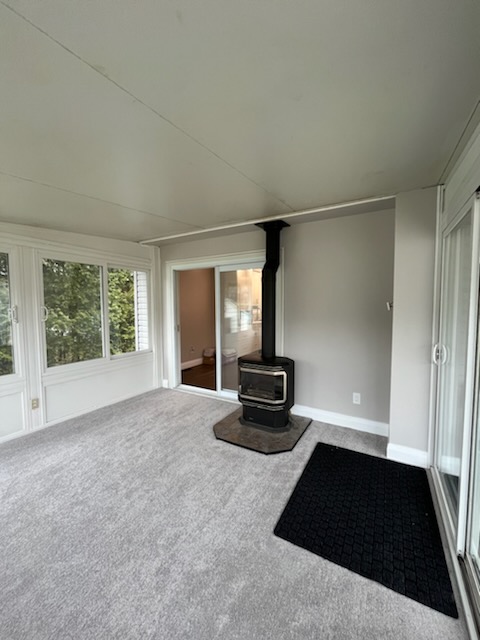
Modern wood stoves and pellet stoves are more efficient than older models and can provide substantial heat during cold weather.
For some homeowners, wood heat offers lower operating costs. For others, it provides peace of mind during winter storms or power outages.
Buyers should understand that wood-burning appliances may have insurance implications. Some insurers require documentation regarding installation, inspection, or compliance with current standards.
When evaluating a property, it is worth understanding whether the wood-burning appliance serves primarily as supplemental heat or whether it plays a major role in heating the home
Oil-based rural heating systems.
Although oil heating is less common than it once was, buyers will still encounter it from time to time.
Many oil systems continue to provide dependable heat, particularly in older homes.
The most important consideration is often the fuel tank. Insurance companies may have specific requirements regarding tank age, condition, and location.
Prospective buyers need to understand their acquisition and any upcoming improvements, even though homes with oil heating are not flawed.
Some homeowners continue to use oil systems successfully for many years, while others convert to propane, heat pumps, or other alternatives when it’s time to replace their systems.
One of the biggest concerns surrounding oil heat today is insurance. While many oil systems continue to operate safely and effectively, some insurance companies have become more selective regarding older tanks.
Buyers should determine the age of both the furnace and the oil tank. You or the inspector can often confirm the tank’s age using the manufacturer’s information tag. If no tag or documentation is available, insurers may view the tank as older or require additional information before providing coverage.
The location of the tank may also matter. Some insurers apply different requirements for indoor and outdoor installations, particularly for older equipment.
Before removing conditions on a property with oil heat, buyers should speak with their insurance provider and confirm that coverage will be available under their circumstances.
A quick mention of natural gas.
Natural gas remains common within Kingston and certain serviced communities, but it is not available to many rural properties throughout Kingston and the area.
For that reason, buyers considering country homes often spend far more time evaluating propane systems, heat pumps, geothermal systems, boilers, or combination furnaces than they do natural gas equipment.
Natural gas can provide reliable and efficient heating where available, but it is only one piece of the heating picture across the broader Kingston market.
Fireplaces and supplemental heat
Many homeowners enjoy the comfort and appearance of a fireplace.
Propane, natural gas, and wood-burning fireplaces remain popular throughout Kingston and the surrounding area.
While some fireplaces serve primarily as a design feature, others provide supplemental heat during cold weather. In rural homes, a fireplace may also provide additional peace of mind during power outages.
Inefficiency is a characteristic of open-hearth fireplaces, the classic style. Warm air escapes your home up the chimney, resulting in net negative heating efficiency. Contemporary sealed units, such as electric or direct-vent gas inserts, provide superb heating capabilities.
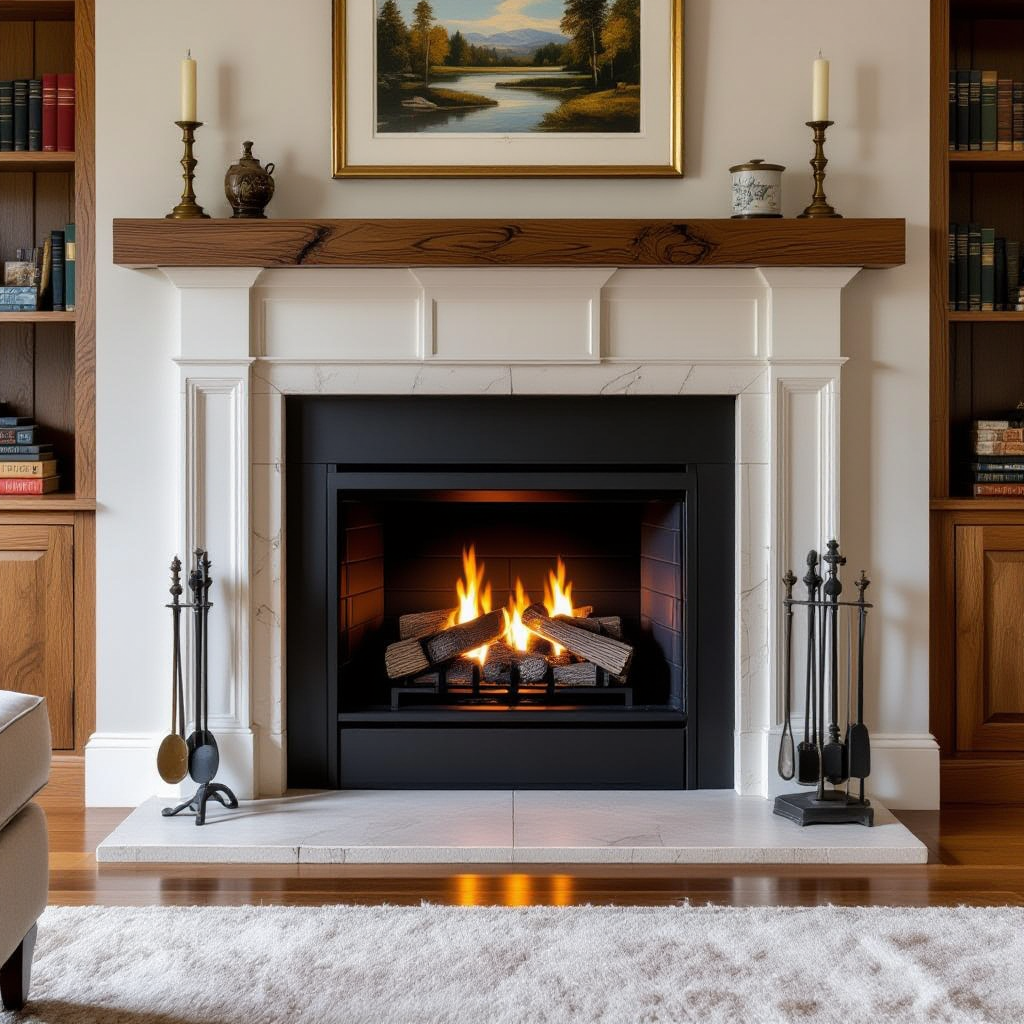
Understanding whether a fireplace is decorative or can significantly contribute to home heating can help buyers better assess the property’s overall heating strategy.
Power outages, generators, and backup systems
Heating and cooling discussions often focus on fuel sources, but rural homeowners should also think about what happens when the power goes out.
Many modern heating systems rely on electricity, even when the primary fuel source is propane, oil, natural gas, or wood. Furnaces require blowers. Boilers require pumps. Heat pumps require electricity to operate.
For rural properties, backup power can be just as important as the heating system itself.
Many homeowners rely on portable or permanently installed generators to keep essential systems operating during extended outages. Others have explored battery backup systems. Although most residential battery systems cannot power an entire home forever, they might operate selected circuits, refrigeration, internet equipment, lighting, well pumps, or parts of a heating system during brief outages.
Buyers should understand how the home functions during a power interruption and whether they have already put any backup systems in place.
Owned versus rented equipment
One issue that occasionally surprises buyers involves equipment ownership.
Homeowners don’t always own every furnace, propane tank, water heater, heat pump, generator, or air conditioning system. Agreements for renting, leasing, and financing mechanical equipment such as propane tanks, water heaters, standby generators, and certain HVAC upgrades are quite common.
While the monthly payments may appear modest, these agreements can continue for years and add considerably to the overall cost of homeownership. Contracts may transfer automatically to the buyer upon closing, or the seller might clear them before the deal concludes.
In some situations, a lender may also have requirements regarding financed equipment or contracts registered against the property.
When reviewing a property, buyers must pinpoint the equipment included in the sale, verify existing contracts, and find out about any ongoing obligations post-closing. Understanding those details early can help avoid delays or surprises later in the transaction.
Government incentives and energy-efficiency programs
Government incentives have played a role in encouraging homeowners to upgrade older heating and cooling systems and improve overall energy efficiency.
Over the past several years, federal and provincial programs have periodically offered rebates, grants, financing options, or other incentives for qualifying upgrades, including heat pumps, geothermal systems, insulation improvements, energy audits, and other energy-efficiency projects. Eligibility requirements, funding levels, and programs can change.
Homeowners considering a heating or cooling upgrade should investigate current federal, provincial, utility, and municipal programs before deciding. Sometimes, available incentives can significantly reduce the upfront cost of installing a new system.
Because programs change regularly, buyers and homeowners should verify what incentives are available at the time they are planning a project rather than relying on information that may be several years old.
Questions buyers should ask.
Heating and cooling systems are among the most expensive mechanical components in any home.
Before purchasing a property, buyers should take the same approach they would with the roof, windows, septic system, or electrical service.
A furnace that is only a few years old presents a very different ownership picture than one approaching the end of its expected lifespan. The same applies to heat pumps, boilers, central air conditioning systems, and geothermal equipment.
Buyers should consider the equipment’s age, maintenance history, utility costs, warranties, and completed major repairs. It is also worth understanding whether there is backup heating and how the property functions during a power outage.
A brief investigation before making an offer can provide a much clearer picture of future operating costs and help buyers make a more informed decision.
Final thoughts
A vital part of any home, the heating and cooling system is significant in rural and small-town areas near Kingston.
Whether your heating systems are propane, geothermal, heat pumps, boilers, mini-splits, wood heat, or a combination of systems, understanding how that equipment operates is an important part of understanding the property itself.
A home’s heating and cooling system affects comfort, operating costs, maintenance requirements, and long-term ownership expenses. Taking the time to learn about those systems before making an offer can help buyers make better decisions and avoid costly surprises after closing.
Frequently Asked Questions
What is the most common heating system in rural Kingston and the surrounding area?
Propane remains one of the most common heating fuels in rural communities, although heat pumps, boilers, wood heat, and combination systems are becoming increasingly common.
Are heat pumps effective during Kingston winters?
Heat pumps suitable for cold climates are now efficient even in frigid temperatures, making them a favored choice in Kingston and its surroundings.
What is a combination furnace?
A combination furnace allows homeowners to use more than one fuel source, such as wood and propane. These systems provide flexibility and automatic backup heating.
Is geothermal worth considering?
For homeowners planning to stay in a property long term, geothermal may offer excellent comfort and efficiency. The primary challenge is the higher upfront installation costs.
Should I be concerned about oil heat?
Not necessarily. Many oil heating systems continue to operate reliably and efficiently. However, buyers should pay close attention to the age and condition of both the furnace and the fuel tank.
Insurance can sometimes become a factor, particularly with older tanks. Some insurers may have restrictions regarding tank age, require inspections, or decline coverage for certain types of installations. Interior tanks, older steel tanks, and systems with limited maintenance records may require additional investigation.
Are generators important for rural properties?
They can be. Power outages may affect electrically powered heating equipment, well pumps, and other systems that rural homes rely on.
Can battery backup systems replace generators?
Some battery systems can provide temporary backup power for selected circuits and equipment. However, many homeowners still rely on generators for extended outages.
Don’t Miss These Guides
A Kingston Area Guide to Wells and Septic Systems, 2025-26
Private wells and septic systems are common in rural properties and often go hand in hand with alternative heating systems and backup power considerations.
Waterfront Property in the Kingston Area: Cottages, Year-Round Homes, and Buyer Guidance
Waterfront homes often present unique challenges involving heating, insulation, seasonal occupancy, and utility services.
Thinking about leaving the city? Learn more about the realities of small-town living, including services, infrastructure, and homeownership considerations.
Kingston Home Maintenance Costs: 21 Ways to Save
Heating and cooling equipment represent a significant portion of long-term homeownership costs. Proper maintenance can help extend equipment life and reduce unexpected expenses.
Purchasing a Fixer-Upper in Kingston and Area 2025-26
Older homes often contain aging furnaces, boilers, oil tanks, radiators, and other mechanical systems that buyers should evaluate carefully.
Thinking about buying a rural property?
Whether you’re considering a country home near Sydenham, a waterfront property near Verona, or a small-town home in Napanee, Gananoque, or elsewhere in Kingston and Area, understanding the heating and cooling system is an important part of evaluating any property.
I can assist with your questions regarding properties, including rural heating systems, mechanical, well, and septic systems, and other relevant factors.