


Are you knowledgeable enough to be an unrepresented buyer? Buying a home as an unrepresented buyer without an agent may look simple at the outset; you can view houses on Houseful, HouseSigma, or Realtor.ca, but the process involves far more than searching listings and then making an offer. With so much information available, it is easy to believe you can manage it yourself.
But real estate transactions are not just about finding a property and making an offer. Multiple steps, decisions, and risks come into play, often behind the scenes. Before choosing to go it alone, it is worth inspecting what is actually involved. Not every opportunity appears in a standard online search. Sellers sometimes market properties more quietly or share them through professional networks, which prevents unrepresented buyers from accessing them.
Many unrepresented buyers mistakenly assume they have all the information needed to make a sound decision.
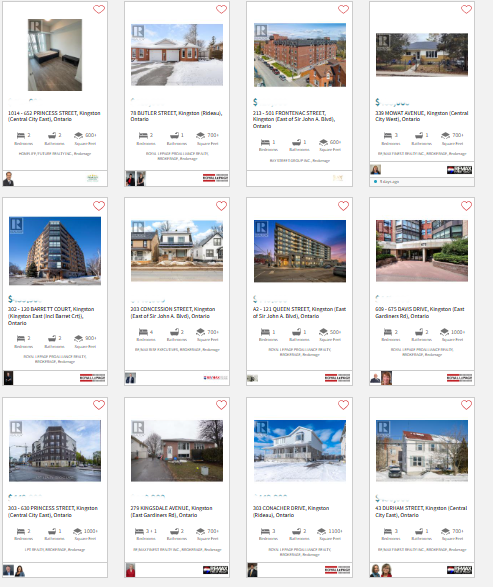
Most buyers focus on the visible parts of the process. Searching listings, booking showings, and preparing an offer feel like the core of the experience. What is less visible are the details that carry the most risk. Understanding comparable sales, structuring conditions correctly, interpreting inspection findings, managing timelines, and navigating negotiations. The outcome of deals hinges on these details.
Timelines can create pressure, especially once an Agreement of Purchase and Sale is in place. Deposits, condition periods, and closing dates all run on firm deadlines, and they need to align from the start. Missing one of those as a self-represented buyer can put you in breach of contract, which may cause the loss of your deposit, legal action, or the deal falling apart altogether.
Understanding the challenges of being an unrepresented buyer is crucial to navigating the process successfully.
Online listings and photos are a starting point, but they rarely tell the full story. Images highlight a property’s best features, not its limitations. During a showing, buyers and their REALTORS® are looking beyond what is obvious. Wiring, plumbing, window condition, and the age of key systems all matter, but so do the less obvious signs. An assessment of grading, drainage, and landscaping can show water movement and reveal subsurface problems. We point out what we see, including potential flaws, not to discourage you, but to help you make an informed decision. The listing agent has a duty to their client. There is no obligation to protect the buyer’s position.
Real estate is one of those processes where the biggest risks are often the ones you do not see coming. It is not just what you know; it is what you do not know to look for.

Sometimes, that means saving you from making an offer and paying for an inspection, only to discover the home needs more work than expected. The paperwork behind the purchase matters just as much as the property itself. You must structure offers properly, including the right conditions, timelines, and protections, to avoid missing anything.
For a more detailed breakdown of the entire process, from preparation to closing, our Home Buyers Guidebook outlines each step so you can feel more prepared and secure in your decisions. If you choose to proceed without representation, it is important to understand that you need to protect your own interests, while the agent on the other side is working for their client, not for you.
There is also a broader reality that often gets overlooked. Buying or selling without an agent is possible, but it remains uncommon. In Canada, private sales typically account for only a small share of the market, often estimated between five and six percent of transactions. Professionals represent sellers in over ninety percent of all home sales. Most buyers negotiate for properties where an experienced REALTOR® represents the seller.

If you choose to proceed without representation, you are not stepping into a neutral situation. The opposing side will receive advice and guidance during a structured negotiation. According to current guidance from the Real Estate Council of Ontario, unrepresented individuals must protect their own interests because the agent on the other side is obligated to their client, not to you. Recognising this market reality can help you make a more informed and cautious decision before proceeding, reducing potential surprises and risks.
Experienced representation is not just about managing the process; it can also influence the outcome. Experienced representation often negotiate price, terms, and conditions together, and minor differences here can have a meaningful financial impact. Emotions often influence decisions made under pressure, especially when no one provides objective guidance.
One of the most common assumptions is that buying as an unrepresented buyer will save money. Many times, that is not how it works. The seller has already agreed to a commission structure, and if there is no buyer representation, the listing side may simply keep the full amount. The buyer takes on the risk and responsibility, gaining no financial advantage.
As an unrepresented buyer, it is vital to seek reliable resources to assist in the decision-making process.
Those questions are not hypothetical. They reflect the actual decisions buyers face during a transaction, often under time pressure and with financial risk. That is where a simple buyer quiz can be useful. It walks through these same scenarios and asks what you would actually do at each stage.
While many purchasers can handle aspects of the process themselves, the primary concern lies in their willingness to accept the total accountability involved. Real estate agreements are legally binding documents.

Missing a detail, misunderstanding a clause, or failing to meet a deadline can have financial or legal consequences.
A home purchase is one of the largest financial decisions most people will make, and the margin for error is small. Having guidance is not about convenience. It is about understanding risk, protecting your position, and making informed decisions at each step.
Before moving forward as an unrepresented buyer, it is worth taking a moment to work through a few practical questions. These are the same decisions that come up during a real transaction, often with time pressure and financial risk involved.
FINTRAC Requirements and Unrepresented Buyers
Many unrepresented buyers find it surprising that choosing not to work with a REALTOR® does not eliminate the identity verification requirements in Canadian real estate transactions.
Real estate brokerages have legal obligations under federal FINTRAC regulations designed to help combat money laundering and other financial crimes. A brokerage may be required to verify the identity of clients and self-represented parties, determine whether someone is acting on behalf of another person or entity, maintain transaction records, monitor for suspicious activity, and comply with reporting requirements.
The brokerage may require an unrepresented buyer to provide identification and answer transaction-related questions, even if they aren’t a client. Different brokerages may have slightly different internal procedures, forms, and compliance requirements, but all are working within the same federal FINTRAC framework.
Providing identification when required is a normal part of the real estate process, and buyers should not view it as unusual. A buyer who proceeds without representation should be prepared to satisfy these requirements when requested.
If you want to compare approaches or walk through how the process works in Kingston and the area, I am always available for a straightforward conversation.
A Quick Reality Check for Unrepresented Buyers
Have you purchased a home before or have experience in real estate?
☐ Yes / ☐ No
Do you understand how an Agreement of Purchase and Sale works, including conditions, timelines, and irrevocable periods?
☐ Yes / ☐ No
Can you confidently research comparable sales in Kingston and the surrounding area to determine a fair offer price?
☐ Yes / ☐ No
Are you comfortable communicating and negotiating directly with a listing agent who represents the seller?
☐ Yes / ☐ No
Do you understand what documents and disclosures are required before closing, including what your lawyer will need?
☐ Yes / ☐ No
Have you got pre-approval for a mortgage and created a clear, realistic budget?
☐ Yes / ☐ No
Do you have the time to arrange showings, coordinate inspections, and manage paperwork within strict timelines?
☐ Yes / ☐ No
Are you familiar with the risks unrepresented buyers face, including missing key clauses or deadlines in an offer?
☐ Yes / ☐ No
Do you have access to professionals such as a real estate lawyer, home inspector, and mortgage advisor you can coordinate yourself?
☐ Yes / ☐ No
If a deal becomes complicated, are you prepared to rely on legal or financial advice independently?
☐ Yes / ☐ No
If any of these give you pause, it may be worth inspecting the process before moving forward as an unrepresented buyer.
FAQ
Can I legally buy a home in Ontario without a REALTOR®?
Yes. You may choose to be an unrepresented buyer and not use a REALTOR® in Ontario. You bear the duty of comprehending the process, discussing terms, and looking out for your own interests in the transaction.
Choosing to be an unrepresented buyer means taking on significant responsibility.
What risks does an unrepresented buyer face?
The major risks involve pricing, contract structure, and negotiation. Without experience, it is easier to overpay, miss key conditions, or misunderstand inspection findings and timelines.
For an unrepresented buyer, understanding the common pitfalls can mitigate some risks involved.
Who does the listing agent represent?
The listing agent represents the seller and is required to act in the seller’s best interest. If you are unrepresented, no one in the transaction is accountable for protecting your interests.
An unrepresented buyer must act proactively to make sure that their interests receive proper attention.
Can I rely on a home inspection to protect me?
A home inspection is an important step, but buyers make and accept an offer before it happens. An experienced REALTOR® may point out issues during a showing that could lead you to reconsider before making an offer. That can save you the cost of an inspection on a property. An inspection adds another layer of protection, but it should not be the first line of defence.
Is being an unrepresented buyer common in Canada?
No. Private sales typically represent a small portion of the market, often around five to six percent. Most transactions involve professional representation on the seller’s side.
For an unrepresented buyer, it is essential to weigh the benefits of professional representation against the risks of going it alone.
Why am I being asked for identification if I am not using a REALTOR®?
Real estate brokerages have legal obligations under FINTRAC regulations. Even if you are an unrepresented buyer, a brokerage may be required to verify your identity, maintain records, and determine whether you are acting on behalf of another person or entity. These requirements exist regardless of whether you choose to work with a REALTOR®
Don’t miss these guides
Understanding the risks of being an unrepresented buyer is only part of the picture. These guides expand on decision-making, property evaluation, and contract strategy, helping you reduce risk and make informed choices before moving forward.
These guides provide insights specifically for unrepresented buyers, helping them navigate the complexities of real estate transactions.
20 Questions to Ask When Buying a Home in Kingston and Area
Focuses on the key questions buyers should ask before making an offer. It helps uncover risks, clarify priorities, and guide better decision-making during a purchase.
Working with a Kingston REALTOR®
Explains how representation works in actual situations, from evaluating homes to structuring offers and negotiating terms. It shows how guidance can help protect your position throughout the transaction.
Understanding the role of a representative is especially important for an unrepresented buyer.
House Hunting Online: What Listings Don’t Tell You
Looks beyond photos and listing descriptions to what buyers need to assess in person. It highlights how condition, layout, and hidden factors can affect long-term value and liveability.
Match the Home You Buy to Your Budget: What Kingston Buyers Need to Know
Breaks down how to evaluate affordability beyond the purchase price. It helps buyers plan for ongoing costs and make decisions that remain manageable.
Becoming an unrepresented buyer can lead to unanticipated challenges if one is not prepared
First Home Purchase: Kingston Area
Outlines the full buying process from preparation to closing. It helps buyers understand timelines, responsibilities, and what happens at each stage of the transaction.
Each step is critical for an unrepresented buyer to ensure a successful transaction.