


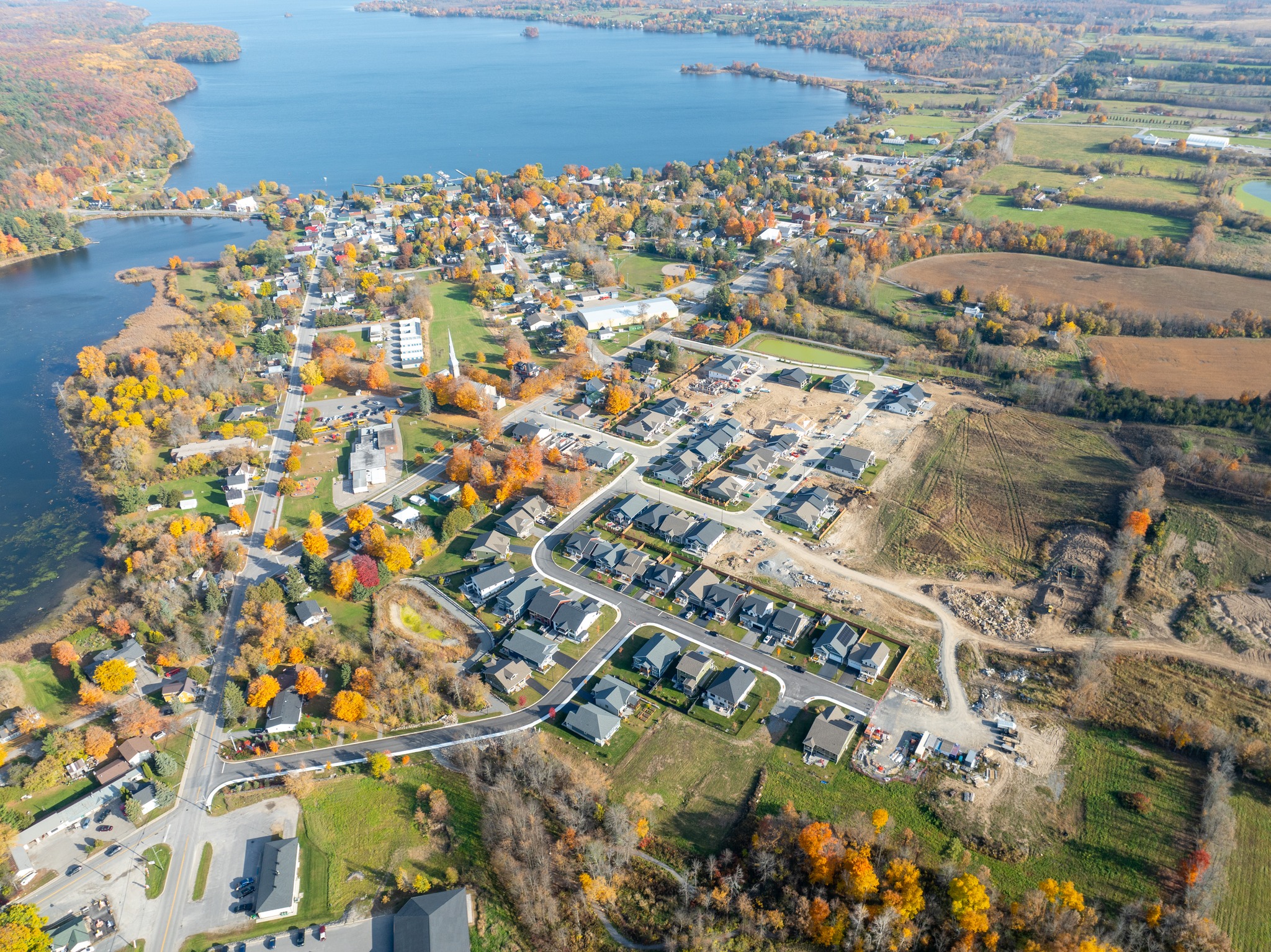
What Kingston Area Buyers Should Know
Moving to a small town is becoming an increasingly popular option for buyers throughout Kingston and the surrounding area. When searching for a home in Kingston, many individuals explore neighbouring communities,
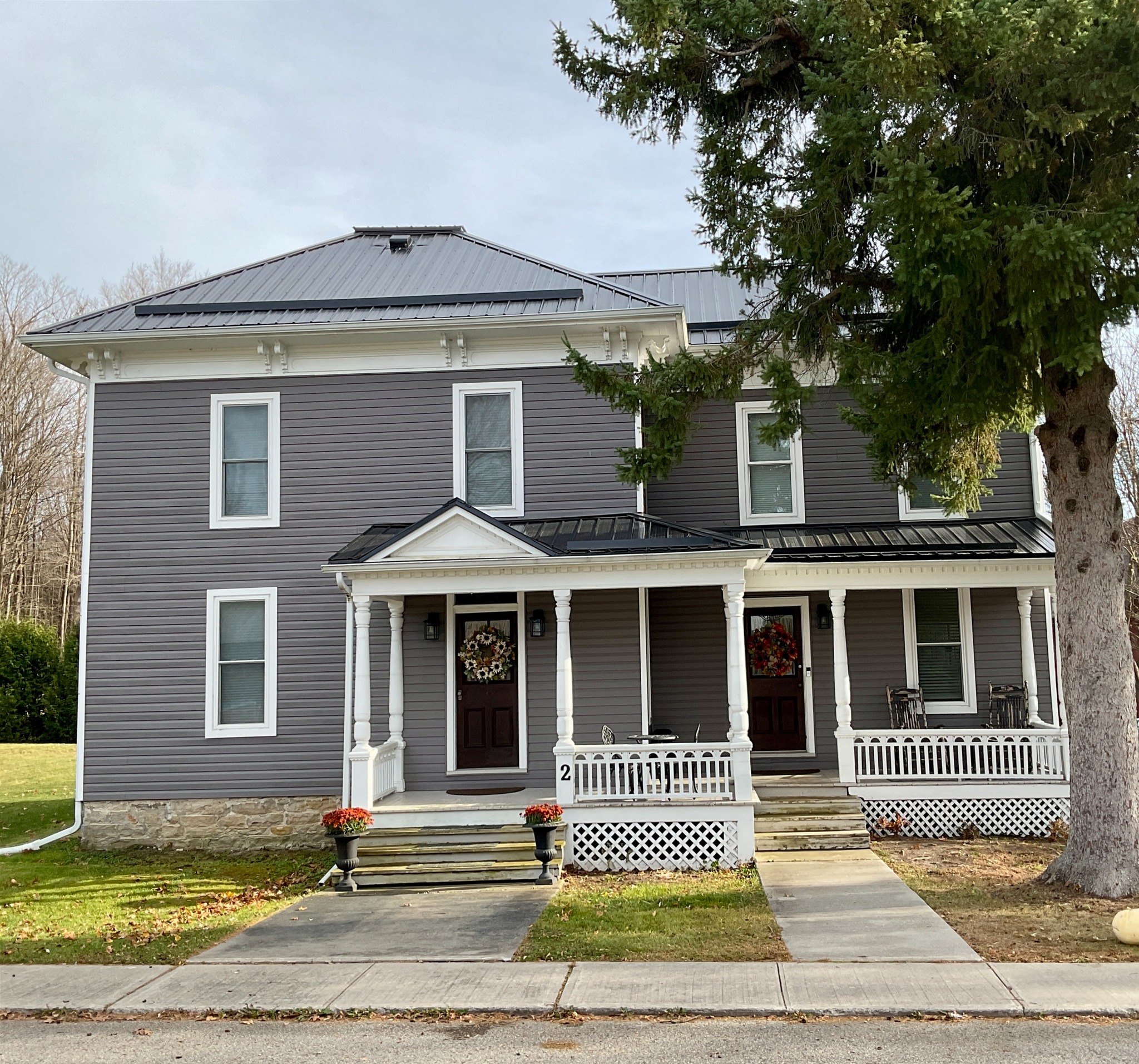
such as Sydenham, Harrowsmith, Verona, Elgin, Delta, Westport, Sharbot Lake, Tamworth, Yarker, Wolfe Island, and Gananoque, as well as various rural areas.
The appeal is easy to understand; many buyers seek more space, larger lots, privacy, waterfront access, lower housing costs, or a quieter lifestyle. Retirees, families, and remote workers desire these features, and these features affect their moving decisions.
For many, moving to a small town is more than a real estate decision; it’s a lifestyle choice that shapes daily routines and long-term satisfaction.
That distinction is important.
You cannot separate the property and the lifestyle: a beautiful country property may involve a longer commute, a waterfront home may need a well and septic system, an island property may rely on ferry schedules, and a larger lot may demand significantly more maintenance, all of which require planning and control.
The purpose of this guide is not to convince you that small-town living is better than city living. Instead, it aims to help buyers understand the realities, advantages, challenges, and trade-offs, so they feel reassured and prepared for their move beyond Kingston into a smaller community.
Why Buyers Are Moving to a Small Town
The reasons people consider moving to a small town today are often very different from those of previous generations. For some buyers, cost is still a factor, but lifestyle is becoming the main reason for their decisions, not just the price. Many households are looking for something that can be difficult to find within the city: more privacy, more outdoor space, room for hobbies, or simply a quieter environment in which to raise a family.
For some, that means finding a property with enough land for gardens, recreational vehicles, workshops, or outdoor entertaining. The possibility of waterfront living, acreage, or a home where neighbours are hundreds of feet away rather than a few metres attracts others. Older individuals might seek a more relaxed lifestyle, whereas younger families often value community spirit and more opportunities for outdoor family activities.
The appeal of space extends beyond the property itself. The appeal for many buyers lies in experiencing less traffic and noise, enjoying darker night skies, and having easier access to natural recreational areas like lakes, trails, and forests. Instead of travelling to nature on weekends, nature becomes part of everyday life.
Communities such as Sydenham, Harrowsmith, Verona, Elgin, Westport, Wolfe Island, Gananoque, and many rural areas surrounding Kingston continue to attract buyers seeking this balance. While every community offers its own advantages and challenges, they share a common appeal: the opportunity to live differently than one might in a larger urban centre.
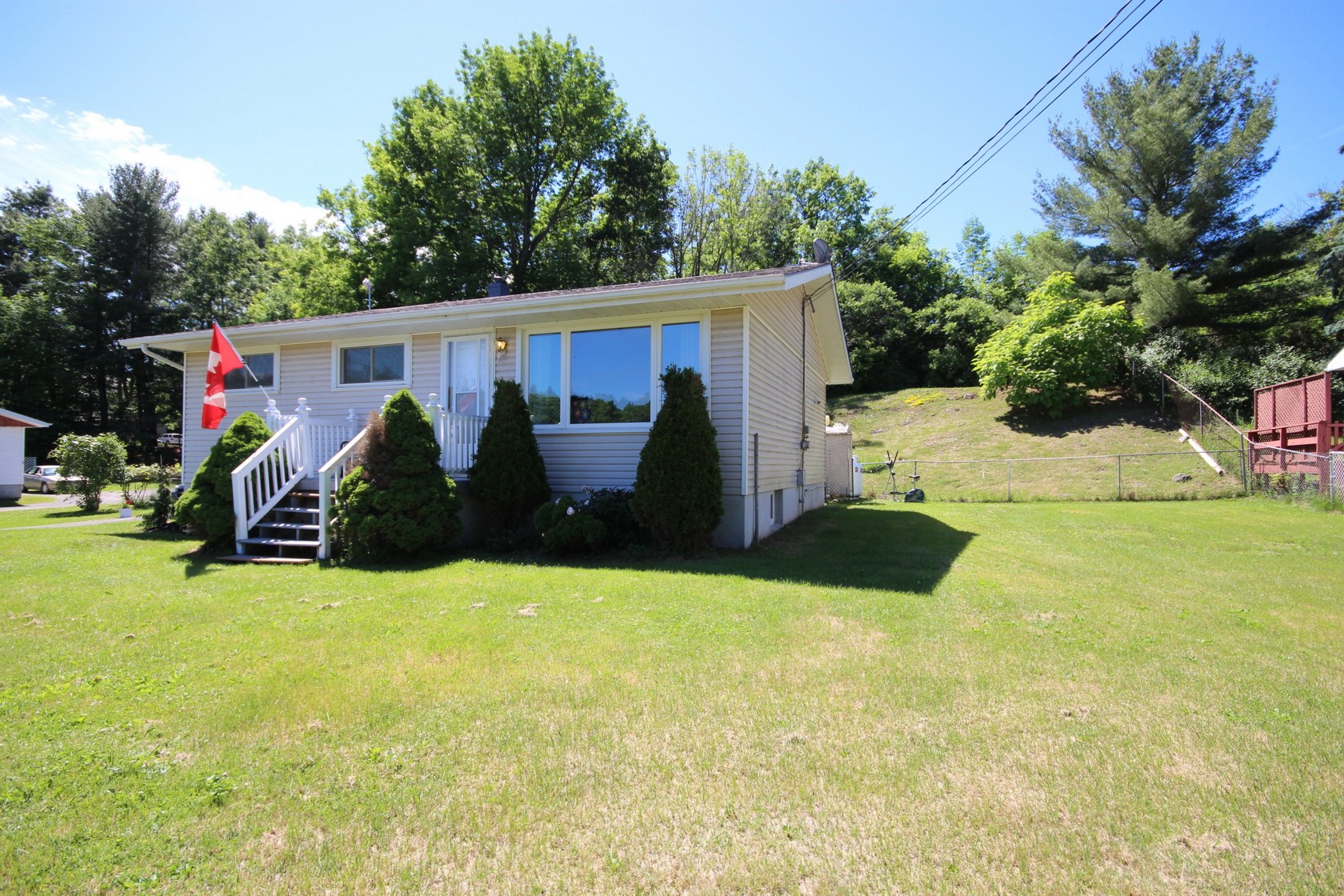
Of course, every benefit comes with a trade-off. The same privacy that attracts many buyers may also mean longer drives to the grocery store, fewer nearby services, or additional responsibility for property maintenance. Understanding those trade-offs is one of the most important parts of deciding whether moving to a small town is the right choice for you.
Are you moving for a home or a lifestyle?
One of the most common mistakes a buyer makes when moving to a small town is focusing almost entirely on the property itself. It is easy to become excited about a larger lot, a waterfront view, a detached workshop, or the possibility of owning several acres of land. These features often draw people to rural and small-town properties.
What buyers sometimes overlook is that they are not simply purchasing a house. They are choosing a different way of living.
Every property comes with a lifestyle. A waterfront home may offer beautiful views and direct lake access, but it may also entail shoreline maintenance, higher insurance costs, and longer drives to everyday services. A country property can offer privacy, quiet surroundings, and room to spread out. Still, it may also require well and septic maintenance, additional snow removal, and more time spent caring for the property.
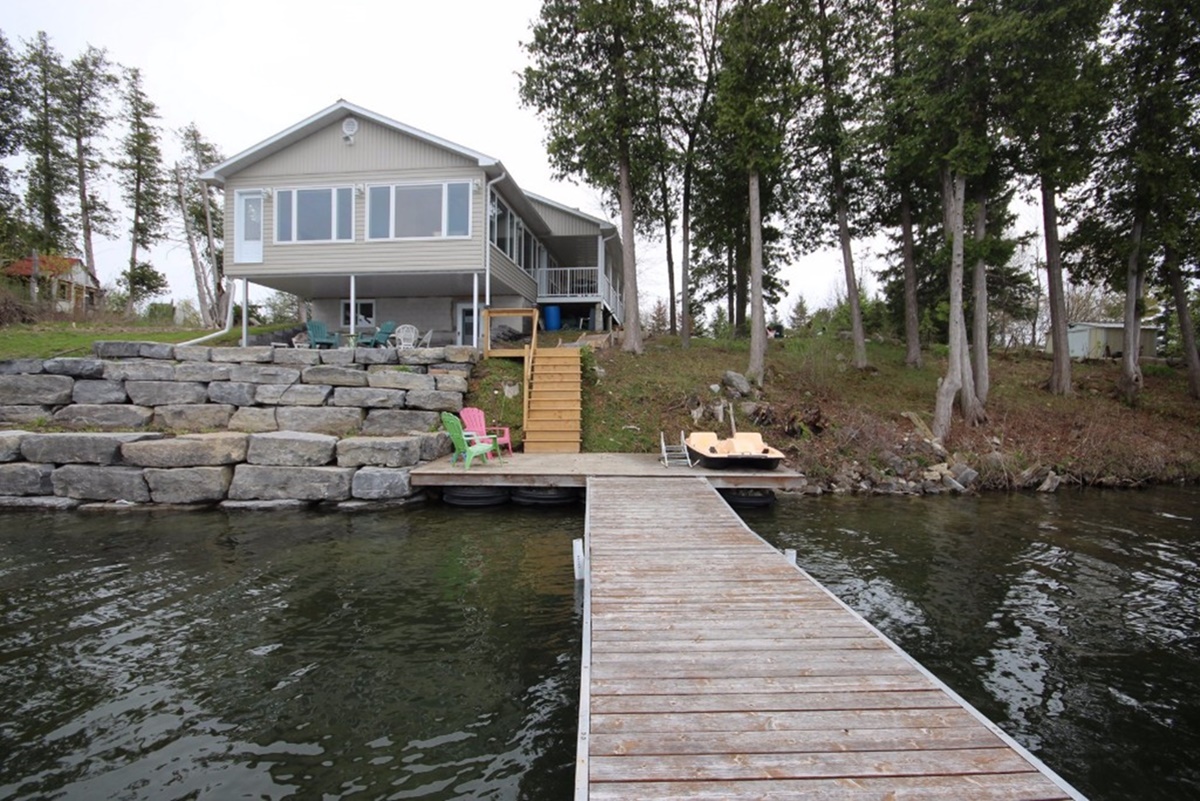
That does not make these homes less desirable. In fact, many buyers consider those trade-offs well worth making. The key is to understand them before you buy.
The people who are happiest after moving to a small town are usually those who embrace the lifestyle rather than tolerate it. They enjoy spending time outdoors, appreciate a slower pace, value privacy, and are comfortable trading some convenience for more space and freedom. For them, the property is not just a place to live. It supports the way they want to live.
Would you still desire this property if it were in the city before you decide? If the answer is no, it may be the lifestyle you are seeking rather than the house itself. Understanding that distinction can help you make a decision that still feels right years after the excitement of moving day has passed.
What happened to the work-from-home dream?
During the pandemic, many Canadians discovered they could work from virtually anywhere. As a result, buyers began looking farther from major employment centres, and homes in small towns, waterfront communities, and rural areas became increasingly attractive. For many households, the decision worked exactly as planned. Remote work allowed people to maintain employment while gaining larger properties, more privacy, and a quieter lifestyle with minimal or no negative consequences meant moving to a small town was appealing to them.
In recent years, however, the situation has developed. Many employers have introduced hybrid schedules or return-to-office requirements, and some buyers who purchased homes based on permanent remote work have faced longer commutes than they originally expected. What seemed like a manageable drive once or twice a month can feel very different when it becomes part of a weekly routine.
Before moving to a small town, consider how future employment changes could affect your decision. If your employer required three days per week in the office, would the location still work? If your current position has changed, are there comparable employment opportunities nearby? Would additional fuel, vehicle maintenance, parking, or ferry costs significantly affect your household budget?
These questions become increasingly important as buyers look farther from Kingston and other employment centres. A home that perfectly suits your lifestyle today should still make sense if your work arrangements change in the future. While remote work has opened many opportunities, purchasing a home based solely on today’s employment situation can create challenges if circumstances develop over the coming years.
Shopping, Services, and Daily Life
One of the first adjustments many buyers notice is that errands take a little more thought. In Kingston, it’s easy to stop for groceries, pick up a prescription, grab takeout for dinner, and make a quick run to Costco all in the same afternoon. In a smaller community, those same errands may involve more driving and a bit more planning.
That doesn’t make life harder; it just makes it different. Many residents find they rush less and have more time to organize their week. A trip into Kingston often becomes an opportunity to tackle several errands at once, while local businesses handle many day-to-day needs.
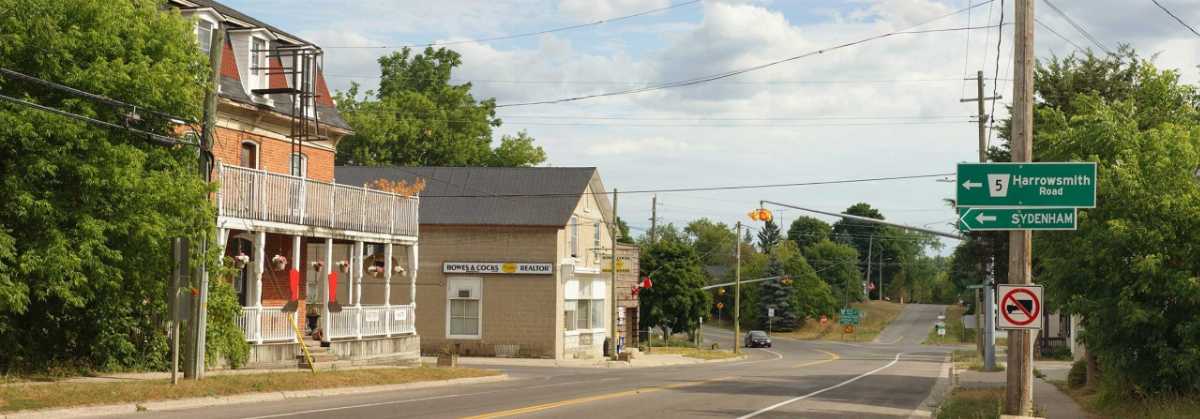
Buyers often tell me that one of the biggest adjustments isn’t the extra driving; it’s learning to think ahead. In Kingston, if you forget something for dinner or need a part for a weekend project, it’s usually a quick trip to the store. In a smaller community, that same errand might involve a forty-minute round trip, so people naturally become more organized. They combine errands, keep commonly used supplies on hand, and pay closer attention to weather forecasts and seasonal conditions. After a few months, most residents hardly think about it, as it becomes part of their routine.
Consider the profound influence of the car you drive.
Many buyers focus on the home itself while giving relatively little thought to how moving to a small town may change their transportation needs. In Kingston, a short commute, nearby shopping, and readily available services can make almost any vehicle practical. Once you move farther from the city, however, transportation often becomes a more important part of everyday life.
Regular trips to Kingston for work, medical appointments, shopping, recreational activities, or family visits can quickly add up. A drive that feels insignificant during a weekend showing may become a routine part of life after moving. Over the course of a year, those extra kilometres can have a noticeable impact on fuel costs, maintenance expenses, and the time spent behind the wheel.
Winter driving also deserves consideration. While municipal road crews do an excellent job throughout the region, road conditions can vary significantly depending on location, snowfall amounts, and weather patterns. A rural road in February may present unique challenges than a city street, particularly after a snowstorm or during periods of freezing rain.
You do not have to own a pickup; many residents drive cars, crossovers, SUVs, and electric vehicles successfully year-round. What often changes is the emphasis buyers place on reliability, winter performance, fuel economy, cargo space, and overall practicality. Features such as winter tires, all-wheel drive, and additional ground clearance may become more important than they were when living in an urban setting.
Electric vehicles present another consideration for buyers moving beyond the city. Home charging is often convenient and can be a significant advantage, particularly for households with predictable daily driving habits. However, public charging infrastructure is not yet as widespread in every rural community as it is in larger urban centres. Buyers considering a move to communities farther from Kingston should investigate nearby charging options and think about how seasonal conditions, longer distances, and winter range reductions may affect their driving habits.
Ultimately, transportation is not a reason to avoid moving to a small town. It is simply one of the practical realities that come with a different lifestyle. Buyers who understand their travel needs, choose an appropriate vehicle, and plan accordingly rarely find it to be a significant issue. Like many aspects of rural and small-town living, success often comes down to preparation and realistic expectations.
Electric Vehicles, the Internet, and Staying Connected
For many buyers, reliable internet service is no longer a luxury. It is a necessity. Before buying a property, it’s crucial to assess its connectivity, especially if you rely on remote work, streaming, smart home devices, virtual meetings, or need reliable internet access.
Buyers often wrongly assume that internet service is the same throughout areas near Kingston. In reality, service levels can vary dramatically from one road to the next. Some rural areas now enjoy excellent fibre internet, while others may rely on wireless providers or alternative solutions. The situation continues to improve each year, but it remains important to verify services rather than assume they exist.
The same principle applies to cellular coverage. Most residents quickly learn where signal strength is strongest and where it becomes less reliable. For some buyers, this is a minor inconvenience. For others, particularly those working from home or operating a business, it can be a significant consideration.
Electric vehicle owners should also take time to understand the local charging infrastructure. Home charging is often convenient and economical, particularly when daily driving patterns are predictable. However, public charging stations remain less common in some rural communities than they are in larger urban centres. Buyers who regularly travel longer distances may plan routes a little more carefully than they would in Kingston.
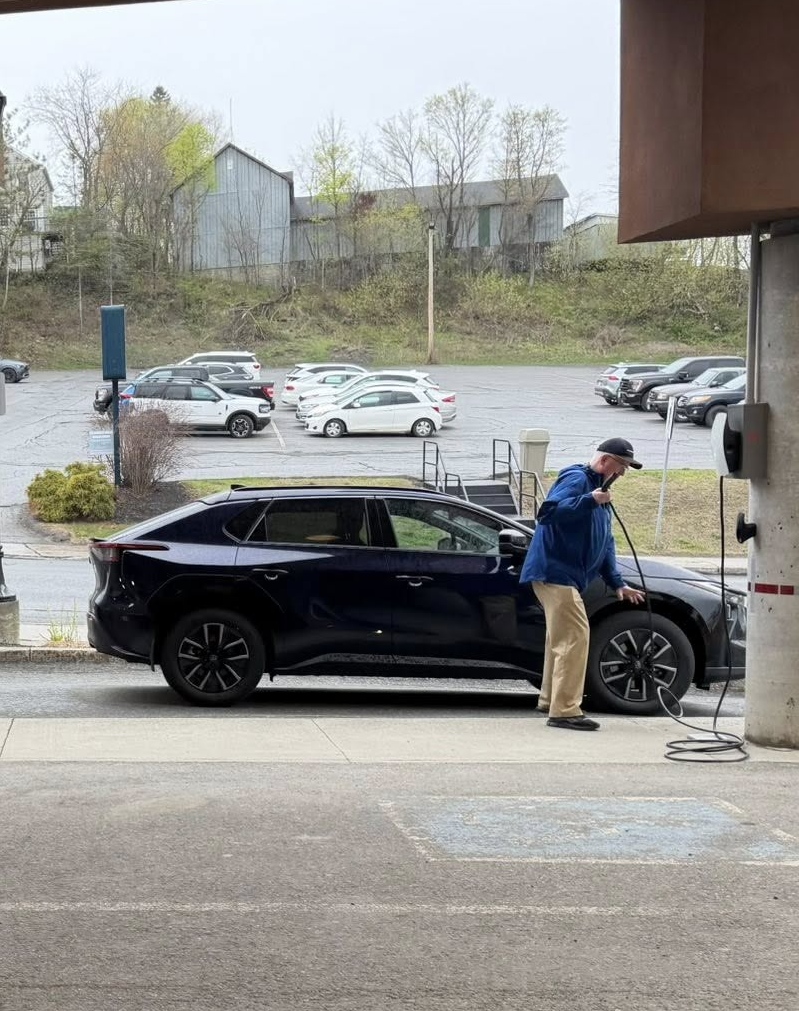
Like many aspects of small-town living, success comes from understanding the local realities before moving rather than being surprised afterward.
Vehicle preparation also becomes more important as you move farther from urban centres. Winter tires are essential for most rural residents, and regular maintenance becomes increasingly important as daily travel distances increase. Keeping an emergency kit, booster cables, a snow brush, extra washer fluid, and basic supplies in the vehicle is common practice throughout much of rural Eastern Ontario. These are simple precautions that provide peace of mind when travelling during the winter months.
Healthcare, schools, and community services
When moving to a smaller community, be prepared for adjustments in healthcare expectations. Specialized medical services tend to be located in larger cities like Kingston, Belleville, Brockville, or Ottawa, even though many smaller towns have good healthcare and staff.
For some residents, this means occasional travel for specialist appointments or advanced treatments. In return, many smaller communities offer shorter travel times for routine appointments, easier parking, and a more personal experience when accessing local services.
Families with children should also research schools and programs before purchasing a home. Smaller schools often provide strong community involvement and a close-knit environment, which many parents appreciate. However, course offerings, extracurricular activities, and specialized programs may differ from those available in larger urban centres.
School bus rides can also be longer than some families expect. A rural address that seems close to town on a map may still involve a significant daily commute for students.
These considerations do not make small-town living better or worse. They highlight the importance of matching the community to your family’s specific needs.
Wells, Septic Systems, and Rural Utilities
A major difference between urban and rural environments lies in the provision of many crucial services.
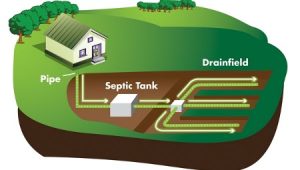
In Kingston, most homeowners rarely think about where their water comes from or where it goes after leaving the house. Municipal systems handle those responsibilities in the background. In many rural communities, homeowners take a more direct role through private wells and septic systems.
For buyers unfamiliar with private wells and septic systems, understanding their typical costs, maintenance needs, and inspection requirements is essential. Properly maintained systems often provide years of reliable service, but awareness of ongoing responsibilities ensures informed decision-making.
Heating systems can also differ from the usual systems used by urban dwellers. Depending on the location, homes may rely on propane, heating oil, wood heat, electric heating, heat pumps, or various combinations of these systems. Understanding operating costs and maintenance requirements is an important part of evaluating any rural property.
Many homeowners also use water treatment equipment such as softeners, ultraviolet systems, reverse osmosis units, or sediment filters. These systems are common throughout the Kingston area and often become routine parts of homeownership.
The important point is not that rural utilities are difficult. They are simply different, and buyers who understand them are much more comfortable with the transition.
Weather, Power Outages, and Being Prepared
While most Canadians are used to winter, many find that moving to a small town or rural area increases the weather’s impact on their daily lives.
A snowstorm that creates minor inconvenience in the city may affect travel plans, deliveries, school transportation, or commuting schedules in rural areas. Ice storms, high winds, and severe weather events can also have a greater impact in areas with more widely dispersed homes, where hydro restoration may take longer.
As a result, many rural homeowners place a greater emphasis on preparation. Backup generators are a frequent sight in some locations, particularly where electric pumps power wells. Sensible precautions include extra fuel, flashlights, emergency supplies, and a pantry full of food, rather than being unusual actions.
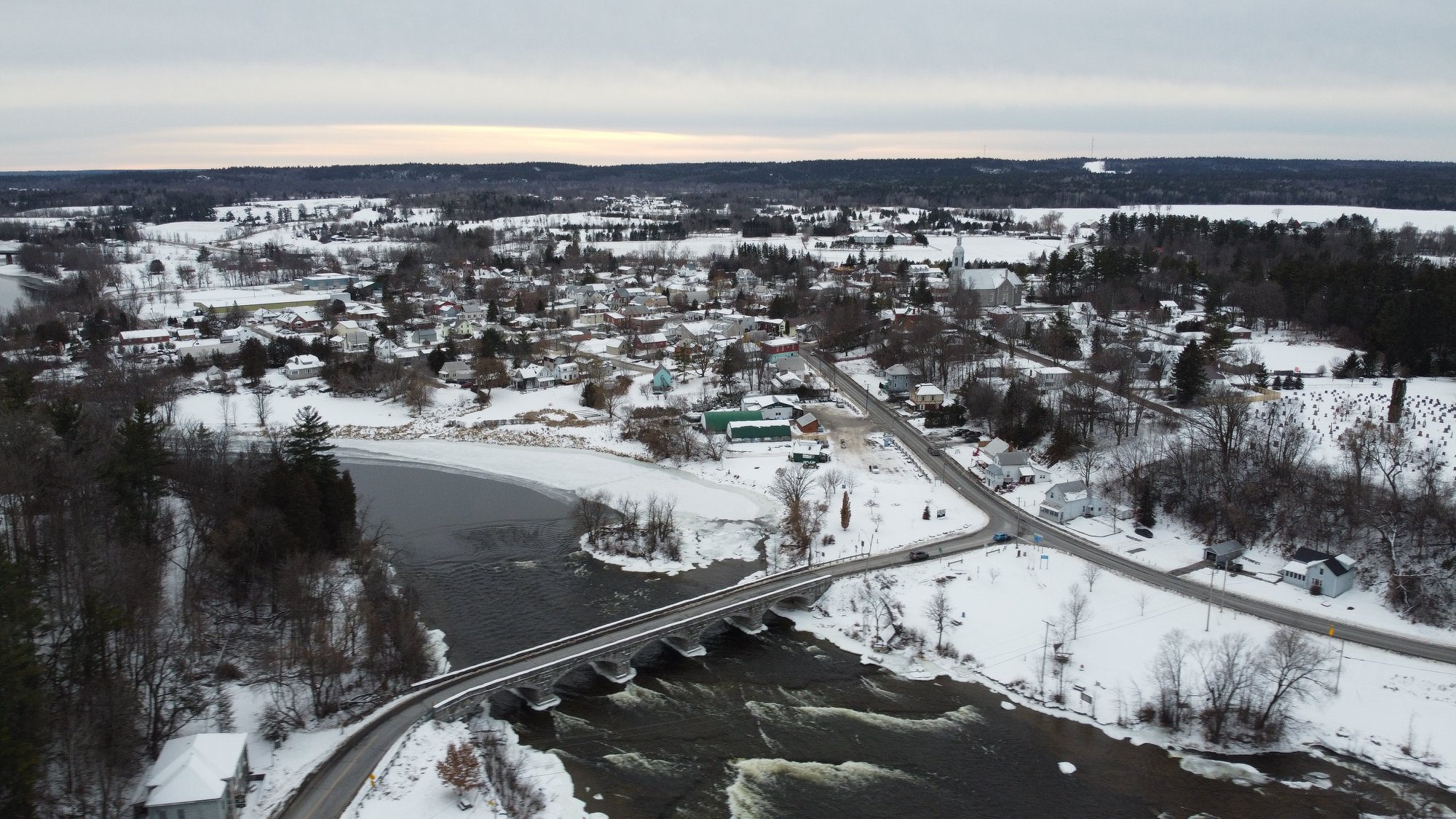
Fear does not motivate preparation; most long-time residents rarely give it a second thought because it becomes part of their normal routine.
Winter maintenance becomes part of the routine.
Living in a small town or rural area often means taking a more active role in winter maintenance. When buying outside the city, be aware that longer driveways, larger parking areas, private lanes, and rural roads demand more focus than urban settings. While many homeowners hire snow removal contractors, others choose to manage snow themselves using snowblowers, tractors, or plow-equipped vehicles.
Preparing for winter often starts well before the first snowfall. Rural homeowners commonly service snowblowers, stock up on fuel, inspect generators, and ensure they have adequate supplies on hand before winter weather arrives. A storm that causes minor inconvenience in the city can have a greater impact when the nearest grocery store, pharmacy, or hardware store is 20 or 30 minutes away.
Many long-time residents will tell you that successful rural living is not about reacting to winter weather. It is about preparing for it.
Community Life and the Things People Love Most
For all the practical considerations involved in moving to a small town, the strongest arguments are often the hardest to measure.
Many residents speak about the quiet. Others mention the stars at night, the absence of traffic, the ability to step outside and hear birds instead of sirens, or the simple pleasure of having room to breathe.
Community is another factor that frequently comes up in conversations with homeowners. Smaller communities often rely heavily on volunteer organizations, local events, service clubs, farmers’ markets, churches, recreation programs, and community halls. Neighbours frequently know one another, and local businesses often become gathering places rather than places to shop.
Not everyone is looking for that type of environment, but those who are often find it rewarding in ways they did not fully expect before moving.
Becoming part of a community often happens more quickly in smaller towns and rural areas. Community associations, recreation programs, volunteer organizations, and local events frequently play an important role in helping new residents establish connections. The City of Kingston also maintains rural community resources that can help residents learn more about services, activities, and organizations available throughout the rural parts of the municipality.
Rural Community Support Resources
Not Everyone Stays
Honesty is important when discussing small-town living.
While many buyers fall in love with the new life after moving to a small town, others eventually decide it is not the right fit. Some miss the convenience of nearby shopping, restaurants, entertainment, public transit, or employment opportunities. Others discover that maintaining a larger property requires more time and effort than they expected.
There is no shame in reaching that conclusion. Lifestyle preferences change, family circumstances develop, and priorities shift.
What matters most is making an informed decision from the beginning. Buyers who understand both the advantages and the challenges are far more likely to be satisfied with their choice, regardless of where they ultimately decide to live.
Final Thoughts
Moving to a small town can be one of the most rewarding lifestyle changes a buyer ever makes. It can provide more space, greater privacy, stronger community connections, and opportunities that may be difficult to find within a larger urban environment.
It requires realistic expectations. Rural and small-town living often involves longer drives, greater self-reliance, different services, and a willingness to plan. Those realities are not drawbacks for many residents. They are simply part of the lifestyle.
The goal is not to determine which is better: city living or small-town living. The goal is to determine which one fits you best. Communities throughout the Kingston area offer an incredible variety of options, from waterfront villages and island communities to quiet country roads and thriving small towns. Understanding how those communities fit your lifestyle is the first step toward making a move you’ll be happy with for years to come.
Frequently Asked Questions About Moving to a Small Town
Is moving to a small town cheaper than living in Kingston?
It can be, but not always. Beyond lower housing prices in certain areas, potential buyers must weigh commuting expenses, car upkeep, utility bills, internet availability, property upkeep, and other lifestyle considerations. Buyers should evaluate affordability based on the total cost of living, not just the purchase price.
Do I need a different vehicle type for rural living?
Not necessarily, but many residents place greater emphasis on winter tires, reliability, fuel efficiency, cargo space, and overall capability. Depending on where you live, longer drives, rural roads, and winter weather may influence your vehicle choices more than they would in an urban environment.
Is internet service reliable in rural areas?
Many rural communities now have excellent internet service, including fibre connections in some locations. However, availability can vary significantly from one road to another. Buyers should always verify internet options before purchasing a property if connectivity is important for work, education, or entertainment.
Are power outages more common in rural communities?
Power outages can occur anywhere, but restoration times may sometimes be longer in more remote locations. As a result, many rural homeowners keep flashlights, backup power sources, generators, or emergency supplies on hand as part of normal preparedness.
Are wells and septic systems difficult to maintain?
Most properly maintained systems provide many years of reliable service. Buyers should understand how the systems work, arrange inspections during the purchase process, and follow recommended maintenance schedules after taking ownership.
What are the biggest adjustments after moving to a small town?
Many buyers mention longer drives, fewer nearby services, and the need to plan errands more carefully. Others point to increased property maintenance, different utility systems, or adapting to winter conditions. Many people appreciate the extra space, privacy, and sense of community that come with small-town living.
Is small town living a good choice for families?
For many families, the answer is yes. Smaller communities often provide strong community involvement, outdoor recreation opportunities, and a quieter environment. However, parents should also research schools, extracurricular activities, healthcare access, and commuting requirements before deciding.
What if my work-from-home arrangement changes?
This is an important consideration. Before moving to a small town, buyers should evaluate whether the location would still work if they needed to commute several days per week or change employers. A home purchase should make sense under both current and potential future employment circumstances.
Are small towns around Kingston a good place to retire?
Smaller communities draw retirees with their tranquil lifestyle, reduced traffic, recreational amenities, and robust social bonds. However, buyers should deliberate healthcare access, transportation needs, and long-term property maintenance requirements.
What small towns near Kingston are popular with buyers?
Communities such as Amherstview, Gananoque, Bath, Sydenham, Harrowsmith, Verona, Elgin, Westport, Sharbot Lake, Tamworth, Yarker, and Wolfe Island continue to attract buyers looking for alternatives to city living. Each community offers a different mix of amenities, lifestyle advantages, and housing options.
Don’t Miss These Guides
Winter Preparation: 38 Essential Tips
Moving to a small town often means taking a more active role in preparing your home for winter. This guide covers practical steps for protecting your property, reducing winter-related problems, and staying prepared during snowstorms, ice storms, and power outages.
Preparing Your Car and Yourself for Winter Driving
Many buyers moving beyond Kingston discover that winter driving becomes a more important part of daily life. This guide covers winter tires, emergency kits, vehicle preparation, and driving strategies for rural roads and changing winter conditions.
Relocating to Kingston and Area
If you’re considering a move to a smaller community, this guide provides a broader overview of Kingston and area, including commuting patterns, schools, amenities, and the characteristics of different communities throughout the region.
A Kingston Area Guide to Wells and Septic Systems
Private wells and septic systems are common throughout rural Kingston and the surrounding area. Understanding how these systems operate is an important part of becoming comfortable with country living.
Waterfront Property in the Kingston Area: Cottages, Year-Round Homes, and Buyer Guidance
Many buyers looking at small-town living are also considering waterfront properties. This guide explains shoreline ownership, insurance, maintenance responsibilities, and other factors unique to waterfront homes.
Affordable Kingston Area Neighbourhoods
Not every buyer needs to move to a rural property to gain more space or improve affordability. This guide explores communities throughout Kingston and area that offer different housing options and lifestyles.