


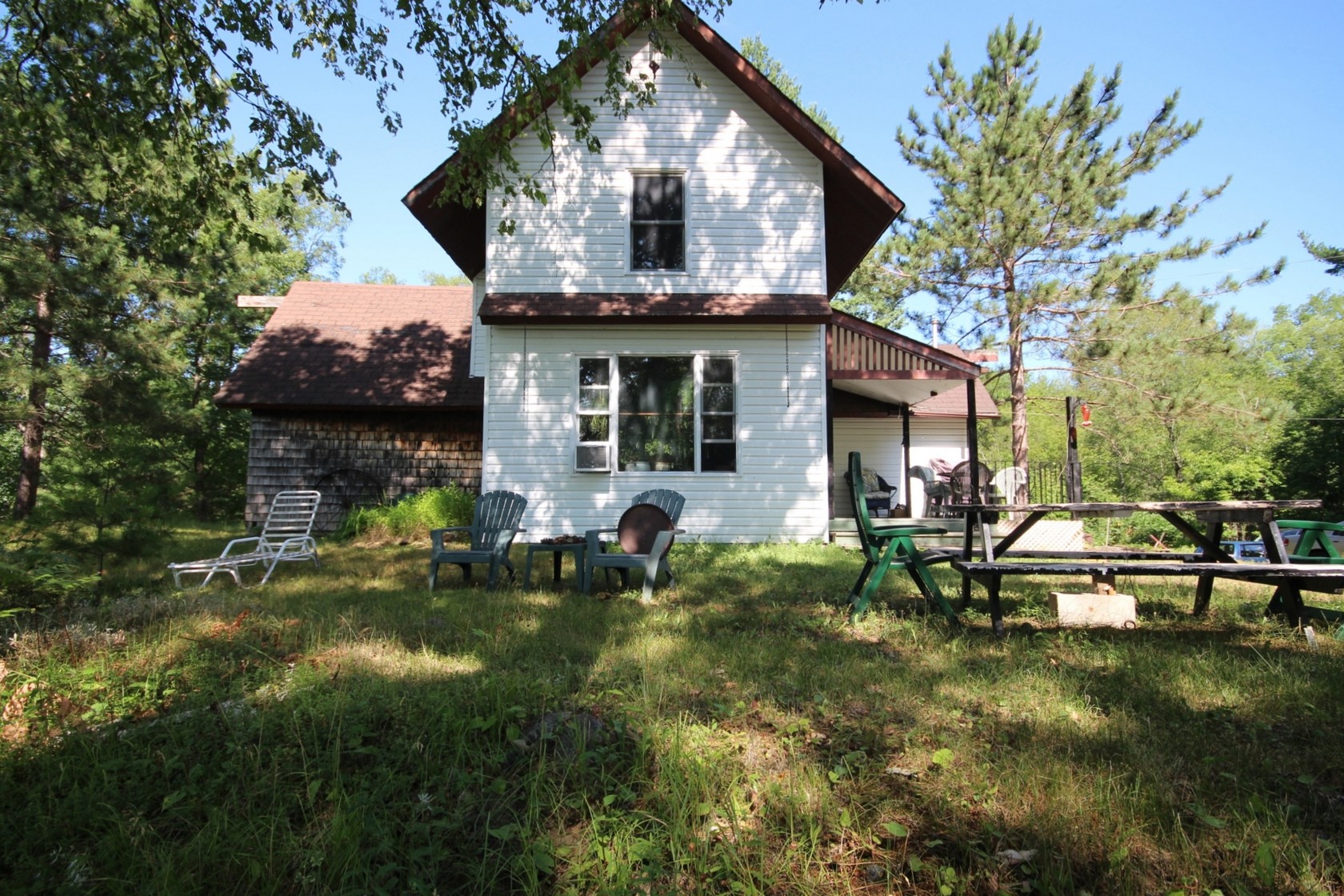
Insurance companies assess rural property insurance in Frontenac and the surrounding area differently from insurance on a typical city home, especially when the property is seasonal, remote, off-grid, island-based, or only accessible by private or seasonal road.
For many buyers, rural and seasonal properties offer exactly what they are looking for. More privacy. More trees. Lake access. Space for family. A cabin retreat. A quieter lifestyle. Maybe even the dream of living partly or fully off-grid.
Insurance companies assess these properties differently from houses on regular residential streets. A serviced year-round home is not the same risk as a seasonal cottage, water-access-only cabin, island property, or rural home far from fire protection.
Insurance is usually available, but the cost, coverage, exclusions, and conditions can vary. Buyers should confirm the insurance details before the agreement is firm. Sellers should be prepared to answer questions about access, heating, private services, docks, outbuildings, rental use, and past claims.
Rural property insurance is about more than the building.
When buyers think about insurance, they often think mainly about the house or cottage itself. Insurers look at much more than that.
An insurer will consider more than just the building itself. They may ask about the property’s usage, its occupancy frequency, and if it’s seasonal or year-round.
Access also matters. A property on a maintained road differs from one on a private lane, seasonal road, island, or water-access-only route.
Heating and services are another part of the review. Wood heat, propane appliances, solar power, battery storage, generators, private wells, septic systems, docks, boathouses, and other outbuildings may all affect coverage, cost, or eligibility.
In Frontenac and area, that matters. A rural home near Sydenham, Verona, Battersea, Harrowsmith, Sharbot Lake, Arden, Mountain Grove, Wolfe Island, Howe Island, or the Rideau system may have insurance considerations that do not come up in a typical Kingston subdivision.
A property can be beautiful and still be more difficult to insure than expected.
The Insurance Bureau of Canada notes that location can affect home insurance rates, replacement cost, heating type, wood stoves, unique property features, claims history, and distance from fire hydrants or fire stations.
Seasonal properties differ from year-round homes.
Insurers do not treat a seasonal cottage the same way as a full-time primary residence.
Insurance companies typically design a standard home insurance policy assuming that someone lives in the home regularly. Seasonal properties may sit empty for long periods, especially through the winter. That can raise concerns about burst pipes, roof damage, theft, vandalism, wildlife damage, delayed discovery of a problem, and whether anyone is checking the property.
Some insurers may require the cottage to be winterized. Others may require regular visits, monitored heat, alarm systems, shut-off valves, or specific steps when the property is vacant. The exact requirements depend on the insurer and the policy.
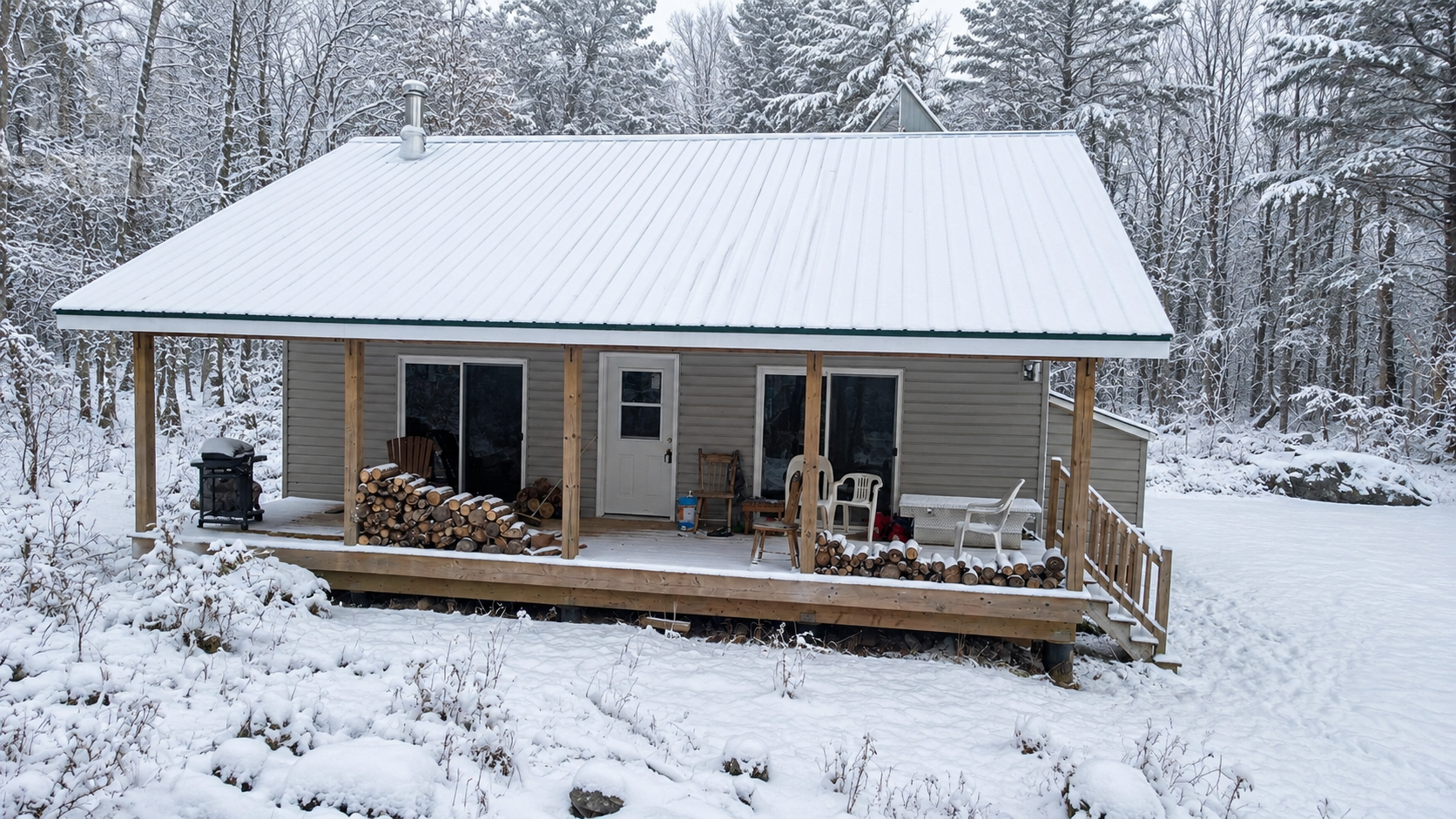
For buyers who plan to use a cottage occasionally rather than every weekend, this is especially important. If a pipe bursts in January and nobody discovers the damage until spring, coverage may depend on whether the owner followed the insurer’s vacancy, heating, winterization, and inspection rules.
Before buying, ask how the insurer will classify the property. Understanding if it’s seasonal, secondary, or year-round helps buyers and sellers feel more in control of the process.
Oracle RMS explains seasonal properties can trigger vacancy clauses, visit requirements, and maintenance duties because they may sit empty for extended periods. Owners should understand those conditions before they assume that a full-time home covers a seasonal cottage the same way.
Access can change the insurance conversation.
Access is one of the biggest issues with rural property insurance that buyers overlook.
Some properties have year-round municipal road access. Others are on private roads, lane associations, seasonal roads, unassumed roads, island roads, or water-access-only routes. Buyers should ask how seasonal access limitations could affect emergency response, repairs, and insurance coverage, especially during winter months, to feel more prepared for potential challenges.
For insurance, access is not just about convenience. It can affect emergency response, fire protection, repair costs, contractor access, material delivery, and the property’s ability to be reached quickly after a loss.
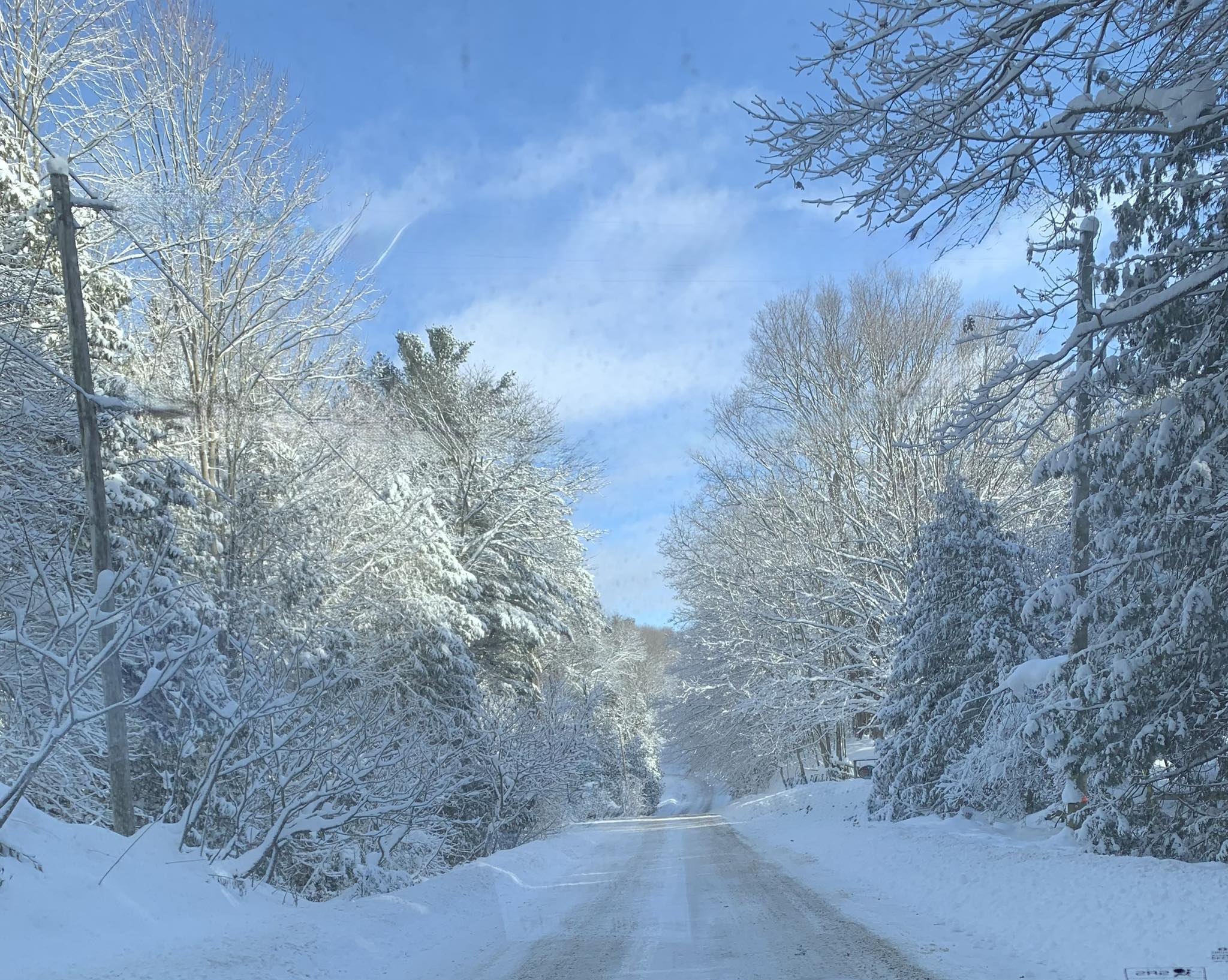
Access is not just a convenience issue. It can affect emergency response, repair costs, and an insurer’s comfort with the risk.
Private lanes, seasonal roads, island access, and water-access-only properties all require a closer look. The key questions are whether emergency vehicles can reach the property, whether winter access is reliable, and how repairs or materials would get to the site after a loss.
Island properties, such as those on Wolfe Island, Howe Island, or Amherst Island, may require special attention to ferry schedules, winter access, emergency access, dock condition, fuel delivery, contractor availability, and rebuilding logistics, highlighting the unique insurance considerations for these locations.
Before waiving conditions, buyers should speak with an insurance broker and accurately describe the access.
FOCA also highlights insurance and risk-management issues for rural road associations. That matters in cottage and rural areas where road maintenance, snow removal, shared access, and association responsibilities can affect more than convenience.
Fire protection matters in rural areas
Fire protection can be a major factor in insurance for rural and seasonal properties. Buyers should ask about fire response times, hydrant availability, and fire department access early in their search to feel more secure about safety and coverage options.
In rural areas, the nearest fire hall may be far away, hydrants may not be available, and fire response may depend on volunteer departments, tanker trucks, dry hydrants, narrow lanes, private roads, or seasonal access. In Frontenac and surrounding areas, proximity to fire protection, availability of hydrants, and access routes influence insurance premiums, coverage, and policy conditions, addressing potential buyer concerns about fire safety.
Insurers may ask about the distance to the nearest fire hydrant and the responding fire department. A property farther from fire protection may cost more to insure, or the insurer may need more information before offering coverage.
Wood heat can also affect insurance. A wood stove, fireplace, outdoor wood furnace, or other solid-fuel appliance may require a WETT inspection or other documentation. Even with proper installation and maintenance, a wood stove can still affect insurance.
Buyers should ask about fire protection early when looking at remote homes, cabins, cottages, hunt camps, or off-grid properties. Sellers can help by gathering any available WETT certificates, heating records, permits, or installation information before listing the property.
Off-grid properties need clear documentation.
Off-grid homes and cabins can be appealing, especially for buyers who want privacy, independence, or lower reliance on services. Insurance may still be available, but the insurer will usually want a clear picture of how the property works.
An off-grid property may rely on solar panels, batteries, generators, propane appliances, wood heat, composting toilets, holding tanks, wells, lake water systems, or other non-standard features. A more unusual setup may require more documentation.
The insurer may ask whether professionals performed the electrical installation and whether there were proper permits, and may request details about battery storage, the generator connection, fuel storage, smoke and carbon monoxide alarms, and the property’s winter heating management.
Improper installation or a lack of documentation for DIY systems can create problems. A buyer may love the idea of a self-sufficient cabin, but an insurer may focus on fire, electrical, theft, and water damage risks, as well as emergency access.
Off-grid does not automatically mean uninsurable. It means buyers should be honest and detailed with their insurance broker before firming up the deal.
Waterfront risk is part of the issue, but not the entire issue.
Waterfront properties deserve attention, but “waterfront” is too broad for this topic.
A year-round waterfront home on King Street, Highway 2, the 1000 Islands Parkway, Loyalist Parkway, Bath Road, or other high-value shoreline areas may have insurance concerns, but that is a different topic from a seasonal cabin or remote rural cottage.
For this article, the bigger concern is rural and seasonal property insurance. Waterfront may be one factor, along with road access, seasonal use, island access, fire protection, private services, and off-grid systems.
Still, water risk matters. Buyers should ask about overland water coverage, sewer backup, sump pump failure, shoreline erosion, ice damage, dock damage, boathouse coverage, and whether the property has experienced prior flooding or water intrusion.
Standard home insurance does not automatically cover every type of water damage. Overland flood and sewer backup coverage are often optional and may depend on the property’s risk profile. An insurance broker should carefully review a waterfront property, a low-lying cottage, or a home near a creek, lake, wetland, or river.
Docks, boathouses, and outbuildings could require individual consideration.
Rural and seasonal properties often come with more than the main dwelling.
There may be a dock, boathouse, detached garage, shed, bunkie, sauna, workshop, woodshed, pump house, generator shed, storage building, or older outbuildings. Buyers sometimes assume that they automatically have coverage for everything on the property. That is not always the case.
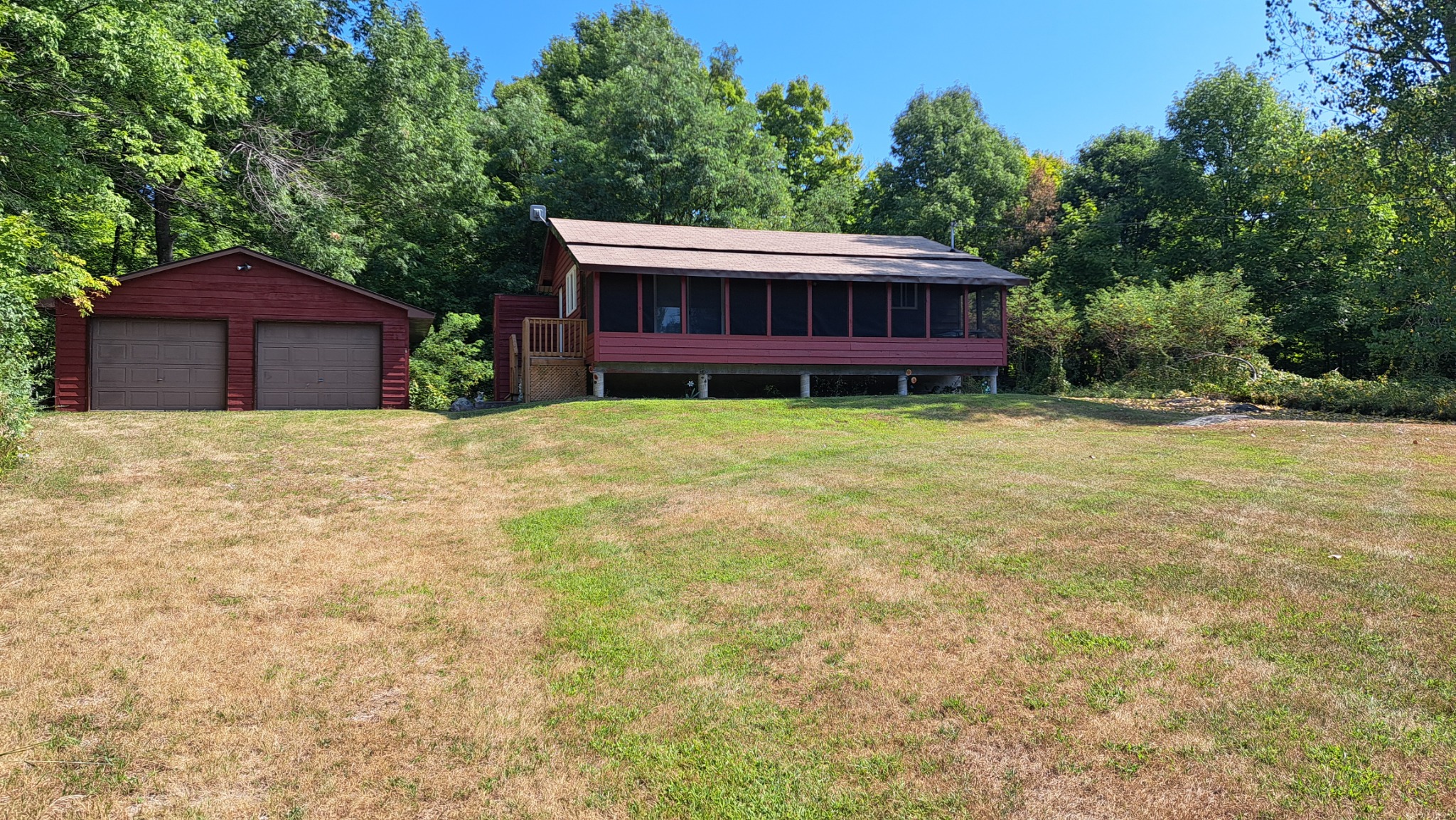
Some policies include limited coverage for detached structures. Others may require specific details, values, or endorsements. Storms, ice movement, high water, wind, and impact damage can expose docks and boathouses, making them especially important.
A buyer should inquire about coverage, exclusions, and sufficient limits. A seller should be prepared to describe the structure, approximate age, construction, condition, and use.
Short-term rental plans can change the policy.
Short-term rental use can change the insurance conversation. Insurance premiums are based on the property’s use. The insurer treats a cottage kept for family use differently from a property rented to short-term guests. The policy should align with the property’s actual use, according to the owners.
That matters for current owners and for buyers. A property originally insured as a family cottage may require different coverage if it later serves as an Airbnb, Vrbo, or other short-term rental.
The insurer needs a clear picture of the rental use, covering the frequency of rentals and whether guests will rent the entire property or just a section.
You should also disclose other risk areas, including docks, watercraft, wood stoves, hot tubs, fire pits, trails, and waterfront access, as these can affect coverage.
Municipal rules may also apply. Insurance approval is only one part of the question.
Private roads and road associations can matter.
Many rural and seasonal properties rely on private roads. Neighbours may informally maintain some roads, while others have a road association, a shared maintenance agreement, a cottage association, or an annual fee.
From a practical standpoint, buyers should understand who maintains the road, who plows it, who repairs washouts, whether emergency vehicles can use it, and whether there is any formal agreement.
From an insurance standpoint, road access can affect emergency response and claims handling. If the road is seasonal, narrow, steep, washed out, blocked, or not maintained in winter, that may influence whether the property is easy to insure.
For island and cottage communities, liability can also arise around shared roads, docks, boat launches, gates, or association-owned property. Buyers should ask questions early and review any available documents from the road association.
Questions buyers should ask before waiving conditions.
Before buying a rural, seasonal, island, or off-grid property, buyers should confirm that the insurance matches the way they actually plan to use the property. A family cottage, a year-round rural home, a short-term rental, and a recreational cabin may all fall into different insurance categories. Before the deal becomes firm, review fire, theft, vandalism, water damage, overland flood, sewer backup, docks, boathouses, outbuildings, and liability.
Buyers and owners should also ask whether the insurer has conditions related to winterization, vacancy, inspections, alarms, wood heat, WETT certification, oil tanks, propane systems, generators, solar systems, road access, or distance from fire protection.
For unusual properties, it may be wise to make insurance a serious part of the buyer’s due diligence. Waiting until the last days before closing can create avoidable stress.
What sellers can prepare before listing
Sellers of rural and seasonal properties can help the process by gathering useful information before the property goes on the market.
Helpful details may include the current insurer, heating type, WETT certificate, roof age, electrical updates, plumbing updates, septic information, well information, winterization steps, road access details, road fees, dock and boathouse information, generator or solar system details, propane or oil tank information, and any known history of flooding, water damage, or insurance claims.
Sellers do not need to solve every buyer’s insurance question. Each buyer’s insurer may look at the property differently. Still, good information can reduce uncertainty and make the property easier to evaluate.
Rural and seasonal properties require early planning.
Rural property insurance should be part of the conversation early on when buying or selling in the Frontenac area.
A cottage on a lake, an island retreat, an off-grid cabin, a remote rural home, or a seasonal property on a private road can be a wonderful fit for the right buyer. Understanding the practical issues before you complete the agreement is key.
Insurance is one of those issues.
The more unusual the property, the more important it is to ask questions early. Access, fire protection, water risk, heating, vacancy, rental use, outbuildings, and off-grid systems can all affect coverage.
For buyers, that means speaking with an insurance broker before removing conditions. For sellers, it means preparing accurate property details before listing.
Rural and seasonal properties can offer a lifestyle that is hard to match. They deserve a more careful insurance conversation than a typical city home does.
Frequently asked questions about rural property insurance.
Is rural property insurance different from regular home insurance?
Yes. Insurers assess rural property insurance differently because the property usually presents a different risk profile from that of a typical city home. Insurers consider access, fire protection, heating, occupancy, private services, outbuildings, water risk, and property use.
Why does road access matter for rural property insurance?
Road access affects emergency response and repair work after a loss. A property on a year-round maintained road differs from one on a private lane, seasonal road, island, or water-access-only route. The insurer needs to know how people, emergency vehicles, contractors, and materials can reach the property.
Does rural property insurance cost more?
Rural property insurance can cost more when the property has added risk factors. Distance from fire protection, seasonal access, wood heat, older buildings, docks, outbuildings, off-grid systems, and short-term rental use can all affect premiums, coverage, exclusions, and policy conditions.
Does insurance change if I rent my cottage on Airbnb or VRBO?
Yes. Insurance premiums are based on the property’s usage. The insurer treats a cottage kept for family use differently from a property rented to short-term guests. Owners should review their rural property insurance before offering a cottage, cabin, or rural home as an Airbnb, VRBO, or other short-term rental.
Are docks, boathouses, and outbuildings automatically covered?
Not always. Docks, boathouses, bunkies, sheds, garages, saunas, workshops, and other detached structures may have separate limits, conditions, or exclusions. Owners and buyers should confirm how insurers treat these structures under the rural property insurance policy.
Is rural property insurance affected by wood heating?
Yes. Wood heat can affect rural property insurance by altering the fire risk. A wood stove, fireplace, outdoor wood furnace, or other solid-fuel heating system may require documentation, professional installation details, or a current WETT inspection.
Insurance for off-grid homes?
Insurers will insure off-grid properties, but they will want complete information about the systems in place. Solar panels, batteries, generators, propane appliances, wood heat, fuel storage, private water, and septic systems can all affect rural property insurance coverage and pricing.
Should I check insurance before buying a rural or seasonal property?
Yes. Buyers should confirm rural property insurance before the agreement is firm. The insurance review should match the actual property, including access, occupancy, heating, water risk, private services, docks, outbuildings, and intended use.
Should current owners review their rural property insurance?
Yes. Current owners should review their rural property insurance when the property’s use changes. Adding short-term rentals, installing wood heat, building a bunkie, adding a dock, changing access, or upgrading to off-grid systems can affect coverage.
What information should sellers prepare for rural property insurance questions?
Sellers should be prepared to answer questions about access, heating, private services, docks, outbuildings, rental use, past claims, fire protection, and seasonal occupancy. Obvious information can help buyers and insurers understand the property more quickly.
Don’t miss these guides.
These guides offer more helpful information for rural, seasonal, waterfront, and cottage property owners and buyers in Kingston, Frontenac, and the surrounding area.
A Kingston Area Guide to Wells and Septic Systems
Private wells and septic systems are common outside the city. This guide explains what buyers and owners should know before problems become expensive.
Guide to rural heating systems, 2026
Heating type can affect comfort, operating costs, and insurance. This guide looks at wood heat, propane, oil, heat pumps, and other rural heating options.
Is a dug well problematic?
Residents use dug wells on some rural and seasonal properties in Frontenac and the surrounding area. This guide explains water quality, drought risk, maintenance, testing, and the questions buyers and owners should ask.
Cottage Closing: 7 Steps to Winterize
Properly shut down seasonal properties before winter. This guide covers key steps for protecting cottages from freezing, water damage, and avoidable maintenance issues.