


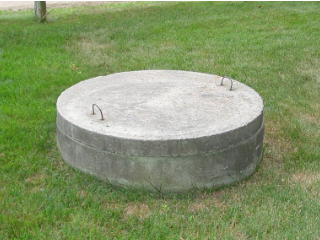
Actual and perceived risks of a dug well
The property has a dug well; few words create more concern among rural property buyers than “dug well.”
I’ve had buyers become nervous the moment they see the term on an MLS® listing. Some immediately assume the water is unsafe. Others worry the well will run dry, require replacement, or create financing and insurance issues.
The reality is often very different.
Throughout Kingston and the area, including South Frontenac, Central Frontenac, North Frontenac, Stone Mills, Rideau Lakes, Loyalist Township, and the Thousand Islands region, many homes continue to rely on dug wells that have supplied dependable water for decades.
Like many aspects of rural property ownership, the challenge is separating actual risks from perceived risks.
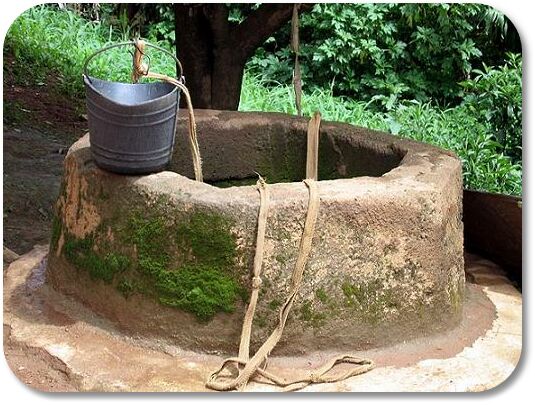
Why Dug Wells Have a Reputation Problem
Many buyers moving from Kingston, Ottawa, Toronto, or other urban centres have never owned a private well.
When they hear “dug well,” they often assume they are looking at an outdated system waiting to fail.
Buyers should request recent water test results and maintenance records for a dug well, as construction details alone do not guarantee water safety or quality.
Evaluate a well based on its water quality, maintenance history, and performance, not just whether it is dug or drilled, to understand its reliability better.
Some dug wells provide excellent service for generations. Some drilled wells experience problems. The label alone does not tell the story.
Why Dug Wells Became Common
Dug wells exist on properties of many ages throughout Kingston and the area. While some date back decades, others serve homes built much more recently. The type of well often reflects local groundwater conditions, available water quantity, and construction decisions rather than simply the property’s age.
Digging a large-diameter well into a reliable groundwater source was often the most practical solution.
As a result, many farmhouses, country homes, and waterfront properties still rely on dug wells today.
A well that still functions after fifty, seventy-five, or even a century likely provided water consistently through varied weather and owners.
Understanding the Real Risks
The biggest concern with a dug well is usually not age.
It is vulnerable to surface contamination.
Because dug wells are typically shallower than drilled wells, they may be more susceptible to influences from heavy rainfall, surface runoff, septic problems, agricultural activity, animal waste, or poor drainage around the well.
That does not mean contamination exists.
Regular testing and proper maintenance are essential to address surface contamination risks and help owners feel reassured about water safety and the well’s reliability.
Another concern involves water quantity during extended dry periods. Because dug wells often rely on shallower groundwater sources, prolonged drought conditions can affect water levels more quickly than some deeper drilled wells.
For this reason, buyers should investigate both water quality and water quantity.
These are two separate issues.
A well may provide excellent drinking water but struggle during drought conditions. Conversely, a well may produce abundant water while requiring treatment to address quality concerns.
The Questions Buyers Should Be Asking
When evaluating a property with a dug well, buyers should focus on the well’s history and performance, which can provide reassurance beyond the well type alone.
Has the well ever experienced shortages during dry summers? If so, when did those occur? How many people were living in the home at the time? Were any upgrades made to improve the water supply, storage capacity, or delivery system?
The answers often provide far more useful information than simply knowing whether the well is dug or drilled.
A dug well that has reliably supplied a family of four for twenty years may represent less risk than a drilled well with a history of low-yield problems.
Some drilled wells have problems, too.
One of the biggest misconceptions in rural real estate is that drilled wells are automatically superior.
Drilled wells certainly offer advantages. They are often deeper, better protected from surface contamination, and less vulnerable to seasonal fluctuations.
However, drilled wells are not immune to problems.
Low water production, mineral content, sulphur odours, hard water, pump failures, pressure tank issues, and treatment requirements can occur in drilled wells just as they can in other systems.
A drilled well is not a guarantee of perfect water.
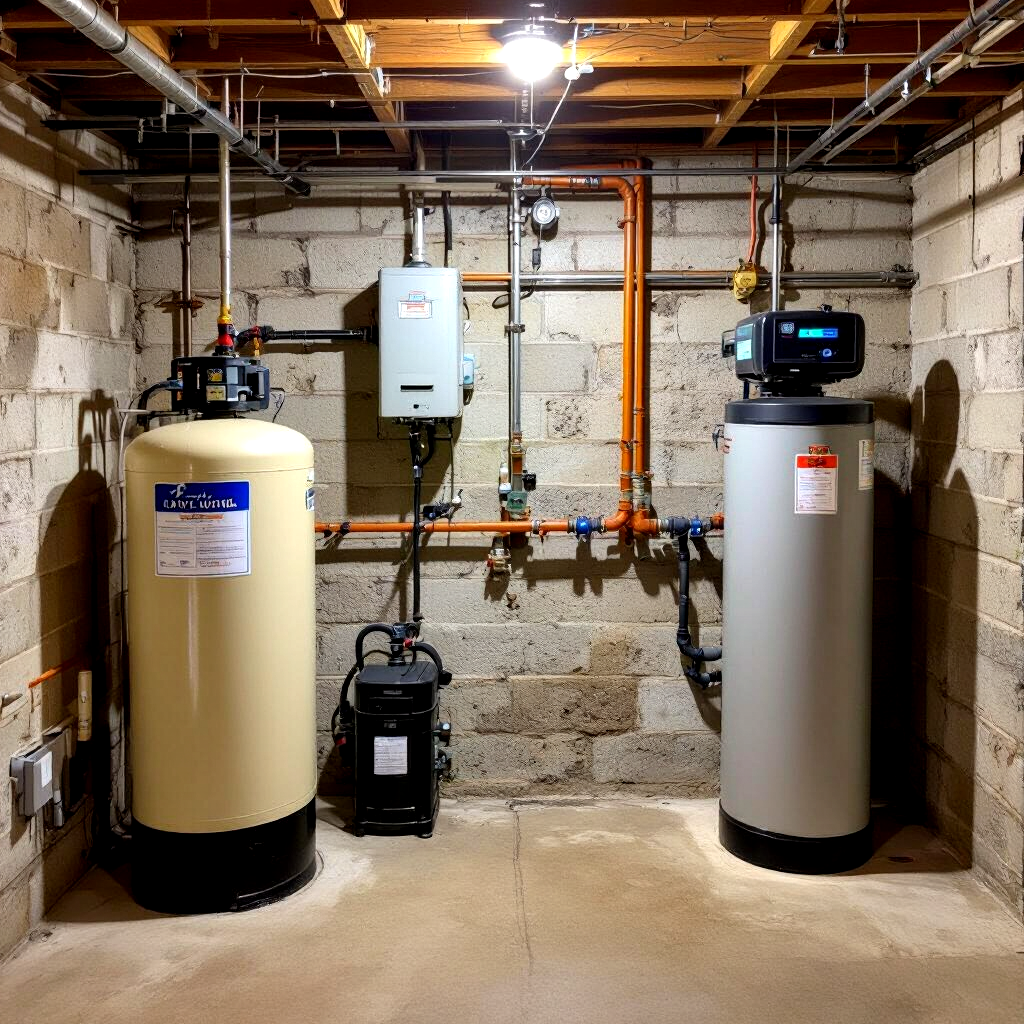
Modern water treatment equipment can address many common well-water concerns, including hardness, iron, sulphur odours, sediment, and staining issues. Many rural homeowners successfully use treatment systems to improve water quality and protect plumbing fixtures and appliances.
What about shore wells?
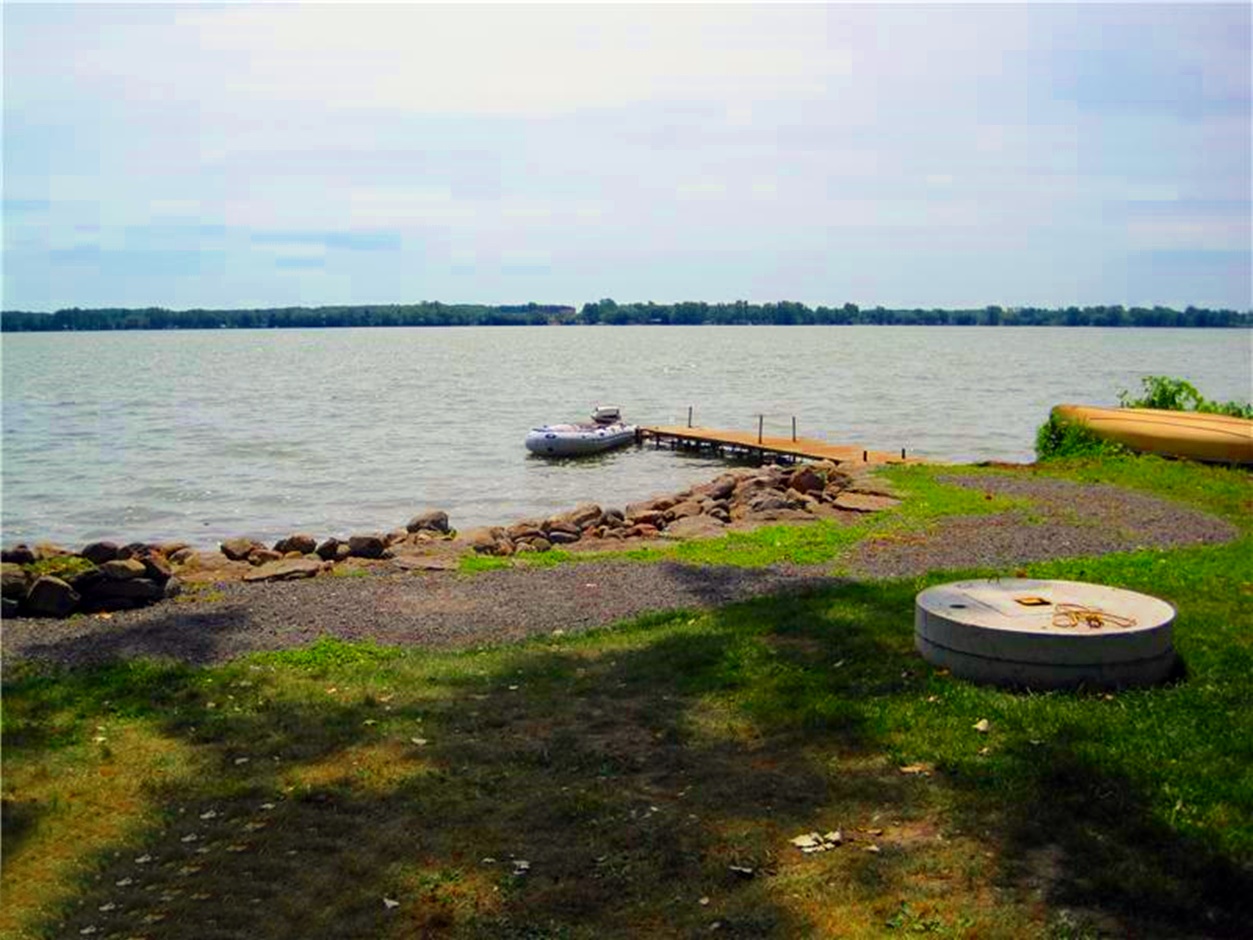
Many waterfront buyers encounter another unfamiliar term: shore well.
Shore wells are common along portions of the St. Lawrence River, the Rideau system, and inland lakes throughout Frontenac County.
Like dug wells, shore wells often trigger concern simply because buyers are unfamiliar with them.
Some shore wells provide excellent service. Others may require treatment systems or additional investigation.
As with dug wells, focus on testing, maintenance, and historical performance rather than assumptions.
Shared Wells Create Different Concerns
Many buyers assume water quality is the primary concern with shared wells, but reviewing legal rights, existing agreements, and maintenance responsibilities is equally crucial to avoid future issues.
When considering a shared well, ensure a properly drafted and registered agreement so buyers feel secure about access, maintenance, and future responsibilities.
Problems can arise when documentation is missing, incomplete, or difficult to verify.
In the past year alone, I have encountered properties where access to a shared well had become a significant issue. Uncertainty about maintenance responsibilities, repair costs, and future access rights can arise from ownership changes, neighbourly conflicts, or inadequate historical records.
Before buying a property with a shared well, buyers should ask whether a formal agreement is in place, whether it’s registered on title, and whether their lawyer has assessed it. Understanding who owns the well, who maintains it, and what happens if major repairs become necessary is just as important as understanding the quality of the water itself.
A properly documented, shared well can serve neighbouring properties successfully for decades. An undocumented arrangement, however, can become one of the most complicated issues a rural property owner faces.
What Home Buyers Should Review
Before purchasing any rural property with a private water supply, buyers should consider available well records, water testing results, treatment equipment, pump systems, and the property’s historical water usage.
A home inspection may identify visible concerns, but buyers should remember that inspectors do not perform detailed water-quantity testing.
Additional investigation may be appropriate depending on the property and the buyer’s comfort level.
In summary
A dug well is not automatically a problem.
Many times, it is simply a different type of private water system that has been serving a property successfully for decades.
The biggest mistake buyers make is focusing on the label instead of the evidence.
A properly maintained dug well with reliable water quantity, satisfactory water quality, and a strong performance history may prove to be an excellent water source.
The goal is not to avoid dug wells.
The goal is to understand them.
When purchasing a rural property in Kingston and Area, informed buyers base their decisions on testing, maintenance, and facts rather than assumptions.
Learn More About Private Wells and Well Water Safety
Private well ownership is common throughout Kingston and the area, but it comes with responsibilities that municipal water users rarely think about. Water testing, maintenance, drought awareness, and understanding your well’s construction can all play important roles in protecting your family’s water supply.
Buyers and homeowners looking for additional information may find these resources helpful:
Health Canada’s Well Water Guide explains private well ownership, common contaminants, testing recommendations, and steps homeowners can take to protect their drinking water.
Ontario’s Private Rural Water Supplies guide provides information about dug wells, drilled wells, water quality, contamination risks, and ongoing maintenance responsibilities.
The Ontario Soil and Crop Improvement Association’s Water Wells Information Sheet offers practical guidance on well protection, groundwater awareness, and best practices for rural property owners.
The Well Guide contains detailed explanations of dug wells, drilled wells, common maintenance issues, and private well ownership.
The Canadian Home Inspection Services Water Wells Reference Library provides useful background information for buyers evaluating properties served by private wells.
Provincial health authorities also recommend regular water testing for bacteria and other potential contaminants, particularly for shallow wells and properties near agricultural activities or septic systems.
The more buyers understand about their water supply, the more confident they can be when evaluating rural and waterfront properties.
For homeowners exploring treatment options, Cleanflow Water Technologies offers a guide to Big Blue filter systems with more information on whole-house filtration and how larger-capacity filter systems can address various well water issues.
Frequently Asked Questions About Dug Wells
Is a dug well safe?
Proper maintenance and regular testing ensure that a dug well provides safe drinking water. Water quality depends on many factors, including location, construction, surrounding land uses, and ongoing maintenance.
Are dug wells common in Kingston and the surrounding area?
Yes. Dug wells remain common throughout Frontenac, Lennox and Addington, and Leeds and Grenville counties. You can find them on farms, by the water, in the countryside, and in some new rural areas. Dug wells are not unusual in our area, and many still provide reliable water supplies for households throughout the region. The important considerations are not the type of well but its performance, testing history, and ongoing maintenance.
Is a drilled well always better than a dug well?
Not necessarily. Drilled wells seem to offer greater protection from surface contamination because they are deeper. However, a well-maintained dug well with good water quality and an adequate supply may perform perfectly well for a household’s needs.
Can a dug well run dry?
Some dug wells are more vulnerable to drought conditions because they draw water from shallower groundwater sources. Buyers should ask sellers whether the well has ever experienced shortages and how it performed during particularly dry years.
Should I test well water before buying a rural property?
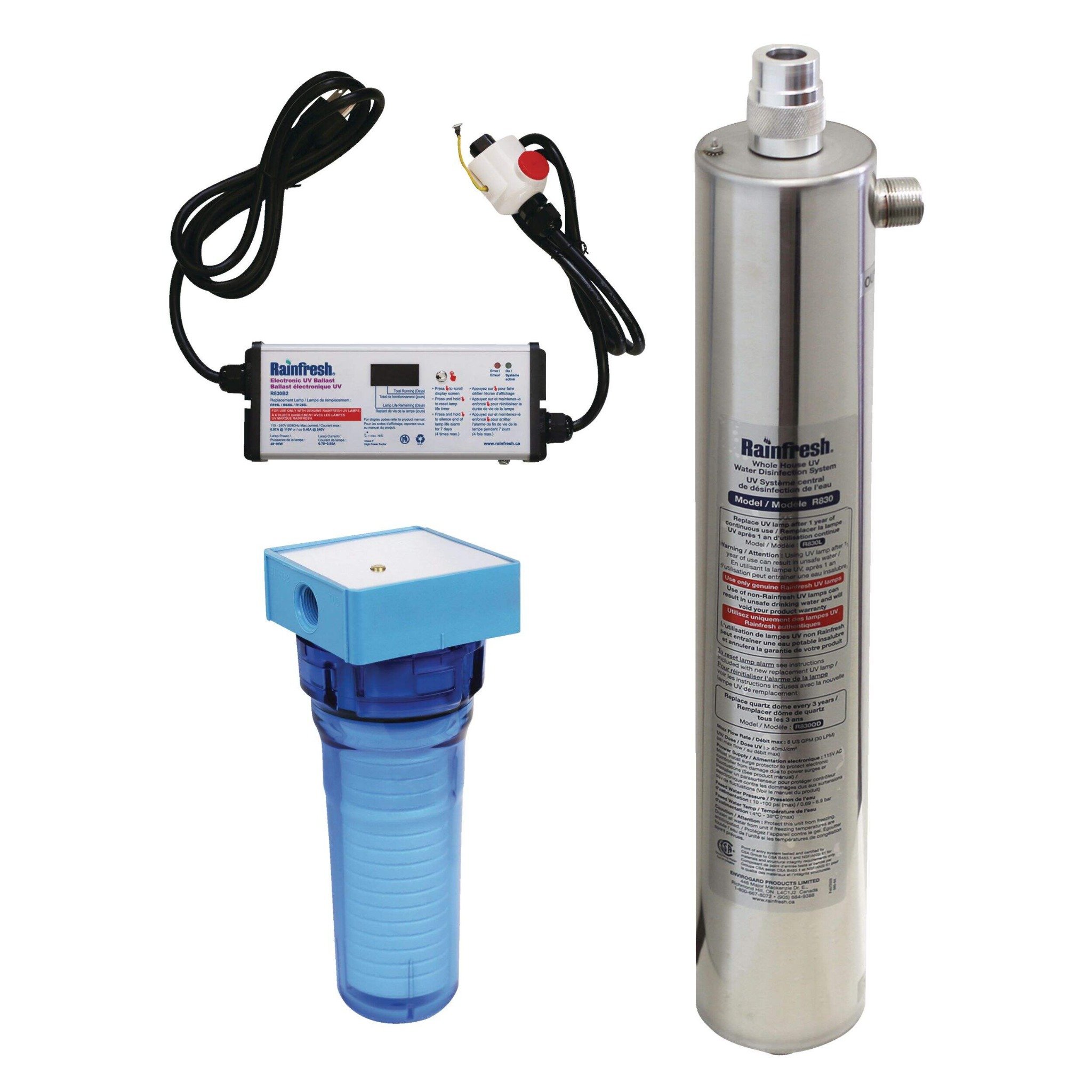
Yes. Testing private well water is one of the most important steps when purchasing a rural property. Water can appear clear but still contain harmful contaminants that are undetectable by taste, smell, or appearance.
Sometimes, mortgage lenders, insurance providers, or financing conditions may require evidence that the water supply is potable. Even when testing is not mandatory, buyers should get current water test results before completing a purchase. Water quality, like the condition of a septic system, is a critical part of evaluating a rural property.r.
What should I ask about a shared well?
Buyers need to check whether a formal shared well agreement is in place, whether it’s on record with the title, who handles upkeep and repairs, and whether all users legally have access to the water.
Does a dug well affect the resale value?
Some buyers may initially prefer a drilled well, but documented water testing, a reliable supply, and a history of satisfactory performance often matter far more than the well type itself.
Can a home inspector tell me everything about a well?
No, home inspectors can often identify visible concerns with equipment and components, but they rarely perform detailed water-quantity testing or provide guarantees of long-term well performance.
Don’t miss these guides
Private wells are only one aspect of rural property ownership. Buyers considering country homes, waterfront properties, or a move to Kingston and the area may find these additional resources helpful when evaluating communities, understanding local services, and making informed purchasing decisions.
A Kingston Area Guide to Wells and Septic Systems
A complete overview of private wells, septic systems, inspections, maintenance requirements, and common questions buyers should investigate before purchasing a rural property.
Waterfront Property in the Kingston Area: Cottages, Year-Round Homes, and Buyer Guidance
Many waterfront properties rely on private water systems, including dug wells, shore wells, and shared wells. This guide explains what buyers should know before purchasing a waterfront home or cottage.
Affordable Homes in Kingston and Area
Many of the most affordable properties in Kingston and the surrounding communities are located outside municipal service areas, where private wells and septic systems are common. Learn where buyers are finding value and what additional considerations come with rural ownership.
Moving to Kingston, Ontario: Why and Where Buyers Move
Many buyers relocating from larger urban centres have never owned a private well or septic system. Learn why people are moving to Kingston and the area, and what surprises often accompany the transition to rural living.
Neighbourhoods in Kingston and Area
Explore communities throughout Kingston, Frontenac, Lennox and Addington, and Leeds and Grenville. Understanding the differences between urban, suburban, village, and rural locations can help buyers narrow their search.
Relocating to Kingston and Area
A practical guide for buyers moving to the region, covering housing options, lifestyle considerations, commuting patterns, and the differences between urban and rural properties