


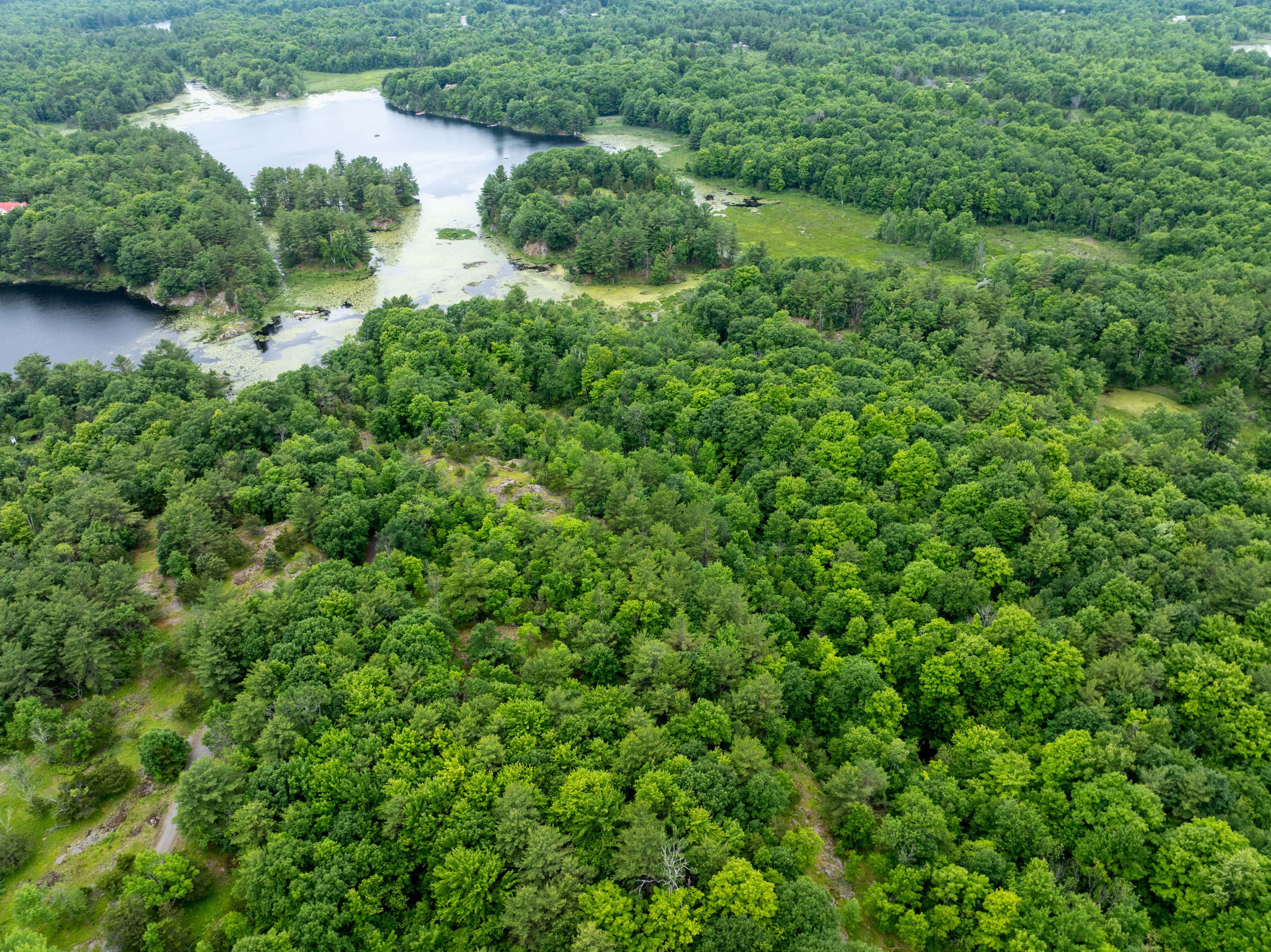
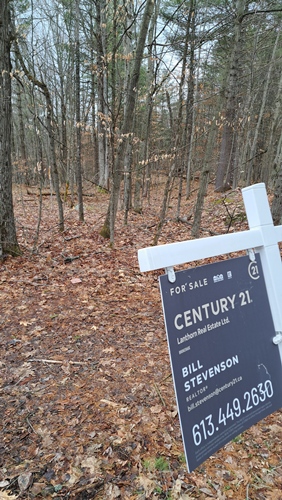
You view some vacant land and think, “I want to build a home there”.
To make an informed and secure decision about building without compromises, buyers should understand the influence of land features on their construction possibilities.
Around Kingston and the surrounding areas, that often means a few acres, some privacy, and a home set back from the road. It is easy to picture, and for the right buyer, it can absolutely be worth it.
Building a home on undeveloped land involves many choices, expenses, and schedules. Knowing these layers early can help buyers feel more confident and prepared for the process.
Land isn’t the only expense-additional costs arise.
When buyers first view an undeveloped property, they often focus on the purchase price, but understanding the full project cost is essential for making informed decisions.
Even if two properties first look alike and have similar prices, they can incur very different total costs once construction starts.
Some vacant land property is relatively straightforward, with hydro nearby, defined access, and a clear building area. Other parcels are completely raw, with no services, no driveway, and no preparation. The lower purchase price can be appealing, but it often shifts the cost of everything that follows.
That is where the layers begin.
Of course, vacant land is seldom actually vacant.
Before construction even starts, there may be costs for clearing the land, creating access, installing a driveway and culvert, bringing in hydro, drilling a well, and designing and installing a septic system. These are not optional steps. They are part of making the property usable.
Even when services appear to be available, confirming their quality and availability is crucial. Knowing that a well’s water quality or hydro’s cost can vary helps buyers feel more secure in their planning.
As the vacant land project moves forward, those costs continue to build. Site preparation, foundation decisions, servicing, and construction all layer on top of one another. What starts as a land purchase becomes a full project with multiple moving parts.
Considering the total project cost early on helps buyers feel in control and avoid surprises, making the building process less stressful and more manageable.
This land’s major benefit for you is the building potential it offers.
Before moving too far ahead, it is important to confirm what can actually be done with the property.
A lot may look large on paper, but setbacks, septic requirements, drainage, and environmental buffers can reduce the actual buildable area. Sometimes, only a portion of the property can support a home.
Zoning, setbacks, conservation involvement, and easements can seem complex, but understanding these regulations helps buyers feel more prepared.
Experienced buyers treat vacant land as a project rather than a quick purchase. Conditions for zoning, surveys, access, and servicing are part of protecting the investment, not optional extras. How that plays out depends on the type of land you are dealing with.
Local terrain exhibits a variety of behaviours.
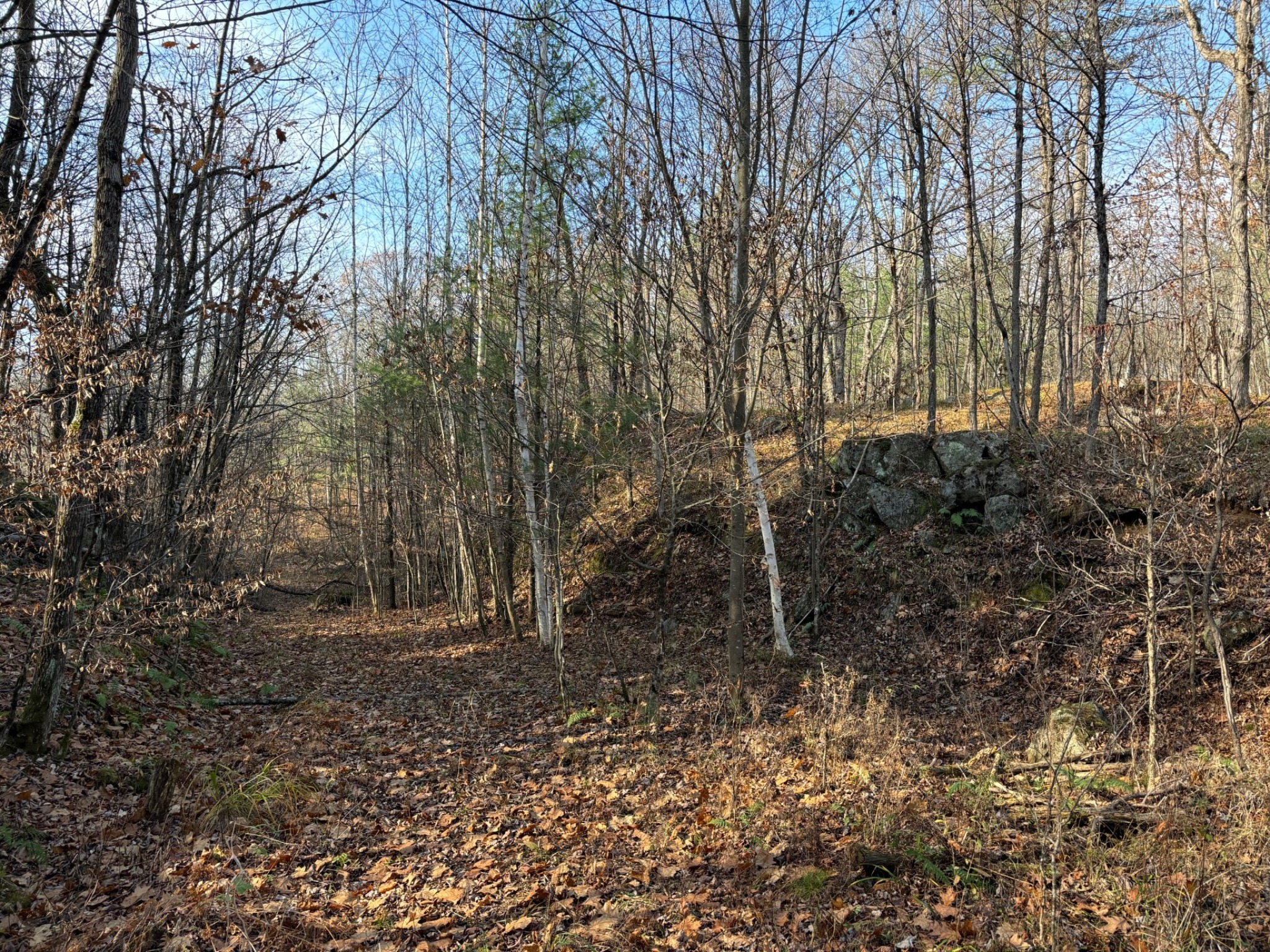
In the Kingston and surrounding areas, vacant land often falls into two very different categories.
Some properties are severances from existing farmland. In those cases, access, hydro, and approvals may be more straightforward because the land has already been part of an active property.
In the Kingston area, terrain varies widely, with some parcels on farmland and others on the Canadian Shield, which affects foundation options and excavation costs.
Certain constructions opt for slab-on-grade or other foundation types rather than full basements.
It does not ruin the deal, but you need to understand it before you complete the plans.
On some properties, especially where soil conditions are uncertain, a geotechnical review may be required to confirm foundation design, drainage, and overall build feasibility.
Access can be a project on its own
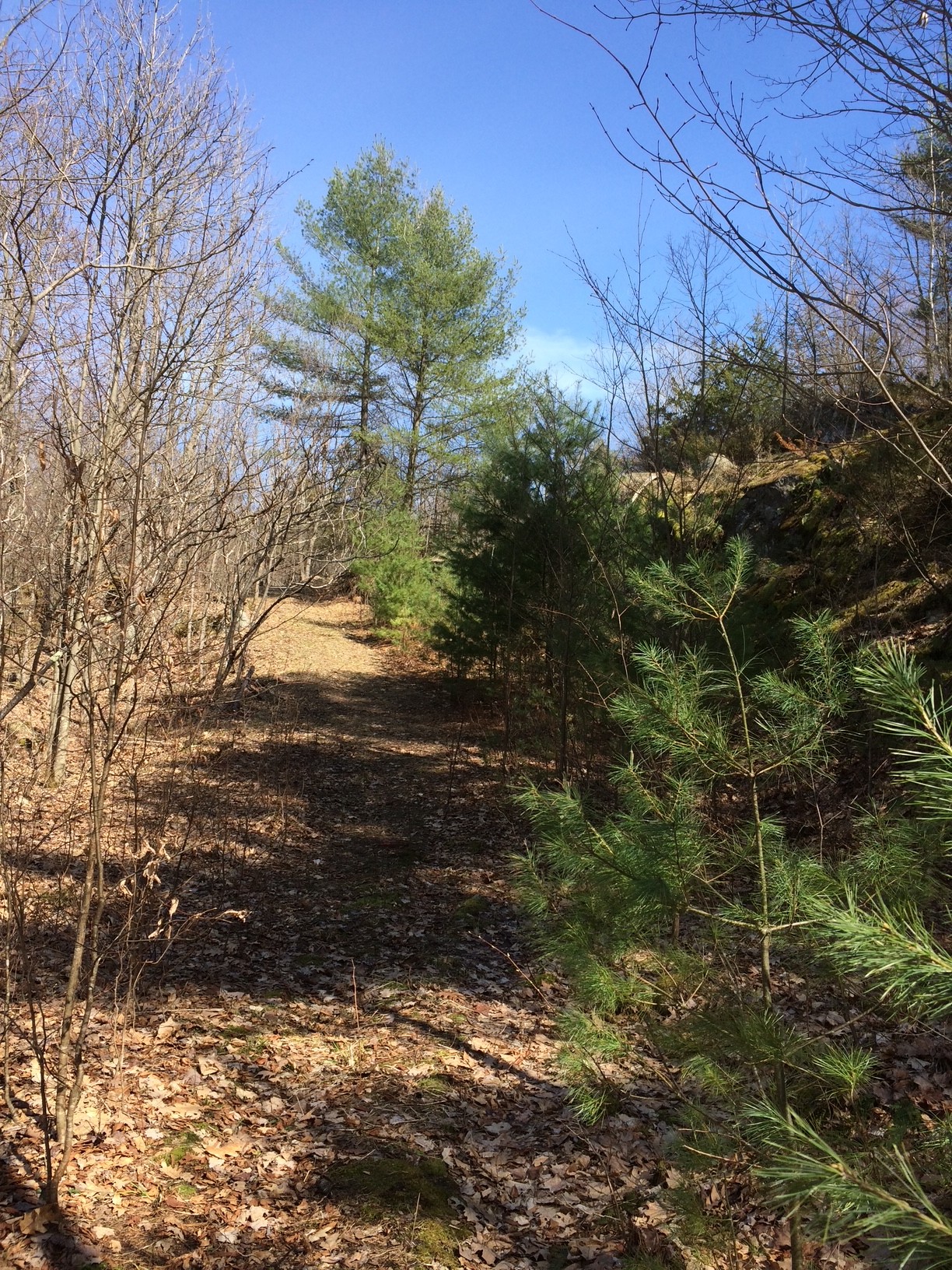
Getting onto the property is not always as simple as it looks.
A permit may be required for new driveway construction, and getting it can involve processing times and fees. Installing culverts for roadside drainage also requires permits, which can add to costs and timelines. Understanding these requirements early helps buyers plan effectively and avoid surprises.
Road conditions also matter. Is the road maintained year-round, either municipally or privately, or is access seasonally limited? Access that works well in summer may be very different in winter or during the spring thaw. Construction vehicles and deliveries need to reach the site without difficulty.
Is there access to potable water?
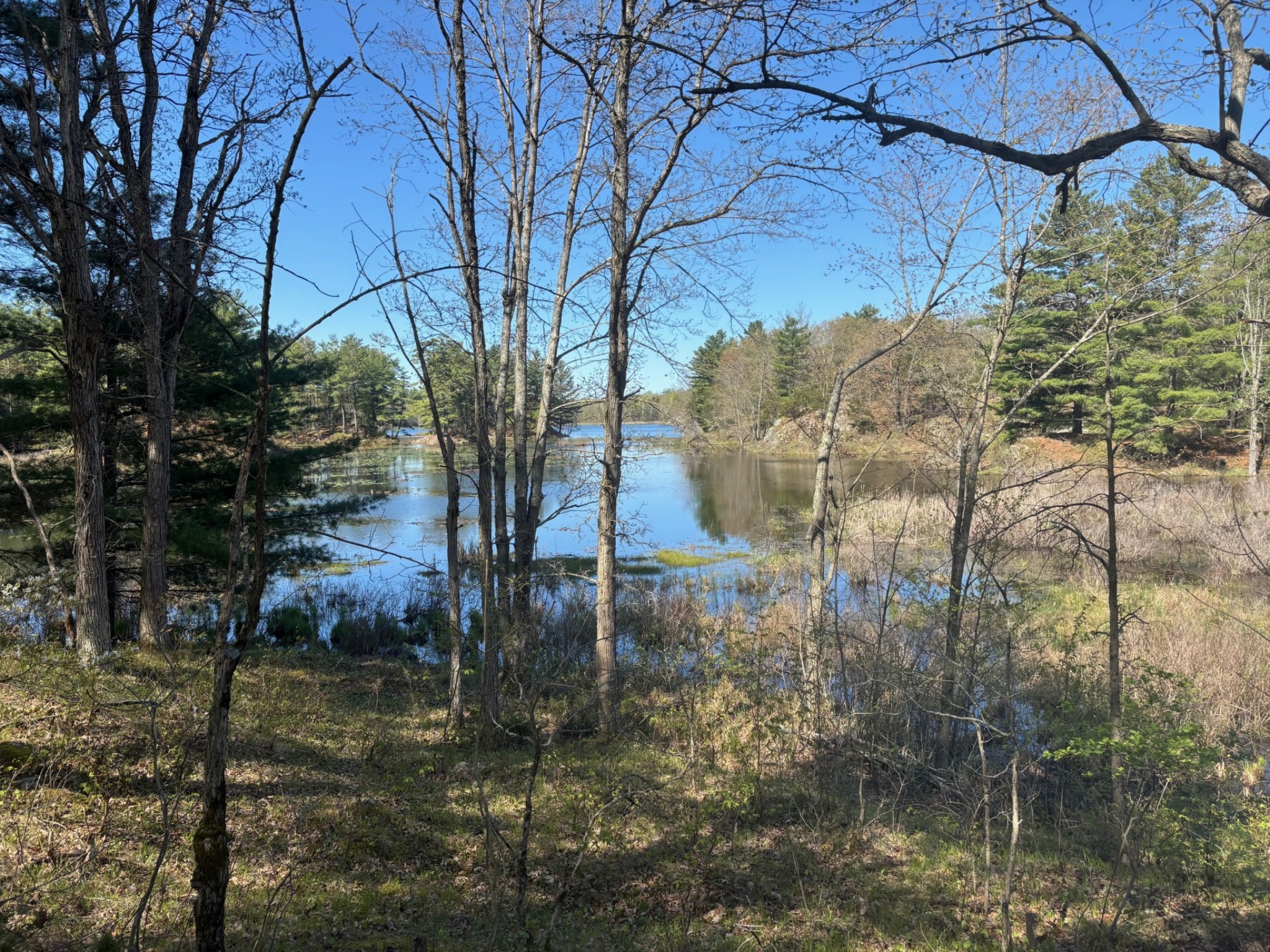
Where municipal water is not available, the property will need a private water source. Most buyers assume that means drilling a well and moving on, but the reality is more involved than that.
The type of water system matters, but more importantly, buyers should confirm that the water is usable, reliable, and suitable for year-round living through testing and assessments; this ensures peace of mind and helps avoid future issues with the water supply.
Drilled wells are the most common choice today. They are deeper, typically more consistent, and preferred by lenders. That said, they are not immune to issues.
Dug wells are still in use, including on some newer properties where conditions allow. They are shallower and draw from surface water sources, which makes them more sensitive to seasonal changes. A dug well can perform adequately, but it is more prone to fluctuation in dry periods and more vulnerable to contamination from surface runoff.
Water quality can vary because of underground conditions, but understanding the options and potential issues helps buyers feel more secure when planning for a dependable water supply.
In some areas, water issues are not about proximity to a lake or river, but about what is happening underground. Groundwater moves through rock and soil, and what it picks up along the way becomes part of the water supply.
It is not unusual to see wells affected by naturally occurring minerals or geologic conditions. Sulphur is one of the more noticeable examples. Naturally occurring bacteria or sulphur deposits in the ground often cause it to smell like a “rotten egg.” It is not uncommon, but it requires treatment to make the water usable for everyday living.
Iron and manganese are also common in many parts of Eastern Ontario. These can cause staining on fixtures, discolouration, and a metallic taste. Hard water, caused by calcium and magnesium, can lead to scale buildup in plumbing and appliances.
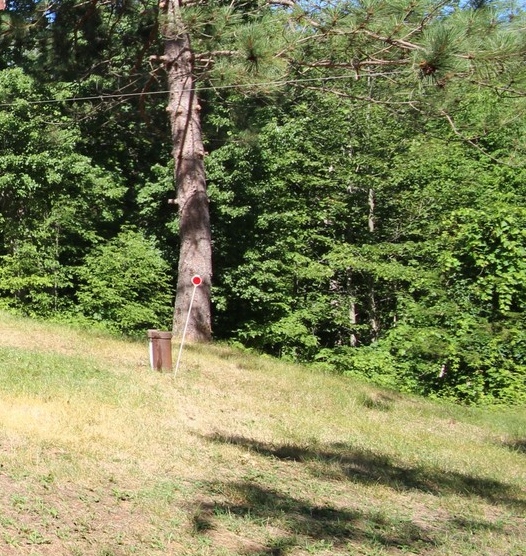
Water can sometimes have a salty or brackish taste. Groundwater moving through ancient mineral deposits or deeper, denser water entering the well during heavy use can cause this. In certain areas, long-term environmental factors or human activity can also play a role.
A well-producing water source is only part of the equation.
That water still needs to be tested, and many times, treated. Filtration systems, softeners, UV systems, and other equipment are often part of making a private water system suitable for daily use.
Two wells on neighbouring properties can produce different results, which is why testing and understanding the source is so important before committing to a build.
On waterfront properties, shore wells or lake intake systems are common. These draw water directly from the lake or river and can provide a steady supply, mainly on large bodies of water. The trade-off is the treatment. Filtration, UV systems, and ongoing maintenance are essential to making that water safe for year-round use.
Some seasonal properties take a simpler approach, drawing water directly from the lake for non-potable uses. That may work for occasional use, but it is not the same as having a reliable, treated water system for a full-time home.
Having a water source is not the same as having good water.
Buyers should ask different questions depending on the property. Buyers should investigate past water tests for any existing wells or sources, focusing on potability, flow rate, seasonal consistency, and potential treatment needs.
If no water source exists, the focus shifts to feasibility. That includes whether you could drill a well, the expected depth and yield, and the overall cost. Sometimes, nearby wells can provide a general idea, but there are no guarantees until the work is done.
Making an assumption can lead to problems. Taking the time to understand the water system before building helps avoid surprises later, especially once the home is complete and in use.
Is a septic system workable?
A septic system is necessary if the property lacks municipal sewer access. That sounds straightforward, but it is one of the most important factors in determining whether a lot is truly buildable.
A traditional septic system relies on a weeping bed to disperse treated wastewater into the soil. That requires suitable soil conditions and enough space to meet setback requirements.
On smaller lots or in areas with a high water table, there may not be enough room for a standard system. In areas with limited soil depth or exposed bedrock, such as the Canadian Shield terrain to the north, a conventional system might not be viable.
When that happens, alternative systems may be required. These can include raised mound systems, sand filter systems, aerobic treatment units, drip systems, or other engineered solutions designed for more challenging conditions. Sometimes people use holding tanks, particularly for lower-use properties, but these require regular pump-outs and ongoing maintenance.
Costs can vary widely depending on the type of system required, and advanced systems can be significantly more expensive than a standard installation. Proper testing and design are essential before moving forward.
Mineral issues become more common as you move north of Kingston and into Frontenac and surrounding areas, where Canadian Shield conditions mean thinner soil over rock. In those cases, standard systems are not always possible, and alternative septic designs are often required.
A good well is something you rarely think about, while an inadequate supply becomes part of your daily routine quickly.
watch the video from the Ontario Government here
Projects by water face more constraints.
Waterfront land is some of the most appealing, but it also comes with additional layers of regulation.
Setbacks from the water are one of the most important. Most municipalities and conservation authorities require buildings to be located a minimum distance back from the shoreline. Throughout Ontario, the standard minimum setback for a new-build residence from a lakefront is 30 metres (100 feet) from the high-water mark. This requirement is increasingly being standardised across municipalities to protect water quality and preserve shoreline ecosystems.
Sometimes, the most desirable part of the lot, closest to the water, is not buildable.
There may also be restrictions on tree removal, grading, shoreline alteration, and septic placement. Along the Rideau Canal, these controls may be more stringent and require additional approvals.
For buyers considering waterfront land, understanding these limitations early is just as important as the view itself.
Access to the property is one thing. Getting materials to the building site is another.
Once construction begins, the property needs to handle regular deliveries. That includes lumber, trusses, drywall, roofing materials, and many times, concrete trucks. These are not small vehicles, and they require space to get in, turn around, and leave safely.
A driveway that works for a pickup truck may not work for a cement truck.
Narrow entrances, soft ground, steep grades, or tight turns can all create problems. Sometimes, you need temporary upgrades to allow construction to move forward. That might include widening access, adding gravel, improving drainage, or reinforcing sections of the driveway.
In rural and more remote locations, distance becomes a factor as well. Some suppliers charge additional delivery fees, and certain materials may require coordination if the site is difficult to reach.
On some waterfront properties, access can be even more limited. If there is no road access, materials may need to be brought in by barge during the warmer months or across the ice in winter conditions. That adds another layer of planning, cost, and timing to the project.
This is one of those details that are easy to overlook when walking a property, but it becomes very real once the building process starts.
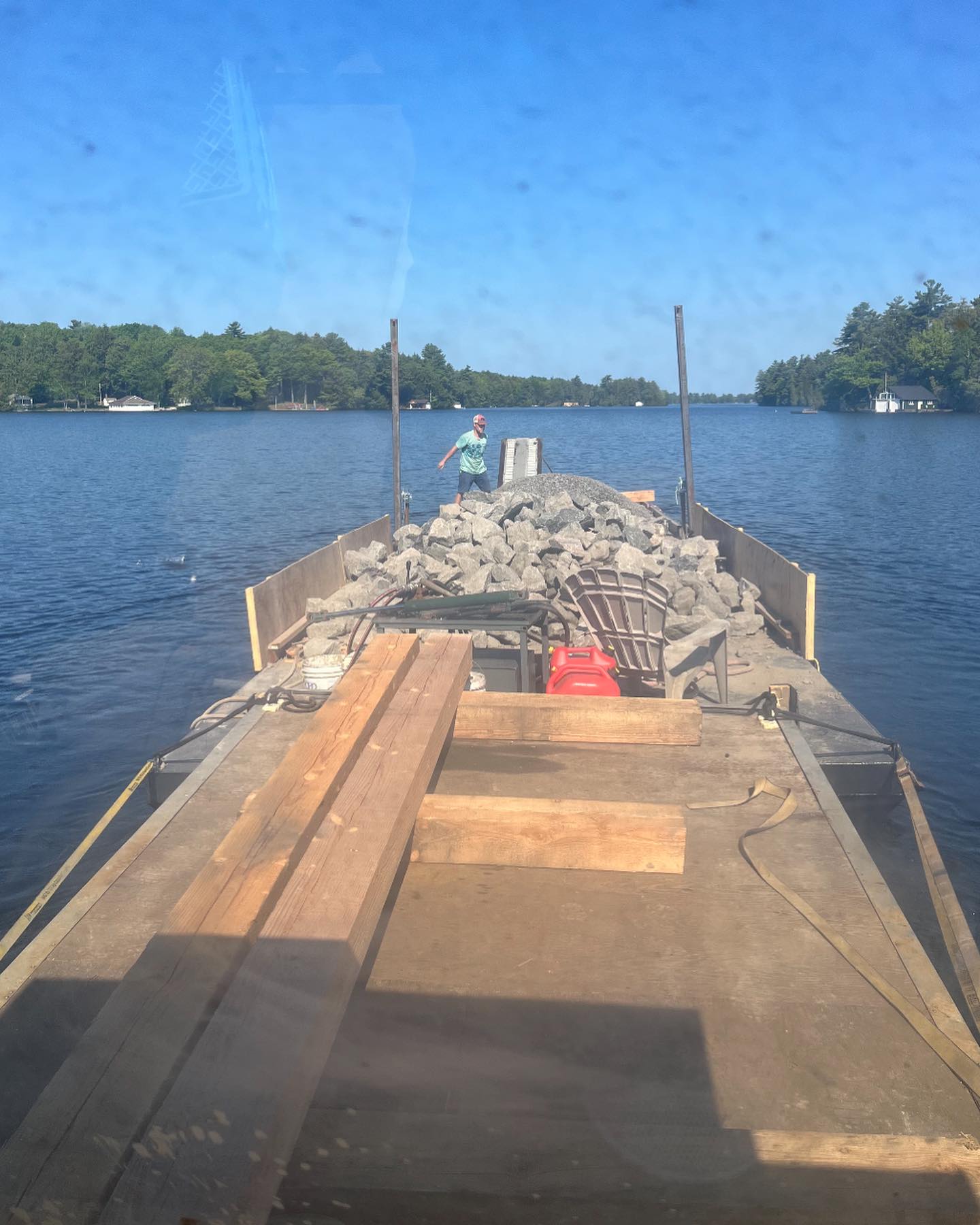
Hydro, heating, and utility costs vary.
Utilities are one area where vacant land can shift from straightforward to complicated quickly.
Hydro is often the first question buyers ask, and the answer is not always simple. Having power on the road is one thing. Getting it to the building site is another. The distance from the road, the terrain, and the need for additional poles or trenching all affect the cost. Sometimes, bringing hydro onto the property can cost tens of thousands of dollars.
Even when hydro is technically available, timing can be an issue. Installation is not always immediate, and coordinating it with construction timelines takes planning.
Costs are one reason some buyers consider alternatives.
Off-grid or hybrid systems are more common than they used to be. Solar with battery storage, backed up by propane or a generator, can support full-time living when designed properly. That said, it is not simply a way to avoid the cost of hydro. It is a unique system that requires planning, maintenance, and an understanding of how it performs through winter conditions.
Heating ties to this decision closely.
In rural areas, natural gas is often unavailable, so buyers typically choose between propane, electric systems, wood heat, or a combination. Heat pumps are becoming more common, but they still need to be matched to the property and the home’s insulation level.
Fuel delivery is another detail that is easy to overlook. Propane and oil require access for delivery, which ties back to driveway design and year-round access. A system that works well in summer still needs to function in February.
There are also smaller services that get missed early on. The Internet, for example, can vary significantly by location. Some properties have reliable high-speed options, while others rely on wireless or satellite solutions. That may not affect the ability to build, but it can affect daily property use.
These pieces connect back to the same idea.
Utilities are not just about what is available on the road. They are concerned about how the property will function after construction and occupancy. Understanding those details early helps avoid surprises later, especially when timelines and budgets are already in motion.
Living off-grid is an option, but it is a choice.
Some buyers consider off-grid living, particularly where bringing in hydro is costly.
Modern systems using solar, battery storage, propane, and generators can support full-time living. They require planning, maintenance, and an understanding of how the systems perform in winter conditions.
For some, it is exactly the lifestyle they want. For others, it becomes more work than expected.
If you are considering this, here is a helpful video from people who have lived off grid in a tiny home for a decade: 10 Years Living Off-Grid in a Tiny House with Clever Systems & Design Features
Not everyone builds the same way.
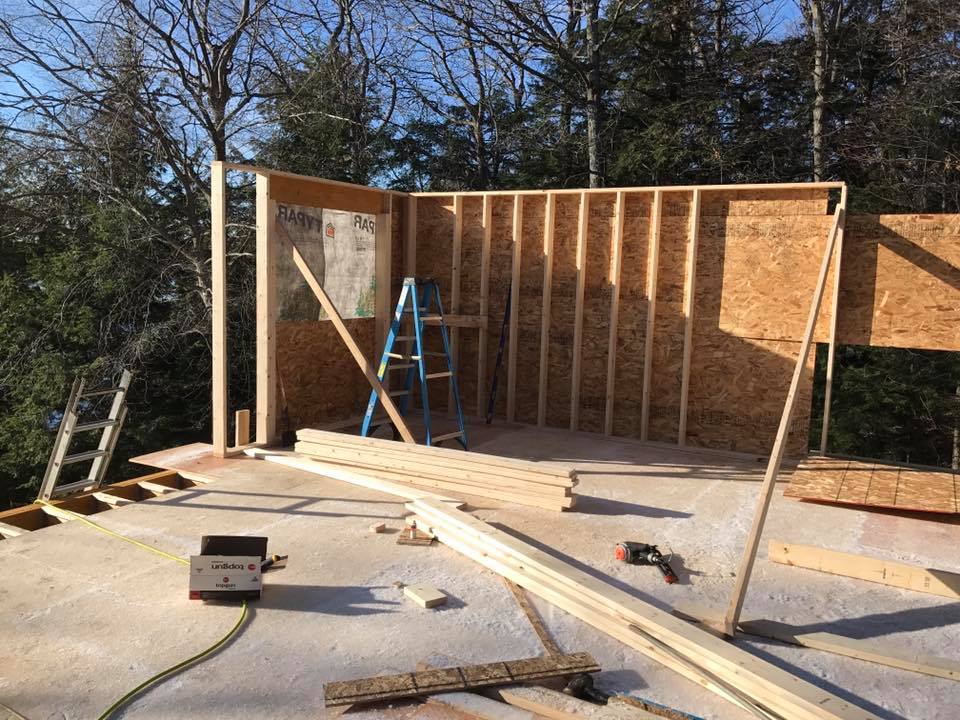
Building a home does not always mean starting from scratch.
Some buyers choose a full custom build, while others look at log home kits, modular homes, or prefab options. These can simplify parts of the process, but they do not remove the need for proper site preparation, servicing, and permits.
Financing a build differs from buying a home.
Financing vacant land and a new build does not follow the same process as a traditional mortgage, and that often surprises buyers.
Most builds use a construction or progress-draw mortgage. The lender releases funds in stages during construction, rather than giving you a lump sum at closing. That structure applies whether you are hiring a builder or managing the project yourself.
If you do not already own the vacant land, you typically treat the purchase as the first stage of the project. Lenders assess land differently depending on what is in place. Lenders consider vacant land which is serviced, has a well, road access, and nearby utilities lower risk. In comparison, lenders consider raw vacant land in rural areas higher risk and usually require a larger down payment.
From there, the financing follows the progress of the build. The financier releases funds at key stages and must verify each release before approving the next draw. That verification usually involves an inspection or progress appraisal.
During this phase, payments are typically interest-only and based on the amount advanced. The increase in payments corresponds to the release of more funds. Many buyers are still carrying their existing housing costs, which need to be factored into the overall plan.
Lenders are also assessing more than just your financial position. They are reviewing the project itself, including building plans, timelines, cost estimates, and often the builder involved. When acting as an owner-builder, additional scrutiny is common.
At the end of the process, once the home is complete and ready for occupancy, the loan converts into a standard mortgage with regular principal and interest payments.
After you grasp it, you will see it’s not complicated, yet it contrasts significantly with purchasing a completed home.
Vacant land can also carry costs before construction begins. Delays in the project do not stop property taxes, loan payments, and maintenance. Holding land longer than expected can add to the overall cost, so timing should be part of the plan.
Seasonal and year-round living are not the same.
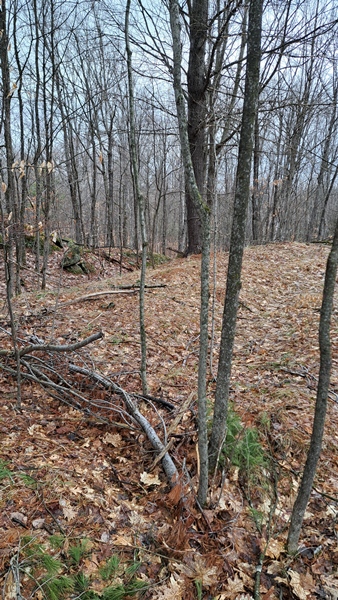
How buyers use the property matters more than most expect.
Builders construct a seasonal property and a year-round home to very different standards, even if they look similar at first glance.
Seasonal use often allows for simpler systems. You can shut down and drain water lines before winter. Access may not need to be maintained year-round. Sometimes, cottages operate with reduced servicing, such as greywater systems, composting toilets, or holding tanks, particularly when usage is limited.
The circumstances are quite different when you live in a home full-time. Water systems need to operate year-round, even in freezing conditions. Heating needs to be reliable and consistent. Insulation, ventilation, and overall construction standards need to support winter living. Septic systems require designs that allow continuous use, unlike those intended for occasional weekend use.
Access becomes more important as well. A driveway that works fine in summer may require regular snow clearing in winter. Roads that are not maintained year-round can quickly become a problem.
What works well for one type of use does not always translate to the other. Matching the property and the build to how you actually plan to live is one of the most important decisions.
Land transfer tax and HST considerations
Purchasing vacant land in Ontario still triggers the land transfer tax.
For many buyers, this is not a first purchase, so the rebate may not apply. That makes it an upfront cost that needs to be factored in early.
Depending on the creation of the vacant land lots and who sells them, HST may also apply.
The seller’s use of the property, lot creation methods, and seller identity can determine if HST applies to vacant land purchases. HST may apply to a vacant land purchase depending on the prior use of the property, the way the seller created the lots, and who is selling them. The seller’s business use of the land, their regular buying and selling of property, or their division of a parcel into over two parts for sale to an unrelated buyer makes the sale more likely to be taxable.
Personal-use land and some limited severances may be exempt, but the result depends on the seller’s circumstances. Buyers should have their lawyer confirm the HST treatment before submitting an offer, particularly when the Agreement of Purchase and Sale states HST is payable besides the purchase price.
Confirming this early avoids surprises at closing. Land Transfer Tax calculator available here.
Municipal development charges and permit-related fees may also apply when building a new home. Confirming these location-specific costs early is recommended because they can significantly increase the total project budget.
New home warranties do not always come included.
In Ontario, the Tarion Warranty Corporation administers programs that cover most new homes, but the coverage does not apply automatically in every situation.
If you hire a licensed builder registered with the Home Construction Regulatory Authority, statutory warranty protection typically covers the home. This coverage includes defects in artistry, building code violations, and major structural concerns.
When acting as an owner-builder, that coverage rarely applies in the same way. You purchase the vacant land, then assume responsibility for construction, and if you sell the home within the first few years, Tarion may require them to register it and provide warranty coverage themselves. That can include enrolling the property, paying applicable fees, and being responsible for addressing defects that would normally fall under a new home warranty.
Understanding how the builder will construct the home and what warranty protection they will provide is an important part of the process.
A practical way to look at it
Building on vacant land can absolutely be the right move.
The buyers who have the best experience are the ones who take the time to understand what is involved before they begin. They plan for the full scope of costs, ask the right questions, and approach it as a project rather than a quick purchase.
The dream is still there. It just works best with a rational plan behind it. One source of vacant land is purchasing or renting Crown Land.
Offers on vacant land should include proper due diligence conditions. Zoning confirmation, septic feasibility, water testing, and access review are not extras. They are part of protecting the purchase.
Frequently asked questions about buying vacant land in Ontario.
Can you build on any vacant land?
No. Zoning for residential use and support for access, water, and septic systems are mandatory for the land. Some properties cannot support a home because of environmental or servicing limitations.
Do you always need a well?
If municipal water is unavailable, you will need an approved private water source, such as a drilled well, dug well, or lake intake system, depending on the property.
What is the cost of installing hydro on a property?
Costs vary depending on distance, terrain, and infrastructure. Understanding these factors can help buyers feel more prepared for potential expenses, which may extend to tens of thousands of dollars sometimes.
Can you build without a septic system?
For year-round homes, a septic system or municipal sewer connection is required. Some seasonal properties use alternatives such as composting toilets or holding tanks, but these have limitations.
Is financing different for vacant land?
Yes. Vacant land and new builds are higher risk for lenders and typically require larger down payments and construction financing.
What is the biggest mistake buyers make?
Assuming the land is buildable without confirming zoning, access, water, and septic feasibility can lead to costly mistakes. Clarifying these aspects helps buyers feel confident in their purchase decisions.
Don’t Miss These Guides
Understanding what’s involved in buying vacant land and building is only part of the picture. These guides expand on financing, planning, and rural vacant land considerations, helping you decide when building makes sense and how to approach it with the right expectations.
Walks through the full buying process from financing to closing. Helpful when comparing building with buying and understanding how timelines and conditions differ.
Neighbourhoods in Kingston and the surrounding areas
Looks at how location affects long-term value and lifestyle. Particularly relevant when deciding between rural land, small communities, and established residential areas.
There are a few lots for sale in urban areas, but most vacant land available is rural
A Kingston Area Guide to Wells and Septic Systems
Provides a deeper look at water and waste systems in rural properties. Directly connected to many of the considerations involved when evaluating vacant land.
Waterfront Property in the Kingston Area: Cottages, Year-Round Homes, and Buyer Guidance
Explores seasonal versus full-time use, including access, servicing, and long-term planning. Especially useful if your land search includes waterfront or cottage-style properties.