



To sell a home in Kingston and the nearby Frontenac, Lennox, and Leeds areas, you need to do more than just list it. There are many things to think about, such as cost, readiness, scheduling, bargaining, and legal matters. These all play a critical role in a property’s successful sale.
1. How do I determine the right listing price?
Determining what buyers in the current Kingston market will pay begins with setting the right listing price. This helps sellers feel more confident and reduces uncertainty about market conditions.
In Kingston and surrounding communities such as Amherstview, Gananoque, and South Frontenac, even slight differences in location, updates, or lot characteristics can affect value.
Active listings also play an important role, as they represent the competition your property will face in the market. Buyers are comparing what is available right now, not just what sold in the past. If you do not position your property correctly against current listings, it may struggle to attract early attention.
Timing also plays a role. The first two weeks on the market are typically when a property receives the most exposure. If the pricing is correct, the property will generate showings and interest during that period. If buyers see limited activity, it often shows they do not perceive value at that price point.
Pricing is not a onetime decision. It is a strategy based on current market conditions, competition, and buyer behaviour. A REALTOR® helps interpret these factors to position the property effectively from the start, avoiding later adjustments.
2. Should I renovate before selling?
You need to be careful when approaching renovations because buyers in Kingston may not value every improvement equally. Focus on simple updates like fresh paint, updated lighting, decluttering, and curb appeal, which often deliver the strongest return and align with local preferences.

Larger renovations, such as kitchens or bathrooms, may not recoup their full cost unless they align closely with local market expectations. Buyers often prefer to make their own design choices rather than pay a premium for recent upgrades that may not match their taste. The focus should be on presenting a clean, well-maintained home with no obvious issues. Addressing deferred maintenance is often more important than completing major upgrades. See: Top 13 Home Renovations That Add Value in Kingston.
3. When is the best time to sell a home in Kingston?
Spring and early summer typically attract the most buyers, but they also bring increased competition from other listings. Homes show well during this period because of the weather and landscaping.
4. What costs should sellers expect?
Several costs require advance consideration when selling a property. The largest expense is typically the real estate commission, followed by the legal fees necessary to complete the transaction. Recognising these costs early can help sellers feel more confident and prepared for the process.
5. Do I need to do anything differently if I have pets?
Having pets is not a problem. What comes with them can be.
Buyers notice things owners often don’t. Hair, odours, small signs of wear, and even how a showing feels when animals are present all play a role in how a property is viewed.
Sometimes, a good clean and a bit of planning are enough. This might affect others, influencing what repairs they choose, how they present the property, or how they handle viewings.
Clearly communicate if pets are on the property during showings. Some buyers have allergies, sometimes severe, and others may simply be uncomfortable around animals.
This is one of those areas where a bit of preparation makes a bigger difference than most sellers expect.
For a more detailed look, see:
Selling Your Home with Pets: What Buyers Notice (and What Sellers Don’t
The RECO Guide can help you understand the REALTORS® role.

Making your home look its best before going on the market can significantly enhance how homeowners feel about the selling process. It is often less about major renovations and more about executing the basics well.
Making your home look its best before going on the market can significantly enhance how homeowners feel about the selling process. It is often less about major renovations and more about executing the basics well. Decluttering, thorough cleaning, and minor repairs can significantly alter how people perceive a home. Minor details like scuffed walls, loose handles, or burnt-out lights can stand out to buyers.
7. Should I fix everything before I list my home?
Not everything needs to be done before listing, and trying to address every issue can sometimes create unnecessary costs and delay.
Some repairs improve how a property shows and are worth addressing before going to market. Visible maintenance, worn finishes, or minor issues that suggest someone has not cared for the property well are usually the items that affect first impressions. The seller could better represent lesser affects by adjusting the price rather than completing them beforehand.
Buyers notice patterns more than individual issues. A few minor problems grouped together can feel like a larger concern, even if each one on its own is minor. A property that appears well maintained, even with a few known imperfections, often creates more confidence.
It is also important to consider how repairs affect timing. Delaying a listing to complete work that does not significantly improve value may not be the best decision, especially in a changing market where timing can influence results.
A sensible strategy involves concentrating on elements that enhance the property’s appeal, whether viewed digitally or physically. A REALTOR® can help identify which repairs are worth doing and which are better handled through pricing and negotiation.
8. How important is the first impression online?

It matters more than ever.
Most buyers in Kingston and the surrounding Frontenac, Lennox, and Leeds communities begin their search online. They often decide whether to book a showing based on what they see there. Buyers may pass over a property if it does not stand out in those first few moments, choosing others instead.
Professional photography plays a major role, but it is only one part of the presentation. Floor plans, walkthrough tours, and tools such as iGuide allow buyers to understand the layout and flow of the property before they visit. This helps them decide whether the property fits their needs and reduces uncertainty.
For rural and waterfront properties, drone photography can also be important. Drone photography provides context that ground-level shots cannot capture, including lot size, surroundings, and proximity to water or neighboring properties.
A strong online presence does more than attract views. It attracts the right buyers. When buyers clearly understand the property before they arrive, showings are more productive and offers are more serious.
9. What actually turns buyers off during a showing?
It is rarely one major issue that causes a buyer to lose interest.
More often, it is a series of smaller details that add up. A smell that feels off, cluttered spaces, or signs that the property may require more maintenance than expected can all influence how a buyer reacts.
Buyers are also paying attention to how easy the property feels to live in. If spaces feel tight, overly personalized, or difficult to maintain, it can create hesitation, even if the overall condition is good.
People do not always explain these reactions. Many times, buyers simply move on to the next property without providing specific feedback, which can make it difficult for sellers to understand what went wrong.
Addressing these details ahead of time can make a noticeable difference. The goal is not to make the property perfect, but to make it feel clean, well cared for, and easy to step into. When buyers feel comfortable in the space, they are more likely to picture themselves living there and move forward with an offer.
10. What occurs when someone submits an offer?
When a buyer submits an offer, it is a formal Agreement of Purchase and Sale.
This includes more than just the price. The offer specifies the deposit, any conditions, the closing date, what the buyer is including or excluding, and any additional terms they are requesting.
The timing is also important. Offers could arrive at any moment, or the seller might hold them until a specific date if the property garners significant interest because of price or location. Sometimes, more than one offer arrives, and the process becomes more competitive.
Throughout this stage, your REALTOR® helps you stay focused on the full picture, not just the price. The goal is to choose the offer that best fits your situation and has the highest likelihood of closing without issues.
11. What conditions might buyers include?
Buyers often include conditions such as financing approval, a home inspection, or the sale of their current home. The buyer must satisfy these conditions within a set timeframe before the sale becomes firm.
12. What is a deposit, and why does it matter?
The deposit is the amount of money a buyer submits shortly after an accepted offer. The listing brokerage holds it in trust as part of the purchase price on closing, not as an additional fee. In Kingston and the surrounding Frontenac, Lennox, and Leeds communities, deposits are often $5,000 or more, but the amount can vary depending on the price of the home and the situation. For higher-priced properties or in competitive markets, deposits are often significantly higher.
The deposit is one way a buyer shows they are serious. A stronger deposit can give a seller more confidence in the offer, especially when comparing multiple offers. It shows the buyer has the funds available and commits to the deal. That said, the deposit is only one part of the overall picture.
Price, conditions, and closing date all matter as well. A large deposit does not guarantee a deal will close, but it reduces some of the perceived risk. The buyer applies the deposit toward the purchase price if the transaction proceeds to closing. The buyer receives the deposit back if the deal does not proceed under the terms of the agreement, or a dispute may arise based on the circumstances.
13. Can I accept multiple offers?
No, a seller can only accept one offer. What you can do is receive multiple offers at the same time and decide how you want to work with them.
This often happens in Kingston and the surrounding Frontenac, Lennox, and Leeds communities when a home hits the market in the right range, but it is not just about price. Property type, neighbourhood, and features such as waterfront, rural acreage, or well-located family homes can all attract strong buyer interest and lead to multiple offers. You can hold on to the offers until a specific date, or submit them immediately.
When that happens, you’re not just looking at price. Every offer comes with its own set of terms, and those details matter. Conditions like financing or inspection, the size of the deposit, the closing date, and how flexible the buyer is all affect how strong an offer really is. It’s also common to go back to one buyer with a counteroffer, or ask all buyers to improve their offers. That’s where the process becomes more strategic.
The highest price is not always the best offer. A clean offer with fewer conditions and a closing date that works for you can be a safer and more reliable choice.
Your REALTOR® helps you look at the full picture so you’re not just choosing the highest number, but the offer that is most likely to close and meet your goals.
A buyer’s market occurs when there are more homes available than buyers. In these conditions, sellers in Kingston and the surrounding Frontenac, Lennox, and Leeds communities may need to be more flexible on price, presentation, and terms.
A buyer’s market occurs when there are more homes available than buyers. In these conditions, sellers in Kingston and the surrounding Frontenac, Lennox, and Leeds communities may need to be more flexible on price, presentation, and terms in order to attract interest and secure a sale. A seller’s market occurs when demand exceeds the number of homes available. This can lead to stronger competition between buyers, quicker sales, and sometimes multiple-offer situations. Sellers may have more leverage, but pricing and preparation still matter to achieve the best result.
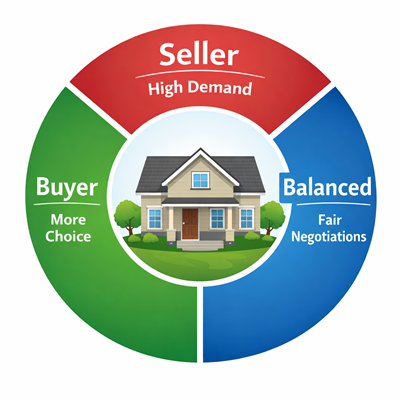
A balanced market falls somewhere between the two, where supply and demand are relatively even. In these conditions, homes that are well-priced and well-presented sell, while others may take longer or require adjustments.Understanding the type of market you are entering helps sellers set realistic expectations for pricing, timing, and negotiation strategy. The influence of these conditions extends to how aggressively sellers should price a home and the flexibility they might require throughout the process. For a more thorough understanding of how these conditions impact local pricing and competition, consult: Market Conditions: Buyer, Seller, and Balanced Markets in Kingston (2026).
15. What disclosures do sellers need to make?
Sellers are required to disclose known material issues that could affect a buyer’s decision. This includes known defects that are not obvious on a normal inspection, often referred to as latent defects.
Failure to disclose known problems can lead to legal consequences, even after the transaction has closed. Buyers may pursue legal action if they later discover that a seller knowingly withheld information that would have affected their purchase decision. There are also situations where disclosure is not strictly defined, but still important. For example, buyers may include clauses where they confirm that the property was never a grow operation or associated with illegal activity. It is better to deal with something like that upfront if you know about it, rather than risk problems later. The same applies to unusual situations that could affect a buyer’s perception of the property. While not every situation is legally required to be disclosed, transparency helps avoid complications and builds trust in the transaction.
A REALTOR® guides sellers on what they should disclose, how to handle it properly, and how to protect themselves while still presenting the property effectively.
16. What if my home doesn’t sell quickly?
The time necessary to sell a home in Kingston and the surrounding Frontenac, Lennox, and Leeds communities can vary. It is not simply a matter of putting up a sign and waiting. Market conditions play a significant role.
Beyond timing, the biggest factor is pricing relative to the competition. Buyers are comparing your home to everything else available. If you position it well, it will attract attention quickly. Even in a bustling market, property exceeding perceived value will not sell. Property type and location matter as well. A well-located family home in Kingston may move quickly, while a rural property, waterfront home, or unique property may take longer simply because the buyer pool is smaller.
The first few weeks on the market are usually the most important. That is when your listing gets the most exposure and when buyers who have been waiting for something new are paying attention. If there is only minor activity during that period, it is usually a sign that something needs to be adjusted, most often price, but sometimes presentation or marketing.Your REALTOR® helps monitor activity, feedback, and competing listings so you can make informed decisions rather than waiting and hoping for the right buyer.
17. Can I put my tenanted house on the market?
Yes, you can sell a tenanted property, but sellers in Kingston and the surrounding Frontenac, Lennox, and Leeds communities should understand the process before listing. Deciding to sell does not mean the tenant will vacate. A buyer can only end the tenancy if they wish to occupy the property and provide proper notice under the Residential Tenancies Act. If a buyer intends to move into the property, they must serve the correct notice, which must align with the closing date and requires at least 60 days’ notice matching the tenant’s rental period. This notice also includes mandatory compensation for the tenant. Mismanaging any part of this process can allow the tenant to remain in the home on closing, potentially derailing the transaction.
18. How important is location when selling?
Location significantly influences your home’s value, sale speed, and buyer interest. Understanding that location encompasses factors such as waterfront views, privacy, and neighbourhood character can help you appreciate your property’s unique appeal. Two homes similar in size and condition can perform differently based on their location. A well-located home in Kingston may attract immediate interest, while a rural property or one in a unique location may require more time to sell due to a smaller buyer pool. Waterfront properties, for instance, command premium prices but cater to a specific group of buyers, which can affect sales timing.
19. What should I expect during showings?
When selling your home, showings can happen with relatively short notice. Being prepared in advance can help you manage last-minute requests. Buyers will walk through the home looking at more than just layout and size—they are paying attention to condition, natural light, storage, and how the space feels overall.
Buyers will walk through the home looking at more than just layout and size—they are paying attention to condition, natural light, storage, and how the space feels overall. They will also notice smaller details, such as odours, cleanliness, signs of wear, and how well the homeowners maintained the house.
20. How long does closing take after accepting an offer?
The timeline for most transactions in Kingston and the surrounding Frontenac, Lennox, and Leeds communities typically closes within 30 to 60 days.
This often depends on the situation of both the buyer and the seller. If the buyer is arranging financing, the lender’s timeline will play a role. Some buyers may need more time to complete approvals, while others are ready to close more quickly.
Tenanted properties can also affect timing. If a tenant is in place, you must consider the required notice periods under the Residential Tenancies Act, and those timelines do not always align neatly with a closing date. Estate sales, rural properties, or more complex transactions can also take longer, especially if additional documentation or inspections are involved. The closing date is one of the most negotiable parts of an offer.
A flexible closing can make your property more appealing to buyers, while a firm date that fits your plans can reduce stress and uncertainty. Your REALTOR® helps you balance timing with the rest of the offer so the deal works not just on paper, but in real life.
🔧 More Kingston Home Selling Questions Often Researched
Before listing their homes, sellers in Kingston and the surrounding Frontenac, Lennox, and Leeds communities often search online to better understand pricing, timing, preparation, and the selling process.
Common searches include:
• How to sell a house in Kingston, Ontario
• What is my home worth in Kingston right now?
• How much commission do REALTORS® charge in Ontario?
• What costs are involved in selling a home in Kingston?
• Should I renovate before selling my house?
• How long does it take to sell a home in Kingston?
• When is the best time to sell a house in Kingston?
• Do I need to stage my home before selling?
• What should I fix before listing my home?
• How do multiple offers work in Ontario real estate?
• Can I sell my home with a tenant in place in Ontario?
• What disclosures are required when selling a home in Ontario?
• How do I prepare my home for showings?
• Should I sell before buying my next home?
• What happens after we accept an offer on my house?
🔧 Local Market Context: Selling in Kingston and Surrounding Communities
The local housing market across Kingston, Frontenac, Lennox, and Leeds includes a mix of in-town homes, suburban neighbourhoods, waterfront properties, and rural residences, each with its own buyer profile and selling considerations.
Homes in Kingston often attract strong interest because of proximity to schools, hospitals, and major employers.
Properties in Amherstview appeal to buyers looking for a quieter, suburban setting along Lake Ontario with convenient access to the city.
Gananoque draws interest for its small-town feel and access to the Thousand Islands, while rural areas in Frontenac and surrounding townships appeal to buyers seeking larger lots, privacy, or waterfront living.
These differences affect pricing, marketing strategy, and how long a home may take to sell.
A well-located family home in Kingston may attract immediate interest, while a rural or waterfront property may require more targeted marketing to reach the right buyer.
Understanding how your specific location fits within the broader market helps sellers set realistic expectations and position their home for effective selling from the start.
If you have questions about selling your home in Kingston or the surrounding area, reach out anytime.
🔧 Don’t Miss These Guides
Selling a home involves more than simply putting a property on the market. Pricing strategy, preparation, negotiation, and timing all play a role in achieving the best result in Kingston and the surrounding Frontenac, Lennox, and Leeds communities. These guides explain key steps sellers should understand before listing.
Preparing Your Home for Sale: Presentation, Privacy, and Security
Getting a home ready for the market involves more than cleaning and decluttering. This guide explains how to present your home effectively, protect your privacy during showings, and create a strong first impression that attracts serious buyers.
Smart Home Upgrades That Boost Resale Value 2025-26
Home Inspections: Benefits for Buyers and Sellers
Not all improvements add value. This guide outlines which updates deliver the best return in the Kingston market, and which upgrades may not pay off when it comes time to selling your property.
Selling an Estate Property in Ontario
Estate sales involve additional legal, financial, and timing considerations. This guide explains how the process works, what documentation is required, and how to manage the sale effectively.
Buy First or Sell First? Kingston Home Strategy 2026
Many sellers are also planning their next move.
This guide explains the advantages and risks of buying before selling or selling first, and how timing can affect both transactions.
Home Inspections: Benefits for Buyers and Sellers
Inspections are not just a buyer’s concern. This guide explains how inspections can affect a sale, what issues may come up, and how sellers can prepare for or respond to inspection findings during a transaction.
Focusing on these aspects enhances the chances of a successful sale and can help avoid potential pitfalls in the selling process. Understanding market conditions, preparing your home effectively, and ensuring proper disclosures are crucial steps that contribute to achieving a favourable outcome when selling.