


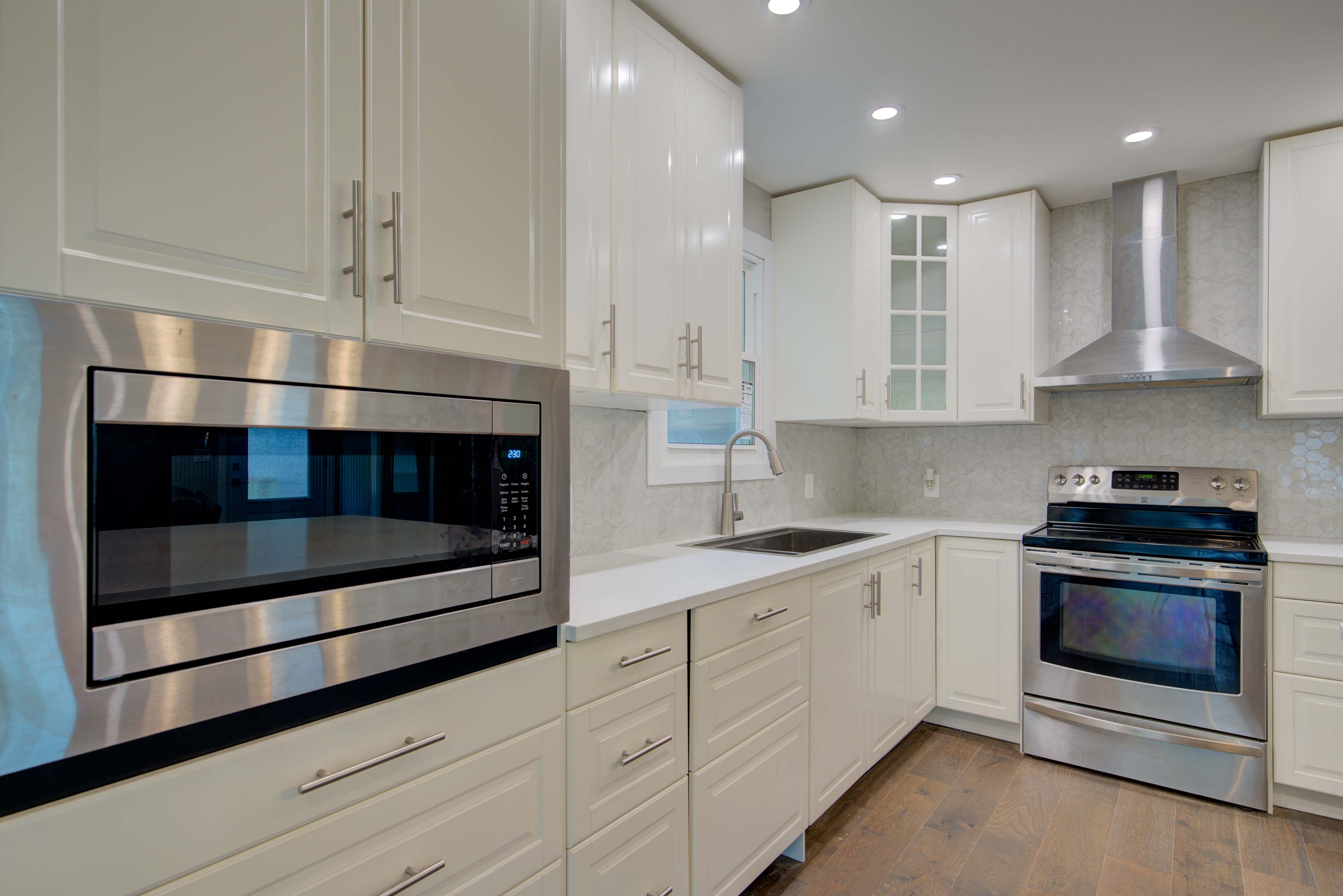
Experts often cite the kitchen as the ideal room to update before listing a home. This room sees the most use in the house. It is where buyers linger. It is where conversations start during showings. Many times, it quietly determines whether someone feels confident enough to write an offer.
In Kingston and the surrounding area, it holds across price points. From older homes near downtown and Queen’s to family properties in the west end, Gananoque, Amherstview, and South Frontenac, buyers consistently judge condition, layout, and functionality through the lens of the kitchen.
But here is the real question.
Does that mean you should renovate before you sell?
The answer is not automatic. It depends on the condition, competition, price bracket, and how long you plan to stay.
Let’s break it down properly.
Why does the kitchen carry so much weight?
Buyers expect bedrooms. They expect bathrooms. Those rooms matter, but they are rarely deal-makers.
The kitchen is different as it often signals the home’s maintenance. It suggests whether future expenses are coming. It frames the lifestyle buyers imagine for themselves. Even if someone eats out most nights, they still picture mornings at the island, holidays with family, or coffee by the window.
A dated but functional kitchen is one thing.
A worn, poorly lit, and poorly laid out kitchen is another.
Buyers do mental math the moment they walk in. If they believe they need to spend $40,000 to $80,000 after closing, that number affects their offer.
What buyers are responding to right now
Design trends change, but certain themes are consistent: storage, simplicity, and durability.
Storage that improves daily life
Pull-out pantry systems, wide lower drawers, organized interiors, and corner solutions make kitchens feel thoughtful and efficient. Buyers open drawers during showings. They check the cabinet depth and examine the pantry space.
In many Kingston homes built between the late 1980s and early 2000s, cabinet boxes are solid, but the interiors are basic. Adding pull-out hardware, better drawer organization, or improved pantry systems can elevate the experience without replacing the entire kitchen. Buyers also notice pantry organization. Even without renovation, a well-organized pantry makes the entire kitchen feel larger and more functional.
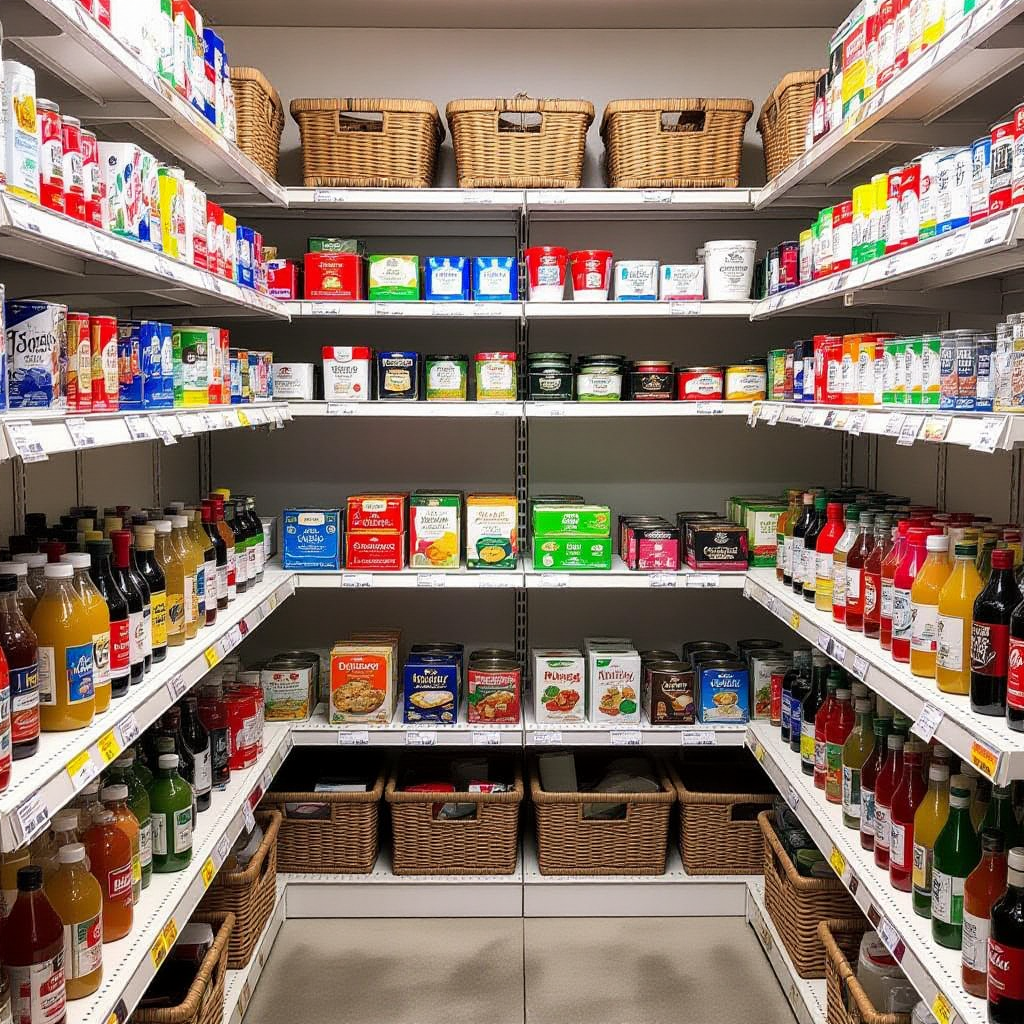
These are functional improvements, not cosmetic ones. They resonate.
Clean, low-maintenance surfaces
Full slab backsplashes, large-format tiles, and simple cabinetry profiles reduce grout lines and visual clutter. Buyers gravitate toward kitchens that look easy to maintain.
Quartz countertops remain popular because they are durable and predictable. Simple hardware, neutral finishes, and good lighting make spaces photograph well and feel current.
Highly personalized colour palettes or bold design statements can work in some neighbourhoods, but broad appeal remains safer when selling.
Major renovation or smart refresh?
This is where many sellers overthink the process.
National renovation data repeatedly shows that minor kitchen updates often recoup a higher percentage of their cost than full luxury remodels. That pattern aligns with what we see locally in Kingston and the surrounding area.
If you are planning to sell within the next one to two years, a strategic refresh often makes more sense than a complete overhaul.
A refresh might include:
Repainting or refacing cabinets
Replacing outdated laminate with quartz or solid surface
Updating hardware
Installing modern lighting
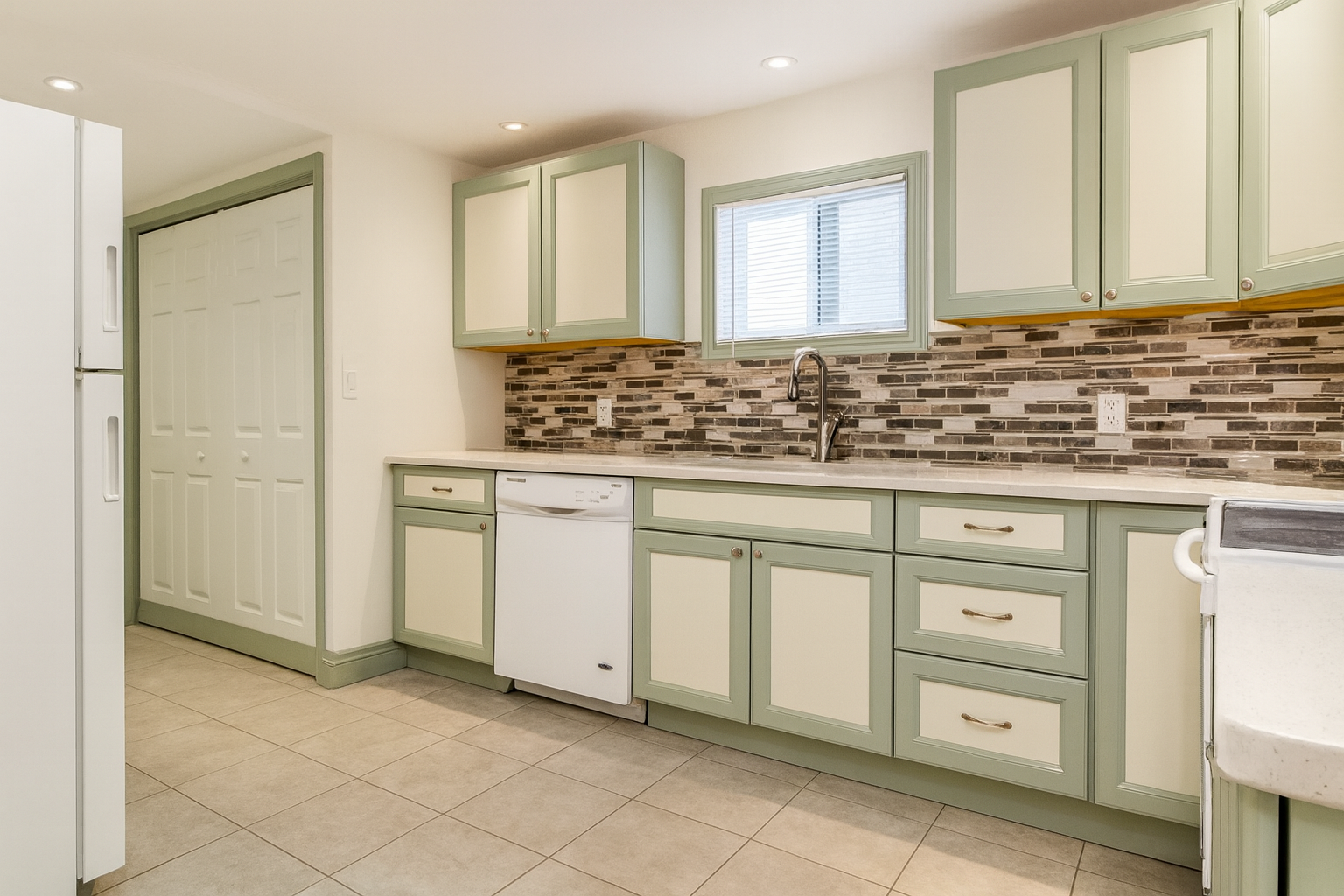
Replacing an aging faucet
Improving storage interiors
These changes can transform the space’s look and feel at a fraction of the cost of tearing everything out.
A full renovation may make sense if the layout is dysfunctional, cabinets are failing, or appliances are beyond their useful life. In older central Kingston homes, particularly pre-1960 properties, layout improvements can be meaningful.
However, caution matters. Installing a $100,000 custom kitchen in a neighbourhood where comparable homes are selling for $575,000 rarely produces a dollar-for-dollar return.
Bringing the kitchen in line with the market is usually the goal. Surpassing it significantly can limit your upside.
Mid-size kitchens and realistic expectations
Many homes in Kingston, Amherstview, and Gananoque do not have expansive open-concept kitchens. They have practical, mid-size layouts.
If you use space effectively, that does not become a disadvantage.
Extending cabinets to the ceiling increases the perceived height.
Using drawers instead of lower cabinet doors improves functionality.
Reducing the bulk of upper cabinets can visually lighten a room.
Better lighting can transform the atmosphere.
A well-organized 140-square-foot kitchen can feel more valuable than a 220-square-foot kitchen with poor storage and dated finishes.
Product trends and resale practicality
Current product trends include induction cooktops, undermount sinks, matte finishes, integrated lighting, and panel-ready appliances.
Some of these features add appeal. Others may not significantly influence resale value.
In Kingston and Area, buyers consistently prioritize durability, functionality, and condition. Stainless steel appliances remain widely accepted. White, cream, and light wood cabinetry photograph well. Neutral design reduces objections.
When preparing to sell, the goal is not to lead the trend. The goal is confidence and move-in readiness.
Where IKEA kitchens fit into the equation
IKEA kitchens are a realistic option for many sellers. Ikea offers help in planning your new kitchen; watch the video here!
For mid-range homes in Kingston and surrounding communities, IKEA cabinetry can offer a clean, modern look at a lower price point than custom cabinetry. Their modular planning system allows homeowners to visualize layout changes and storage improvements.
A professionally installed IKEA kitchen can look contemporary and functional. Most buyers focus on the finished result, not the brand label inside the cabinet. Looking for planning and installation help locally, you can contact the Ikea Guy.
The key factors are layout, quality installation, and thoughtful material choices. When done properly, it can be a sensible way to modernize without overspending.
The cost-benefit of the resolution
Before committing to any renovation, consider:
How does your kitchen compare to similar active listings?
Are buyers rejecting homes like yours because of the kitchen’s condition?
Will the renovation move your home into a higher price category, or simply prevent discounting?
Sometimes the return on investment is not about increasing the sale price. It is about protecting value and reducing negotiation pressure.
In balanced or shifting markets, buyers scrutinize conditions more closely. A dated kitchen may not prevent a sale, but it may reduce urgency or lower offers.
In stronger seller markets, buyers may overlook dated finishes if inventory is tight.
Market timing matters.
Situations where you should avoid renovating.
There are situations where renovation makes little sense.
Staging and decluttering might suffice if the kitchen is outdated, yet clean and functional. Removing excess items, updating lighting, and improving paint colour can dramatically shift perception.
If you plan to sell in less than 6 months, the risk of large-scale renovation increases. Construction delays, budget overruns, and market shifts can affect your timing.
If the owner markets the property as an investment or renovation opportunity, heavy spending might not fit the target buyer profile.
Hidden costs of pre-sale renovations include disruption and dust.
Homeowners selling their property often fail to consider how renovations affect the house physically.
Kitchen renovations generate dust. Even with plastic barriers and contractor precautions, fine drywall and sawdust particles travel through vents, hallways, and stairwells. Floors need protection. Moving or covering furniture might be necessary. If you don’t manage filters carefully, HVAC systems will circulate debris.
In older Kingston homes, especially those with original trim, plaster walls, or narrower hallways, renovations can unintentionally cause small secondary damage. Scratched floors, dinged corners, or paint touch-ups become additional line items.
There is also the temporary loss of function. No sink. No stove. Limited access to water. For families preparing to sell, this can add stress at the very time they are trying to keep the home clean and presentable.

Renovations completed months before the listing may prevent the issue from being serious. Renovating and listing within a short timeframe can lead to disruptions that affect staging quality and photography scheduling.
Sometimes, sellers complete a renovation only to find they now need a full professional cleaning of the entire home before listing.
That cost and inconvenience should be part of the decision.
Kingston sellers’ ultimate conclusion
The kitchen still carries more influence than almost any other room in your home. Buyers look at it and make assumptions about maintenance, future expenses, and the amount of work required after closing.
But influence does not automatically equal renovation.
In Kingston and Area, the smartest strategy is rarely the most expensive one. The goal is not to build your dream kitchen right before you leave. The goal is to position your home competitively within its price range and neighbourhood.
Updating finishes and improving storage are possibilities.
Occasionally, it involves fixing a layout that obviously restricts attractiveness.
Sometimes, it’s as simple as cleaning, decluttering, and preparing the space.
Every dollar spent should have a purpose. Will it increase buyer confidence? Will it reduce negotiation pressure? Can your home stand out among other listings?
Renovations also bring disruption. Dust travels. Timelines stretch. Costs creep upward. If you are planning to sell within a tight window, that risk matters.
For your Kingston neighbourhood, a diligent review of comparable sales, active listings, and buyer expectations is advisable before committing to the project. A kitchen should support your sales strategy, not complicate it.
If you are debating whether to renovate, refresh, or list as is, that conversation is best had before demolition begins.
Frequently Asked Questions About Renovating a Kitchen Before Selling
Do kitchens really increase home value in Kingston and the surrounding area?
Yes, but context matters. A modern, functional kitchen increases buyer confidence and can protect your asking price. Strategic updates in most Kingston neighborhoods limit discounting more than they significantly raise prices. Buyers compare your kitchen directly with competing listings.
What type of kitchen renovation gives the best return?
Minor renovations usually provide the strongest return relative to cost. Cabinet painting or refacing, updated lighting, new hardware, improved storage, and replacing worn countertops often deliver better results than a full gut renovation.
Luxury remodels can improve appeal, but they do not always recoup their full cost, especially if they exceed neighbourhood expectations.
Should I renovate if I plan to sell within a year?
Often, a focused refresh is smarter than a full renovation. Major projects can run over budget and past timeline. If your kitchen is clean and functional, staging, lighting updates, and decluttering may be enough.
If the layout or condition is truly problematic, a renovation may be justified, but it should align with comparable properties in your area.
Are IKEA kitchens a good option for resale?
Yes, when properly designed and professionally installed. IKEA kitchens can provide a modern look at a more moderate cost. Most buyers focus on layout, finish quality, and overall appearance rather than brand name.
In mid-range Kingston homes, an IKEA kitchen can be a practical solution that modernizes without overspending. For kitchen solutions in Kingston and nearby, reach out to the Ikea Guy.
Will buyers avoid a home with a dated kitchen?
Not necessarily. Many buyers will update cosmetic finishes themselves. However, they will factor renovation costs into their offer. A dated kitchen may reduce urgency or increase negotiation pressure.
Condition, cleanliness, and function matter more than trendiness.
Should I renovate before listing or price accordingly?
This depends on your timeline, budget, and market conditions. In balanced or slower markets, updated kitchens often stand out. In strong seller’s markets, buyers may overlook cosmetic issues.
A professional market analysis can help determine whether renovation or a pricing strategy makes more sense for your property.
Don’t Miss These Guides
If you’re renovating your kitchen with resale in mind, these Kingston-focused guides will help you make smarter decisions before you list:
Preparing Your Home for Sale: Presentation, Privacy, and Security
Before you pick up a paintbrush or replace a countertop, understand what buyers actually notice. This guide walks through how to present your home properly, protect your privacy during showings, and avoid common pre-listing mistakes.
Selling the Family Home
If this is a long-term home, renovations are only one part of the process. This guide helps you navigate the emotional side of selling while making clear, practical decisions about what’s worth updating and what’s not.
Home Inspections: Benefits for Buyers and Sellers
Thinking of renovating to “fix everything”? You may not need to. This guide explains what inspectors actually focus on, and how pre-listing improvements can influence negotiations.
Top 13 Home Renovations That Add Value
Not all upgrades pay off. This breakdown looks at which renovations consistently deliver a return in the Kingston market, and which ones often cost more than they add.
Is it time to sell your condo?
Market timing and strategy insights for Kingston condo owners.
Selling Your Home: 20 Questions to Ask Before Listing
A smart starting point. This guide helps you step back and evaluate your timing, strategy, and whether renovations will truly improve your outcome.