


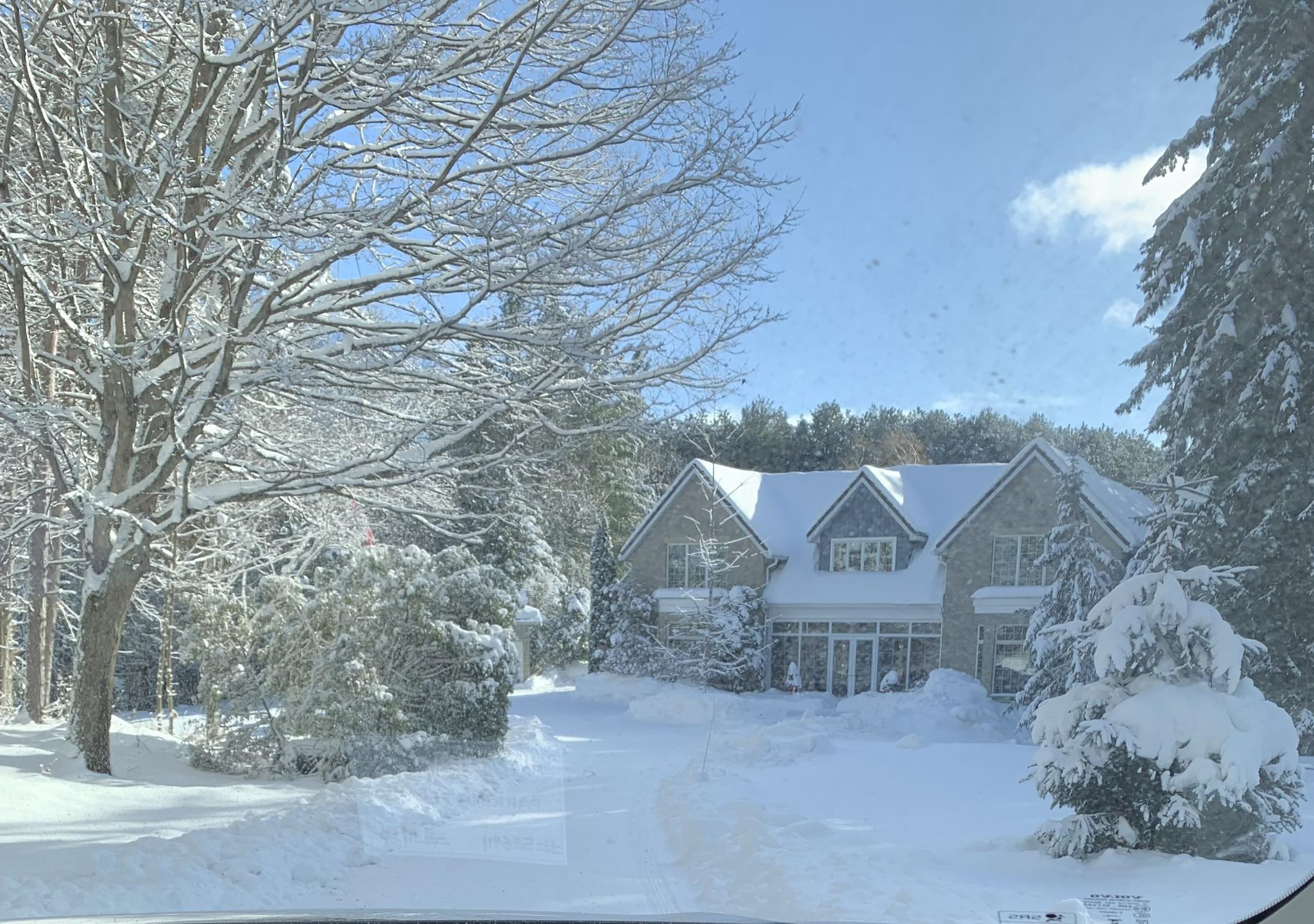
It’s winter; most advice still points to spring as the ideal time to buy or sell. While people often consider spring the best time to buy or sell, winter offers distinct advantages, such as less competition and more serious buyers, which benefit both parties.
Winter does not make things easier. It makes them clearer.
In Kingston and the surrounding areas, winter puts every part of a property to the test. It also changes how buyers behave, how sellers present their homes, and what actually matters during a showing.
Winter changes the market dynamics.
Inventory is usually lower in winter. Some sellers wait until spring, which reduces the number of homes available. Fewer buyers are actively searching.
Those two forces balance out, but the experience changes. Buyers out in winter are often more serious, making sellers feel valued and understood. Sellers who list often have a reason to move. The result is a market that feels more direct, with less noise and fewer casual showings.
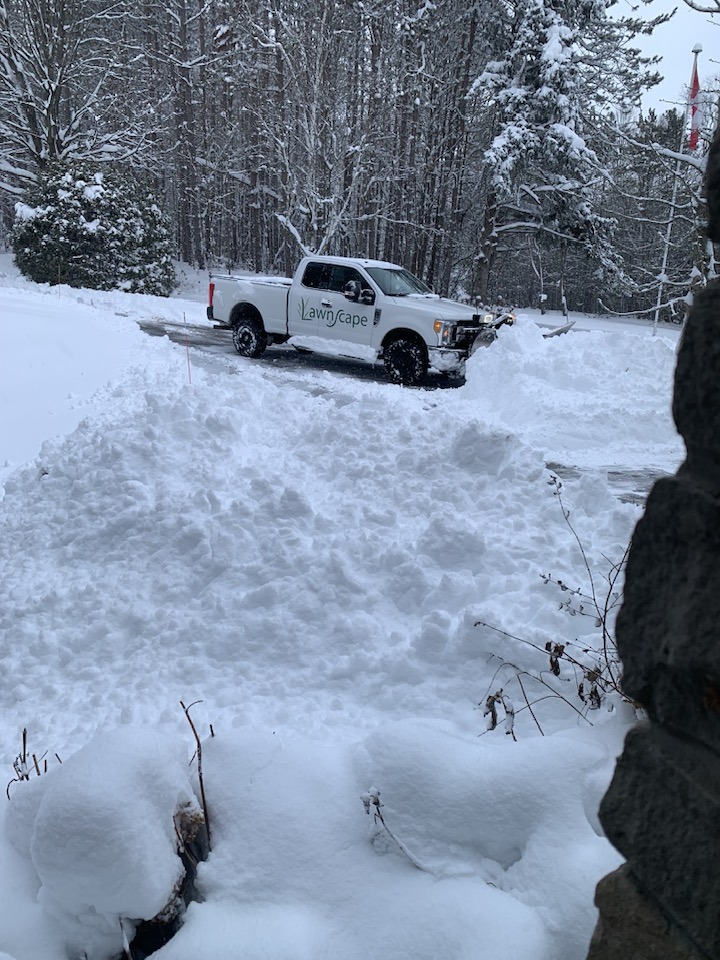
For buyers, that often means less competition and more time to evaluate a property properly, encouraging strategic planning. For sellers, this attracts a smaller, more focused group; this can be advantageous if they time their market entry and presentation correctly.
There can also be practical cost advantages. Moving companies are often more available, and sometimes more affordable. Interior contractors may have lighter workloads, making it easier to schedule work. Exterior work, however, becomes more difficult or impossible, which is why preparation before winter matters.
Winter is a full system test.
Cold weather serves as a full-system test that can build trust by showing how well a home performs under actual conditions, helping buyers feel confident and informed in their decision.
Rooms that stay cold, systems that run continuously, or uneven heat throughout the house highlight potential performance issues and safety concerns like ice buildup or frozen pipes, which are critical for buyers to consider when making informed decisions
Insulation and air sealing become obvious. Drafts around windows and doors are easy to feel. Older homes in Kingston can be especially telling in winter, as small gaps in the building envelope become immediately apparent.
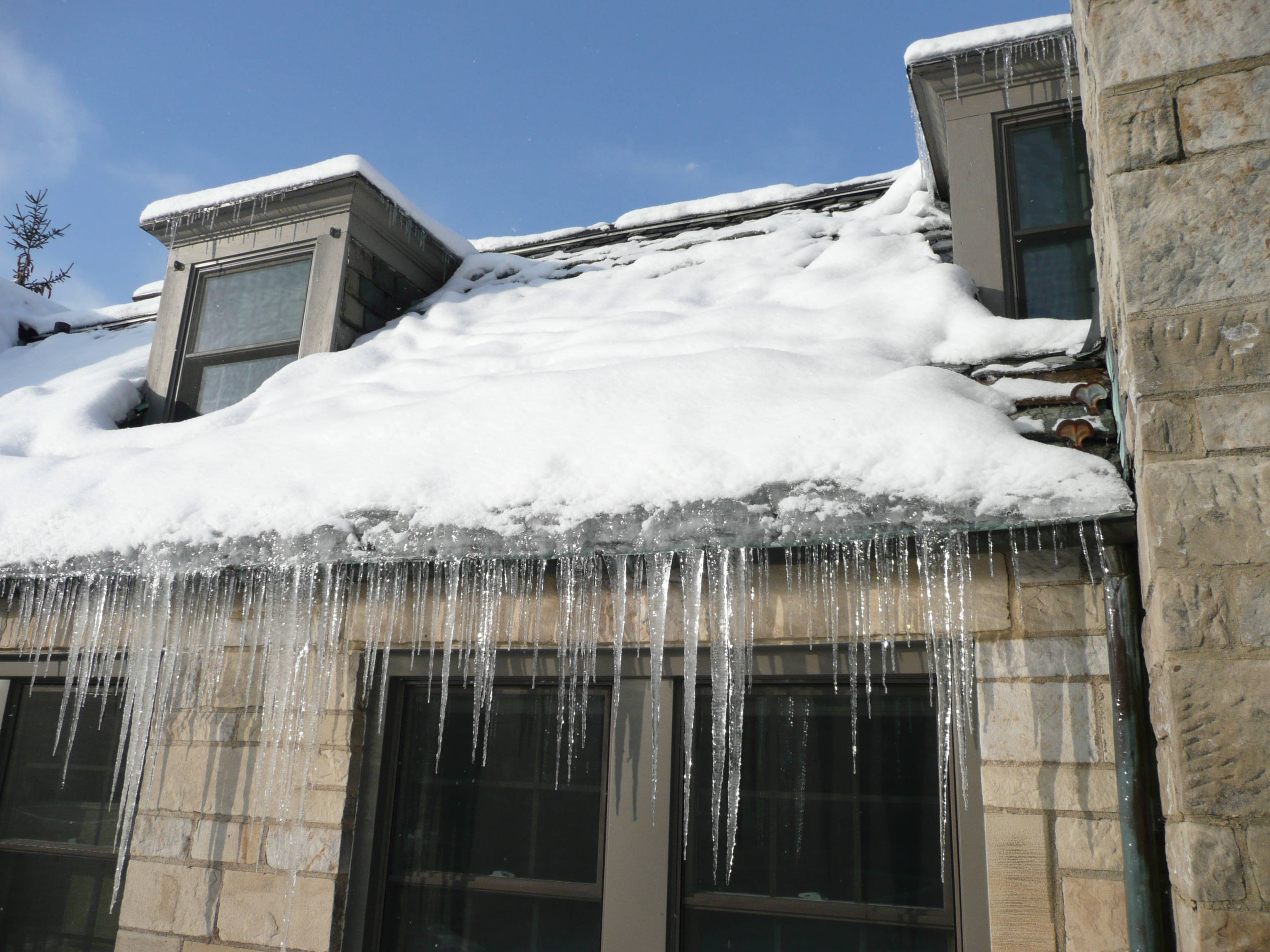
Ventilation issues reveal themselves along the roofline. Ice buildup can show heat loss from the attic. Over time, that can lead to moisture problems and roof damage.
Plumbing is under stress as well. Pipes in exterior walls or unheated areas are more likely to freeze. Even without failure, you are seeing how close the system operates to its limits.
A deeper evaluation of electrical systems is possible, particularly in homes with supplemental heating.
Winter does not create problems. It exposes how close a home is to having them, giving buyers and sellers confidence in the home’s true condition.
Seeing a home at its worst has value.
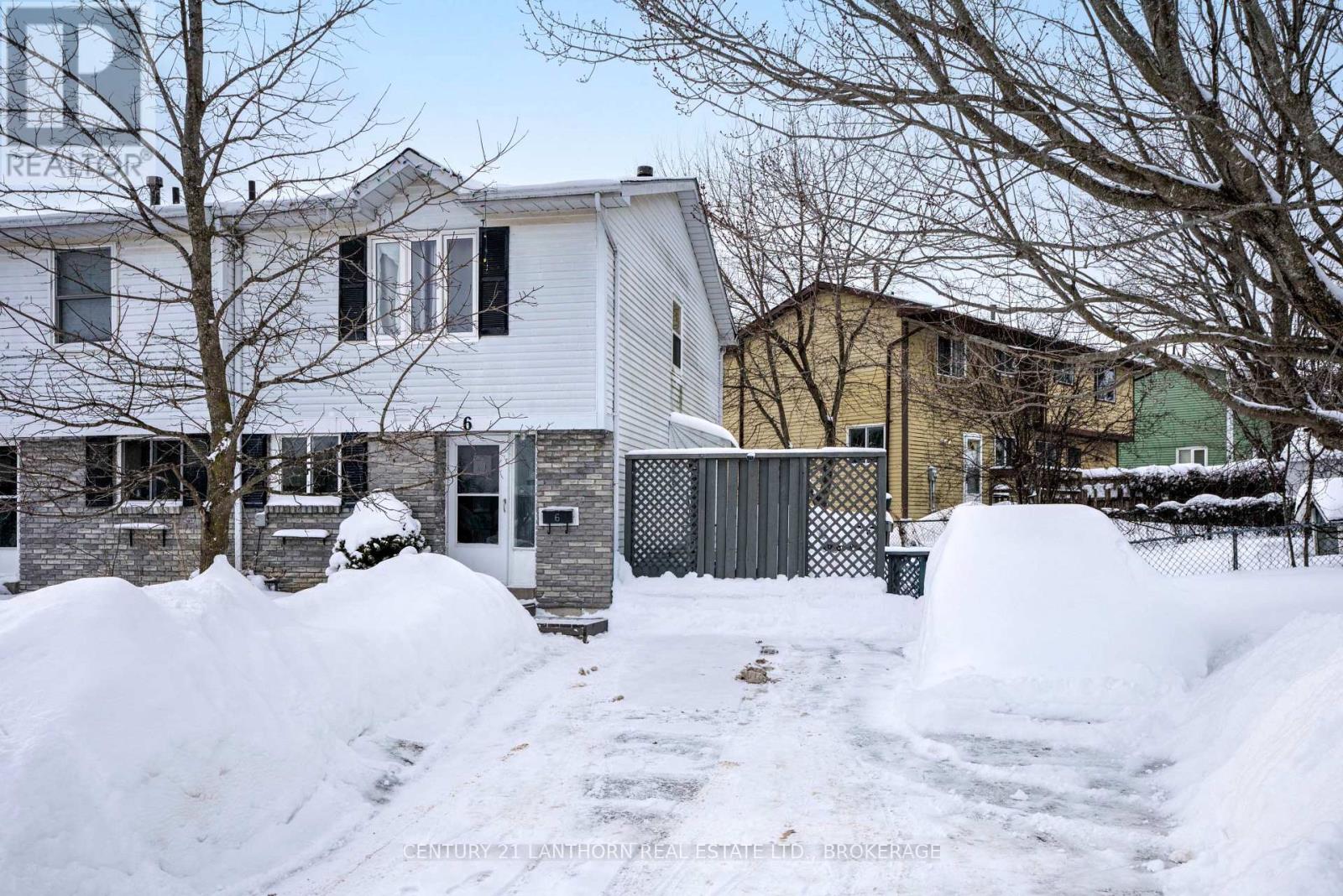
A winter showing is not about presentation. It is about performance.
You are seeing the home in conditions that are harder than average. That can reveal issues that would never appear during a warm-weather visit.
Drafts become noticeable. Heat distribution becomes obvious. Snow accumulation patterns on the roof can show insulation or ventilation issues. Parking and access challenges that seem minor in summer can become real limitations in winter.
You are not seeing the home at its best. You are seeing it under pressure. That is valuable information before deciding.
What winter hides
Winter is not perfect. It conceals as much as it reveals.
Snow can conceal grading, drainage, roof, and foundation issues, so thorough follow-up and inspection are essential for buyers and sellers to feel confident in the home’s true condition
Driveways can also be misleading. Snow can hide surface conditions, slope changes, and wear. What looks manageable during a showing may be far more difficult once fully exposed.
Outdoor elements are often inaccessible. Decks, porches, pools, and exterior electrical features may not be fully visible or testable. Garden beds and property boundaries also become obscured.
Winter buying requires a combination of observation and follow-up through inspection and due diligence, as initial impressions may be misleading because of snow cover or limited access, making thorough checks essential.
Driveways and access points are essential.
Access is one of the most underestimated factors in snow and ice conditions.
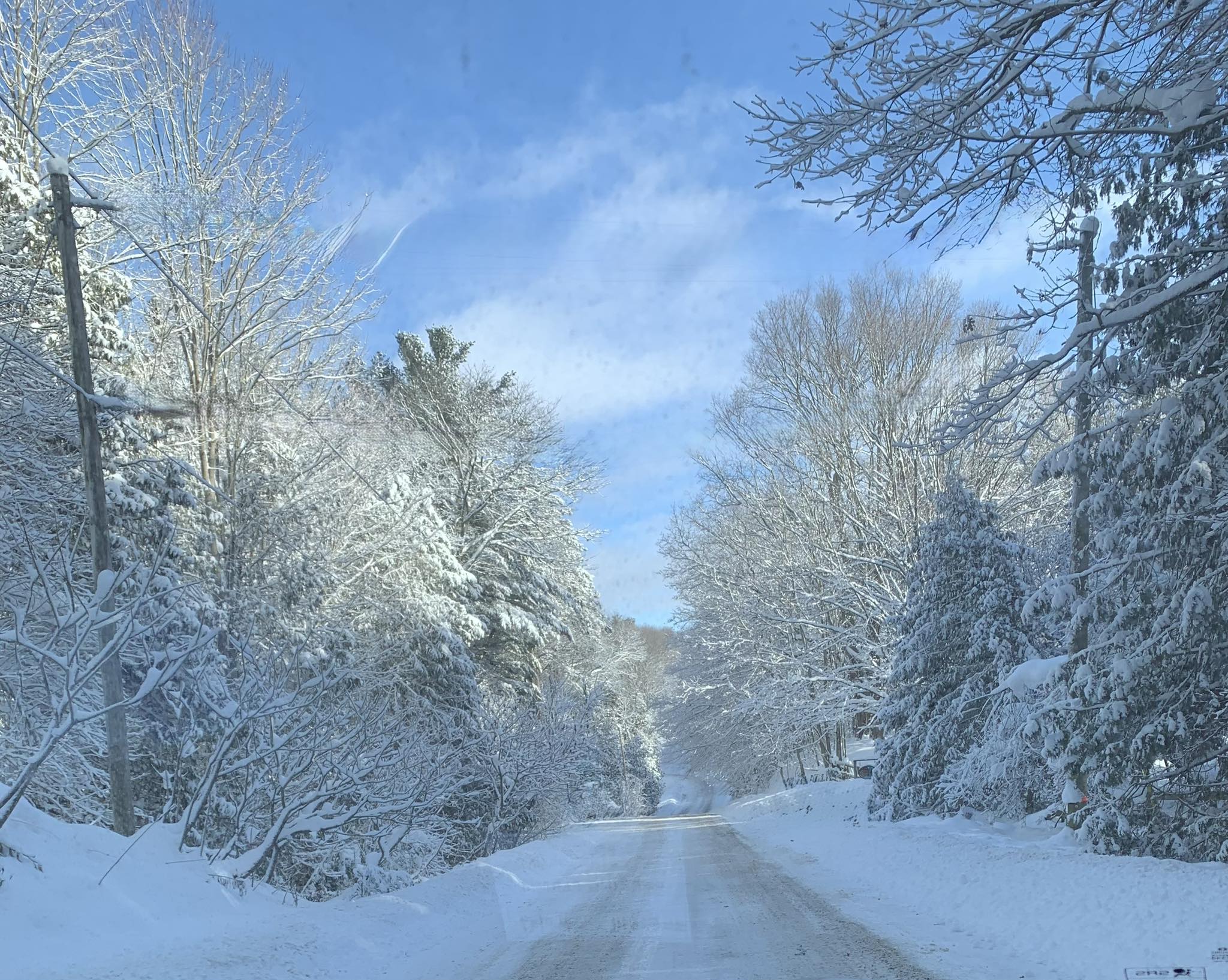
In rural areas, a long or steep driveway can become a daily challenge, with snow and ice making navigation difficult or unsafe, highlighting the importance of proper grading, traction, and maintenance for safe access during showings
Even within the city, driveway design and winter conditions can become hazardous, prompting buyers and sellers to prioritize safety and proper maintenance in their planning.
Pay attention to how the property handles snow. Note the snow accumulation spots, the clearing methods, and the safety of movement around the property. These are day-to-day realities that do not show up in warmer seasons.
Waterfront properties in winter.
Waterfront and island properties require a different level of consideration in winter.
You take risks when judging ice-covered water. You cannot fully assess shoreline conditions. A property may have a rocky entry, heavy weed growth, or shallow water that limits usability in summer. None of that is visible under ice and snow.
Ice and snow cover docks, shoreline structures, and water access points. What looks like a clean, open shoreline in winter may be far different once thawed.
If you are buying waterfront in winter, you are relying more heavily on prior knowledge, documentation, and professional guidance. It is not guesswork; it requires a higher level of due diligence.
Seller tasks during winter
Selling in winter requires planning and attention to detail.
Curb appeal still matters. It just looks different. Buyers are not judging gardens or landscaping. They are judging maintenance and care. A property that is cleared, safe, and accessible stands out immediately. You should manage snow, not ignore it. Walkways and driveways need to be usable and safe.
Lighting becomes more important. Shorter days and overcast skies can make homes feel darker. A bright, well-lit interior creates a stronger impression.
Comfort matters more than anything. A warm, evenly heated home tells buyers that the property performs well. Cold spots or drafts leave the opposite impression.
Preparation before winter is critical. Exterior maintenance, sealing, and repairs are far easier to complete before temperatures drop. Once winter arrives, it limits your ability to address issues.
One practical step that is often overlooked is photography. If you are planning to sell in winter, having photos from the previous summer can help show the property in a different light. Even with snow covering them, you can still present gardens, landscaping, and outdoor features.
Central idea
Winter changes how people buy and sell homes, but it also improves the information quality for both sides.
Buyers see how a home performs when every major system is under stress. Sellers show that their property is well-maintained and able to withstand actual conditions.
If you comprehend what shows up, what stays hidden, and how it affects daily life, you can make better decisions whether you buy or sell in Kingston and the area.
For a different perspective on how weather affects a home, see “Why Rainy Days Might Be the Best Time to View a Home”
FAQ: Buying or Selling a Home in Winter in Kingston and Area
Is this a good time to buy a home in Kingston?
Yes, for many buyers it can be. Typically, there are fewer buyers in the market, which can mean less competition and more time for careful property evaluation. You are also seeing the home perform under actual conditions, which gives you better insight than a spring showing.
Are there fewer homes available?
Usually, yes. Inventory drops because some sellers wait for spring. That said, the number of buyers also drops to keep the overall balance reasonable.
Can I get a better negotiation outcome during these months?
Sometimes. Sellers who list in winter are often more motivated, and with fewer competing buyers, you may have more room to negotiate. It depends on the property and the seller’s situation.
What should I look for when viewing a home in winter?
Focus on how the home functions. Pay attention to heating performance, drafts, insulation, and how evenly the home warms. Also, look at access, snow buildup, and how easy it is to move around the property.
What problems can winter reveal that other seasons don’t?
Winter can reveal heating inefficiencies, air leaks, ventilation issues, and how well the home handles cold weather. You also get a better sense of daily comfort and system performance.
What does winter hide when buying a home?
Snow can cover roof condition, drainage patterns, foundation details, and landscaping. Driveway slope and surface condition may also be harder to judge.
Is it harder to inspect a home in winter?
Some areas may be less accessible, such as the roof or exterior areas. However, inspectors can still evaluate most major systems, and winter conditions can actually help highlight certain issues.
Are rural properties riskier to buy in winter?
Not necessarily, but they require more attention. Access, snow removal, driveway slope, and distance to services all become more important in winter conditions.
What should I know about waterfront homes?
The frozen lake may make it difficult for you to see shoreline conditions clearly. Thorough due diligence is crucial due to hidden factors such as depth, weeds, or rocky entry points.
How can sellers improve curb appeal?
Keep the property clean, safe, and accessible. Clear snow from driveways and walkways, ensure good lighting, and maintain a warm, inviting interior. Buyers notice maintenance and care more than landscaping in winter.
Should sellers prepare differently for a winter listing?
Yes. Complete exterior maintenance before winter arrives, seal the home properly, and consider using photos from warmer months to show the property’s full potential.
Are moving and renovation costs different in winter?
They can be. Moving companies may have more availability, and interior contractors can sometimes be easier to book. Exterior work is more limited during colder months.
Don’t Miss These Guides
Understanding winter real estate means more than just the home itself. These guides cover preparation, presentation, and how to evaluate a property properly in all conditions.
Home Maintenance Tips 2026
A practical guide to keeping your home running properly through every season, including seasonal-specific maintenance that affects comfort, efficiency, and long-term durability.
Winter Preparation: 38 Essential Tips
Covers what needs to be done before and during winter, from sealing the home to managing snow, helping both buyers and sellers understand real-world readiness.
Preparing Your Car and Yourself for Winter Driving
Explains how road conditions, visibility, and other driving realities affect daily life, especially important when evaluating rural properties and access.
Curb Appeal That Lasts in Every Season
Shows how presentation shifts by season, where maintenance, safety, and overall care replace landscaping as the key first impression.
Home Inspections: Benefits for Buyers and Sellers
The connection is direct to snow’s revelations and its concealments, clarifying how inspections confirm performance and discover hidden defects.
House Hunting Online: What Buyers Need to Know
Highlights the gap between online listings and real-world conditions, especially important when weather changes what you can actually see during a showing.
Protect Your Home: Seasonal Maintenance Tips That Pay Off
Includes a winter section focused on sealing, insulation, and system performance, directly tied to how homes handle cold weather.