


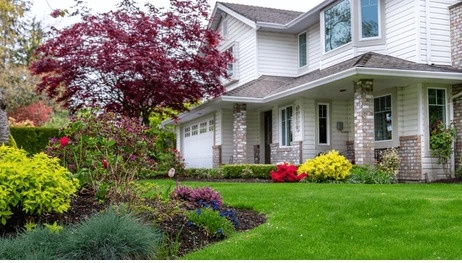
What does curb appeal actually mean, a topic frequently discussed in real estate? In essence, it’s the feeling your property evokes before entry. First impressions shape how buyers perceive the home, making it crucial to create a positive initial impact.
Today, most buyers first see a property online, where compelling exterior photos serve as the initial introduction. An attractive exterior photo can motivate viewers to schedule a showing, while poor images may cause them to overlook the property entirely.
Fortunately, simple improvements like planting flowers, trimming bushes, or cleaning gutters often deliver significant boosts in curb appeal without major renovations or high costs.
Why First Impressions Matter?
When buyers pull up to a property, they evaluate it immediately. The condition of the lawn, the appearance of the front door, the quality of the lighting, and the overall maintenance of the exterior all contribute to their first impression.
This reaction is psychological. Buyers often assume that a home which appears well-maintained on the outside has likely received similar attention inside. Conversely, peeling paint, damaged railings, or neglected landscaping can raise concerns about maintenance throughout the property.
The same principle applies online. A strong exterior photograph attracts attention in search results and helps encourage showings. Many times, buyers decide whether a property is worth visiting before they have seen a single interior photo.
Homeowners preparing to sell should view curb appeal as an investment in presentation. For homeowners staying put, the same improvements create pride of ownership while helping protect long-term property value.
1 The Power of Paint
Few home improvements provide as much visual impact for as little an investment as paint.
A freshly painted front door can completely change how a property feels. Deep navy, forest green, charcoal, and classic black remain popular choices because they add contrast while maintaining broad appeal. Refreshing trim, shutters, railings, porch floors, and exterior accents often costs only a fraction of what larger renovations cost.
Paint influences more than appearance. It sends a message about maintenance. Buyers may not consciously notice fresh paint, but they often notice when it is missing. Faded trim, peeling surfaces, or weathered railings can create the impression that the owners deferred upkeep.
Interior paint deserves consideration as well. Neutral colours continue to dominate because they help buyers focus on the home rather than the current owner’s decorating style. Soft greys, warm taupes, off-whites, and light earth tones photograph well and work with a wide range of furnishings.
Homeowners in Kingston and the area find colour selection especially important, as they view their homes under drastically different conditions each year. Bright summer sunlight can wash out pale colours, while winter snow creates a strong contrast that highlights trim and architectural details. Choosing colours that work well in multiple lighting conditions helps maintain visual appeal year-round.
For homeowners aiming to enhance curb appeal, a quality paint job offers one of the best returns.
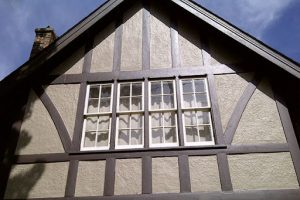
2 Create an inviting entryway
The entryway is often the most important focal point on the front of a home. Buyers naturally pause at the front door before entering, making this one of the few areas where they spend several moments standing still and looking around. A clean, attractive entrance helps establish confidence before they see the rest of the property.
The front door itself deserves special attention. A fresh coat of paint can dramatically improve appearance, especially when paired with updated hardware. Modern handles, locks, knockers, and doorbells can make an older entrance feel current without requiring a major renovation. House numbers should be easy to read from the street and positioned where they remain visible both day and night.
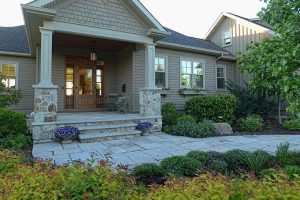
Minor details often have a greater impact than homeowners realize. Individually, a worn doormat, a faded mailbox, a dirty light fixture, or outdated hardware might not seem like much, but collectively, they can give an entrance a neglected look. Replacing or refreshing these items is often inexpensive and can instantly improve first impressions.
Symmetry also plays a role. Matching planters, balanced lighting, or coordinated decorative elements create a sense of order that feels welcoming to visitors and buyers alike. The goal is not to overwhelm the entrance with decorations, but to create a clean, inviting appearance that complements the home’s style.
In Kingston’s older neighbourhoods, such as Williamsville, Kingscourt, and Portsmouth Village, original architectural features often become part of a home’s appeal. Preserving a historic front door, decorative trim, or period lighting may add more character than replacing them with modern alternatives. On newer suburban homes, a well-maintained entrance helps distinguish the property from similar houses nearby.
Rural and waterfront properties require a slightly different approach. The entrance often begins at the driveway rather than the front steps. Clear signage, visible address numbers, well-maintained gates, and an obvious path to the front door help visitors feel comfortable upon arrival. Buyers should never have to wonder where to park or which entrance to use.
The best entryways send a simple message: someone cares about this home. Whether through fresh paint, attractive lighting, quality hardware, or a few thoughtfully placed planters, a welcoming entrance helps buyers feel positive before they ever step inside.
3. Landscaping That Creates Lasting Value
Landscaping is one of the first things buyers notice, yet it does not need to be elaborate or expensive to be effective. Often, a simple, well-maintained yard makes a stronger impression than a complex landscape design that seems difficult to maintain.
The most successful landscaping enhances the home rather than competing with it. Healthy lawns, defined garden beds, trimmed shrubs, and mature trees help frame the property and create a sense of care. Buyers often associate a tidy yard with overall maintenance, making landscaping an important part of curb appeal.
Foundation plantings are one of the most effective ways to soften the appearance of a home. Carefully placed shrubs, ornamental grasses, and perennial gardens help connect the structure to the surrounding property. However, balance is important. Overgrown shrubs that block windows or crowd walkways can make a home feel dark and neglected. Keeping plantings below window height helps preserve natural light while maintaining a clean appearance.
Mulch is another simple improvement that offers a surprisingly strong return. Fresh mulch creates contrast, suppresses weeds, and instantly makes garden beds appear more polished. Combined with neatly edged borders, it can dramatically improve the appearance of a property in a single weekend.
Outdoor living spaces have become increasingly important to buyers. Patios, decks, firepit areas, pergolas, and seating areas help people imagine how they might use the property. Even a modest outdoor sitting area can make a yard feel more functional and inviting.
For suburban properties, buyers often focus on how the backyard supports family activities and entertaining. In older urban neighbourhoods, attractive front gardens and well-maintained walkways may have a greater impact because outdoor space is often more limited.
Rural and waterfront properties bring additional considerations. Buyers frequently notice the condition of driveways, fencing, docks, trails, and outbuildings before they evaluate flower beds or ornamental plantings. Open views toward fields, forests, or waterfront features are often among the property’s greatest assets. Thoughtful landscaping should highlight these features rather than obscure them.
Privacy also adds value. Strategic tree planting, hedges, or fencing can create a sense of separation from neighbouring properties without making a yard feel closed in. Buyers appreciate outdoor spaces that feel comfortable, private, and easy to enjoy.
Perhaps most importantly, landscaping should appear manageable. Buyers often prefer properties that look appealing but don’t seem to demand endless weekends of maintenance. A well-designed landscape combines beauty, functionality, and practicality in a way that appeals to the broadest range of homeowners.
When landscaping complements the home, defines outdoor spaces, and shows consistent care, it becomes one of the most effective ways to strengthen curb appeal and protect long-term property value.
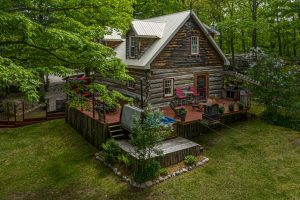
4. Lighting That Makes a Home Welcoming
Good lighting is one of the most overlooked curb appeal improvements, yet it can dramatically influence how a property feels. Buyers often notice lighting subconsciously. A well-lit home feels welcoming, safe, and cared for, while a dark entrance or burnt-out fixture can create the opposite impression.
The front entrance should be the primary focus. Clean, attractive fixtures that complement the home’s style help establish character before buyers step inside. Whether the property is a century home in downtown Kingston, a suburban family home, or a rural property outside the city, lighting should feel intentional rather than an afterthought.
Warm LED bulbs are the best choice for residential properties. Bulbs in the 2700K to 3000K range create a comfortable glow that feels inviting without appearing harsh. Consistency is important as well. A mixture of warm and cool bulbs can make an otherwise attractive entrance look disjointed and poorly maintained.
Pathway lighting can add both safety and visual appeal. A few carefully placed solar or low-voltage lights along a walkway help guide visitors toward the entrance while highlighting landscaping features and architectural details. Pathway lighting is valuable because it guides visitors safely toward the entrance while highlighting landscaping features and architectural details.
Garage, porch, and backyard lighting also contribute to the overall impression. Exterior spaces that are evenly illuminated appear larger, safer, and more functional. Buyers are often evaluating how they might use outdoor living areas, decks, patios, and seating spaces. Proper lighting helps them imagine enjoying those areas long after the sun goes down.
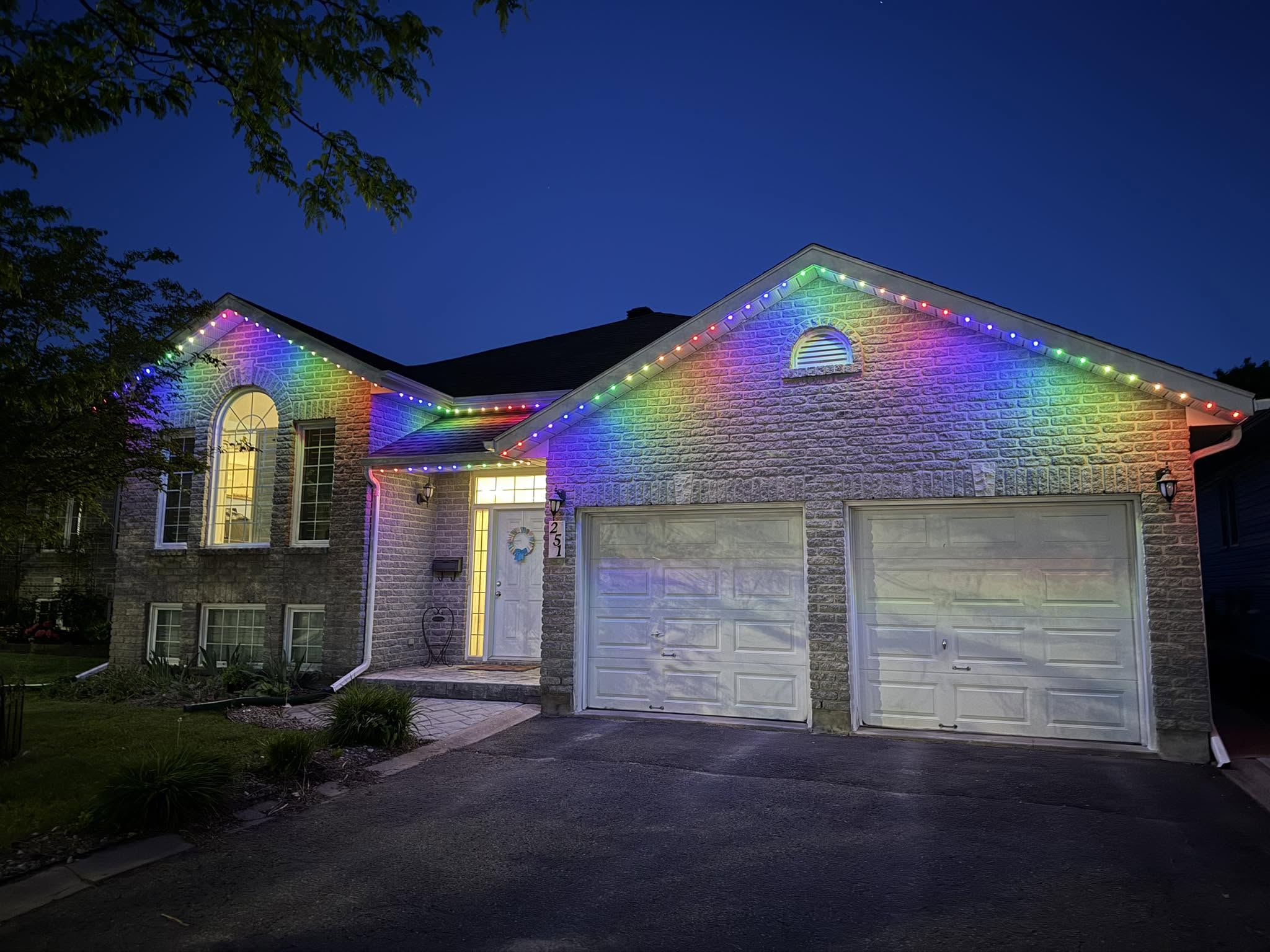
Permanent exterior lighting systems are increasingly popular in Kingston and surrounding areas. These low-profile LED fixtures, installed along rooflines or soffits, stay in place year-round. Homeowners can program them to display warm white light for daily use or switch to colours for holidays and events, enhancing security and aesthetics while remaining discreet during daylight hours.
Lighting significantly affects listing photography, as professional photographers often schedule exterior shots during the “golden hour” near sunset to enhance visual appeal. Properly functioning fixtures, updated lighting, and well-lit entrances can dramatically improve a property’s online presentation, making a strong first impression on buyers.
For rural and waterfront properties, lighting serves an additional purpose. Long driveways, private lanes, docks, detached garages, and outbuildings can benefit from strategic lighting that improves both visibility and security. Buyers appreciate properties that feel accessible and easy to navigate, particularly when visiting unfamiliar locations after dark.
One common mistake homeowners make is overlooking maintenance. Dirty fixtures, burnt-out bulbs, mismatched styles, or outdated lighting can undermine an otherwise attractive exterior. Fortunately, these issues are usually inexpensive to correct. Replacing aging fixtures, cleaning glass covers, and ensuring every bulb works properly can instantly improve a property’s appearance.
When combined with a clean entrance, attractive landscaping, and thoughtful exterior design, quality lighting helps create the welcoming atmosphere that encourages buyers to look forward to seeing more of the property. Few improvements provide such a powerful combination of beauty, safety, functionality, and relatively low cost.
5. Driveways, walkways, and outdoor features
Buyers evaluate a property long before they reach the front door. The condition of the driveway, front walk, steps, railings, and surrounding outdoor features helps shape that first impression. Check for cracks, weeds, or uneven surfaces to assess what repairs or cleaning can improve curb appeal.
Driveways are often one of the largest visible surfaces on a property. Stains, weeds growing through cracks, and deteriorating edges can make a home appear less cared for than it actually is. Regular cleaning, minor repairs, and seasonal maintenance can dramatically improve appearance without requiring replacement. For gravel driveways, fresh grading and topping up low areas can make a significant difference.
Walkways should provide a clear and safe path to the front door. Uneven stones, cracked pavement, loose railings, or shifting pavers can create safety concerns and distract buyers from the home’s strengths. Well-maintained walkways show that the property has received consistent attention and care.
Front steps and railings deserve special consideration because they are among the few exterior features buyers interact with directly. Solid railings, stable steps, and clean surfaces help create confidence before visitors enter the home. A fresh coat of paint on railings or minor repairs to damaged masonry can often provide a strong return for a modest investment.
Outdoor features such as patios, retaining walls, garden borders, pergolas, seating areas, and decorative stonework also contribute to curb appeal. These elements help define outdoor living spaces and give buyers a better sense of how they can enjoy the property. A well-designed patio or sitting area often helps buyers imagine themselves relaxing outdoors, entertaining guests, or spending time with family.
For rural and waterfront properties, outdoor features extend beyond the immediate area around the house. Gates, fencing, pathways, docks, firepit areas, and access routes to waterfronts or outbuildings all contribute to the overall impression. Buyers often notice these features before they notice flower beds or decorative landscaping.
Creating elaborate outdoor spaces isn’t the primary aim. Buyers are typically looking for properties that appear safe, functional, and well-maintained. Clean walkways, solid steps, attractive outdoor features, and a clearly defined route to the entrance all reinforce the impression that the homeowner cares for the home and has made it ready to enjoy.
6. Cleanliness and attention to detail
Many curb appeal improvements require little more than time and effort. A property does not need expensive landscaping or major renovations to make a positive impression. Many times, cleanliness and attention to detail can have a greater impact than costly upgrades.
Buyers notice signs of neglect surprisingly quickly. Dirty siding, stained concrete, clogged gutters, dusty light fixtures, and windows covered with pollen or water spots can make an otherwise attractive property feel tired. Regular cleaning helps a home appear brighter, newer, and better maintained.
Pressure washing is often one of the most effective curb appeal improvements available. Curb appeal improvements can often refresh driveways, walkways, decks, patios, retaining walls, and siding in a single afternoon. Removing accumulated dirt, algae, mildew, and stains immediately improves appearance and helps reveal the property’s true condition.
Windows deserve special attention. Clean glass allows more natural light into the home and creates a brighter appearance from both inside and outside. Buyers may not consciously notice spotless windows, but they often notice dirty ones. The same principle applies to screens, storm doors, and glass inserts in entry doors.
Gutters and downspouts are another area frequently overlooked by homeowners. Overflowing gutters, visible debris, or staining on siding can suggest deferred maintenance. Keeping these systems clean not only protects the home but also contributes to a more polished appearance.
Insignificant details often have an outsized impact. Mailboxes, house numbers, exterior outlets, light fixtures, door hardware, and doorbells should all be clean and in good working order. Cobwebs around entrances, peeling caulking, rusty hardware, or faded fixtures may seem insignificant individually, but together they influence how buyers perceive the property.
For sellers, these details become even more important. Buyers often see a well-maintained exterior as evidence of good maintenance throughout the property. A clean and organized appearance helps build confidence, while visible neglect can raise questions about larger systems that are not immediately visible.
Attention to detail is often what separates a home that looks merely acceptable from one that feels genuinely well cared for. Buyers may not remember every individual improvement, but they often remember the overall impression. Cleanliness, maintenance, and thoughtful presentation work together to create that impression long before the front door opens.
7. Think Like a Buyer and Avoid Common Mistakes
One of the most effective ways to improve curb appeal is to stop looking at your home as an owner and start viewing it as a buyer would. Familiarity often causes homeowners to overlook details that immediately stand out to someone seeing the property for the first time.
Begin at the street and take an honest look. Does the property feel welcoming? Is the entrance easy to identify? Do the landscaping, lighting, and exterior finishes create a positive first impression? Buyers often form opinions within seconds of arriving, and those impressions can influence how they view the rest of the home.
For sellers, curb appeal is part of the marketing process. A well-presented exterior attracts more attention online, creates a stronger first impression during showings, and can help a property stand out in a competitive market. Many curb appeal improvements are relatively inexpensive, yet they often deliver returns far beyond their cost by increasing buyer interest and confidence.
Homeowners who are not planning to sell can benefit just as much. A tidy yard, fresh paint, attractive lighting, and a welcoming entrance make coming home more enjoyable every day. Many curb appeal projects also help protect the property itself. Clean gutters reduce the risk of water damage, trimmed shrubs improve airflow and help protect siding, and quality paint provides an important layer of protection against weather and wear.
Avoiding common mistakes is just as important as making improvements. One of the most frequent errors is overdoing colour. Too many shades on siding, trim, shutters, and doors can make a home feel busy or dated. Most of the time, a simple colour palette creates a cleaner, more appealing appearance.
Clutter can also work against curb appeal. Toys, tools, seasonal decorations, and lawn ornaments can distract buyers from the home itself. The goal is to help visitors focus on the property’s strengths rather than its contents.
Lighting deserves careful attention as well. Burnt-out bulbs, mismatched fixture styles, or inconsistent colour temperatures can create an impression of neglect. Warm, consistent lighting typically provides the most welcoming appearance.
Another common mistake is removing too much character in the name of modernization. Historic homes, cottages, and rural properties often possess unique architectural features that contribute to their appeal. Updating these homes should enhance their character rather than erase it. The most successful curb appeal improvements highlight a property’s strengths while respecting its style and history.
Ultimately, buyers are looking for signs of care and maintenance. They do not expect perfection, but they notice when a property appears clean, functional, and well-maintained. Viewing your home through a buyer’s eyes often reveals simple improvements that can significantly affect first impressions.
Bringing It All Together
Curb appeal shapes the first impression and can influence how buyers feel about your home, making it essential for attracting interest.
From fresh paint and inviting entryways to thoughtful landscaping and quality lighting, these small updates build confidence in your home’s overall appeal.
For homeowners planning to stay, these improvements can foster pride and daily satisfaction while helping protect long-term property value.
The most successful curb appeal projects are not necessarily the most expensive. Consistent maintenance, thoughtful updates, and attention to detail often provide the greatest return. When buyers see a home that looks well cared for on the outside, they are more likely to feel confident about what is waiting inside.
Frequently Asked Questions About Curb Appeal in Kingston
Which curb appeal improvement provides the best return for the money?
Simple improvements often provide the strongest return. Fresh paint on the front door, updated lighting, pressure washing, landscaping cleanup, and repairing visible exterior wear can dramatically improve first impressions without requiring a large budget.
Do buyers really notice small exterior details?
Yes. Buyers often notice house numbers, door hardware, lighting fixtures, railings, mailboxes, and walkways. Buyers might consider these details minor on their own, but collectively they show the property’s maintenance level.
Should I choose neutral colours when improving curb appeal?
Most of the time, neutral colours appeal to the broadest range of buyers. Exterior paint, trim, and entryway colours that complement the home’s style perform better than bold or highly personalized colour schemes when selling.
Is professional landscaping necessary to improve curb appeal?
Not usually. Well-maintained lawns, trimmed shrubs, defined garden beds, and attractive outdoor spaces often have more impact than elaborate landscape designs. Buyers appreciate landscaping that looks attractive and manageable.
What is the biggest curb appeal mistake homeowners make?
One of the most common mistakes is overlooking maintenance. Peeling paint, burnt-out light bulbs, damaged railings, stained walkways, cluttered porches, and overgrown landscaping can raise concerns about the property’s overall condition. Regular upkeep often has a greater impact than expensive upgrades.
📚 Don’t Miss These Guides
Improving curb appeal often goes hand in hand with regular maintenance, thoughtful upgrades, and understanding how buyers evaluate a home’s exterior condition. These related guides provide additional insight into presentation, maintenance, and protecting long-term property value.
Curb Appeal for All 4 Seasons: Kingston and Area
Learn how seasonal maintenance, landscaping, and exterior upkeep help Kingston area homes make a positive impression throughout the year, regardless of the weather.
Make Your Kingston Home Stand Out This Spring–5 Curb Appeal Tips
Spring is one of the most important seasons for first impressions. Discover simple improvements that can refresh your home’s appearance and prepare it for the busy spring market.
Protect Your Home: Home Maintenance Tips
Consistent upkeep preserves exterior finishes, roofing, siding, and landscaping. This guide outlines practical maintenance steps that help homeowners maintain curb appeal while preventing costly deterioration.
Preparing Your Home for Sale: Presentation, Privacy, and Security
Before listing a home, thoughtful preparation can significantly influence buyer perception. This guide outlines practical steps that help homeowners present their property effectively while maintaining privacy and security during showings.
Home Inspections: What Buyers Need to Know
Buyers often pay close attention to a home’s exterior condition during inspections. This guide explains what inspectors look for outside the property, including grading, drainage, roofing, and structural elements that influence both curb appeal and overall value.
Improving curb appeal often goes hand in hand with regular maintenance, thoughtful upgrades, and understanding how buyers evaluate a home’s exterior condition. These related guides offer additional insight into protecting your property, planning improvements, and maintaining long-term value.