



Pets used to be an overlooked aspect of home sales.
They still are, to a point. A significant number of buyers have a dog or cat, or have had one before; it is recognisable and frequently, it’s well-received.
But what has changed is how closely buyers look at everything else.
In today’s market, especially around Kingston and the surrounding areas, buyers are more careful. They are thinking about costs, maintenance, and how much work a home will require after they move in. Anything hinting at extra cleaning, repairs, or lingering issues quickly catches buyers’ attention.
Pets are not the issue.
What comes with them can be.
The gap between how a home feels to you and how it feels to a buyer
You live in your home every day. You stop noticing certain things.
A buyer walks in for fifteen minutes and notices everything.
Typically, it’s not a big deal: fur by the baseboards and a strange odour, a space that seems a bit off. Litter boxes fall into this category more than most sellers expect. Even when someone cleans them, they can change how a space feels the moment someone walks into it.

That is often enough.
Buyers rarely stop to figure out why something feels off. They carry that impression with them as they move through the rest of the house.
Cleaning helps, but it has to be the right kind.
Pet hair settles everywhere, not just on floors. Furniture, drapes, and corners all collect it. A quick vacuuming is rarely enough. A deeper clean, especially of fabrics, is what changes how the home feels.
Air quality matters as much.
Opening windows regularly, replacing furnace or A/C filters more often than usual, and even running a HEPA air purifier during the listing period can make a noticeable difference. Homes with pets carry more in the air than people realize.
Odour is the biggest factor. Addressing it effectively can help sellers feel more confident that their home will appeal to buyers.
It is also the one that sellers are least likely to notice. Litter boxes, pet areas, and past accidents linger in ways that surface cleaning does not fix. Enzyme cleaners help because they address what lies beneath, not just what is visible. Trying to mask it with sprays or candles usually backfires.
Sometimes, bringing in a professional to steam clean carpets and upholstery is one of the better decisions you can make before listing.
Photos: details become significant.
Most buyers see your home online first.
The presence of a dog bed in the corner, a litter box in the bathroom, and toys on the floor changed the perception of details. A dog bed in the corner. A litter box in a bathroom. Toys on the floor.
None of these are problems, but they interrupt the picture that the buyers are trying to build in their heads.
Removing those items before the photos keeps the focus on the home itself and helps buyers see the space without distractions.
Showings are crucial for deal success or failure.
The success or failure of a deal often comes down to how a home feels during a showing.
Ideally, pets should be out of the house when buyers come through.
Not in another room, not in a crate, not “he’s friendly.”
Just not there.
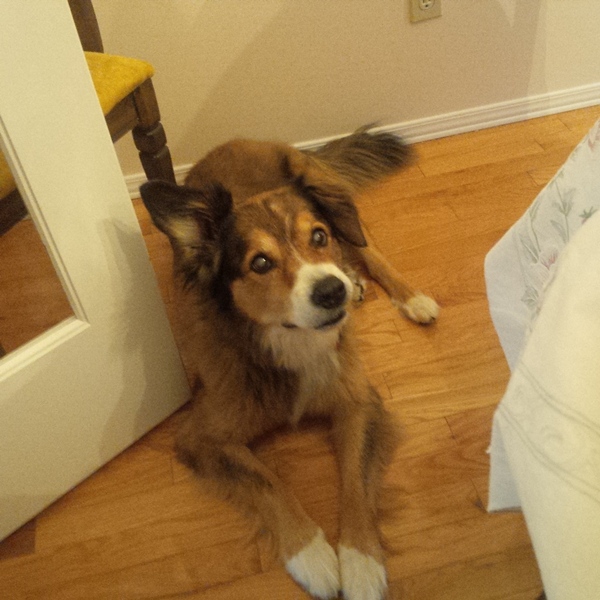
Even when nothing goes wrong, animals change how people move through a home. Some buyers become cautious. Others move faster than they normally would. Some will skip rooms entirely if they are unsure what is behind a door.
That shift is usually subtle, but it affects how long they stay and how they remember the property afterward.
I have seen it play out more than once.
In one case, the seller had a cockatoo flying freely through the house. For them, it was normal. For the buyers I was with, the showing ended. A terrified two-year-old daughter accompanied the buyers. This fear caused them to prioritize leaving over viewing the home.
Someone kept several ferrets in a small room in another home. The buyers experienced a strong smell upon opening the door, which lingered throughout their visit. After that, it did not matter what the rest of the home looked like.
When you cannot remove pets, it becomes critical to control them and communicate to the other agent that they are present.
You must safely contain animals and clearly note in the showing instructions that pets are present. Transparency builds trust and helps sellers feel more prepared for buyer interactions. Some buyers have allergies, sometimes severe, and others are uncomfortable around animals. Having pets contained, when possible, also prevents situations where someone opens a door and a pet runs out.
The goal is to remove uncertainty and let buyers focus on the home.
The outcome can be unexpectedly positive.
Pets are not always the problem sellers think they will be.
When someone prepares correctly, I’ve seen homes with many pets sell fast and at their asking price.
One seller had two cats and a golden retriever. Two days before listing, they steam-cleaned the furniture, covered the couches, and closed off certain rooms. They cleaned the litter box the morning of the open house, and beyond that, they left it alone.
The home sold the same day, over asking.
One cat quietly appeared in room after room during the virtual tour. The other cat remained hidden the entire time and never revealed itself.
In that case, the pets were not the issue. The preparation was.
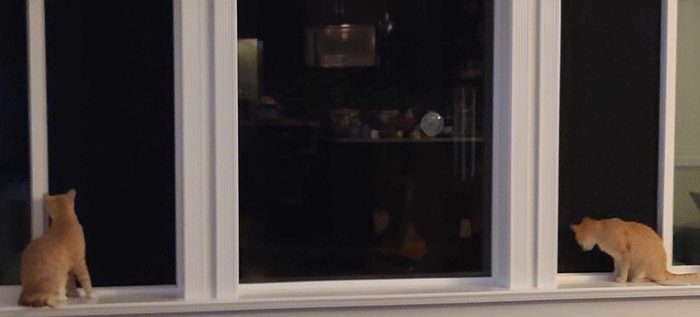
More exotic pets
People expect dogs and cats, but not other animals.
Birds, reptiles, and small animals like hamsters or guinea pigs draw attention the moment someone walks into a room. Not always negatively, but enough to pull focus away from the space.
Aquariums can work either way. Clean and well-maintained, they can enhance a room. If they are not, they do the opposite just as quickly.
People should cover cages or enclosures to keep the space neutral for animals that are difficult to relocate. A simple note asking buyers not to tap on the glass or interact with the animals protects the animals and keeps the show predictable. Coveris for cages or aquariums are available from many pet stores like PetValu, or online from Amazon.
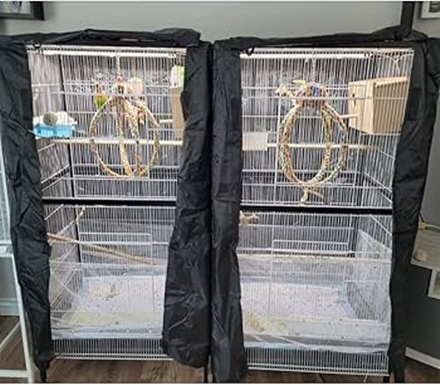
Handling larger setups or multiple animals is more efficiently done at an off-site location.
There is also the question of stress.
Showings bring strangers, noise, and disruption. Even well-behaved pets can react differently. Scratching, barking, or accidents can show up quickly and affect how buyers experience the home.
For that reason, it can be worth speaking with your veterinarian before listing, especially with older pets or those sensitive to change. Selling a home can be just as stressful for the animal as it is for the homeowner, and a bit of planning can make that easier for everyone.
The outside tells the same story.

In Kingston and the surrounding areas, outdoor space matters.
Worn paths, digging areas, and damage to lawns or fencing stand out more than sellers expect.
You can easily improve these, but leaving them as-is will affect the buyer’s overall impression of the home’s maintenance.
Underestimating pet damage
It usually shows up in small ways.
A scratch on a door. Worn trim. Marks in the flooring that have been there long enough to stop standing out.
Individually, none of these feels like much. Together, they shape how a buyer sees the home.
Hardwood floors are one of the most common examples. Over time, larger dogs can leave consistent scratches in high-traffic areas. Buyers notice it quickly and begin thinking about refinishing or replacement.
The same applies to chewed baseboards, damaged doors, and worn cabinets. Possible outdoor elements are fencing, decks, or landscaping.
These issues are not enough to stop the deal. They are perception shapers.
And that is where value shifts.
The reality
Many buyers have pets of their own, so we are not pretending animals do not exist. It is about making sure your home feels easy to step into.
Not every sale allows for a full reset.
Sometimes the timing is tight. Not every repair gets done. Not every mark disappears.
In those cases, the approach shifts.
Do what you can. Clean thoroughly. Manage showings properly. Remove distractions where possible.
Beyond that, it may make sense to position the home honestly. A fenced yard, durable flooring, or a layout that works well for animals can still appeal to the right buyer.
Buyers will adjust their expectations when price, condition, and presentation match.

A simple way to look at it
You are not removing your pet from your life.
You are removing anything that impedes a buyer’s experience of your home.
When that experience feels easy, the home is what they remember.
FAQ
Should I remove my pets during home showings?
Provided it’s workable, then yes. Buyers are more comfortable and spend more time in a home when pets are not present. Even well-behaved animals can change how a showing feels.
Do pet odours affect the sale of a home?
They can. Odours are one of the first things buyers notice, even if they are subtle. Neutral, clean air is far more effective than trying to mask smells with sprays or candles.
Do I need to disclose pets to buyers or agents?
If you have pets present during showings, clearly note this in the showing instructions. This helps buyers with allergies prepare and prevents issues such as pets getting out during a showing.
Are litter boxes a problem when selling a home?
They can be. Even when clean, litter boxes can affect how a room feels. It is best to remove them during photos and showings.
Should I fix pet damage before listing my home?
It depends on the extent. Small repairs can improve buyer perception, but larger issues may reflect in pricing. Scratched floors, chewed trim, and buyers commonly noticed worn areas.
Can a home with pets still sell quickly?
Yes. With proper preparation, many homes with pets sell quickly and even over asking. Cleanliness, presentation, and how the home feels during showings matter more than the presence of pets.
What about buyers with allergies?
Some buyers have mild sensitivities, while others have severe reactions. Clear communication in showing instructions helps agents and buyers plan accordingly and ensures a better experience.
Should I talk to my veterinarian before listing my home?
It can be helpful, especially for older pets or those sensitive to change. Showings can disrupt routines and create stress, and a veterinarian can suggest ways to manage that.
________________________________________________________________________________________________________________________
Don’t miss these guides
If you’re preparing to sell in Kingston and the surrounding Frontenac, Lennox, and Leeds communities, these guides will help you see the bigger picture and avoid common missteps.
Preparing Your Home for Sale: Presentation, Privacy, and Security
A practical look at how to get your home ready before it hits the market, from staging decisions to protecting your privacy during showings.
Selling the Family Home
A thoughtful guide for long-time homeowners balancing emotional attachment with real-world decisions around timing, preparation, and next steps.
Pre-Listing Home Inspection Benefits
A pre-listing home inspection can help sellers identify potential concerns before buyers tour the property. Understanding the home’s condition early may reduce surprises, improve buyer confidence, and help support a smoother selling process.
Is it time to sell your condo?
Market timing, buyer expectations, and what condo owners in Kingston should consider before making a move.
20 Questions Kingston Sellers Ask Before Listing Their Home
A practical breakdown of what sellers should think about before they go to market, from pricing and preparation to showings and strategy.