


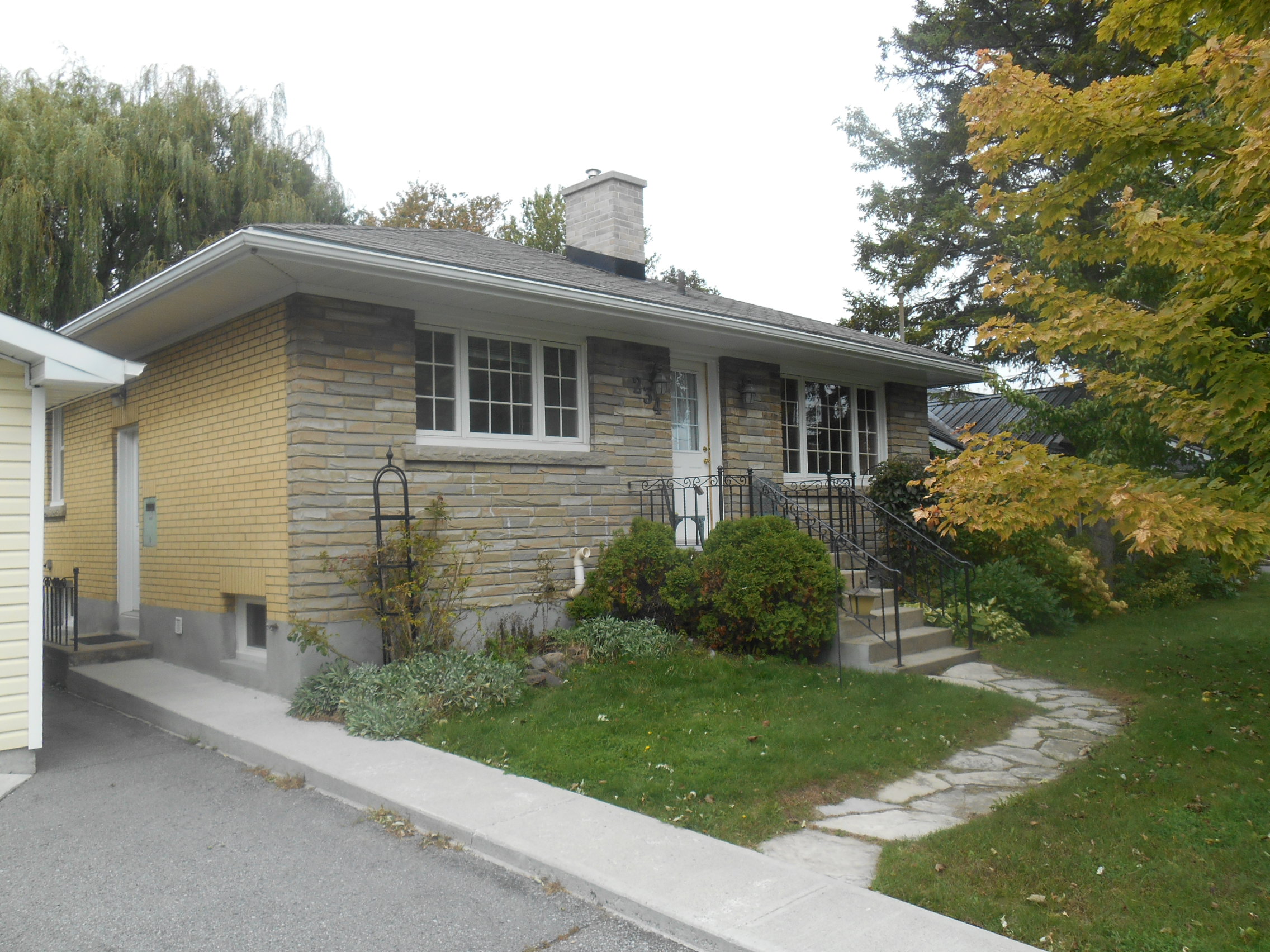
Are you having to deal with a property?
When a house in Kingston becomes part of an inheritance, it often holds more than furniture. It holds routines, holidays, and decades of ordinary life. Selling it can feel like closing a chapter that was never meant to end.
Executors often manage legal documents, insurance questions, financial records, and court requirements while families are still adjusting to a loss. A property sale differs from a typical move where an owner simply decides it is time to sell.
This guide explains how property sales work in Ontario, what responsibilities executors carry, and what buyers should understand when purchasing a home in Kingston and the surrounding Frontenac, Lennox, and Leeds communities.
What defines an estate property sale in Ontario?
When the executor, often called the trustee in Ontario, sells real estate on behalf of a deceased person, a property sale occurs.
The trustee manages the deceased person’s assets and settles according to the will or provincial law if no will exists. Real estate is often the largest asset involved.
While death is the most common reason for a property sale, similar authority can apply when a court appoints someone to manage property for an individual who cannot handle their own financial affairs.
Probate and authority to sell
Many times, the buyer cannot receive the property until the court confirms the executor’s authority. Probate is this process.
Probate confirms that the will is valid and that the executor has the legal right to act on behalf of the estate. Without probate, the Land Registry system cannot register the new owner on the title.
To apply for probate, the executor typically submits the original will, a death certificate, and a detailed inventory of the estate’s assets and liabilities at the time of death.
Probate timing can affect when you list a property or when you close a sale, so negotiations often include flexible timelines.
Executor responsibilities when selling property
Executors have a fiduciary duty to act in the best interests of the beneficiaries. This means they must carefully manage the assets, maintain logical records, and decide they can explain and defend if questions arise later.
Practical responsibilities usually begin immediately. The executor must secure the home, collect keys, update insurance, and ensure that ongoing expenses continue to be paid.
These expenses can include property taxes, utilities, mortgage payments, and maintenance costs. Because beneficiaries often review estate accounts later, accurate record keeping is essential throughout the process.
Understanding property condition
Sellers frequently offer homes in their current state. Deferred maintenance, aging systems, or outdated finishes are common in long held family properties.
For this reason, buyers often rely heavily on home inspections when purchasing property. Inspection findings help buyers understand the true condition of the home and can influence both pricing and negotiation.
For executors, transparency about known issues can help reduce disputes and create smoother transactions.
Preparing the property for sale
Preparing an estate home for sale is often the most emotionally demanding stage of the process. Family members must sort, distribute, donate, or remove belongings before buyers can view the property. Local organizations such as Habitat for Humanity ReStore, Talize, or Society of Saint Vincent de Paul can often accept donations of unneeded items, giving useful household goods a second life in the community.
Vacant properties require careful management. You must keep the insurance valid, and you may need to visit regularly. Proper preparation also helps buyers understand the property more clearly.
Professional photography is important for homes. Clear, well lit images allow buyers to see room size, layout, and natural light before scheduling a showing. Sometimes, light staging or virtual staging can help buyers visualize the potential of older spaces.

Marketing and pricing strategies for estate properties
Pricing a property requires balancing fiduciary duty with current market conditions.
The probate value of the home reflects its estimated value at the date of death. However, the seller must set the listing price to reflect current market conditions when they offer the home for sale.
Because markets change, the probate value and the eventual sale price are often different.
Effective pricing highlights the property’s strengths such as location, lot size, neighbourhood stability, and long term potential while remaining realistic about condition and required updates.
Executors often focus on achieving a sale that is both defensible and practical, rather than simply chasing the highest possible offer.
How buyers view properties
From a buyer’s perspective, estate properties can present unique opportunities. Many are in established Kingston neighbourhoods where lot size, mature trees, and solid construction are difficult to replicate in newer developments.
Buyers interested in these homes are often comfortable with renovation or updating. They may also value the opportunity to personalize a property that has not undergone extensive renovations.
Potential buyers need to understand that sales may take longer because of probate delays or the need for multiple beneficiary approvals.
Clear communication and realistic expectations on both sides help ensure smoother negotiations.
Family considerations during estate sales
Selling a long held family home can create emotional tension among beneficiaries. Family members may have different expectations about timing, pricing, or preparation of the property.
Executors often need to balance these perspectives while still fulfilling their legal responsibilities to the estate.
Open communication, clear documentation, and professional guidance can help reduce misunderstandings and keep the process moving forward.
_______________________________________________________________________________________________________________________
Frequently asked questions
How long does an estate property sale take in Ontario?
The full process often ranges from six to eighteen months from death to closing, depending on probate timing, property preparation, and market conditions.
Can a person sell a property before the court grants probate?
Yes, parties can sometimes sign an agreement of purchase and sale before probate, provided the contract includes clauses allowing time for probate approval.
Are estate homes always sold as is?
Sellers often sell estate properties in their current condition, though they may still finish minor safety or presentation tasks before listing.
Who pays the ongoing expenses for the home?
The estate handles costs such as taxes, insurance, utilities, and maintenance until the property closes.
Do estate sales require a lawyer?
Yes. Legal guidance is essential when dealing with estate property transfers and probate matters.
Final thoughts
Selling a property in Ontario is not just a transaction. It is a legal process shaped by memory, responsibility, and financial consequences.
Careful preparation, realistic expectations, and steady advice can make a meaningful difference, not just to the ultimate price, but to the experience itself.
________________________________________________________________________________________________________________________
📚 Don’t Miss These Guides
Selling an estate property often involves additional considerations beyond a typical home sale. Property condition, documentation, family coordination, and pricing decisions all influence the process in Kingston and the surrounding Frontenac, Lennox, and Leeds communities. These related guides explore issues that often arise when preparing a home for sale.
Selling the Family Home
A practical look at the emotional and logistical challenges that often come with selling a long-held family property. This guide explores planning, timing, and communication with family members when a property transition takes place in Kingston and the surrounding Frontenac, Lennox, and Leeds communities.
Preparing Your Home for Sale: Presentation, Privacy, and Security
Helpful guidance on protecting a vacant property, managing privacy concerns, and presenting a home responsibly during showings. These steps are important when preparing an estate property for sale in Kingston and the surrounding Frontenac, Lennox, and Leeds communities.
Home Inspections: Benefits for Buyers and Sellers
When estate homes sell as-is, their condition frequently becomes more significant. This guide explains how inspections help buyers and sellers identify potential concerns and avoid unexpected delays during transactions in Kingston and the surrounding Frontenac, Lennox, and Leeds communities.
8 Hidden Costs of Buying a Home in Ontario
Older or estate properties sometimes involve additional costs after closing. This guide outlines common expenses buyers should consider, helping purchasers plan realistically when buying homes in Kingston and the surrounding Frontenac, Lennox, and Leeds communities.