


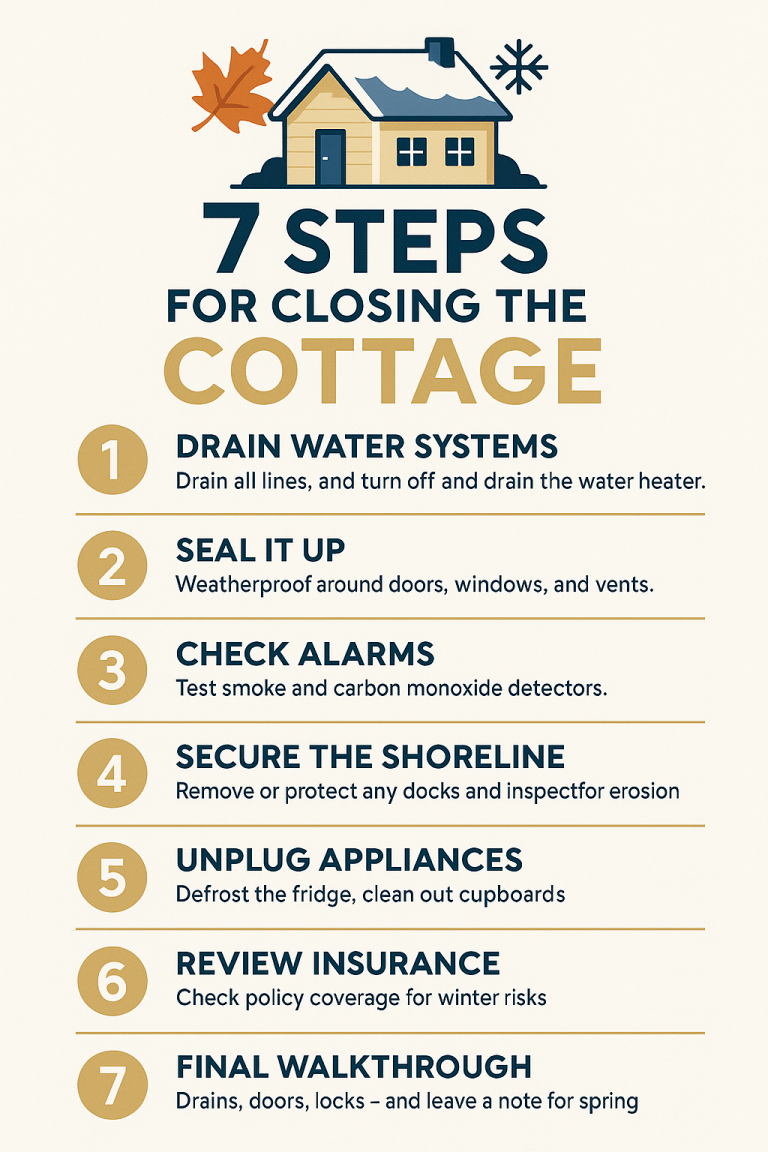
The cottage closing season is once more upon us; as the leaves crunch underfoot and Thanksgiving weekend approaches, many cottage owners in Frontenac, Lennox & Addington, Leeds and the 1000 Islands face a bittersweet ritual. Saying goodbye to your lakeside retreat for the season isn’t easy, but taking the time to shut it down properly now means fewer worries and a smooth return when the ice melts in spring.
Why Cottage Closing in Kingston Matters?
Winter can be hard on cottages. Frozen pipes can burst, shoreline structures can shift under ice, and even the most minor gaps around windows or vents can invite critters to move in rent-free. Roofs, decks, and docks can face additional strain from snow and storms. A bit of upfront preparation can save you trouble and money down the line.
Step 1: Drain and protect water systems
The most critical part of a cottage closing is protecting your plumbing. Drain every line: pipes, hot water tank, toilets, and even appliances like dishwashers and washing machines. Some owners blow out lines with an air compressor; others pour winter antifreeze into traps and toilets. Whatever your method, the goal is the same: to prevent standing water from freezing and expanding.

Step 2: Ensure it’s sealed securely.
After you handle the water, survey the property closely. Check doors, windows, vents, and crawl spaces. A quick bead of caulking or some fresh weatherstripping can keep the cold out and stop raccoons or mice from claiming your cottage as their winter home. Don’t forget the roofline; soffits and eaves are common entry points.
Step 3: Safety and Security
Before you leave, ensure that smoke detectors and carbon monoxide alarms are functioning properly. Replace the batteries now so you’re not relying on last spring’s leftovers. If your cottage will sit empty, consider turning off the primary power supply, except for circuits that feed essentials like sump pumps.
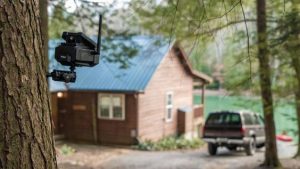
On the security side, many owners now install cameras or remote monitoring systems. It’s not about being glued to your phone — it’s about peace of mind during winter storms or power outages.
Step 4: Shoreline and Exterior Prep
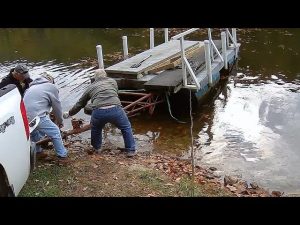
If your cottage is on a lake in Frontenac County near Kingston, now’s the time to think about docks and shoreline protection. Remove portable docks or anchor them properly. Walk the shoreline and check for signs of erosion. A few preventative measures before freeze-up can save you costly repairs in the spring.
For waterfront owners, don’t forget about your boat. Whether you store it on land or at a marina, proper winterizing is key. Many owners choose to shrink wrap their boats for protection against snow, ice, and pests over the winter months. It’s a small investment that can extend the life of your vessel and help ensure a smooth launch in spring. Outside the cottage itself, clear the gutters, bring in outdoor furniture, and trim any branches that could come down under heavy snow.

Step 5: Clean the interior.
Unplug and defrost the fridge, clean out the pantry, and take home anything that might attract rodents. Prop cupboard doors open and leave the refrigerator slightly ajar to prevent mildew. Some owners even set out dryer sheets or cedar blocks as deterrents for mice.
Finally, leave the cottage clean. It makes your spring return that much more welcoming.
Step 6: Review your insurance
Autumn is a smart time to review your cottage insurance policy. Confirm that it covers winter risks, such as snow load, burst pipes, or vandalism. Some insurers require proof that you have winterized the property. A checklist or photos can be helpful if you ever need to make a claim.

Step 7: Final Walkthrough
Before locking up, do one last slow walk through every room. Check that you have unplugged appliances, turned off taps, and latched windows. Many owners leave a brief note for their spring selves: “Fix step on deck” or “Bring new coffee filters.” This final walkthrough is a testament to your responsibility and diligence; you’ll thank yourself when you return in May.
Closing Thoughts
Closing the cottage for the season always carries a touch of sadness — it means the end of lazy swims, evening bonfires, and mornings with coffee on the dock. But it also means your retreat is safe and waiting for you. With a bit of care now, you’ll return to a cottage that’s ready for another season of memories, giving you the peace of mind that comes from knowing your property is well-protected.
FAQ — Cottage Closing in the Kingston Area
Q: When should I close my cottage for winter in Ontario?
Many cottage owners in Kingston and Eastern Ontario close their properties by Thanksgiving weekend. This timing allows owners to drain water systems before frost and secure docks before heavy winds or ice.
Q: Do I need insurance while my cottage is closed?
Yes. Most insurers require you to maintain coverage year-round, and many policies have conditions about winterizing. Always review your policy before closing up.
Q: How can I check on my cottage during the winter?
Remote cameras and monitoring systems are popular, but many owners also ask a neighbour or hire a local service to check the property after major storms.
📚 Don’t Miss These Guides
Seasonal cottages and waterfront homes require regular maintenance and careful preparation before winter arrives. These related guides explore inspections, maintenance planning, and cost considerations for homeowners across Kingston and the surrounding Frontenac, Lennox, and Leeds communities.
Protect Your Home: Seasonal Maintenance Tips That Pay Off
Seasonal maintenance helps prevent damage to roofs, foundations, plumbing, and exterior structures. This guide outlines practical steps homeowners can take throughout the year to protect their property.
Kingston Home Maintenance Costs: 21 Ways to Save
Owning a cottage or seasonal home involves ongoing upkeep. This guide explores maintenance strategies that help homeowners manage long-term costs while protecting property value.
Home Inspections: Benefits for Buyers and Sellers
Inspection findings often reveal moisture issues, drainage problems, or structural concerns that affect seasonal properties. This guide explains what inspectors look for and how inspections protect both buyers and owners.
Seasonal properties are especially vulnerable to leaks, frozen pipes, and drainage problems. This guide explains how homeowners can prevent water damage before minor problems become costly repairs.
Winter Preparation: 38 Essential Tips
Closing a seasonal property means protecting plumbing, foundations, roofs, and insulation from freezing temperatures. This guide outlines practical steps homeowners can take before winter arrives.