


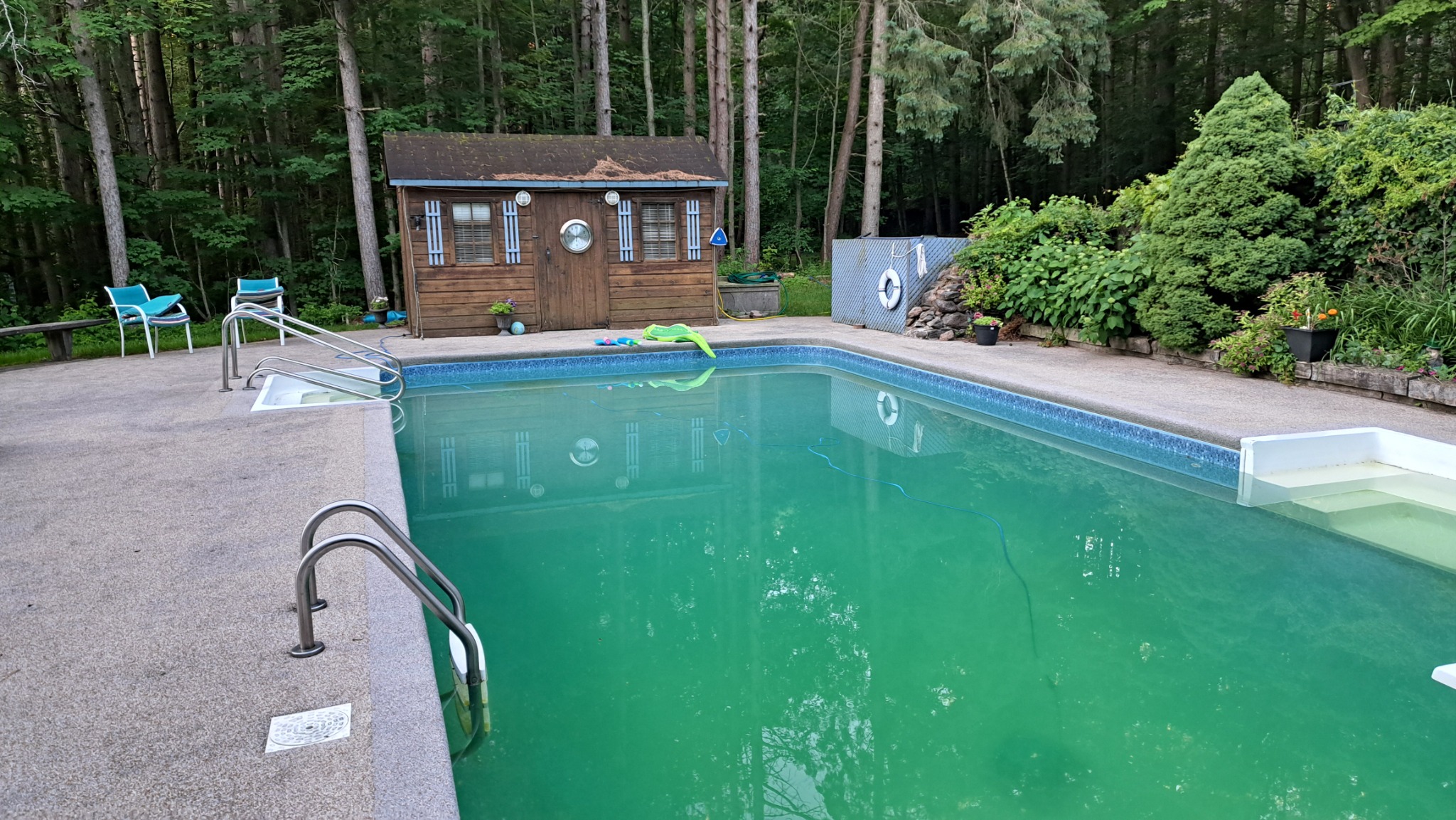
Buying a house with a pool can be especially appealing on a hot Ontario summer day. A well-maintained pool can become one of a home’s most enjoyable features, providing recreation, entertaining space, and a reason to spend more time outdoors.
However, a swimming pool is also a major property component that requires inspection, maintenance, insurance, seasonal care, and eventually repairs or equipment replacement.
For buyers in Kingston and the surrounding area, another important consideration comes into play. Our swimming season is relatively short, and many homes change hands after the pool has already been closed for winter. That can make it harder to evaluate its actual condition.
Before buying a house with a pool, it is worth understanding exactly what you are getting, what it may cost to maintain, and what to investigate before the sale becomes firm.
Is a house with a pool right for you?
The first question is surprisingly simple: will you actually use it?
A pool can be an excellent lifestyle feature for a family that spends much of the summer at home, enjoys entertaining, or enjoys swimming. For someone who spends summer weekends travelling, at a cottage, or away from home, the maintenance may eventually feel less appealing.
REALTOR.ca makes the same point in its buyer guidance. A pool should fit the way you expect to use the property, rather than simply looking attractive during a showing.
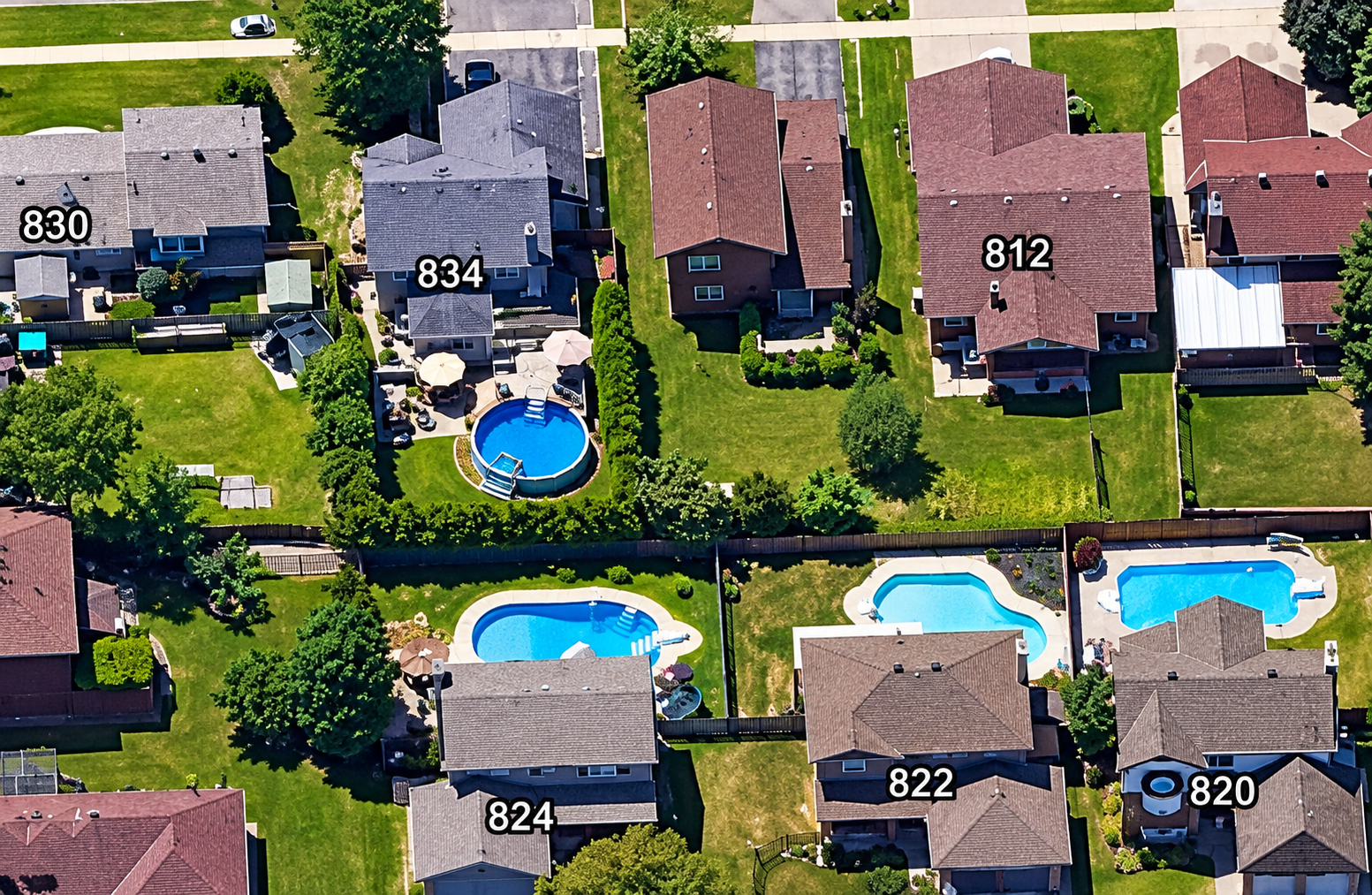
You should also consider how much backyard space the pool occupies. A buyer with young children, dogs, gardening plans, or hopes for a large lawn may value that space differently from someone who sees the pool as the backyard’s centrepiece.
Have the pool inspected, not just the house
A regular home inspection should still be part of your due diligence, but buyers should not assume a standard home inspector will fully assess a swimming pool and all its equipment.
A pool specialist can inspect the liner or interior finish, pump, filter, heater, plumbing, coping, decking, electrical components, and visible signs of leakage or deterioration.
The equipment’s age matters as well. A pool that looks excellent may still have a heater approaching the end of its life, an ageing pump, or a vinyl liner that will soon need replacement.
Ask the seller what they know about the pool’s history. Service invoices, receipts for equipment replacement, liner installation dates, winterising records, and previous repairs can help establish what has been done and what may be coming next.
This is like the principle I discuss in my article on the home inspection process: sometimes the appropriate next step is to bring in a specialist when a particular component requires expertise beyond a general inspection.
What does pool ownership actually cost?
The home’s purchase price is only part of the equation.
Pool owners need chemicals or salt, electricity for the circulation pump, water for topping up the pool, cleaning supplies, opening and closing services, and occasional professional maintenance. A heater can add substantially to energy use, depending on how warm you keep the water and how often it runs.
There are also longer-term expenses. Pumps, filters, heaters, covers, salt cells, and liners eventually wear out.
Canadian real estate site Zoo Casa estimated typical ongoing pool maintenance at roughly $1,000 to $3,000 annually. However, the pool’s size and type, how much work the homeowner does personally, and whether they heat the pool can cause costs to vary significantly. It also notes that major repairs and equipment replacement can add considerably more in some years.
That does not mean a pool is necessarily expensive to own every year. Buyers should include it in their household budget rather than treating it as a feature that costs nothing once they have purchased the home.
That fits with the broader point in my guide to the hidden costs of buying a home: ongoing maintenance expenses can matter as much as the costs you pay on closing day.
Buying a home with a pool in the fall or winter
This is where Ontario purchases become interesting.
When you buy a home in January, February, or March, the owners will probably have winterised and covered the swimming pool. You may inspect the visible structure, equipment, and surrounding area, but you may not see the pool operating or identify issues like leaks or heater malfunctions until it opens in the spring, which could affect your decision.
That means a buyer may not discover a leak, a malfunctioning heater, a defective pump, or another problem until the pool opens in the spring.
Ontario real estate agreements can address swimming pools specifically. The OREA clause library includes provisions on pool bylaw compliance, good working order, and winterisation. If you can’t test a pool before closing, the agreement’s wording and timing become crucial.
A buyer and REALTOR® should discuss how to handle the pool before writing the offer. The buyer and REALTOR® may include representations or warranties about the pool’s working order, winterisation, or arrangements for when they eventually open it.
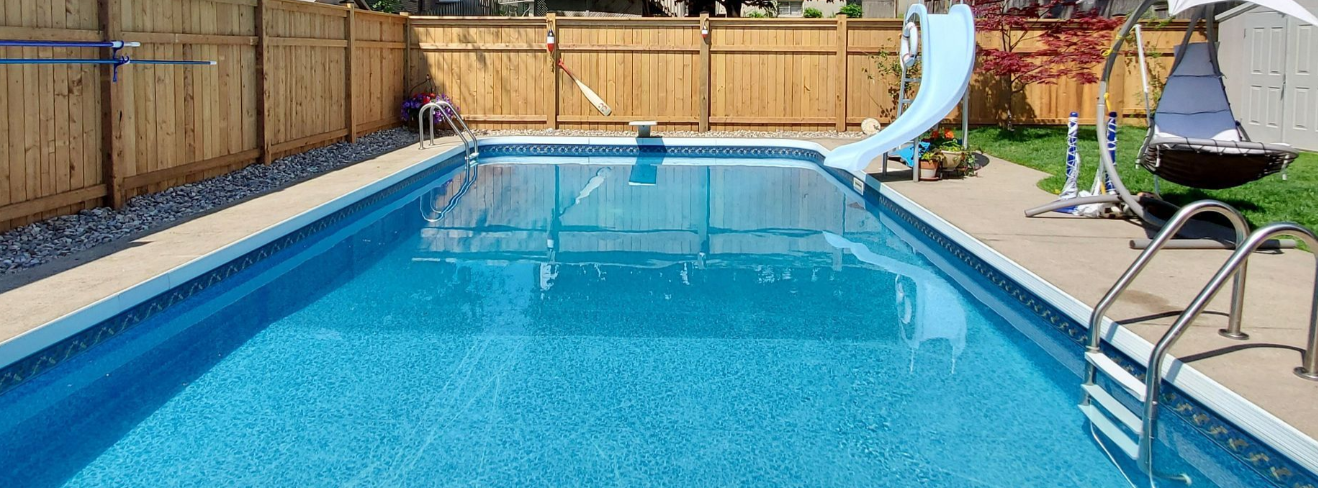
The key is not to discover in May that everyone assumed someone else had taken responsibility for something you couldn’t test in February.
Pool fencing and municipal requirements
Pool safety requirements are municipal, so the rules can change depending on whether a property is in Kingston, South Frontenac, Loyalist, Greater Napanee, or another surrounding municipality.
Within the City of Kingston, an outdoor pool capable of holding over 600 mm of water requires a pool enclosure permit. The City also establishes requirements for enclosure height, gates, setbacks, and other safety measures. Even an existing yard fence must meet the applicable pool enclosure requirements.
For a buyer, this means the fence is more than landscaping.
Check whether the gates close and latch properly, whether the enclosure appears complete, and whether there are obvious areas where someone could access the pool without passing through a secured gate.
City of Kingston pool permit requirements
If you’re unsure about permits or compliance, check with the appropriate municipality instead of assuming.
Chlorine versus saltwater pools
One of the most common misconceptions about saltwater pools is that they do not use chlorine.
They do.
A saltwater system uses a salt/chlorine generator. Salt dissolved in the pool water passes through the generator, which produces chlorine through electrolysis. Instead of repeatedly adding conventional chlorine products, the system generates much of the sanitiser itself.
Many owners prefer the feel of saltwater and the more consistent chlorine production. It can also reduce the amount of chlorine products you need to handle and store.
However, saltwater isn’t maintenance-free. You still must monitor water chemistry, clean or replace the salt cell as needed, and maintain the system properly to avoid corrosion in certain metals and pool parts.
Can I convert an existing chlorine pool to saltwater?
Often, yes.
For many existing pools, conversion involves installing a properly sized saltwater chlorine generator in the circulation system, adding the correct amount of salt, and balancing the water chemistry.
Before buying equipment, however, I would have a pool professional assess the existing pump, heater, plumbing, electrical service, liner or pool finish, and other components for compatibility.
This is worthwhile with an older pool. Saving money by adding a new salt system makes little sense if the existing heater, pump, or plumbing is already nearing replacement.
Conversion costs vary widely based on pool size, equipment, electrical requirements, and the quality of the salt system you choose. Rather than using an online estimate from another market, a local quote is far more useful for a Kingston-area homeowner.
Saltwater pools also still require the same basic winter preparation as other pools in our climate.
Closing and opening a pool in Ontario
Winterising is an important part of pool ownership in Kingston and the area.
You may need to lower the water level, clear and protect plumbing lines from freezing, drain equipment, balance chemicals, and properly install a winter cover. The exact procedure depends on the pool type and equipment.
Improper winterisation can cause expensive freeze damage.
Spring opening reverses the process. They remove the cover, reconnect the equipment, restore the water levels, start the filtration system, and bring the water chemistry back into balance.
Owners experienced with pools might manage much of this on their own. Buyers taking ownership of their first pool may find it worthwhile to have a professional handle the first opening and explain how the system works.
That first opening also offers a chance to identify equipment problems and learn the pool’s particular quirks.
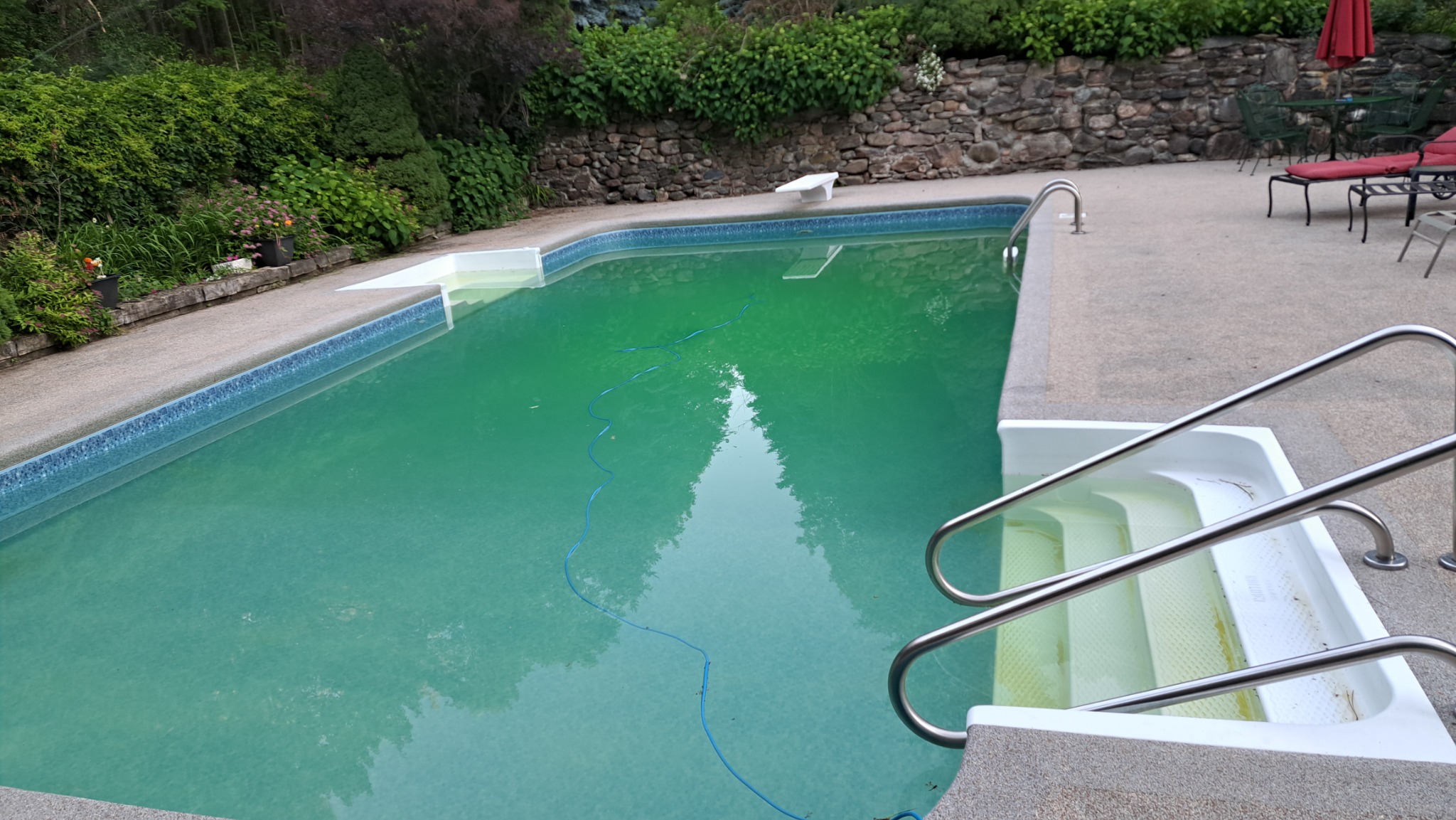
Do not forget home insurance.
A swimming pool can affect your home insurance because it represents both property and liability exposure.
The Insurance Bureau of Canada notes insurers consider swimming pools when evaluating a home and suggests discussing pools and spas with your insurance agent. Home insurance typically includes personal liability coverage, but buyers should confirm the amount and any conditions that apply to their particular property.
I would therefore confirm insurability and coverage before the purchase becomes firm, particularly if the pool has unusual features, an older enclosure, or a diving board.
A pool can be an asset if you know what you are buying.
A pool should not automatically discourage you from buying an otherwise suitable home.
For the right buyer, it can be one feature they enjoy most.
The key is to treat a house with a pool the same way you would treat the roof, furnace, septic system, or any other major property component. Understand its condition, determine what maintenance it needs, identify what may need replacement, and budget accordingly.
A well-maintained pool with good equipment and proper documentation looks very different from a pool neglected for years.
If you are buying a house with a pool after it’s already been closed for the season, the offer itself deserves particular attention. You may not be able to test everything before closing, so the agreement should acknowledge that.
For buyers considering a property with a pool in Kingston and the surrounding area, I can help you identify the right questions to ask, arrange the appropriate investigations, and ensure you consider the pool as part of the overall purchase rather than just admiring it from the patio.
Frequently asked questions about buying a house with a pool
What should I check before buying a house with a pool?
Before buying a house with a pool, look beyond the water’s appearance. Ask about the age and condition of the liner or finish, pump, filter, heater, plumbing, electrical components, fencing, and surrounding deck or patio. A pool specialist can also identify concerns that may not be obvious during a normal showing.
Is a house with a pool expensive to maintain?
A house with a pool will have additional ownership costs, including electricity, water, chemicals or salt, cleaning, seasonal opening and closing, and eventual equipment replacement. The pool’s size, equipment, heating, and how much maintenance you do yourself can make costs vary widely.
Can I buy a house with a pool in the winter?
Yes, but buying a house with a pool in winter requires some additional consideration. If the pool has already been closed and winterised, you may not be able to operate the pump, heater, filtration system, or other equipment before closing. Your REALTOR® should include suitable wording in the Agreement of Purchase and Sale to cover a pool that you cannot completely test.
Does a house with a pool require special insurance?
When purchasing a house with a pool, tell your insurance provider about the pool before your purchase becomes firm. Insurers may consider the pool, fencing, diving boards, slides, and other features when assessing the property and liability coverage. Confirming coverage in advance can prevent surprises after closing.
Is a saltwater pool easier to maintain?
A house with a pool that uses a saltwater system still requires regular maintenance. The saltwater chlorine generator produces chlorine from salt in the water, but owners still need to monitor water chemistry, clean the pool, maintain equipment, and eventually replace the salt cell. Saltwater does not mean maintenance-free.
Can I convert the pool after buying a house with a pool?
Many times, yes. After buying a house with a pool, you can often convert an existing traditional chlorine system by installing a saltwater chlorine generator and balancing the water appropriately. Before converting, have a pool professional check the pump, heater, plumbing, electrical system, liner or finish, and other equipment for compatibility.
Don’t miss these guides
Buying a house with a pool involves more than deciding whether you like the backyard. These guides provide additional information about inspections, ownership costs, maintenance, and the overall home-buying process.
Kingston and Area Home Buyers Guidebook 2026
A step-by-step look at buying a home, from financing and house hunting through offers, inspections, conditions, and closing.
Home Inspections: Know About Your Ideal Kingston Home
A closer look at what a home inspection can reveal, when additional specialist inspections may be worthwhile, and how buyers can better understand the condition of a property.
8 Hidden Costs of Buying a Home in Ontario
The purchase price is only part of homeownership. This guide looks at closing costs, inspections, insurance, maintenance, adjustments, and other expenses buyers should plan for.
Protect Your Home: Seasonal Maintenance Tips
Regular seasonal maintenance can help protect a home and reduce expensive repairs. This guide covers practical upkeep throughout the year, which is especially important in a climate with Kingston-area winters.
For more info, check REALTOR.ca: What to Think About When Buying a Home With a Pool