


Insulation has a greater influence on how comfortable a home is than most people realize. Homeowners often prioritize windows, furnaces, or AC, but the attic holds equal, if not greater, importance.
In Kingston’s climate, insulation problems can affect both your energy costs and how comfortable you feel at home. The combination of harsh winters, temperature fluctuations, and sweltering summers severely affects insulation and ventilation. When your space isn’t functioning correctly, the consequences commonly manifest as increased energy costs, rooms that are uncomfortably warm or cold, issues with moisture, and occasionally, damage to the roof.
For buyers and homeowners, issues are among the most common problems that arise during home inspections and pre-sale preparations. Understanding how these problems develop and what they mean for a home can help you make better decisions, whether you are buying, selling, or planning improvements.
Why the attic matters more than most people think
Your space sits between your living area and the outdoors. When insulation is thin, uneven, or outdated, heat moves more easily, making your home harder to heat and cool. Upgrading can restore comfort and confidence in your home’s efficiency.
Many homes in Kingston and the surrounding area predate modern insulation standards. Upgrading can improve comfort, reduce costs, and enhance your home’s value, making it a worthwhile investment.
Insulation depth: older homes versus today’s standards
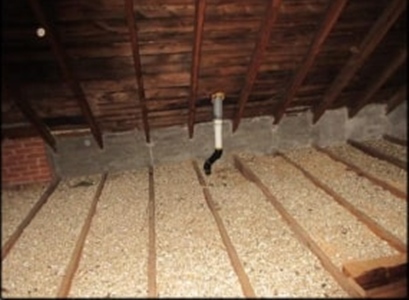
One of the most common issues in local homes is insufficient insulation. Many houses built before the mid-1990s still have attic insulation levels around R20 or R32. Sometimes, the insulation has settled over time, leaving even less adequate coverage than when it was first installed.
Proper insulation is crucial for maintaining energy efficiency and comfort levels in your home.
Today’s recommended levels are much higher. Insulation between R50 to R60 provides far better protection during the winter months and does a much better job of keeping heat out during the summer. Homes that reach these levels are noticeably more comfortable and usually cheaper to heat and cool, making upgrades a wise choice for Kingston homeowners.
Thin insulation is especially common near the eaves, around hatches, and near plumbing stacks or older light fixtures. These gaps create warm “escape paths” in winter and hot spots in summer, which can also contribute to other problems, such as ice dams and condensation.
Types of attic insulation found in Kingston and area homes
The insulation found in Eastern Ontario homes varies, reflecting their construction dates or renovation timelines.
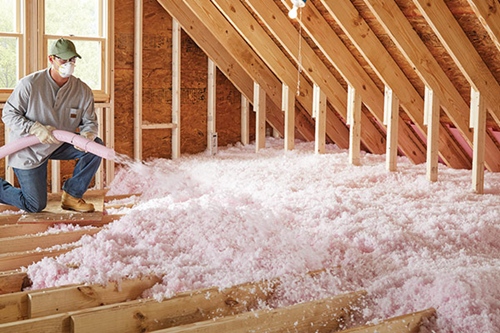
Many homes use fibreglass or mineral wool batts, also termed blanket insulation. When installed uniformly, these perform well, but renovations or wildlife can easily disrupt them. Blown-in cellulose is also very common, especially in homes that were upgraded during energy-efficiency programs in the 1970s and 1980s. It provides good coverage initially, but it often settles over time, reducing its effectiveness. Blown-in fibreglass is a more modern alternative that resists moisture and may cost less.
Spray foam insulation is most commonly used in basement rim joists and wall cavities, where air sealing is critical. It is now also being used in some spaces, usually as part of major renovations or energy-efficiency upgrades. When installed correctly, it provides a high R-value and creates an effective air seal, although it is still less common than blown-in or batt insulation.
Vermiculite and other older loose-fill materials
Some older Kingston and area homes still contain vermiculite insulation. Ontario widely used vermiculite from the 1940s through the mid-1980s, particularly in homes constructed between the 1920s and 1960s, and a second time during the 1970s energy crisis. Its use declined and eventually stopped when concerns arose about asbestos contamination in some products.
Experts consider vermiculite a potential asbestos source unless testing proves it safe. Homeowners can choose testing, removal, or encapsulation depending on their plans. Future sales must include disclosure of its presence, even when securely enclosed. Enviro Plus is one of the local companies that will test and can remove vermiculite for you.
It’s also important to know that older loose-fill insulation, like some early mineral or rock wool, might contain asbestos if made at a certain time. Testing is usually the best course of action when attic material is unidentifiable, to avoid health hazards and ensure correct handling before any work begins.
Proper insulation prevents moisture problems and maintains a healthier environment.
Common attic problems found in Kingston and nearby homes
From a homeowner’s point of view, many problems are invisible until someone actually goes up there. From a visual inspection below, the insulation might appear adequate, but it could still be sparse, inconsistently applied, or absent in crucial spots. Past renovations, wiring changes, or plumbing work often leave gaps that were never properly sealed or re-insulated.
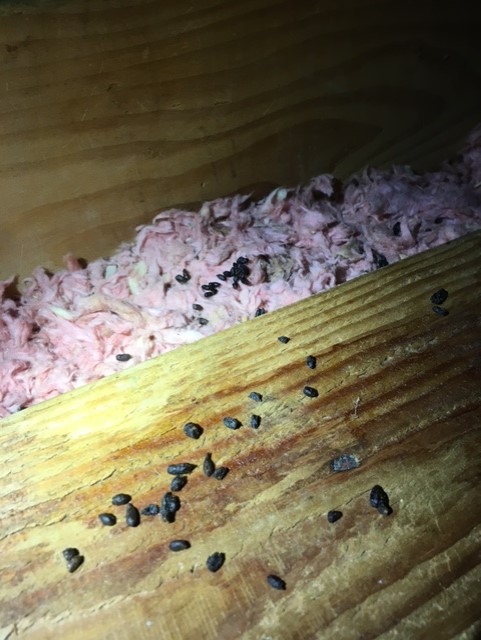
In rural and suburban parts of Kingston and Area, wildlife is another common factor. Mice, squirrels, and raccoons can flatten insulation, create tunnels through it, and damage vapour barriers or wiring. These diminish the effectiveness, potentially leading to more repair problems.
Ventilation: the other half of the system
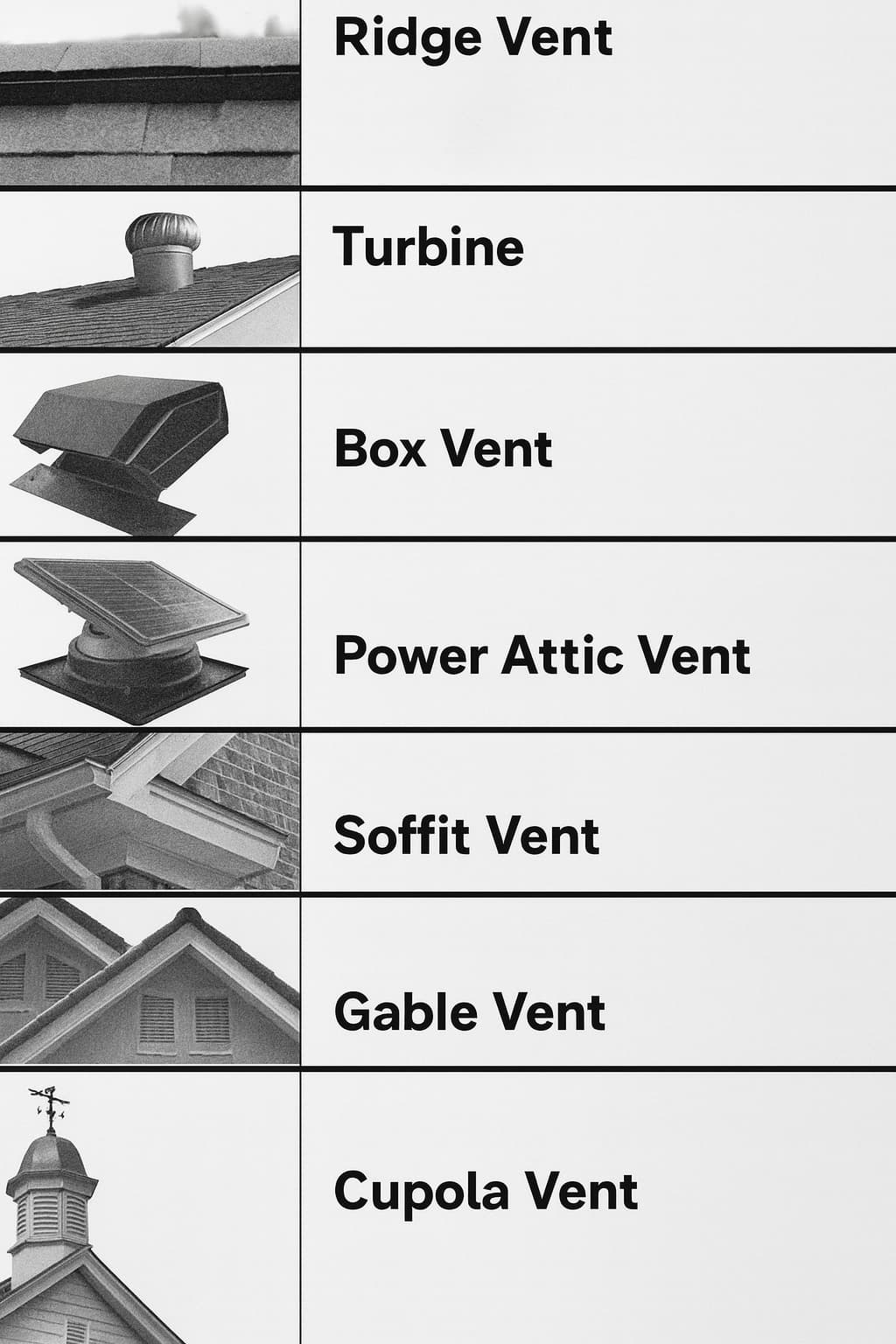
Insulation and ventilation cooperate. Proper airflow through soffits and roof vents keeps your space dry and stable, helping you feel in control of your home’s health year-round.
In many older homes, this balance is missing. Insulation can occasionally obstruct soffit vents. In other cases, there are simply not enough vents for the roof’s size or shape. Insufficient soffit intake or tiny gable vents in expansive attics can lead to poor air circulation.
Poor ventilation can lead to moisture buildup, higher summer temperatures, and early wear on roof materials. It also plays a role in some of the winter problems Kingston homeowners know all too well.
Moisture and condensation issues
Moisture is one of the most damaging forces in a space. Warm, humid air from the home naturally rises. Suppose it escapes into the area and comes into contact with a cold roof surface; condensation forms. In winter, this can show up as frost on nails or roof sheathing. When temperatures rise, that frost melts, dampening the insulation and the surrounding wood.
Many attic moisture problems start with improperly vented exhaust systems. Bathroom fans, dryers, and kitchen exhausts should discharge to the outdoors, yet in some homes they still vent into the attic or leak air through poorly connected ductwork. Over time, this moisture reaches the cold roof deck, leaving early signs such as light staining or darkened patches on the sheathing. These issues usually develop long before the homeowner realizes there is a problem.
Ice dams are a familiar sight in Kingston and the surrounding area during winters with heavy snow and frequent freeze-thaw cycles. They form when heat from the living space warms the roof, melting snow. The water runs down toward the colder eaves, refreezes, and gradually builds up into a ridge of ice. As more water backs up behind it, it can work its way under shingles and into the structure.
Regularly checking your attic for insulation issues can help you avoid extensive repairs in the future.
Ice dams are a familiar sight in Kingston and the surrounding area during winters with heavy snow and frequent freeze-thaw cycles. They form when heat from a warm space warms the roof, melting snow. The water runs down toward the colder eaves, refreezes, and gradually builds up into a ridge of ice. As more water backs up behind it, it can work its way under shingles and into the structure.
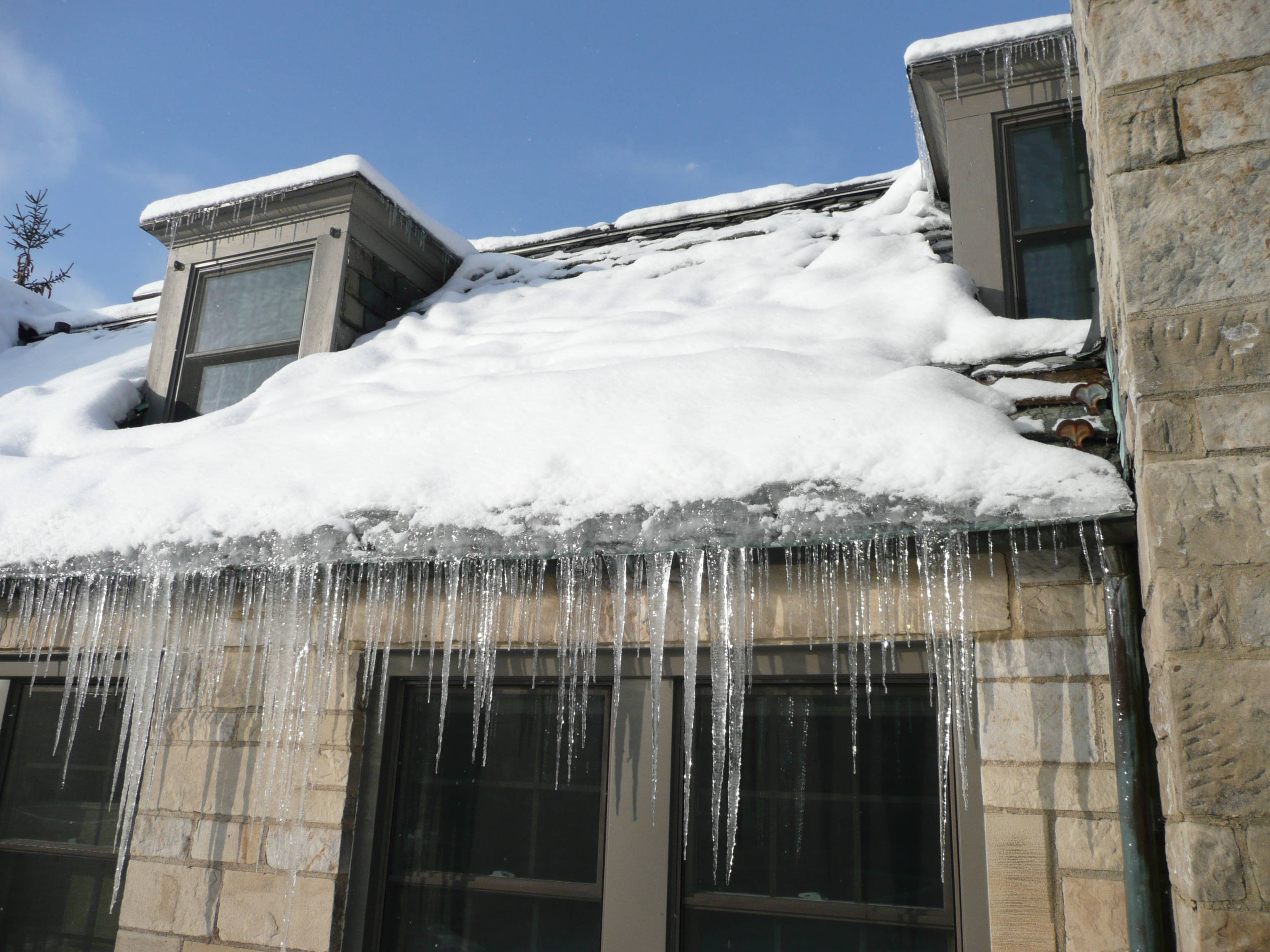
Better insulation and proper ventilation significantly reduce the risk of ice dams, although roof shape and sun exposure also play a role.
Why does it matter to a buyer or homeowner?
Home inspectors commonly flag issues. Sometimes they are minor and easy to address. In other cases, they can affect negotiations, timelines, or renovation plans. For sellers, dealing with known issues ahead of time can make a home easier to sell and reduce last-minute surprises. For buyers, understanding what is in the space helps avoid unexpected costs after closing.
Final thoughts
The attic may be out of sight, but it should never be out of mind. In Kingston and Area, where homes range from ancient to brand new, insulation and ventilation remain one of the most significant factors in comfort, efficiency, and long-term durability. Whether you plan to stay in your home for years or sell, ensuring your space performs properly is almost always a wise investment.
Frequently Asked Questions About Attic Insulation and Ventilation
How much attic insulation should a home in Kingston and the surrounding area have?
Most homes perform best with attic insulation in the R50-R60 range. Many older homes still have far less than this, often around R20 to R32, which can lead to heat loss, higher energy bills, and comfort issues.
Can I add new insulation on top of existing insulation?
Many times, yes. You can often add new insulation on top if the existing insulation is dry and in reasonable condition. Removing wet, mouldy, or contaminated insulation first is advisable.
Is vermiculite insulation always dangerous?
Not all vermiculite contains asbestos, but some does. Therefore, treat it as a potentially asbestos-containing material until testing confirms otherwise. If asbestos is present, you must also disclose it when listing the home.
How do I determine if my attic has poor ventilation?
Common signs include musty smells, frost or condensation in winter, boiling attic temperatures in summer, and uneven roof snowmelt. A home inspection can usually identify ventilation problems.
Do attic issues affect resale value?
They can. Home inspectors frequently note attic problems, and these problems may lead to repair requests or negotiations. Addressing known issues ahead of time can make a home easier to sell and reduce surprises.
Does poor insulation cause ice dams?
Poor insulation and ventilation are two of the main contributing factors. When heat escapes into the attic, it melts snow on the roof, which can refreeze at the eaves, forming ice dams.
Is it advisable to repair issues before selling my house?
Many times, yes. Improving insulation or correcting obvious ventilation problems can make a home more attractive to buyers and reduce the chance of complications during the inspection phase.
 Don’t Miss These Guides