



Wants and needs: what is the more important item in your wants and needs home search?
A major error for potential homeowners is beginning their property search without a clear grasp of their essential requirements.
Understanding your wants and needs can significantly improve your home-buying experience.
It is easy to get distracted by beautiful kitchens, backyard entertaining spaces, finished basements, or magazine-style decorating online. But after a few weeks of viewing homes, many buyers discover that the features they thought mattered most are often less important than location, monthly costs, commute times, storage, utilities, or the overall lifestyle a property provides.
As you navigate your wants and needs, remember that clarity is crucial.
That is where separating needs from wants becomes important.
A balance of wants and needs will help in making informed decisions.
Understanding the difference can help buyers stay focused, avoid financial stress, and make better long-term decisions during the home-buying process.
When you clarify your wants and needs, you can avoid unnecessary stress.
Start with how you actually live.

Prioritising your wants and needs is essential for a successful home search.
Every buyer enters the market with a different lifestyle, budget, and long-term plan. A downtown Kingston condo may be perfect for one person and completely impractical for another. Likewise, a rural property with acreage might sound ideal until winter driving, heating costs, hydro bills, internet reliability, and property maintenance become part of everyday life.
Your wants and needs will shape your overall buying strategy.
Before looking at homes online, buyers should think about how they truly live day to day.
Consider the balance between your wants and needs in your search.
For some households, commuting distance is a major factor. Buyers working at CFB Kingston, Queen’s University, Kingston General Hospital, or downtown offices may want to stay close to the city core to reduce driving time and fuel costs. Others may gladly trade commute time for more land, privacy, or lower purchase prices outside Kingston.
Understanding your wants and needs can influence your choices.
Family structure also affects priorities. Some buyers need extra bedrooms for children, aging parents, or extended family. Others are specifically searching for low-maintenance living, smaller yards, or properties better suited to downsizing.
Your wants and needs will evolve as you progress through the buying process.
Lifestyle needs have transformed over the past few years as well. Remote work has made home office space and reliable internet service far more important than they once were. Buyers who spend a lot of time at home often place greater emphasis on natural light, outdoor space, storage, workshops, or flexible living areas.
Differentiate between your wants and needs as you view properties.
These are not luxury items if they directly affect daily life.
Identifying your wants and needs can simplify the buying process.
The budget exceeds the purchase price.
Many buyers begin their search focusing almost entirely on the listing price. In reality, monthly ownership costs are often more important than the purchase price itself.

Mortgage payments are only part of the equation. Buyers also need to consider:
- Property taxes.
- Insurance.
- Utilities and heating costs.
- Water and septic maintenance.
- Internet services.
- Future repairs and upkeep.
- Commuting expenses.
- Condo fees, where applicable.
Consider the above factors when searching for a new home.
A home heated by natural gas in Kingston may have very different monthly costs than a rural property heated by propane, oil, electric baseboard heat, wood heat, or older HVAC systems. Buyers looking at country homes also need to consider wells, septic systems, backup generators, and hydro reliability, particularly after the recent ice storms and power outages across Eastern Ontario.
Many buyers who initially focus on cosmetic features later realize practical operating costs matter far more.
That is one reason articles such as “Match the Home You Buy to Your Budget,” “Credit Scores and Home Buying Power 2026,“ and “8 Hidden Costs of Buying a Home in Ontario“ continue attracting strong interest from local buyers. The true cost of ownership often surprises first-time market entrants.
Needs should come before cosmetic features.
Assess each property based on your wants and needs to ensure satisfaction.
A need is something essential for the property to function properly for your lifestyle.
But we must always weigh wants and needs in conjunction.
For one buyer, that may mean a main-floor bedroom or accessibility features. For another, it could mean a garage large enough for tools, recreational equipment, or winter vehicle storage.
Recognising your wants and needs is essential for a successful search.
Some common examples of true buyer needs include:
A solid understanding of wants and needs will lead to better decisions.
2. Enough bedrooms for family members.
3. An acceptable commuting time.
4. Safe parking and storage.
5. Heating systems suited to your budget.
6. Access to schools or services.
7. Space for pets or hobbies.
8. Low-maintenance living.
9. Waterfront access.
10. Room for future family changes.

In Kingston and Area, rural buyers often have entirely different priorities than urban buyers. A waterfront cottage or country property may offer incredible scenery and privacy. Still, they also involve shoreline regulations, septic system limitations, seasonal road maintenance, water treatment systems, and winter accessibility concerns that require careful evaluation.
Emphasising your wants and needs will enhance your home search experience.
That is why practical education matters so much during the buying process.
Several of your priorities may also change once you begin physically viewing homes. Buyers often discover that room sizes, layouts, storage, noise levels, ceiling heights, or traffic patterns feel very different in person than in online photos, highlighting the importance of balancing emotional wants with practical needs during viewings.
Wants are the emotional side of buying a home.
Wants continue to matter. Buyers frequently form emotional attachments to property because of it.
Features like upgraded kitchens, hardwood floors, walk-in closets, vaulted ceilings, finished basements, smart home systems, backyard patios, or beautiful landscaping can absolutely improve the everyday enjoyment of a home.
But wants should ideally fit within the framework created by your actual needs and financial comfort level.
One of the most common challenges buyers face is combining their preferred features into a single household budget range. In reality, nearly every purchase involves compromise somewhere.
A newer home may come with a smaller yard. Longer commutes and increased utility expenses might be necessary with a larger rural property. Convenience is a plus for a downtown Kingston location, but parking and storage could be issues. Waterfront homes may offer incredible views, but they also introduce insurance considerations, dock maintenance, shoreline rules, and seasonal upkeep.

Most buyers eventually discover that no property is completely perfect.
The goal is to find the right overall balance between lifestyle, location, condition, and affordability.
Market conditions also influence priorities.
Buyer priorities often shift depending on market conditions.
During highly competitive seller’s markets, buyers sometimes need to focus more heavily on core needs and long-term value rather than cosmetic details. In more balanced or buyer-friendly markets, purchasers may have greater flexibility to wait for preferred layouts, finishes, or neighbourhoods.
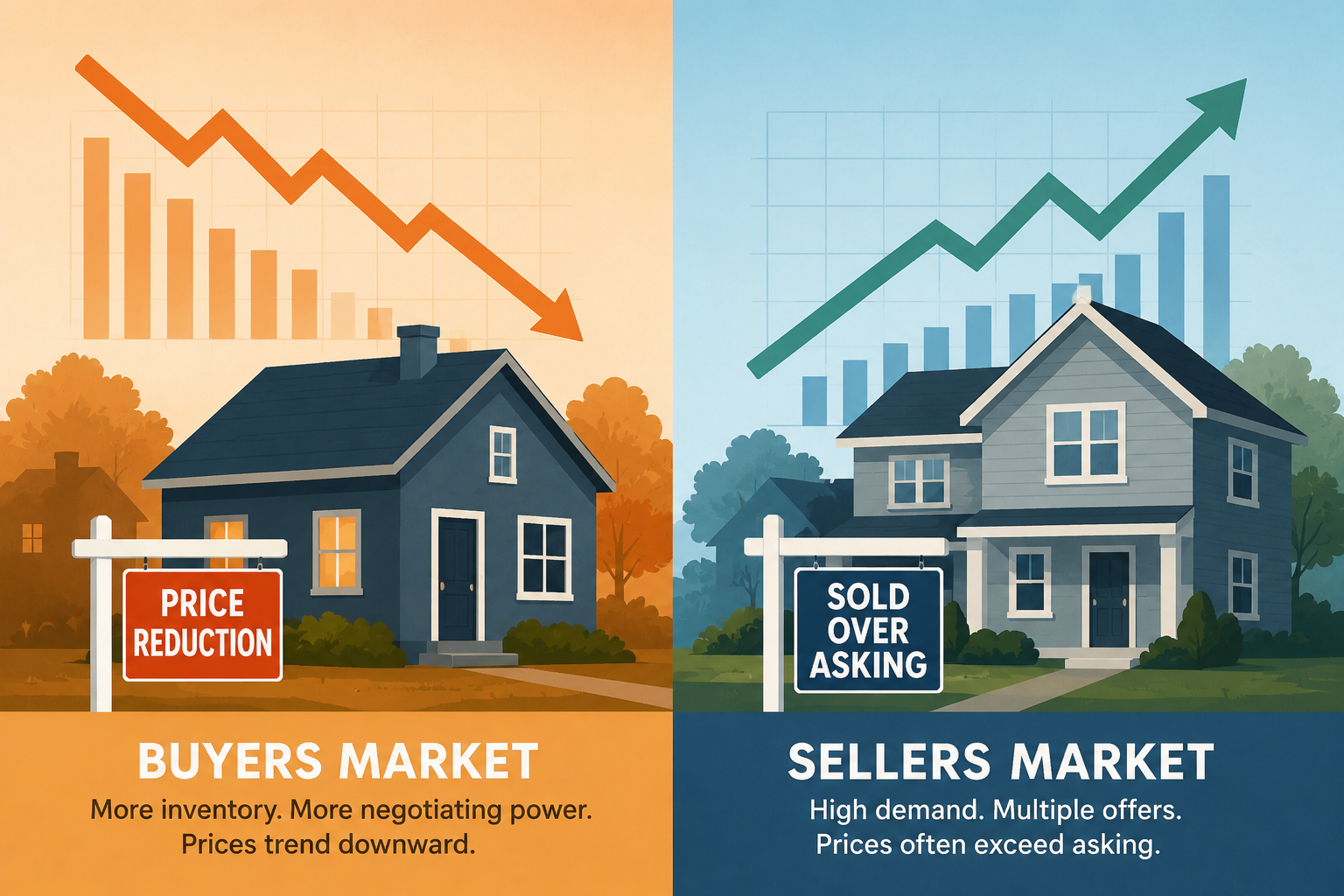
That is why understanding market conditions matters alongside understanding your personal priorities.
Articles such as Buyer, Seller, and Balanced Market Conditions, Rainy Day House Hunting, and Home Sale Deal Breakers all connect closely with this subject because they help buyers think beyond appearances and focus on how a property truly performs.
Older homes and fixer-uppers require realistic expectations.
Some buyers intentionally search for older homes or fixer-uppers because they want better locations, more character, or opportunities to build equity through renovations.
That strategy can work very well, especially in established Kingston neighbourhoods where lot sizes, mature trees, and location are difficult to replace.
However, buyers need realistic expectations when purchasing homes requiring updates.
A beautifully staged older property may still contain:
- Aging plumbing.
- Older wiring.
- Insulation deficiencies.
- Foundation concerns.
- Higher heating costs.
- Roofing issues.
- Moisture or drainage problems.
That is one reason home inspections remain so important, particularly for first-time buyers, rural homes, waterfront properties, and older homes with complex systems.
Your previously published articles on inspections, fixer-uppers, maintenance costs, and renovation ROI fit naturally alongside this discussion because they help buyers understand the difference between cosmetic appeal and long-term ownership realities.
Wants and Needs: Final thoughts
Most buyers do not purchase a home that checks every single box, and that is perfectly normal.
The best home-buying decisions usually happen when buyers clearly understand:
- What they genuinely need.
- What they would prefer.
- What they can comfortably afford.
- What trade-offs make sense for their lifestyle?
A home should support your daily life and long-term goals, not create ongoing financial pressure or regret.
Taking the time to separate needs from wants before beginning your search can help you make smarter, calmer, and more confident decisions throughout the buying process in Kingston and the surrounding area.
FAQ
What is the difference between a need and a want when buying a home?
A need is something essential for your daily lifestyle, budget, or long-term plans. Examples may include location, number of bedrooms, internet reliability, commute times, or heating costs. A want is a feature that would improve the enjoyment of the home but is not necessary, such as upgraded finishes, vaulted ceilings, or a finished basement.
Should buyers focus on needs before wants?
Yes. Most successful buyers begin by identifying the features they genuinely require before concentrating on cosmetic upgrades or luxury features. Understanding your financial comfort level, commute, family requirements, and long-term goals helps narrow the search more effectively.
How important is location when buying a home in Kingston and the surrounding area?
Location remains one of the most important factors in long-term satisfaction and resale value. Buyers should consider commute times, access to schools and services, neighbourhood feel, future development, and proximity to work, shopping, healthcare, or recreational areas.
Do rural homes in Kingston and the area require different considerations?
Absolutely. Rural properties often involve wells, septic systems, propane heating, generators, longer commutes, and varying internet availability. Buyers should carefully evaluate utility costs, maintenance requirements, and winter accessibility before purchasing a country property.
Do wants and needs change throughout the home-buying journey?
Very often. Many buyers search with cosmetic priorities in mind, but later place greater importance on layout, storage, operating costs, parking, or practical daily living concerns after viewing homes in person.
Is it realistic to find a home with everything on my wish list?
Most buyers eventually make compromises somewhere, whether involving price, location, lot size, finishes, or commute times. The goal is usually finding the best overall balance between affordability, lifestyle, condition, and long-term value.
Why do buyers sometimes regret focusing too much on cosmetic features?
Cosmetic upgrades are easier to notice during showings, but long-term ownership costs and functionality often matter more. Heating systems, roof condition, storage space, layout, parking, and utility costs can have a greater impact on daily life than decorative finishes.
Should first-time buyers leave room in their budget after closing?
Yes. Many first-time buyers underestimate expenses that arise after possession, including furniture, appliances, paint, repairs, landscaping, utility setup fees, and maintenance. Maintaining financial flexibility after closing can significantly reduce stress.
Don’t Miss These Guides
Balancing wants and needs is only part of the home buying process. These additional guides explore financing, inspections, deal breakers, buyer mistakes, and practical decision-making to help Kingston and Area buyers make more confident long-term choices.
20 Kingston Home Buying Questions: Ask Before Buying a Home (2026 Guide)
A practical guide covering the questions buyers should ask about costs, neighbourhoods, repairs, utilities, resale value, and long-term ownership before making an offer.
First-Time Buyer Mistakes to Avoid in the Kingston Area
Many buyers focus too heavily on cosmetic features while overlooking financing, inspections, monthly costs, or long-term lifestyle considerations. This guide explores some of the most common mistakes buyers make during their search.
Home Sale Deal Breakers
Some issues only become obvious after a showing, inspection, or deeper review of a property. Learn which warning signs can affect value, financing, insurance, or future resale potential.
Considering a Rent-to-Own Home Purchase?
For some buyers struggling with down payments or mortgage qualification, rent-to-own arrangements may provide another path into home ownership. Understanding both the advantages and risks is essential before signing an agreement.
Credit Scores and Home Buying Power
Your credit score directly affects mortgage qualification, interest rates, and overall purchasing power, often influencing what buyers realistically need versus what they initially want.