


Viewing a home on a rainy day offers greater insight than on a sunny day.

A home can look perfect in dry conditions, but wet weather reveals how it truly performs. For buyers in Kingston and the surrounding area, understanding water management issues can help you make more confident decisions about the property’s condition.
When it rains, you no longer have to guess how a property handles water. Seeing it in real time can give you a clearer sense of the home’s resilience, helping you feel more prepared and confident in your assessment.
Observe how water moves around the property during rain to identify potential drainage issues that could affect the home’s foundation. Start outside before you even step in.
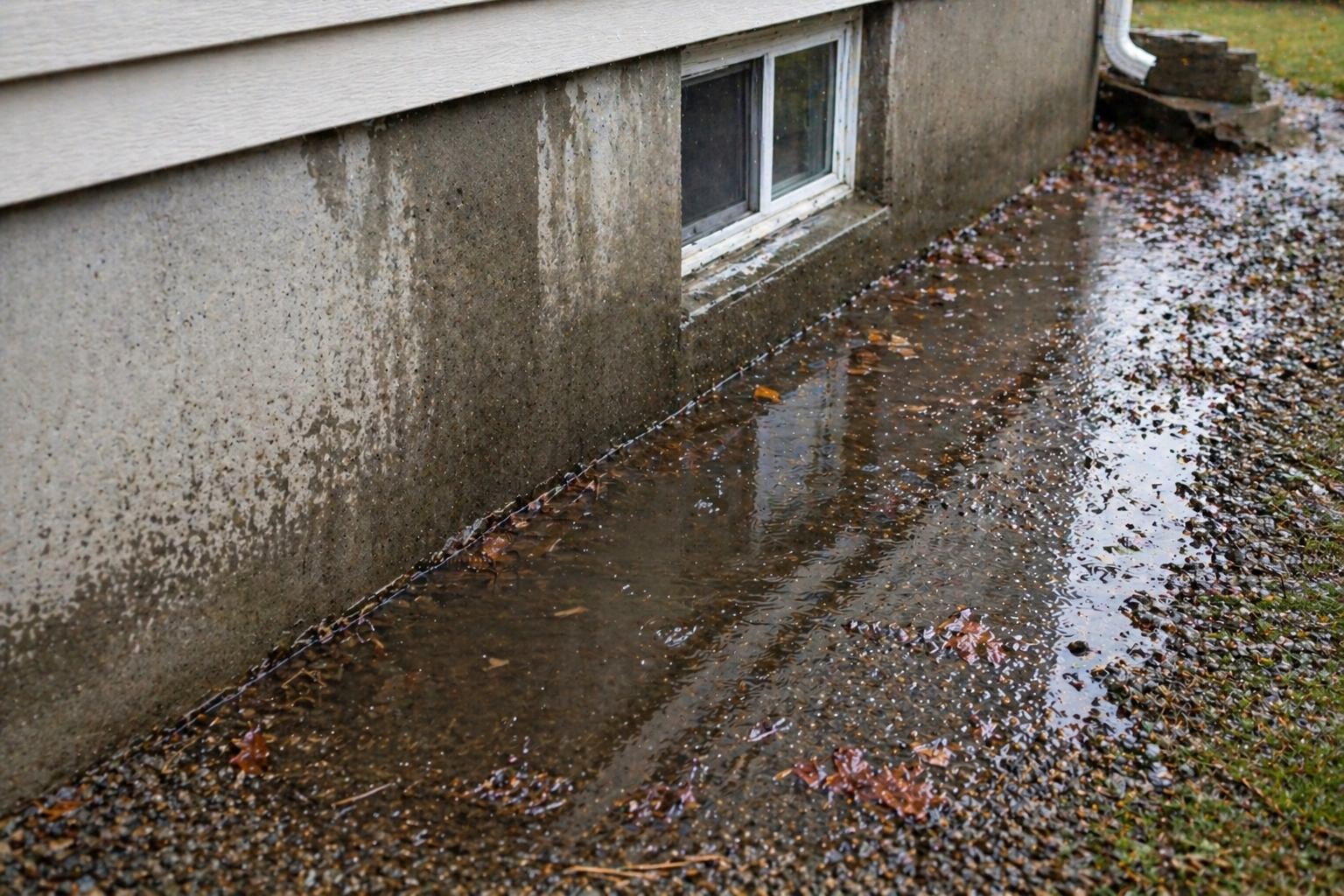
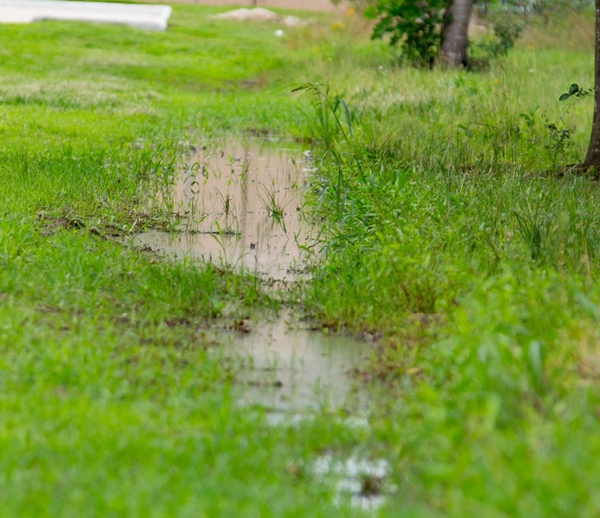
Look at how water behaves near the foundation. It should move away from the home rather than collect against it. Pooling water near the base of the house can point to grading issues that may lead to long-term moisture problems.
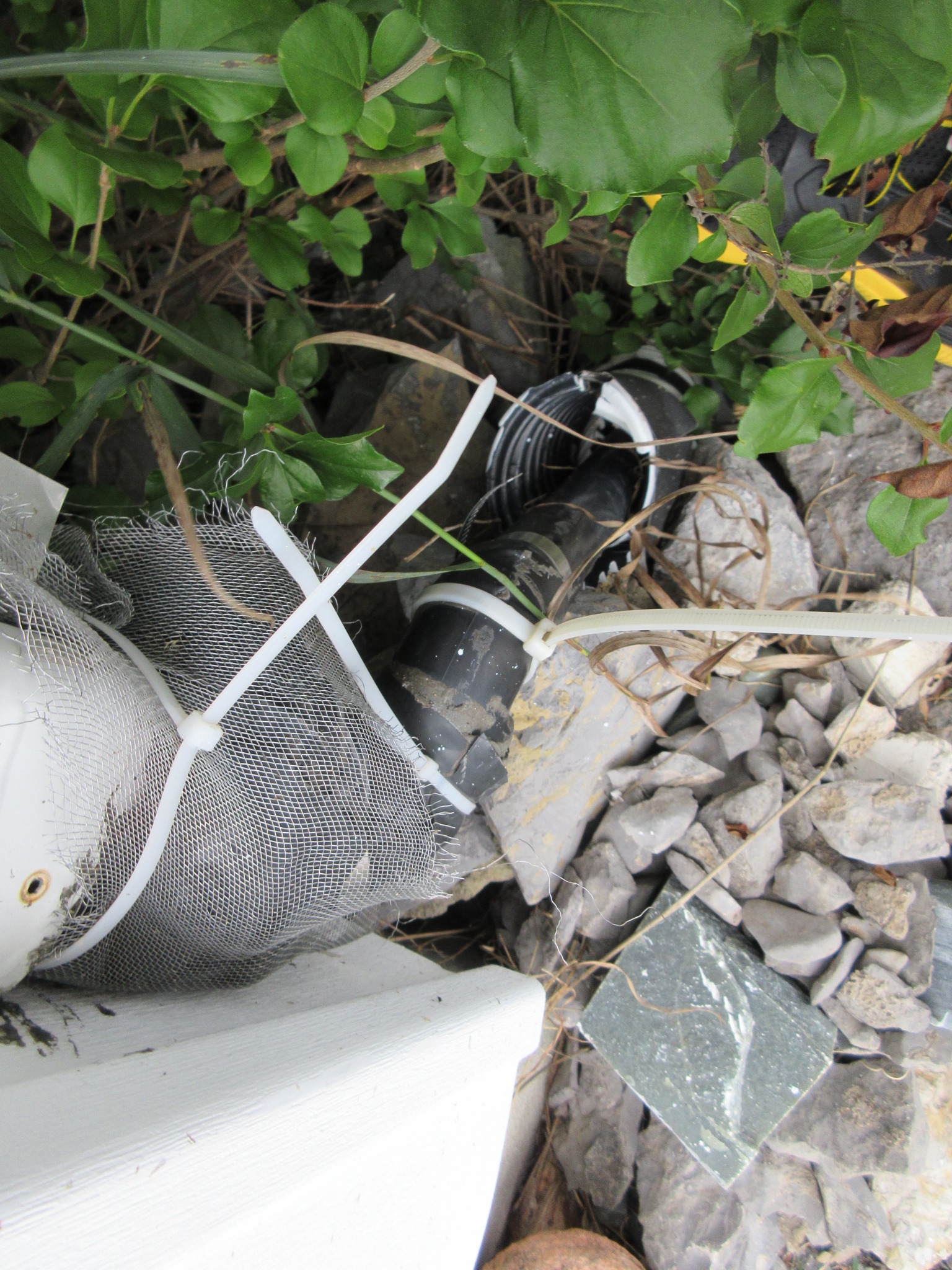
Check downspouts and eavestrough. They should carry water well away from the structure. If they discharge too close to the foundation, water can seep into the basement.
Even minor details, like low spots in the yard or water sitting near window wells, can tell you how the property handles heavy rain.
s
Pay attention to the basement.
Once inside, the basement becomes one of the most important areas to assess.
Rain makes it easier to spot drainage issues that might otherwise go unnoticed. You may see damp patches on unfinished block walls, darker areas near the floor, or faint streaking that suggests past water movement.
Sometimes, active seepage may be visible around basement windows or along the walls.
More often, the clues are subtle.
A musty smell is one of the most reliable signs. It suggests that moisture has been present, even if the space looks clean and dry at first glance.
Look beyond the surface.
Fresh paint and finished basements can hide past issues.
Rainy conditions help you look past cosmetic improvements and focus on how the home functions. Moisture problems do not always show up in listing photos or during a quick walk-through on a clear day.
Timing is crucial because rain reveals issues that dry conditions hide, giving you a more complete picture of the home’s water management.
Seeing a property in different conditions gives you a more complete understanding of what you are buying.
Addressing most issues is workable, but it will cost money.
Not every water issue is a deal breaker.
Improving the grading is an option. Extending downspouts is possible. Waterproofing solutions are available.
Understanding the scope of water-related issues before you commit helps you make informed decisions and set realistic expectations for your purchase.
A home that shows minor moisture signs may still be a solid purchase, but understanding the scope of water issues helps you set realistic expectations, your budget, and your offer accordingly.
Rain gives you information that helps you make those decisions with confidence.
Kingston and surrounding area considerations
In Kingston, especially in older neighbourhoods, groundwater and stormwater runoff can play a bigger role than many buyers expect. During heavy rain or rapid snowmelt, large volumes of water move through both the ground and the municipal system. In some areas, older infrastructure can become overwhelmed during wet conditions, which can contribute to water appearing around foundations, in yards, or in basements.
A mix of older homes, varied soil conditions, and seasonal weather patterns makes water management especially important across the region.
Homes in established neighbourhoods may have older foundations or drainage systems that do not perform as well as modern standards. Rural properties introduce different considerations, including grading over larger lots, well placement, and natural water flow across the land.
Even newer homes are not immune if they have drainage problems.
A rainy day helps you see how each property responds within its specific setting.
A better way to evaluate a home
A sunny showing highlights how a home looks.
A rainy showing shows how it works.
Buyers who take advantage of wet weather often gain a clearer picture of potential issues and future costs. That insight can prevent surprises after closing and lead to better long-term decisions.
Final thought
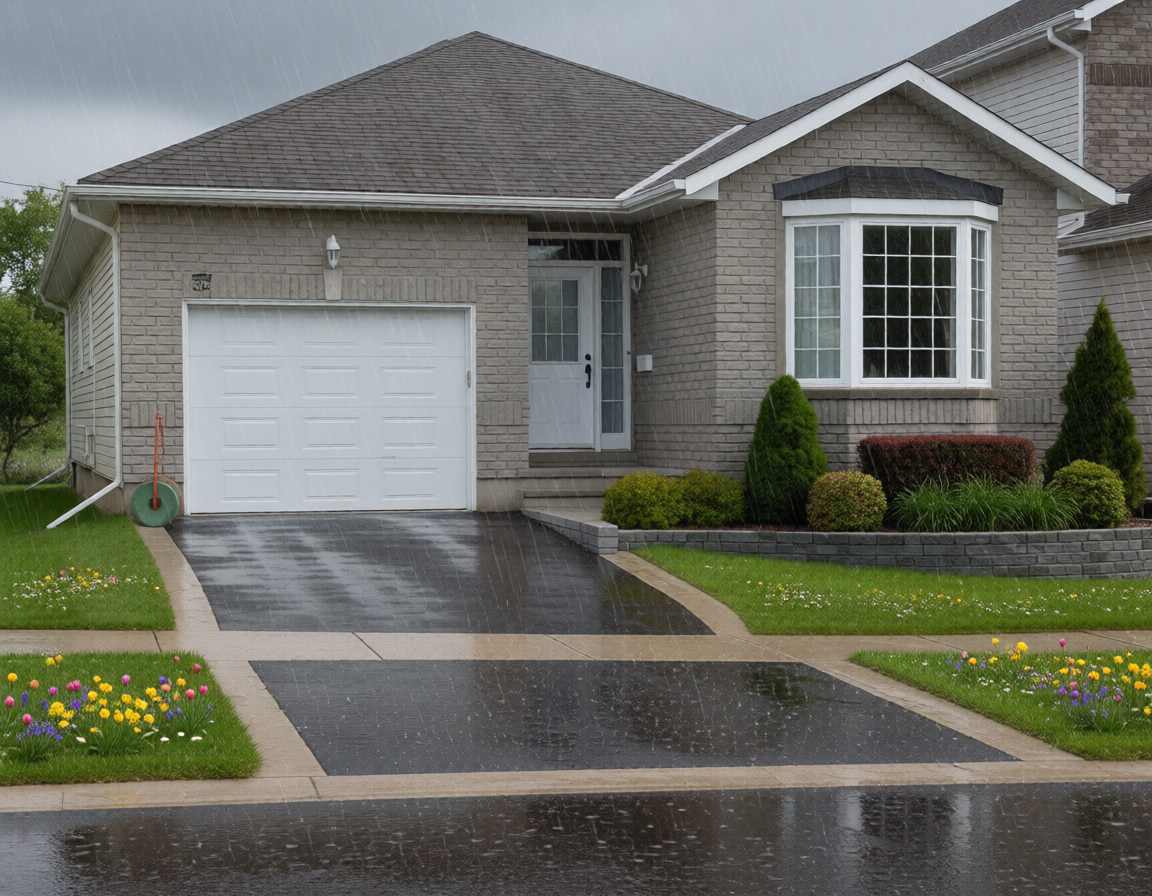
Seeing a home in the rain gives you a clearer understanding of how it performs beyond appearance. It helps you identify potential issues, understand future costs, and make a more informed decision before moving forward.
Frequently Asked Questions
Is it really better to view a home in the rain?
Rainy conditions reveal how a home handles water. You can see drainage patterns, check for pooling near the foundation, and notice any signs of moisture inside. These are things that are often hidden on a dry day.
What are the biggest warning signs during a rainy showing?
Water collecting near the foundation, downspouts that discharge too close to the house, and any visible seepage around basement windows or walls are all worth noting. Inside, a musty smell is often one of the clearest indicators that moisture has been present.
Should I avoid buying a home if I see moisture?
Not necessarily. There are many ways to address moisture-related issues. The key is understanding the cause and the cost to fix it. What matters is going in with clear expectations before deciding.
Can a finished basement hide water problems?
Yes. Finished spaces can conceal past or ongoing issues. That is why it is important to pay attention to smells, look for subtle signs like staining or uneven surfaces, and rely on a proper inspection.
Do newer homes have fewer drainage issues?
Newer homes can still have problems if correct grading and drainage were not done. Age alone does not guarantee proper water management.
How does this apply in Kingston and surrounding areas?
Local soil conditions, older housing stock, and seasonal weather patterns all affect how properties handle water. A rainy day can give you a better sense of how a specific home performs in its setting.
Don’t Miss These Guides
Understanding how a home handles water is only part of the picture. These guides expand on inspections, prevention, and costs so you can evaluate a property with confidence.
Water Damage Prevention in Kingston and Area
A detailed look at how water enters a home and the steps homeowners take to prevent damage, including grading, drainage, and maintenance.
8 Hidden Costs of Buying a Home in Ontario
Covers unexpected expenses, including repairs and ongoing maintenance that often come with moisture-related issues.
Protect Your Home: Seasonal Maintenance Tips That Pay Off
Outlines routine upkeep that helps prevent water problems over time, including exterior drainage and seasonal maintenance.
Home Sale Deal Breakers 2026
Outlines the issues that can stop a deal or significantly affect value, including moisture, water damage, and structural concerns buyers should not ignore