



Selling a home often sounds simple when people talk about it casually. Clean up the property, put it online, schedule a few showings, and choose the best offer.
In reality, the process is rarely that straightforward. The market itself is only one part of the equation. Many of the problems sellers encounter begin long before a listing appears online, and they usually come from small decisions that seemed harmless.
After more than a decade working with buyers and sellers across Kingston, Amherstview, Gananoque, and the surrounding communities, certain patterns appear again and again. Homes that sell smoothly and achieve strong results usually follow the same path, while those that struggle often run into the same avoidable problems.
Understanding those patterns early can make the entire experience far less stressful and often leads to a better outcome.
Here are ten mistakes that still appear regularly when selling a home in Kingston and the area.
1. Waiting too long to prepare the home
Preparation still plays a major role in how a property performs once it reaches the market.
Homeowners gradually become accustomed to the small things around them. A crowded closet, scuffed paint, dim lighting, or a dripping faucet may not seem important after years of living with them. Buyers notice these details immediately because they are seeing the home with fresh eyes.
Preparation rarely requires expensive renovations. Many times, the most effective improvements are simply cleaning thoroughly, removing clutter, addressing minor repairs, and ensuring the home is bright and welcoming. Buyers assume someone has given the same care to the parts of the house they cannot see when a property feels clean and well-maintained.
2. Renovating too much before selling
The opposite mistake happens more often than many people realize.
Some sellers believe they must completely update their home before putting it on the market. They replace kitchens, remodel bathrooms, or undertake major projects just months before listing.

Unfortunately, large renovations completed immediately before selling rarely produce the return people expect. Buyers frequently prefer to choose their own finishes or already plan to make changes after moving in. Strategic preparation usually works better than expensive upgrades.
Fix what buyers will notice. Refresh what feels tired. Major remodelling projects are often unnecessary.
3. Thinking marketing begins and ends with MLS®
The marketing of homes has transformed over the past decade.
Most buyers discover homes online long before they ever schedule a showing. They scroll listings on their phones, compare photos, and quickly decide whether a property is worth visiting in person. If the photos cannot capture attention, then the showing never happens.
Because of this, presentation has become extremely important. Users perceive a property online based on professional photography, accurate descriptions, and well-organized listing information.
Many listings today also use AI-assisted virtual staging to help buyers visualize empty rooms. Instead of physically bringing in furniture, digital tools can show how a space might look once furnished. One example is the platform available at Virtual Staging AI. The goal is not to mislead buyers but to help them understand how the room works while browsing listings online.
4. Hope-based pricing, not market-backed.
Pricing errors can cost sellers more money than almost any other decision.
Some homeowners set their price based on what they hope to walk away with. Others look at the highest asking price in the neighbourhood and assume their property should match it.
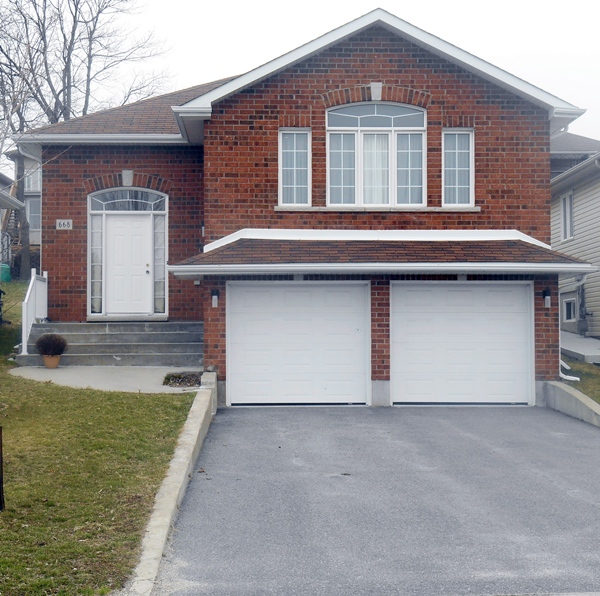
Buyers evaluate homes differently. They compare recently sold properties, location, condition, and current competition. When sellers price a home too aggressively, it usually receives fewer showings in the first weeks, which is when interest should be strongest. When a property stays on the market longer, buyers may suspect a problem, even if there isn’t one. Prices often drop afterward, diminishing the seller’s bargaining power.
A realistic price attracts attention early, when buyer activity is highest.
5. Overly limiting property viewings
Selling a home disrupts everyday life. There is no avoiding that.
Still, limiting showings too heavily can reduce the number of potential buyers who ever see the property. If the home offers only narrow viewing times or requires too much notice, some buyers will move on to other listings.
Flexibility makes it easier for agents to schedule visits and increases the likelihood that the right buyer will walk through the door.
Another related mistake is staying home during showings. Buyers often feel uncomfortable discussing the property freely when the owner is present. Leaving the home during showings allows them to explore the space more naturally.
6. Ignoring minor details that distract buyers
Minor issues inside the home can influence buyer perception more than sellers expect.
A lingering odour, worn caulking, cluttered storage spaces, or broken cabinet hardware may seem insignificant. To a buyer seeing the property for the first time, these details suggest that they may have neglected maintenance in other areas as well.

Most of these issues are inexpensive to correct. Addressing them before listing helps ensure buyers focus on the home’s strengths rather than minor distractions.
7. Letting emotions drive negotiations
Selling a home carries emotional weight. Buyers approach the process from a different perspective. They focus on value, condition, and future costs.
Occasionally, the first offer may arrive lower than expected. That does not mean the buyer is not serious. Many negotiations begin below the final sale price.
In stronger markets, the opposite problem can occur. Sellers may assume they can push endlessly when multiple offers appear. Either extreme can create unnecessary friction and sometimes cause deals to fall apart.
Successful negotiators stay calm and focused on the overall outcome rather than the opening number.
8. Hiring an agent for the wrong reason
Choosing the right REALTOR® has a significant impact on how smoothly a sale progresses.
Some sellers hire a friend simply because they already have a relationship. Others choose the agent who promises the highest price, assuming that confidence equals accuracy. Occasionally, the decision is based mostly on commission without fully understanding the level of service being offered.
Selling a home involves much more than listing it online. Pricing strategy, marketing presentation, showing management, negotiation, and paperwork all play important roles. Experience in the local market can make a noticeable difference in how a listing performs.
Before you choose an agent, take the time to ask about their marketing approach, recent sales experience, and how they will position the property in the current market.
9. Not planning the financial side of the move
Many sellers focus almost entirely on the ultimate sale price while overlooking the financial details surrounding the move itself.
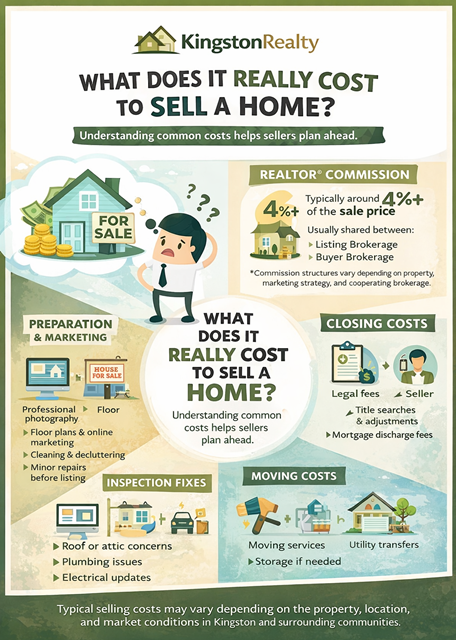
Selling a home involves more than just accepting an offer. There may be legal fees, moving costs, mortgage penalties, preparation expenses, and, sometimes, bridge financing if the next purchase closes before the sale.
These factors can influence both timing and pricing decisions. For example, knowing whether a mortgage penalty applies or whether bridge financing will be required can affect how comfortable a seller feels with certain closing dates.
Understanding the full financial picture before listing helps avoid surprises later and allows sellers to make clearer decisions during negotiations.
10. Testing the market without a proper plan
Occasionally, a homeowner lists their property to see what might happen.
While curiosity is understandable, listing a home without a logical strategy often produces disappointing results. A successful listing requires preparation, thoughtful pricing, and a clear understanding of what outcome the seller hopes to achieve.
When a property enters the market without that preparation, it can receive limited interest and accumulate days on market unnecessarily. Even if the seller later pursues a more serious strategy, the earlier exposure may have already affected buyer perception.
For homeowners still evaluating their options, starting with a market evaluation or consultation often makes more sense than launching a full listing immediately.
Final thoughts
Most sellers do not make one big mistake. Instead, several smaller decisions combine to weaken the listing.
When sellers carefully prepare, realistically price, effectively market, and easily show their homes, these homes usually perform far better in the market.
Understanding the process early allows sellers to avoid unnecessary stress and make decisions that protect both their timeline and their last sale price.
And because many homeowners are both sellers and buyers during the same move, it can also be helpful to understand the process from the other side of the transaction. If that applies to you, look at “First-Time Buyer Mistakes in the Kingston Area (2026)” as well.
Frequently Asked Questions About Selling a Home in Kingston and Area
How is the right asking price determined?
The most reliable guide is recent comparable sales in the same neighbourhood. Asking prices alone can be misleading because they reflect what sellers hope to achieve rather than what buyers actually paid. A good pricing strategy looks at recent sales, current competition, and the overall direction of the market.
Should I renovate before listing my home?
Most times, preparation is more important than major renovations. Cleaning, decluttering, and addressing visible maintenance issues usually produce a better return than large remodeling projects done immediately before selling.
When is the best time of year to sell in Kingston?
Spring and early summer see vigorous activity, but homes sell throughout the year. Pricing and presentation usually matter more than the exact month a property is listed.
Should I buy my next home before selling?
That decision depends on your finances and comfort with risk. Some sellers prefer the certainty of selling first, while others buy first to avoid temporary housing. Your REALTOR® and lender can help you evaluate the options.
How long does it usually take to sell a home in Kingston?
Market conditions change, but most well priced homes typically attract strong interest within the first few weeks. Proper preparation, accurate pricing, and effective marketing have a much greater impact on timing than the season alone.
Don’t Miss These Guides
If you are preparing to sell your home in Kingston and the surrounding area, these related articles may also help you plan your next steps.
Top 13 Home Renovations That Add Value in Kingston
Before starting any renovation project, it helps to understand which improvements buyers actually notice and which ones rarely pay for themselves. This guide looks at the upgrades that deliver the strongest return when preparing a home for sale.
7 Essential Ways to Maximize Curb Appeal in Every Season
First impressions matter. Buyers often form their initial opinion of a home before they even step through the front door. This article explores practical ways to improve exterior presentation throughout the year.
Preparing Your Home for Sale: Presentation, Privacy, and Security
Getting a home ready for the market involves more than cleaning and decluttering. This guide covers important preparation steps that protect both the home and the seller during the listing process.
Pre-Listing Home Inspection Benefits
Unexpected inspection findings can create challenges during a sale. A pre-listing home inspection helps sellers identify potential concerns before buyers do, reducing surprises and supporting more informed pricing and negotiation decisions.
Home Seller’s Handbook: Kingston and Area (2026)
A complete overview of the selling process, from preparing your home and pricing strategy to negotiations, closing, and moving.