


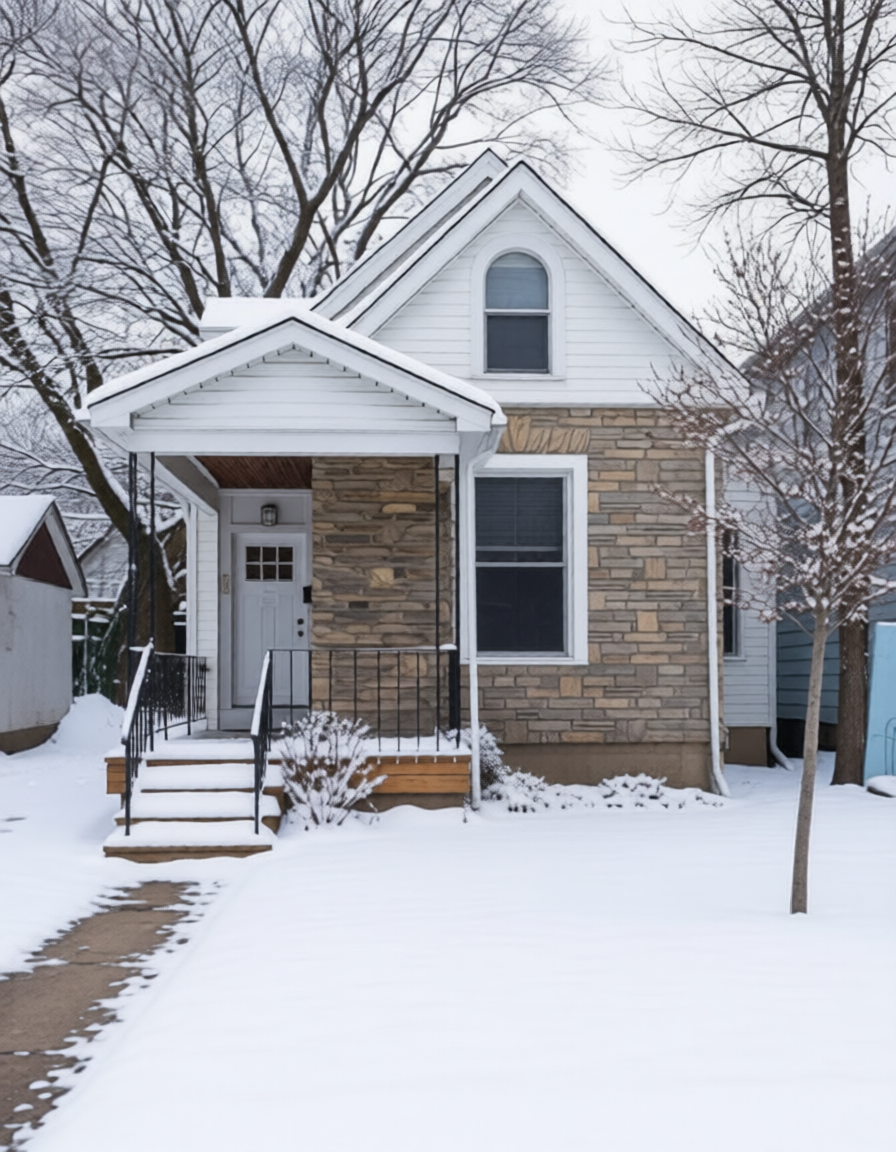
🏡 Your Home Is Talking—Are You Listening?
Home maintenance is one of the most important responsibilities of homeownership, yet it is often the easiest to postpone. A missing shingle, a clogged eavestrough, poor drainage around the foundation, or a small plumbing leak may not seem urgent today, but minor issues can become costly repairs if left unaddressed.
In Kingston and the surrounding area, homes face a wide range of seasonal challenges. Freeze-thaw cycles, heavy snow, spring runoff, humid summers, and autumn storms all place stress on roofing, foundations, insulation, windows, doors, and mechanical systems. What might remain a minor issue in a milder climate can quickly become a larger problem in our region.
Whether you own a century home in Kingston, a waterfront property on the Rideau System or St. Lawrence River, or a rural home with a well and septic system in Frontenac County, regular maintenance helps protect your investment, improve energy efficiency, and reduce unexpected repair costs.
This guide outlines the key systems homeowners should monitor, the seasonal maintenance tasks that matter most, and the improvements that can help preserve both comfort and long-term property value.
🏠 Roofs, Eavestrough, and Drainage Maintenance
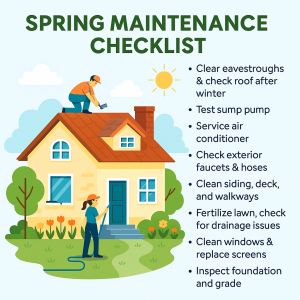
Your roof is your home’s first line of defence against rain, snow, wind, and ice. Even small roofing problems can allow moisture to enter the structure, leading to damaged insulation, stained ceilings, mould growth, and expensive repairs. At least twice each year, and after major storms, inspect your roof for cracked, curled, loose, or missing shingles. Pay particular attention to flashing around chimneys, plumbing vents, skylights, and roof valleys, as these are common locations for leaks to develop.
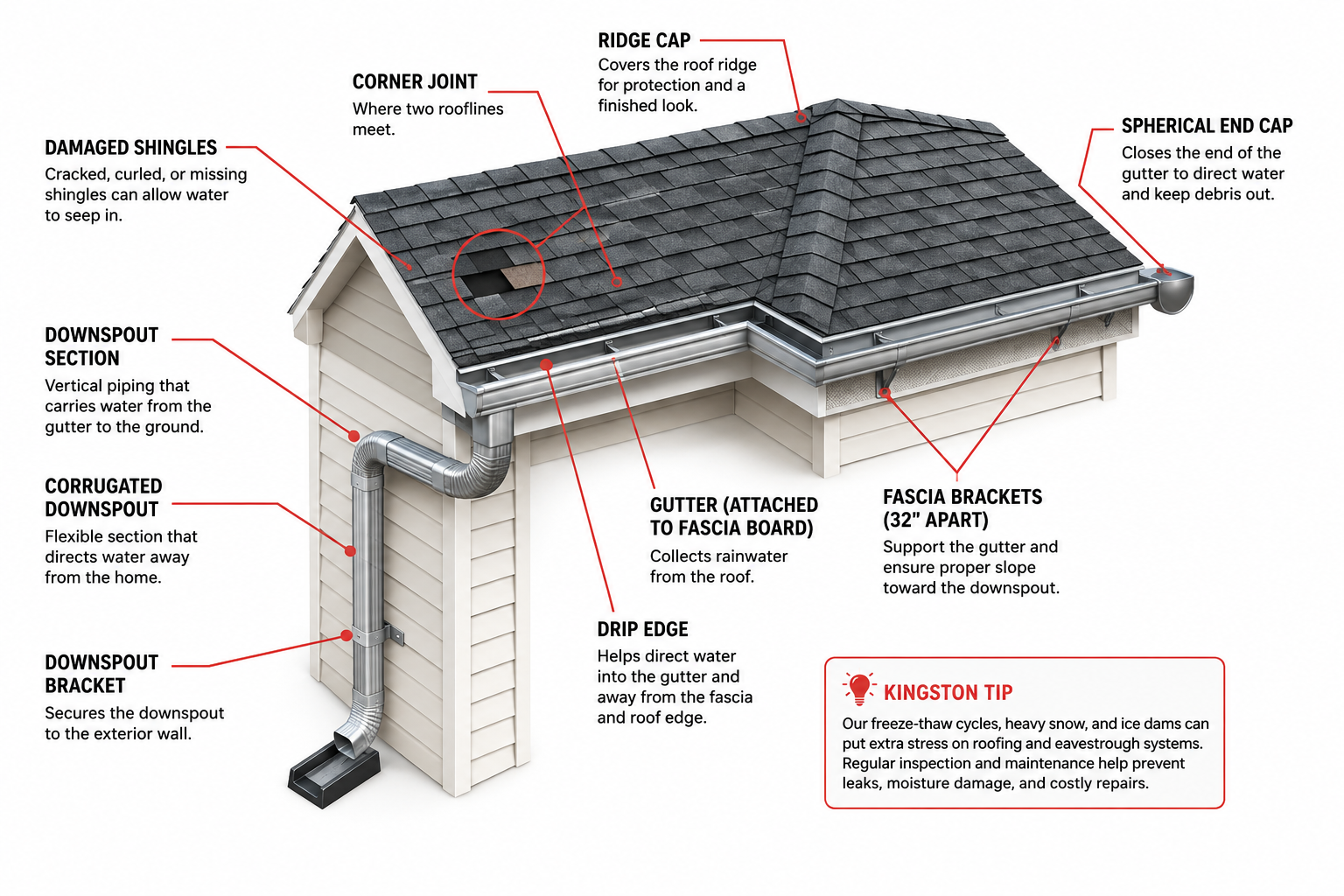
The eavestrough and downspouts are just as crucial. If the roof doesn’t properly channel water away from the home, it can still cause foundation issues, basement moisture problems, and erosion around the home. Clean the eavestrough in the spring and fall, and ensure downspouts discharge several feet away from the foundation.
In Kingston and the surrounding area, winter conditions create additional challenges. Heavy snow accumulation, repeated freeze-thaw cycles, and ice damming can all place stress on roofing systems. Ice dams occur when heat escaping from the attic melts snow on the roof, which then refreezes near the eaves. Proper attic insulation and ventilation help reduce this risk while improving overall energy efficiency.
Homeowners should also watch for signs that a roof may be near the end of its service life, including excessive granule loss, sagging areas, recurring leaks, or visible deterioration. Addressing problems early is almost always less expensive than waiting for water damage to appear inside the home.
As metal roofing has become more affordable, it has become an increasingly popular option for many Kingston-area homeowners. Metal roofs, though more expensive upfront than asphalt shingles, offer outstanding durability, require less upkeep, and have a longer lifespan. They are particularly well-suited to rural and waterfront properties where exposure to wind, snow, and changing weather can be more severe. For homeowners planning to remain in their property long term, a metal roof may be worth considering as part of a future replacement plan.
🏠Foundation, grading, and water management
Water is one of the most common causes of home maintenance problems and one of the most expensive issues to correct once damage occurs. Poor drainage around a home can contribute to basement leaks, foundation movement, mould growth, and long-term structural concerns. Regular inspections and correct grading can help avoid many water issues.
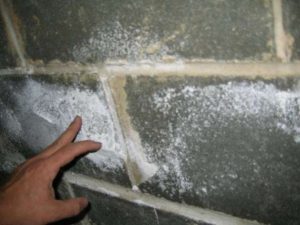
Start by examining the exterior foundation walls each spring and fall. Look for visible cracks, staining, efflorescence (the white powdery residue sometimes found on masonry surfaces), or areas where soil has settled away from the home. In the basement, watch for damp spots, musty odours, peeling paint, or water stains, which may indicate ongoing moisture intrusion that needs prompt attention.
Proper grading is one of the simplest and most effective ways to protect a foundation. The soil around your home should slope gently away from the structure, at least [6 inches] over [10 feet]-so that rainwater and snowmelt drain outward rather than collecting beside the foundation. Even a slight negative slope can allow water to pool against foundation walls, increasing the risk of leaks and moisture damage.
Downspouts should discharge well away from the home, ideally at least several feet from the foundation. Downspout extensions and splash pads are inexpensive improvements that can significantly reduce concentrated runoff and help prevent erosion around the property.
Many homes in Kingston and the surrounding area experience heavy spring runoff as snow melts and seasonal rains arrive. Inspecting grading and drainage before these heavy periods can help homeowners feel prepared and in control, avoiding expensive repairs later.
🌧 Foundation & Grading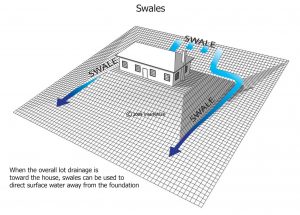
Swales, which are shallow landscaped channels designed to redirect surface water, can be effective on properties with drainage challenges. When properly installed, they help move water away from foundations and toward safe drainage areas. This relatively simple improvement can help reduce basement moisture problems and protect the long-term health of your home.
🌬 Air Leaks, Insulation & Ventilation
Many homeowners assume that energy efficiency is only a concern in older homes. Even relatively new houses can lose a surprising amount of heat through small air leaks and inadequate insulation. Heated air escapes in winter and cooled air leaks in summer through openings such as attic hatches, sill plates, plumbing penetrations, recessed lighting, electrical outlets, windows, and doors. Over time, these small openings can increase utility costs and place additional strain on heating and cooling systems.
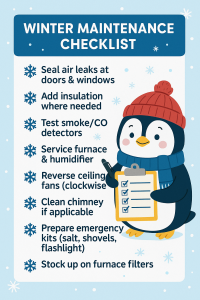
A careful inspection of accessible areas can reveal many of the most common trouble spots. Adding weatherstripping around attic access points, replacing worn door seals, sealing gaps with quality caulking, and installing foam gaskets behind outlet covers on exterior walls are relatively inexpensive improvements that can noticeably improve comfort and energy efficiency.
The attic deserves particular attention. Even distribution of insulation, free from gaps, compression, or disturbance, is necessary. Inadequate insulation can contribute to higher heating costs, uneven temperatures throughout the home, and an increased risk of ice damming during winter. Homes in Kingston and the area often experience significant temperature swings throughout the year, making proper insulation especially important.
Ventilation is equally critical. A well-ventilated home helps control moisture, reduce condensation, and improve indoor air quality. Bathroom fans, kitchen exhaust systems, dryer vents, and attic ventilation should all function properly and vent to the exterior. Poor ventilation can contribute to mould growth, excessive humidity, and the premature deterioration of building materials.
From a resale perspective, air sealing and insulation improvements often offer among the best returns on investment for homeowners. Lower utility bills, improved comfort, and greater energy efficiency are features many buyers actively look for when comparing properties. Energy-saving upgrades offer lasting advantages, unlike cosmetic changes.
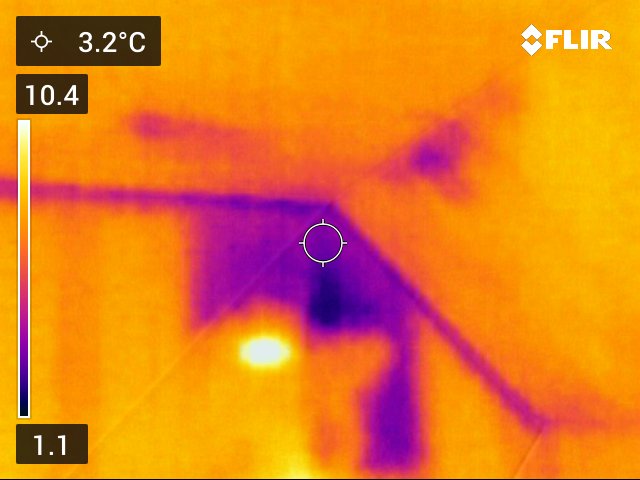
Modern thermal imaging technology can often reveal hidden insulation deficiencies, air leaks, and moisture problems that are difficult to detect with the naked eye. Many professional energy audits and some home inspections use infrared cameras to identify areas where heat is escaping or moisture may be present behind walls and ceilings. Identifying these issues early can improve comfort, reduce utility costs, and help prevent more significant repairs in the future.
💧 Plumbing, Moisture, and Septic Systems
Small plumbing problems can create significant damage if left unattended. A slow drip beneath a sink, a leaking toilet seal, or a minor leak around a tub or shower enclosure can gradually damage flooring, weaken cabinetry, and contribute to mould growth behind finished surfaces. Homeowners should periodically inspect under sinks, around toilets, and along the edges of bathtubs and showers for signs of moisture, staining, soft materials, or musty odours.
Plumbing leaks do not always cause moisture problems. Foundation seepage, poor drainage, and seasonal groundwater conditions can also allow water to enter a basement. Watch for signs such as water staining, damp areas, mould growth, or efflorescence, the white powdery residue that sometimes appears on foundation walls. It’s important to examine these warning signs before they grow into more serious concerns.
For homes with septic systems, regular maintenance is essential. Regularly pump most septic tanks every three to five years; however, household size and water usage will influence how often you need to do it. Delaying maintenance can increase the risk of backups, drain field failure, and expensive repairs. Homeowners should also keep surface water away from the septic bed and avoid driving vehicles, parking trailers, or placing heavy objects over the system.
Homeowners should periodically inspect the septic bed itself. Soggy areas, standing water, unusually lush patches of grass, sewage odours, or slow-draining fixtures inside the home can all show potential problems. Identifying warning signs early may help prevent costly repairs or replacement of the septic system.
If your property includes a sump pump, test it each spring before heavy rainfall begins. Many sump pits contain water year-round, in which case lifting the float mechanism is often the simplest way to verify that the pump activates and discharges properly. If the pit is dry, adding water to the basin can confirm that the system is functioning correctly. A working sump pump can help prevent basement flooding and reduce the risk of water damage during spring runoff and heavy storms.
Taking care of plumbing systems, controlling moisture, and maintaining drainage equipment can help protect both your home’s structure and your indoor air quality. Small maintenance tasks today are often far less expensive than repairing water damage tomorrow.
🔌 HVAC & Electrical
Heating and cooling systems work hard throughout the year in Kingston and the surrounding area. Winter cold, summer humidity, and seasonal temperature swings place continuous demands on furnaces, heat pumps, air conditioners, and ventilation equipment. Regular maintenance helps these systems operate efficiently, improves indoor comfort, and can extend their service life.
Homeowners should schedule a professional HVAC check-up and tune-up once a year to catch minor issues early and prevent costly repairs during extreme weather.
As a homeowner you should also replace or clean air filters regularly, typically every three months, or more frequently in homes with pets, renovations, or higher dust levels. Clean filters improve airflow, reduce strain on equipment, and can help lower energy consumption while improving indoor air quality.
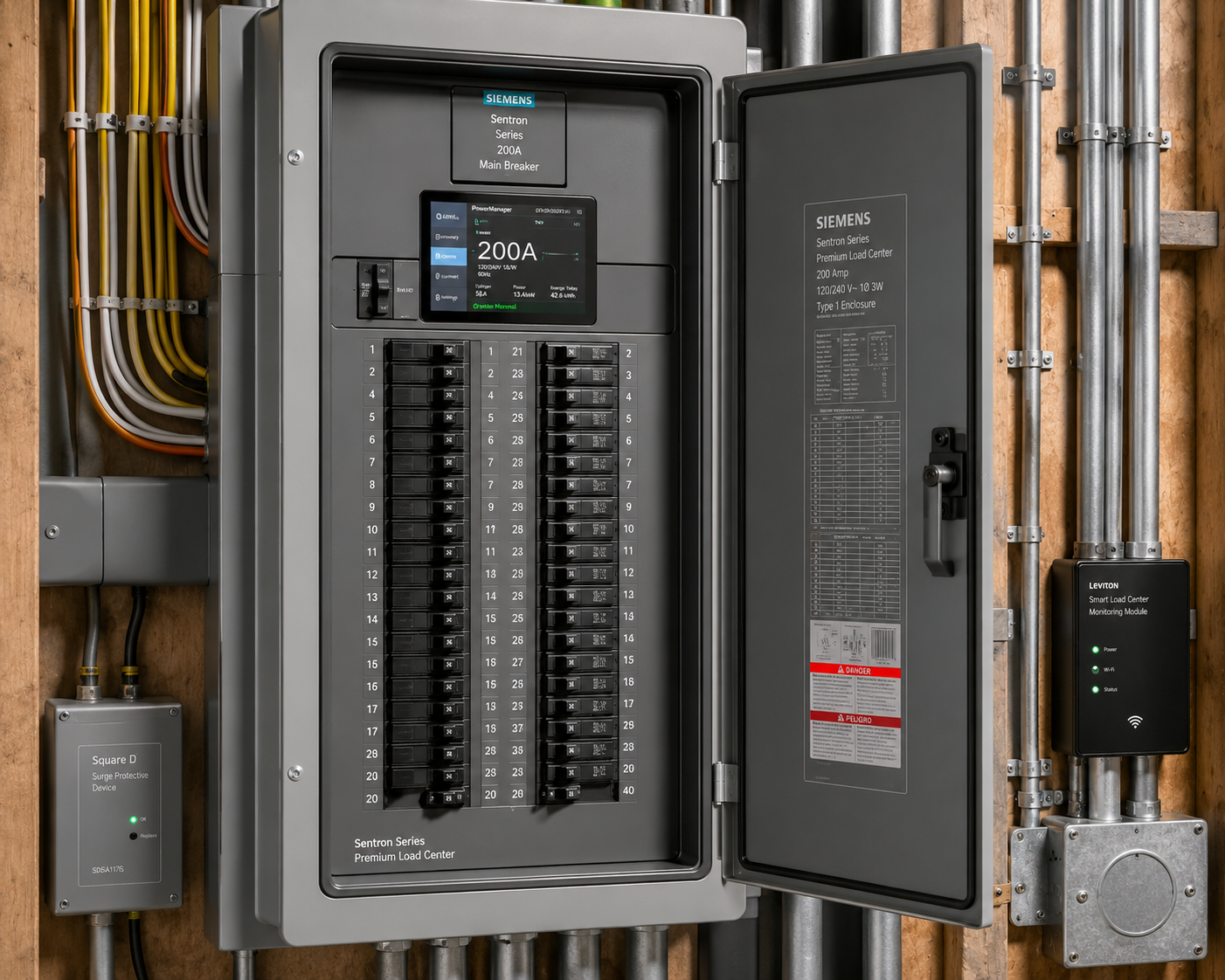
Electrical systems deserve equal attention. During home inspections, older electrical panels, outdated fuse systems, aluminum wiring, overloaded circuits, and amateur electrical work are common concerns. While electrical upgrades may not be as noticeable as a kitchen renovation, they can significantly improve safety, reliability, insurability, and buyer confidence.
Modern electrical panels also provide flexibility for today’s homeowners. As more households add heat pumps, electric vehicle chargers, home offices, workshops, and other high-demand equipment, sufficient electrical capacity becomes increasingly important. A properly maintained and adequately sized electrical system helps support both current needs and future upgrades.
From a resale perspective, well-maintained mechanical and electrical systems often reassure buyers. They may not be the most visible improvements in a home, but they can help reduce inspection concerns and show responsible ownership.
🪟 Doors, Windows & Exterior Maintenance
Your home’s exterior is its first defence against rain, snow, wind, sunlight, and changing temperatures. While many homeowners focus on major systems such as roofing and heating equipment, exterior finishes play an equally important role in protecting the structure from moisture damage and energy loss.
At least once each year, inspect windows and doors for cracked or missing caulking, deteriorated seals, damaged weatherstripping, and signs of water intrusion. Small gaps around frames can allow moisture, drafts, and insects to enter the home while reducing energy efficiency. Replacing worn caulking and weatherstripping is one of the simplest and most cost-effective maintenance tasks a homeowner can perform.
You should also examine exterior wood trim, fascia boards, and window frames for peeling paint, soft spots, rot, or signs of insect activity. Moisture often damages small, overlooked areas and can spread quickly if people delay repairs. Keeping painted surfaces properly sealed helps protect wood from the effects of weather and extends the life of exterior finishes.
Siding and cladding deserve regular attention as well. Look for cracked, loose, warped, or damaged sections that could allow water to penetrate behind the exterior surface. After severe windstorms, it is worthwhile to perform a quick inspection of the entire exterior to identify damage before moisture problems develop.
Kingston and its surrounding areas endure diverse weather throughout the year. Summer heat, winter cold, driving rain, snow accumulation, and repeated freeze-thaw cycles can all take a toll on exterior materials. Routine inspections and timely repairs help prevent minor issues from becoming expensive structural repairs.
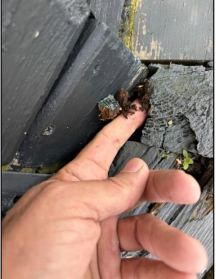
Well-maintained windows, doors, siding, and trim improve curb appeal, but their greatest value lies in protecting the building envelope. A home that effectively keeps water and air where they belong is often more comfortable, more energy efficient, and less likely to experience costly maintenance issues in the future.
📈Home improvements that pay off?
Many homeowners assume that major renovations automatically increase property value, but that is not always the case. When preparing to sell, routine maintenance often delivers a better return than expensive upgrades. Buyers focus first on the condition of the home, not on luxury features.
Address fundamental aspects before planning a major renovation. A leaking roof, moisture problems, deteriorated windows, outdated mechanical systems, or visible maintenance issues can raise concerns during showings and inspections. Addressing these items often provides a greater return than installing premium finishes or highly customized features.
Improvements that often provide good value
- Roofing repairs or replacement when needed.
- Correcting drainage and moisture problems.
- Updating older heating, cooling, or electrical systems.
- Improving insulation and energy efficiency.
- Fresh, neutral paint throughout the home.
- Modest kitchen and bathroom updates that improve function and appearance.
- Repairing damaged siding, trim, doors, and windows.
These improvements help reassure buyers that the home has been well-maintained and reduce the likelihood of concerns arising during a home inspection.
Improvements that may not fully recover their cost
- Luxury swimming pools.
- Highly customized landscaping projects.
- Imported finishes and premium materials that exceed neighbourhood expectations.
- Specifically designed hobby/interest rooms
- Over-improving a home for the surrounding market.
While these projects may improve enjoyment for the current owner, they do not always translate into higher sale prices.
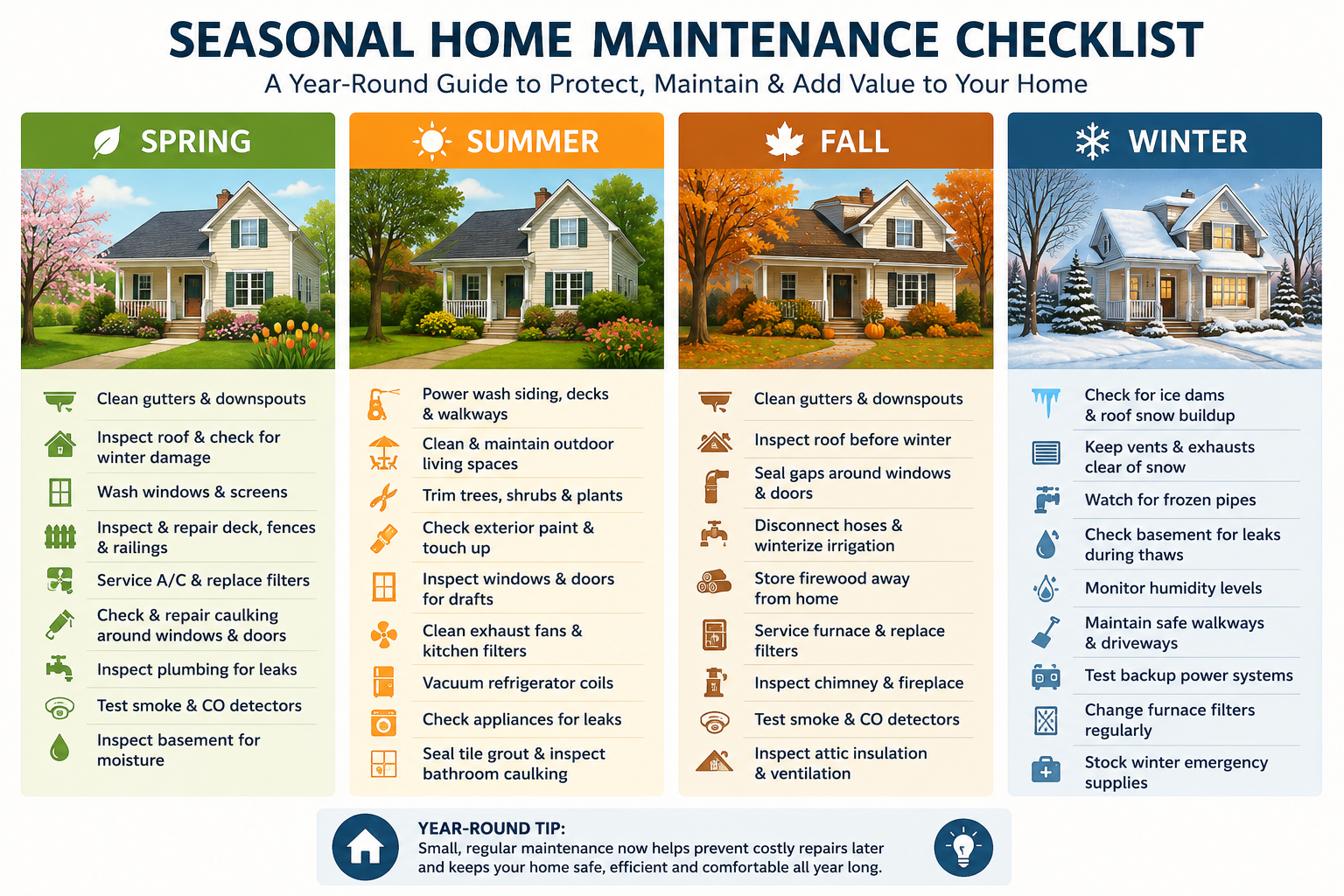
Here is the Ontario Builders’ Guide to great and not so great upgrades
The best approach is to evaluate improvements based on local market conditions, comparable sales, and your plans. For buyers in Kingston and the surrounding area, a home’s appeal increases with cleanliness, good upkeep, energy efficiency, and the absence of significant repair needs. Strategic improvements often outperform expensive overhauls when it comes time to sell.
_________________________________________________________________________
📞 Let’s Connect
Are you looking for help in prioritizing your tasks? Alternatively, are you looking for reliable local contractors to manage home repairs prior to listing? I can connect you with experts who have assisted many clients in the Kingston area.
https://publications.gc.ca/collections/collection_2017/schl-cmhc/NH15-32-2003-eng.pdf
________________________________________________________________________________________________________________________
FAQ
How often should I do seasonal home maintenance?
At a minimum, twice a year, in spring and fall. Most homeowners benefit from smaller checks each season, especially in climates like Kingston where weather changes are significant.
What maintenance issues do buyers notice most?
Water-related issues, roof condition, and signs of deferred maintenance. Buyers might not always identify these problems, but they influence the home’s perceived value.
Does regular maintenance affect resale value?
Yes. A well-maintained home shows better, attracts stronger offers, and reduce issues during inspections. Deferred maintenance often leads to price adjustments.
What are the most important seasonal checks for homeowners?
Roof, drainage, foundation, heating and cooling systems, and exterior sealing. These areas cause the most problems if left unattended.
Should I complete maintenance before selling my home?
Most times, yes. Addressing visible issues ahead of time improves buyer confidence and can prevent negotiation problems later.
Can seasonal maintenance prevent home inspection issues?
Often, yes. Many inspection findings come from routine maintenance that was delayed or overlooked.
________________________________________________________________________________________________________________________
Don’t miss these guides
If you’re thinking about maintenance, upgrades, or preparing your home for sale in Kingston and the surrounding Frontenac, Lennox, and Leeds communities, these guides will help you focus on what actually matters.
Smart Home Upgrades That Boost Resale Value
A closer look at which upgrades improve efficiency and buyer appeal, and which ones don’t deliver the return many homeowners expect.
Preparing Your Home for Sale: Presentation, Privacy, and Security
Simple, practical steps to get your home ready for the market, including how maintenance and presentation affect buyer perception.
Pre-Listing Home Inspection Benefits
Many issues identified during home inspections result from deferred maintenance. A pre-listing home inspection can help sellers identify potential concerns early, allowing them to address problems before buyers discover them during the sale process.
Water Damage Prevention–Kingston Area 2026
How to manage grading, drainage, and seasonal risks to prevent one of the most common and costly issues homeowners face.