


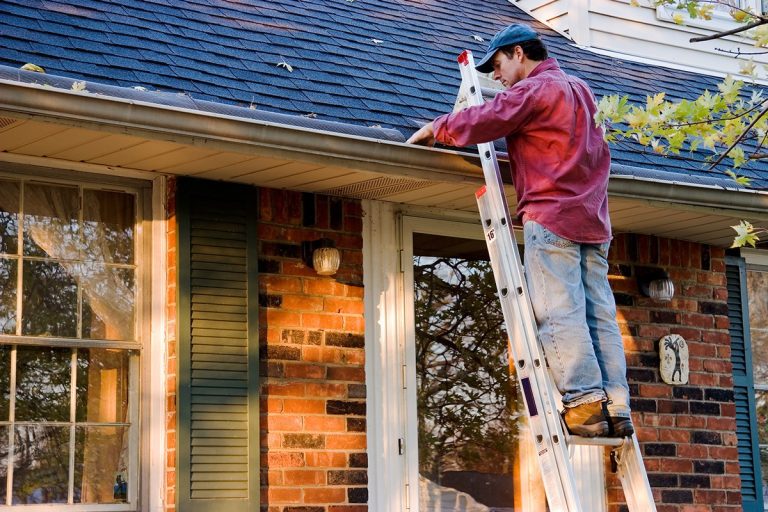
Homeowners in Kingston and surrounding areas are facing rapidly increasing maintenance costs and are seeking budget-friendly solutions that don’t compromise quality. If your home maintenance budget keeps creeping up, you’re not imagining it. Labour is tight, materials are pricier than they were pre-pandemic, and many homes in Kingston and area (including Verona, Odessa, Napanee, South Frontenac) are aging into their “fix-me” years. The positive news is that strategic changes can save you a substantial amount of money without risking your most valuable possession.
Regular upkeep is essential for preserving your property’s value, ensuring safety, and managing maintenance costs effectively.
Here are practical Canadian tips I offer clients, focusing on safety, durability, and market value.
21 ways to cut maintenance costs (safely)
Understanding the importance of upkeep can lead to significant long-term savings.
Understanding and planning for maintenance costs can lead to significant long-term savings.
1) Start with a short annual walkthrough
Once each spring and fall, walk the property with a notepad: roof, eaves, grading, exterior caulking, foundation, attic, plumbing under sinks, GFCIs/AFCIs, sump pump, and shut-off valves. Minor issues found early are cheap; late discoveries aren’t.
2) Build a 1%–2% maintenance reserve
For most detached homes, earmark 1%–2% of the purchase price per year for upkeep. It smooths out surprises and helps you book work at off-peak times (often cheaper).
Setting aside funds for maintenance costs can prevent surprises.
3. Prioritize water management
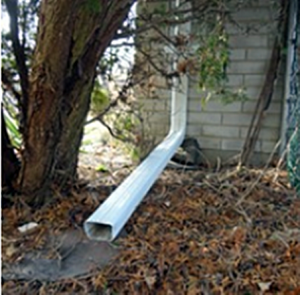
Water is the #1 home wrecker. Keep downspouts extended 6–10 feet from the foundation, clear gutters each spring/fall, and ensure proper grading away from the house. Cheap now; priceless later.
Managing water properly will ultimately reduce maintenance costs.
4) Change furnace filters on schedule
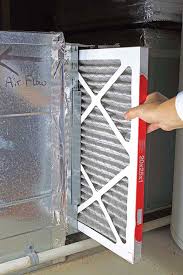
Clogged filters stress equipment and drive up hydro/gas costs. Set a reminder (monthly check, replace every 1–3 months depending on pets/renovations).
Regular filter changes can help in reducing maintenance costs.
5. Seal the envelope
Weatherstripping, door sweeps, attic hatch gaskets, and a weekend of exterior caulking can lower bills and reduce condensation issues that lead to mould.
Investing in proper sealing can significantly lower your overall maintenance costs.
6) Tune-ups beat breakdowns
Tune-ups beat breakdowns
Annual service on HVAC, HRV/ERV, and fireplaces costs far less than emergency calls. A furnace service contract with a yearly fee can save you hundreds if a breakdown occurs, especially on a chilly night. Technicians catch minor issues before they turn into costly repairs, keeping your warranty valid. This is not a DIY job (other than changing filters); call a trusted local professional.
Regular tune-ups can keep your maintenance costs down.

For reliable local service, check:
7) Compare quotes apples-to-apples
Ask for itemized quotes including product model numbers, warranties, scope, and disposal fees. Most of the time, 2–3 quotes will point out the outlier in our region.
Acting early can help reduce future repair expenses.
8) Buy shoulder-season
Roofing, HVAC installations, and exterior work often cost less in spring/fall. Reserving in advance also ensures you get superior crews.
9) Consider heat pumps for older homes
In many local houses without ductwork, a cold-climate mini-split can cut operating costs and add summer comfort. Check current rebates (federal/provincial programs vary).
Considering energy-efficient solutions can reduce maintenance costs significantly.
10) Choose durable finishes
Metal roofing is becoming more cost-competitive, and quality underlayments and composite porch materials help reduce long-term expenses, especially for rural, lakefront, or windy locations.
Choosing durable materials can keep maintenance costs low in the long run.
11) Prevent sewer surprises
In older Kingston streets, talk to your plumber about a backwater valve and camera inspection before finishing a basement. Cheap compared to a backup claim.
12) Know what inspections don’t cover
A standard home inspection is visual and non-invasive. For septic (pump & inspect), wells, aluminum wiring, vermiculite/asbestos, or UREA-formaldehyde foam, bring in specialists early.
Understanding what inspections cover can help manage future maintenance costs.
13) DIY where it’s safe
Painting, simple caulking, dryer-vent cleaning, and swapping shut-off valves (if you’re comfortable) are good DIYs. Entrust gas, main electrical, structural, and roofing work to professionals.
Effective DIY strategies can help keep maintenance costs manageable.

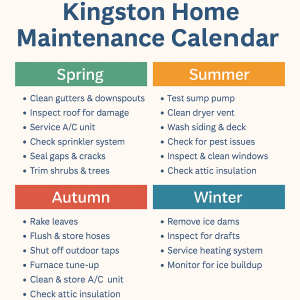
14) Use a maintenance calendar
Split tasks across the year: spring (gutters, grading), summer (exterior paint/caulk), autumn (furnace service, hose bibs), winter (ice dam watch, humidity balance).
A well-planned maintenance calendar can reduce unexpected maintenance costs.
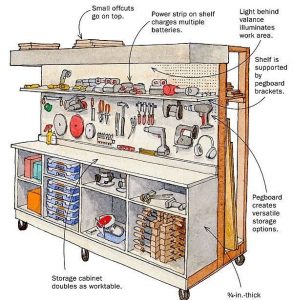
15) Create a parts shelf
Keep furnace filters, plumber’s tape, silicone, outlet gaskets, a spare sump pump, and a labelled bin of O-rings/washers. The $12 part you have beats a $180 call-out.
Having spare parts on hand can prevent high maintenance costs from emergency repairs.
16) Mind the humidity
Target 30–50% RH. Too high = mould and window rot; too low = gaps and cracked finishes. Use bath fans (timer switches help) and vent dryers outdoors.
17) Extend appliance life
Vacuum fridge coils, level your washing machine, clean dishwasher filters, and run a monthly hot vinegar cycle. Small chores = fewer service calls.
Maintenance Tip: Run a monthly hot vinegar cycle in your dishwasher (cup of vinegar on the top rack, hot cycle) or washing machine (2 cups in the drum, hot cycle, no laundry) to clear buildup and odours.
Some fixtures and appliances have widely available parts and better local service coverage, handy when time matters.
Roof before insulation, insulation before HVAC sizing, and grading before basement finishing. Proper order = right size = lower costs.
20) Keep records
A tidy folder (or cloud note) with invoices, model/serial numbers, and service dates helps with warranty claims and boosts buyer confidence at resale.
21) Don’t over-improve for the street
Nice finishes sell, but super-premium choices in a modest block often won’t return dollar-for-dollar. Match the neighbourhood.
Quick ROI notes (when you’re selling soon)
-
High return: minor exterior repairs, paint, lighting, deep clean, landscaping touch-ups, sealing the driveway, service records ready.
-
Medium: attic insulation top-up, mid-range bath refresh, modest kitchen tune-ups (hardware, faucet, backsplash).
-
Luxury stonework counters, ultra-custom cabinets, and niche tech hold less importance in this context.
Thinking of listing in the next 6–12 months? I can assess the house and identify the highest-value additions for our market.
Frequently Asked Questions
How much should homeowners budget for maintenance each year?
Most homeowners should plan for 1% to 3% of their home’s value annually. For a $600,000 property, that works out to roughly $6,000 to $18,000 per year. Older homes, rural properties, and waterfront homes often fall toward the higher end because of added systems and environmental exposure.
Over time, what are the most costly maintenance expenses?
Major systems and infrastructure usually incur the largest costs. Major systems and infrastructure usually incur the largest costs. Roofing, heating and cooling systems, septic systems, wells, and water treatment equipment require long term planning. These are not yearly expenses, but they are unavoidable.
Are there rebates or programs available to help with maintenance costs?
Some Ontario homeowners may qualify for energy efficiency programs and utility incentives. These programs change regularly, so it is important to confirm current eligibility through official sources or qualified contractors before deciding.
What’s the best strategy for managing maintenance expenses?
The best strategy is to perform maintenance proactively. Performing routine cleaning, sealing, grading, and maintenance on mechanical systems prevents major repairs and prolongs the lifespan of crucial parts.
How should homeowners plan for future repairs?
Consider upkeep a long-term plan, rather than a reaction to problems. Setting aside a reserve fund and tracking the age of major components allows homeowners to prepare for repairs before they become urgent.
Do maintenance needs vary across Kingston and area neighbourhoods
Yes. Older urban homes in areas such as Kingscourt, Inner Harbour, and downtown often require more attention, particularly with electrical systems, insulation, and structure. Newer subdivisions may have fewer immediate concerns, but all homes move into regular upkeep cycles as they age.
Don’t Miss These Guides
These related guides expand on maintenance planning, system performance, and long-term ownership costs across Kingston and the surrounding area.
Home Inspections: What Buyers Need to Know
Understanding a home’s condition is the starting point for managing maintenance costs. This guide explains how inspections identify current issues and highlight future expenses.
Smart Home Upgrades That Boost Value
Some improvements reduce operating costs while supporting resale value. This guide focuses on upgrades that improve efficiency and durability in Kingston and area homes.
A Kingston Area Guide to Wells and Septic Systems, 2025-26
Rural properties require additional planning. This guide explains how wells, septic systems, and water treatment systems affect maintenance schedules and long term costs.
Protect Your Home: Seasonal Maintenance Tips
Seasonal upkeep plays a major role in preventing larger repairs. This guide outlines practical steps homeowners can take throughout the year to protect their property.
Preparing Your Home for Sale: Presentation, Privacy, and Security
Proper maintenance directly affects how a home presents to buyers. This guide explains how preparation and upkeep influence both value and buyer confidence.
________________________________________________________________________________________________________________________Before wrapping up, one simple but often overlooked safety point is how extension cords are used in the home. They are convenient, but not designed for high-powered appliances. This quick video highlights a few common mistakes and how to avoid them.