



Eastern Ontario seldom experiences a gentle winter start; although when it starts varies from year to year. One day the sky is calm; the next, snow is sweeping across the road and visibility drops in minutes. You might leave work under clear skies, then need to inch along Highway 401 through blowing snow before you reach your exit.
Temperatures swing quickly as well. Freezing rain can coat the pavement. Conditions downtown may be completely different only a few kilometres north.
If you live, work, or shop in this region, driving should never be a surprise. It is something you prepare for. Your vehicle becomes your link to everything else: work, family, school, and home.

Ensure you have appropriate winter tires.
I switch to proper tires every fall. I usually schedule a synthetic oil change at the same time.
Rubber that grips well at 20°C hardens in the cold. Once temperatures fall below about seven degrees, all-season tires lose flexibility and traction.
Transport Canada testing shows snow tires stop significantly sooner than all-season tires on icy roads. They also recommend installing four matching snow tires, not just two, so the car stays balanced while braking and cornering.
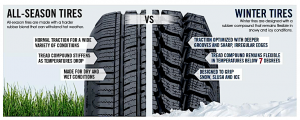
Try to book your changeover by mid-October. Once the first snowstorm makes the Kingston news cycle, every tire shop in town suddenly becomes impossible to reach.
Many Ontario insurers also offer a five percent discount when you install winter tires.
Under the hood
The groundwork is laid where you can’t observe it.
A battery that cranks fine in August can quit on the first wintry morning. A quick load test in October is inexpensive insurance.
While you are there, have your mechanic check belts, hoses, and coolant strength.
Heat and defrost systems matter more than people realize. They are not luxuries; they are visibility systems.
Replace worn wiper blades and fill the washer reservoir with fluid rated for −50°C. Keep an extra jug somewhere accessible in case the trunk freezes shut.

Lighting deserves attention as well. Road salt and spray quickly dull lenses.
The emergency kit you hope you never use
Every Eastern Ontario driver should keep an emergency kit in the vehicle.
A basic kit should include:
-
snow brush and ice scraper
-
small folding shovel
-
booster cables
-
flashlight
-
reflective vest
-
traction aid such as sand or non-clumping kitty litter
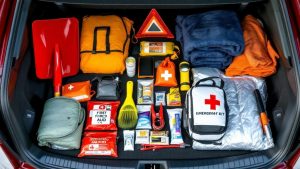
Add a blanket, spare gloves, a hat, and boots, plus a few high-energy snacks and bottled water in an insulated sleeve.
If you drive rural routes north toward Sharbot Lake, west toward Napanee or Prince Edward County, or east toward Gananoque or along Highway 15, tell someone your route and expected return time.
Driving when traction is scarce
Once you are on the road, assume that you have limited traction. Accelerate gradually, steer smoothly, and brake early. Think of this seasonal driving as slow-motion driving; every movement measured. Reduce speed as conditions require. Sometimes slowing down by 20 percent is enough. When there’s a lot of snow, you might go at half your normal speed or even slower. Leave at least a five-second gap between you and the vehicle ahead. When descending hills, shift to a lower gear and let the engine slow the car instead of riding the brakes.
Keep cruise control off during ice and snow conditions. If the tires lose grip, the system may try to speed up and make the situation worse. If your car has anti-lock brakes, the brake pedal might feel like it’s vibrating when you attempt a sudden stop. Maintain steady pressure. If your vehicle does not have ABS, pump the brakes gently to avoid locking the wheels. If a skid begins, ease off the accelerator and steer in the direction you want the front of the car to go.
Bridges and overpasses freeze first. In bright light, black ice often looks like wet pavement. If the steering suddenly feels loose, ease off the throttle and wait for the tires to regain grip.
Kingston realities
Driving in Kingston is unpredictable because of its blend of city streets, highways, and rural routes.
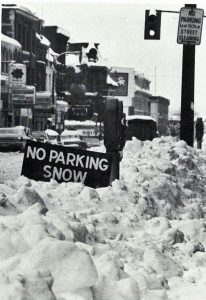
During our wintertime, snowbanks along many Kingston streets narrow lanes and hide sightlines at intersections, turning familiar routes into tighter spaces than drivers expect. Snowbanks along Kingston streets can make turning at intersections tricky, especially on older streets where parking remains along both sides and visibility shrinks to a narrow gap. On Kingston’s busier roads, traffic spray mixes salt, sand, and slush into a gritty film that quickly coats windshields and headlights. Once you get beyond the city limits, open rural roads can let wind push snow across the pavement and hide the centre line entirely.
If you are house-hunting in January to March, approach the drive the same way you would any trip. Check the weather, ensure your gas tank holds at least half fuel, and verify that you have equipped your vehicle correctly. Make sure your tires are the proper grade, your fuel tank is half full, and you have checked the forecast before heading out. Choosing a home here is not only about location. It is about learning to live comfortably through all four seasons. From neighbourhoods that get early plow priority to dwellings with garages and good drainage, local knowledge makes a real difference when the weather turns.
The cost of not preparing
A seasonal inspection might cost a few hundred dollars, but one roadside tow during a snowstorm can cost nearly that much. Worn tires or a weak battery can pivot a simple trip into an expensive problem. Preparation is not only about saving money. It is about keeping control when conditions suddenly change. Driving in snow and ice affects everyone in this region: commuters, parents, students, and anyone travelling between Kingston and the surrounding communities. The cold season does not forgive shortcuts, but it may reward preparation. The earlier you get ready, the calmer every trip will feel.
FAQ
Do I really need snow tires in Ontario?
Yes. They are not legally required, but every safety test shows they outperform all-seasons once temperatures drop below seven degrees. They also qualify you for an insurance discount in Ontario.
When should I change my tires?
Plan for mid-October. By November, service shops fully book their appointments, and wintry mornings can already freeze summer compounds.
What should be in an emergency kit?
A snow brush, scraper, shovel, booster cables, flashlight, traction aid, blanket, warm clothing, snacks, water, phone charger, and a small first-aid kit.
How does cold weather affect my battery?
Cold reduces a battery’s power by about half. A three-year-old battery that seems fine in summer can fail on the first sub-zero morning.
How often should I wash my car in winter?
About once a week, especially after salt-heavy days.
Further reading and resources
Proper winter preparation is crucial for safety and efficiency on the road.
Authoritative safety information
Local Kingston and area supplies
By late October, Canadian Tire, Princess Auto, and CAA Kingston usually stock winter emergency kits, booster packs, and cold-weather gear.
-
📚 Don’t Miss These Guides
Preparing for winter driving often goes hand in hand with understanding how homes, neighbourhoods, and daily routines adapt to colder weather. These related guides explore seasonal preparation, community considerations, and practical advice for homeowners across Kingston and the surrounding Frontenac, Lennox, and Leeds communities.
Winter Preparation: 38 Essential Tips for Homeowners
Cold weather brings its own maintenance challenges. This guide outlines practical steps homeowners can take to protect plumbing, roofs, insulation, and foundations before winter conditions arrive.
Choosing the Right Neighbourhood in Kingston and Area
Neighbourhood choice affects daily routines in every season. This guide explores Kingston’s communities, local amenities, commuting patterns, and the factors that influence long-term living decisions.
Working with a Kingston REALTOR® | Why It Still Matters
Professional guidance can help buyers and sellers navigate market conditions, pricing decisions, and property evaluations. This guide explains how a REALTOR® helps clients make informed real estate decisions.
Match the Home You Buy to Your Budget: What Kingston Buyers Need to Know
Owning a home means planning for maintenance, seasonal repairs, and long-term costs. This guide explains how buyers balance purchase price, upkeep expenses, and financial comfort before committing to a property.