


You should have some home buying questions and answers before you start your search. Buying a home in Kingston and the surrounding communities of Frontenac, Lennox, and Leeds often begins with research. Buyers compare neighbourhoods and review mortgage options.
Home buying questions can significantly help in shaping your search and understanding of the market.
As you begin to formulate your home buying questions, consider what specifics you need answers to before you proceed.
Understanding the local market, the buying process, and the costs involved can help buyers move forward with confidence.
By addressing common buying questions, you can clarify your needs and streamline your home search process.
Below are twenty of the most common buying questions asked when purchasing a home in Kingston and the surrounding region.
These buying questions will guide you through the complexities of purchasing a home in Kingston.
1. How much home can I afford in Kingston?
Buyers often have many buying questions, including how to determine their budget and what to consider when searching for their home.
Before beginning the home search, buyers should understand what price range fits comfortably within their finances. Mortgage lenders evaluate income, debts, credit history, and down payment when determining borrowing capacity.
When contemplating how much home you can afford, reflect on these buying questions to gain clarity on your financial limits.
A mortgage pre-approval helps establish a realistic price range and allows buyers to focus on homes that fit their financial plans.
Buyers who want a deeper explanation of affordability calculations and budgeting strategies can review the guide Match the Home You Buy to Your Budget, which explains how mortgage qualification, debt ratios, and down payment planning affect purchasing power in Kingston and surrounding communities.
2. Should I get pre-approved for a mortgage before looking at homes?
These buying questions about mortgage pre-approval can help you understand the importance of being ready before you start looking at homes.

Yes. Most REALTORS® recommend getting mortgage pre-approval before beginning the search. Pre-approval confirms your borrowing range and shows financial readiness when submitting an offer.
Many buyers begin their research online. The guide House Hunting Online in 2026: Why Working With a REALTOR® Still Matters explains how professional representation helps buyers evaluate listings, pricing trends, and negotiation strategies.
Many online resources exist to help answer common buying questions that arise during your search.
3. How much down payment do buyers need in Ontario?
Understanding down payment requirements is a frequent buying question for new homeowners in Ontario.
Minimum down payment requirements depend on the purchase price:
• 5 percent on the first $500,000
• 10 percent on the portion between $500,000 and $1 million
• 20 percent or more for homes above $1 million
Buyers putting down less than 20 percent must get mortgage default insurance through organizations such as the Canada Mortgage and Housing Corporation.
4. What additional costs should buyers expect besides the purchase price?
Buying a home involves several additional costs beyond the purchase price. These can include items such as Ontario Land Transfer Tax, legal fees, title insurance, home inspections, moving expenses, and the setup of utilities and services.
Addressing these buying questions early in the process can alleviate unexpected financial burdens later on.
Many buyers find the accumulation of these costs during the closing process surprising. Understanding these costs early can help prevent unexpected financial pressure when the buyer completes the purchase.
The guide “8 Hidden Costs of Buying a Home” outlines a more detailed explanation of these expenses. This guide reviews the common closing costs buyers should plan for when purchasing a property in Kingston and surrounding communities.
Reviewing your buying questions about closing costs will equip you for any surprises that may arise.
Information about consumer protection and real estate transactions in Ontario is available through the Real Estate Council of Ontario.
5. Do I need a REALTOR® to buy a home?
Buyers can search listings online, but working with a local REALTOR® offers important advantages. A professional representative can provide market insight and explain pricing trends.
Working with a REALTOR® can help answer your buying questions and provide valuable insights into the market.
Understanding how professional representation works is also important for buyers in Ontario.
The guide Working With a REALTOR® : Why it still matters explains how buyer representation agreements work, what services a REALTOR® provides during the purchase process, and how professional advice can help buyers make informed decisions when purchasing a property in Kingston and the surrounding communities.
Your buying questions regarding professional representation can make a significant difference in your home search experience.
6. How competitive is the Kingston housing market?
Understanding the competitive nature of the market can help you address your buying questions effectively.
Market conditions shift throughout the year depending on inventory levels, interest rates, and demand. Some periods favour buyers with more choice and negotiating room, while others favour sellers.
Local market knowledge is helpful when deciding how aggressively to negotiate an offer.
7. What neighbourhoods are popular for buyers in Kingston and area?
Choosing the right neighbourhood is a crucial buying question that influences your lifestyle and investment.
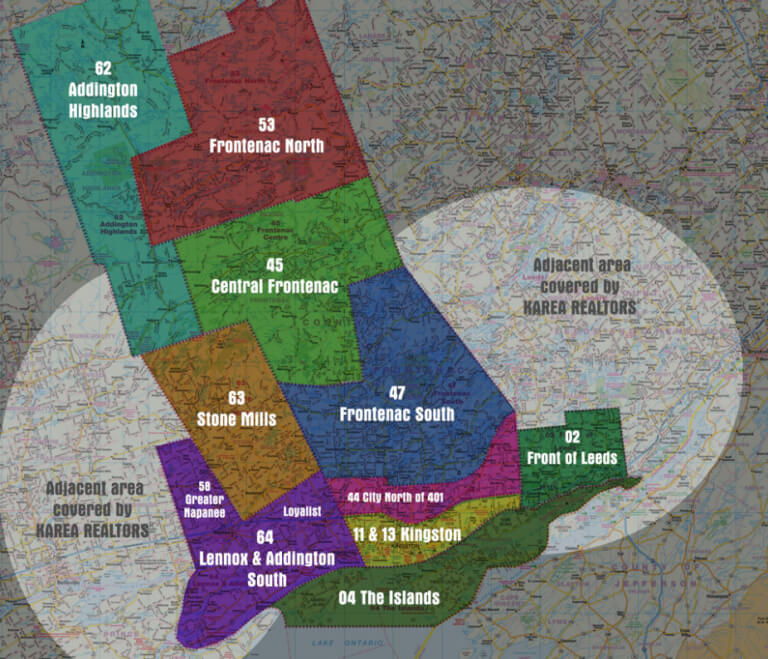
This is a frequent buying question, especially from those new to the area. Neighbourhood choice depends on lifestyle, commuting needs, and budget. Buyers frequently explore areas such as West Kingston, Amherstview, Gananoque, downtown Kingston, and rural South Frontenac communities.
New buyers often have buying questions about the best neighbourhoods that suit their needs.
Choosing the right neighbourhood can affect both daily life and long-term resale value. The guide Choosing the Right Neighbourhood in Kingston and Area explains how buyers evaluate neighbourhoods before making a purchase.
Addressing buying questions about the home buying timeline can help set expectations for first-time buyers.
8. How long does it usually take to buy a home?
The closing process for real estate, from offer acceptance, typically spans 30 to 60 days, but property specifics and the individual needs of those involved can influence this period.
The buyer’s arranged financing and the property’s vacancy can speed up the closing of some homes.
Financing approvals, inspection conditions, and the schedules of lawyers and lenders can also affect the timeline. Buyers and sellers usually agree on a closing date during the negotiation process that allows enough time for these steps to be completed properly.
9. What conditions should buyers include in an offer?
Including relevant buying questions in your offer can safeguard your interests during the purchase process.
Conditions allow buyers to confirm important details before a purchase becomes firm. Common conditions include:
• Financing approval
• Home inspection
• Review of condominium documents
• Sale of the buyer’s existing property
10. Should buyers always get a home inspection?
Considering a home inspection is a common buying question that can save buyers from potential issues.
In most situations, yes. A professional inspection can identify structural issues, maintenance concerns, or safety risks that may not be obvious during a showing.
A typical home inspection reviews both the interior and exterior of the property. Inspectors look at the roof, foundation, walls, windows, insulation, and overall structure of the home. Inside the property, they examine major systems such as heating equipment, electrical panels, plumbing fixtures, and ventilation.
Exterior conditions are also important. Inspectors often review grading around the home, drainage patterns, and features such as swales that help move water away from the foundation. These elements can play an important role in preventing basement moisture or long-term structural issues.
Although no inspection guarantees the discovery of every future issue, a professional inspection helps buyers better understand the property’s condition before completing the purchase.
The guide Home Inspections: Proven Ways to Protect Your Ideal Kingston Home explains what inspectors evaluate and how inspection results can affect negotiations.
11. What happens if a home inspection finds problems?
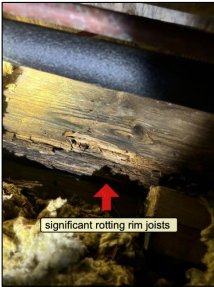
Finding issues during a home inspection is quite common, especially in older homes. An inspection report often identifies maintenance items, minor repairs, and areas that may require attention. Not every issue discovered will affect the purchase decision.
Understanding the implications of inspection findings can help answer buying questions before proceeding with your purchase.
Buyers and their REALTOR® carefully review the findings to determine their significance when they identify concerns. Many times, the inspection simply helps the buyer understand the home’s condition and plan for future maintenance.
If inspectors find more serious issues, we have several options to consider. Buyers may request that the seller address specific repairs, negotiate a price change to reflect the condition of the property, or seek further evaluation from a qualified specialist, such as a roofer, electrician, or structural contractor.
If inspectors find more serious issues, we have several options to consider.
If the offer includes a home inspection condition and the issues are significant, the buyer may also choose not to proceed with the purchase
12. How much deposit is typical in Kingston real estate offers?
In many Kingston real estate transactions, buyers can expect a deposit of at least about $5,000, although the amount can be considerably higher depending on the purchase price and the property involved.
Normally, one submits the deposit shortly after accepting an offer, and the listing brokerage holds it in trust until closing. In competitive situations or with higher-priced properties, larger deposits are often used to show a buyer’s seriousness and financial strength.
The deposit is not an additional fee. It is part of the total purchase price, and the seller credits it toward the amount the buyer pays for the home on closing.
13. Can I buy a home before selling my current home?
Yes, but the timing requires careful planning.
Timing is crucial, and many buyers have buying questions about the best strategy for selling and purchasing simultaneously.
Others prefer to sell their existing home first so they know exactly how much equity they will have available for the next purchase. This approach can reduce financial uncertainty and avoid the risk of carrying two homes at the same time.
Each approach has advantages and potential risks depending on market conditions, financing options, and the flexibility of closing dates. The guide Buy First or Sell First: What Works Best in Today’s Market? explains these strategies in more detail for buyers planning a move in Kingston and surrounding communities.
14. What is the difference between a buyer’s market, seller’s market, and balanced market?
Buyers often ponder these buying questions when deciding to enter a buyer’s, seller’s, or balanced market.
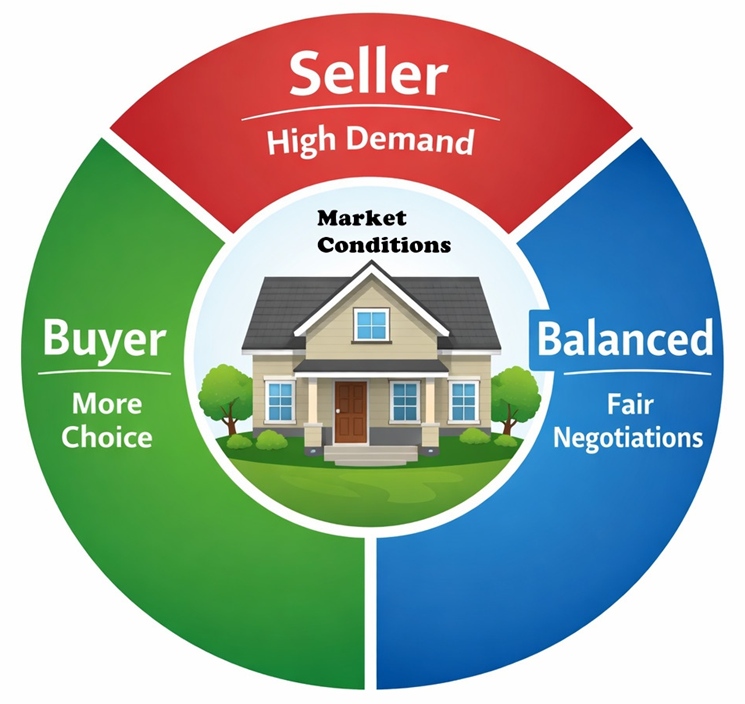
A buyer’s market occurs when there are more homes available than buyers. In these conditions, purchasers may have more negotiating power, and sellers may need to be more flexible on price or terms.
A seller’s market occurs when demand exceeds the number of homes available. This can lead to stronger competition between buyers and, sometimes, multiple-offer situations.
A balanced market falls somewhere between the two, where supply and demand are relatively even and negotiations are more measured.
Understanding the type of market you are entering helps buyers decide how quickly they may need to act and how aggressively they can negotiate. For a deeper explanation of how these conditions affect pricing and competition locally, see Market Conditions: Buyer, Seller, and Balanced Markets in Kingston (2026).
15. Are rural homes different from city homes when buying?
Yes. Rural properties often include private wells, septic systems, larger lots, and zoning considerations that differ from urban homes connected to municipal services.
Rural and urban buying questions are quite different and require careful thought.
Buyers should understand how these systems work before purchasing rural property. It is common for buyers to confirm when the septic system was last pumped and inspected, review any available maintenance records, and verify the condition of the system during the home inspection process.
Water supply is another important consideration. Buyers may request potability testing to confirm the water’s drinkability, and sometimes, a water flow test may ensure the well can supply adequate water for household use.
Water supply and septic issues are frequent buying questions that buyers must address to avoid future complications.
Understanding these systems helps buyers avoid surprises.
16. What should buyers know about waterfront homes near Kingston?
Waterfront homes often involve additional considerations compared with typical residential properties. Buyers need to verify if the shoreline is part of the property title or if ownership ceases at the high-water mark.
Potential buyers should clarify these buying questions to ensure they select the right property.
In some waterfront areas, historical shoreline road allowances or municipal rights-of-way may exist between the property and the water. Surveyors established these allowances during early land surveys, and they may still appear on maps today. If they have not been formally closed, the municipality may technically own the strip of land between the property and the shoreline.
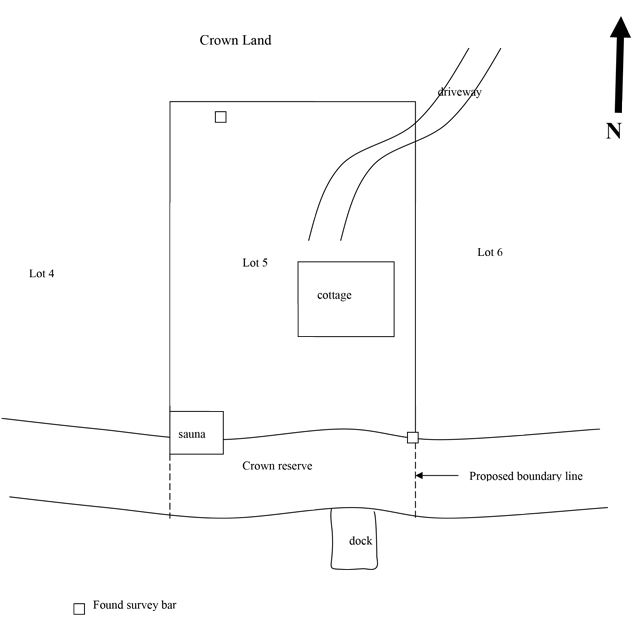
Environmental regulations can also apply along Lake Ontario, the St. Lawrence River, and inland lakes throughout Frontenac and Leeds counties. These rules may affect shoreline alterations, docks, or future construction near the water.
Many waterfront homes rely on private wells and septic systems rather than municipal services, so buyers should understand the condition and maintenance history of these systems. Access, shoreline conditions, and exposure to wind or waves also dictate how people use the property year-round.
Because waterfront properties vary widely, reviewing surveys, permits, and title details carefully can help buyers understand exactly what they are purchasing before completing the transaction.
17. Are condominiums a good option for first-time buyers?
Condominiums can be an attractive option for many first-time buyers because they often require less exterior maintenance and may offer a lower purchase price than detached homes. Condo living can appeal to buyers who prefer a simpler lifestyle without the responsibility of maintaining roofs, landscaping, or exterior building components.
But buying questions about condos differ from the buying questions about a house.
Yet, purchasing a condominium requires different factors than buying a freehold property. Monthly condo fees cover the building’s operations and upkeep, including shared spaces. These fees typically increase gradually over time as operating costs rise and as the building ages.
This differs from a fixed-rate mortgage, where the payment may remain stable for the term of the loan.
While full home inspections are less common with condominiums, buyers usually include a condition allowing their lawyer to review the condominium’s status certificate. This document contains important information about the financial and legal health of the condominium corporation.
During the review, the buyer’s lawyer typically examines the reserve fund, recent financial statements, insurance coverage, condominium bylaws and rules, and any planned special assessments or major repairs that could affect owners in the future.
By understanding these details, buyers evaluate the long-term costs of condominium ownership and assess whether the building manages its finances well before completing the purchase.
Understanding condominium fees is a common buying question that all prospective owners should investigate.
18. How important is location when buying a home?
Location is one of the most important factors when purchasing a home because it affects daily life and long-term resale value. Buyers should think about how the location will work not only today but several years into the future.
Many buyers consider commuting distance to work, proximity to family members, and access to schools when choosing a neighbourhood. Others may prioritize nearby shopping, parks, healthcare services, or public transportation. These factors can have a significant impact on convenience and lifestyle.
Some buyers must decide between urban and rural living.
Commute times are another practical consideration. A drive that seems manageable in summer may feel quite different during winter conditions, particularly in rural areas or on secondary roads.
Location-related buying questions can significantly influence a buyer’s long-term satisfaction and investment value.
These buying questions and weighing these factors can help buyers choose a location that supports both their lifestyle and the long-term value of their investment.
These buying questions will guide buyers in assessing properties effectively during their search.
19. What should I look for during a home showing?
When touring a property, buyers should pay attention to both the layout and the overall condition of the home. While room size, natural light, and floor plan are important, it is equally important to notice signs of maintenance issues or potential problems.
During a showing, buyers and their REALTOR® often watch for clues that may show underlying concerns. These can include signs of dampness or moisture in basements, uneven floors, cracks or pop-outs in drywall, and unusual odours that may suggest water issues, pets, or past smoke damage.
It is also helpful to get a general sense of the age and condition of major components such as windows, roofing, and heating equipment like the furnace. These systems do not need to be brand new, but understanding their approximate age can help buyers expect future maintenance or replacement costs.
While a showing is not a home inspection, paying attention to these details can help buyers decide whether a property is worth pursuing further and whether they should include a professional inspection as a condition in the offer.
20. When is the best time of year to buy a home in Kingston?
People buy and sell homes all year, and each season provides distinct advantages and disadvantages for buyers.
Spring and early summer typically bring the largest number of listings to the market. This gives buyers more choice, but it can also mean increased competition from other purchasers who are searching at the same time.
During fall and winter, there are usually fewer homes available, but there may also be fewer active buyers. Some purchasers find that this can create opportunities for more measured negotiations.
Seasonal conditions can also affect what buyers can observe during showings and inspections. In winter, snow and frozen ground can make it more difficult to evaluate landscaping, grading, drainage, or exterior features of the property. In warmer months, buyers may have a clearer view of roof condition, yard drainage, and overall exterior maintenance.
For most buyers, the best time to purchase is when the right property becomes available and the timing fits their financial situation and personal plans.
Timing considerations are essential buying questions that can shape a buyer’s overall experience and decisions.
When considering home buying questions, these factors can significantly impact convenience and lifestyle.
Many buyers must face important buying questions that can help them navigate their home-buying journey effectively.
Frequently Asked Questions
How much deposit is required when buying a home in Kingston?
Deposits in Kingston real estate transactions often start around $5,000, although the amount may be higher depending on the property and market conditions. After accepting an offer, the broker will hold the deposit in trust, and this deposit will count towards the purchase price you pay at closing.
Do Kingston homes sell above asking price?
Market conditions lead to frequent buying questions about how competitive the local housing market can be.
That depends on market conditions. In strong seller’s markets, multiple offers can push prices above asking. In balanced markets, negotiations are more common.
What credit score do I need to buy a home in Canada?
Most lenders prefer a credit score around 680 or higher for the best mortgage options.
Can first-time buyers get incentives in Ontario?
Yes. Programs such as land transfer tax rebates and federal home buyer initiatives may assist first-time buyers. Details are available through the Canada Mortgage and Housing Corporation.
More Kingston Home Buying Questions Often Researched
Before starting their home search, buyers interested in Kingston and the surrounding Frontenac, Lennox, and Leeds communities frequently look online for more details and answers to their buying questions.
Before starting, buyers often have a range of buying questions they seek answers to regarding their search.
Common searches include:
• How to buy a house in Kingston, Ontario
• First time home buyer programs in Ontario
• Closing costs when buying a home in Kingston
• What credit score do you need to buy a home in Canada?
• How long does it take to close on a house in Ontario?
• Should I buy or rent in Kingston, Ontario?
• What neighbourhoods are best for families in Kingston, Ontario
• What to look for when viewing a home in Kingston
• Buying questions before you start your search?
• Should I buy before selling my house in Kingston?
• What does a home inspection include in Ontario
• What occurs after someone accepts an offer in Ontario real estate
• How much land transfer tax do buyers pay in Ontario?
• What documents are required to buy a home in Canada
• What amount of income do you need to buy a home in Kingston?
These buying questions form the foundation of a thorough home search that aligns with buyer needs.
These buying questions are essential for prospective homeowners.
These buying questions provide essential information for anyone considering a move in the Kingston area.
Local Market Context: Buying in Kingston and Surrounding Communities
The local housing market includes a mix of urban neighbourhoods, waterfront communities, and rural properties across Frontenac, Lennox, and Leeds counties.
Buyers often compare homes in Kingston with nearby communities such as Amherstview, Gananoque, and the rural townships in the surrounding area.
Kingston offers access to major services, universities, and hospitals. Amherstview provides suburban living along the Lake Ontario shoreline with an easy commute into the city.
People recognize Gananoque for its small-town character near the Thousand Islands.
Frontenac communities appeal to buyers looking for rural homes, lakeside properties, or larger lots within driving distance of Kingston.
Potential buyers should carefully consider their buying questions in relation to different property types and locations.
Understanding how these areas differ can help buyers focus their search and identify the locations that best match their lifestyle and long-term plans. If you have any buying questions, please contact me anytime.
Don’t Miss These Guides
Buying a home involves more than simply choosing a property. Buying questions about financing, budgeting, neighbourhood choice, and professional guidance all play a role when purchasing in Kingston and the surrounding Frontenac, Lennox, and Leeds communities. These guides explain several key steps buyers should understand before making an offer.
Addressing various buying questions in financing and budgeting can lead to more informed decisions.
Match the Home You Buy to Your Budget
Buying confidently starts with understanding what you can comfortably afford. This guide reviews mortgage qualification, debt ratios, down payment planning, and practical budgeting strategies tailored for buyers purchasing homes in Kingston and the surrounding Frontenac, Lennox, and Leeds communities.
House Hunting Online in 2026: Why Working With a REALTOR® Still Matters
Online listings are only part of the story. Learn how local market knowledge, property history insight, negotiation strategy, and professional representation help buyers navigate the Kingston and surrounding communities’ housing market.
Choosing the Right Neighbourhood in Kingston and Area
Neighbourhood choice affects lifestyle, commuting, schools, and long-term resale value. This guide explains how buyers evaluate neighbourhoods across Kingston, Frontenac, Lennox, and Leeds before making a purchase.
Neighbourhood choice affects lifestyle, commuting, schools, and long-term resale value. This guide explains how buyers evaluate neighbourhoods across Kingston, Frontenac, Lennox, and Leeds before making a purchase, addressing common buying questions.
Many homeowners planning to move must question whether to buy their next home before selling their current one. This guide explains the advantages, risks, and timing considerations buyers should understand when navigating this decision in the Kingston real estate market.
Home Inspections: Proven Ways to Protect Your Ideal Kingston Home
Before finalizing a home purchase, a professional inspection can uncover structural problems, maintenance needs, or safety hazards. This guide explains what inspectors look for, how inspections protect buyers, and how inspection results can affect negotiations.
Buying a home involves more than just the purchase price. It affects long term finances, stability, and how you live day to day.
Ultimately, addressing these buying questions not only assists in the buying process but also enhances overall satisfaction.
Home ownership offers a combination of financial and lifestyle benefits that develop. Building equity through mortgage payments allows owners to increase their stake in the property, while fixed housing costs can provide greater financial predictability compared to rising rents.
Owners also have the flexibility to change their home without restrictions, allowing the space to develop with their needs. Beyond the financial side, owning a home often brings a stronger sense of stability and connection to the surrounding community, which becomes increasingly important over the long term.
Ultimately, addressing all these buying questions before making a purchase can lead to greater satisfaction and financial success in homeownership.