


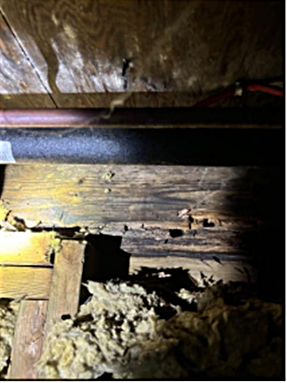
A crawl space rarely appears in listing photos, but it is often where the actual condition of a house becomes apparent. Most people never see the underside of their house. I have. Whenever I attend a home inspection, and it is safe to do so, I follow the inspector into the crawl space. It is rarely comfortable, often awkward, and sometimes unpleasant, but it tells me more about a home’s long-term condition than almost anything upstairs.
Kingston and the surrounding area have a wide range of housing styles, and many of them rely on crawl spaces rather than full basements. Builders constructed historic homes closer to downtown before basements were common. Wartime houses in Kingscourt used shallow foundations to construct them quickly and economically, keeping costs down. In rural areas, rock and uneven terrain made full basements impractical. Even today, first-time buyers often find homes without basements more affordable, particularly in neighborhoods where prices increase rapidly once builders add additional square footage. Here is the Ontario Builders Officials Association’s definition of a crawl space.
There is nothing inherently wrong with a crawl space. Some of the most solid, comfortable homes I have sold have no basements. The issue is not the type of foundation. It is whether anyone has paid attention to it over the years.
That becomes obvious the moment you get under the house.
The photos that accompany this article are not stock images. They come from real inspections I attended. In one crawl space, debris was everywhere: old pipes, broken duct sections, bricks, and rubble from past repairs. In another, ductwork was sagging and leaning, no longer adequately supported, resting partly on soil and partly on whatever was underneath it. Compromised airflow, torn insulation, and accumulated moisture were present.
Moisture, what I see most often
Moisture is the most common crawl space issue I observe, and it occurs in every type of home, from seasonal cottages to century houses and even newer builds. The causes are rarely mysterious. Soil conditions matter. Clay holds water; bedrock channels it, and spring melt behaves differently from late summer rain. When grading slopes toward the foundation or downspouts discharge too close to the house, moisture has nowhere to go but under the floor.
In crawl spaces, moisture does not always announce itself dramatically. Sometimes it appears as condensation on beams. Sometimes it shows up as insulation that feels heavier than it should. At other times, it manifests as staining on masonry that shows prior water presence. A crawl space that is dry in August may be a quagmire each spring. That is why inspectors examine vapour barriers, staining patterns, humidity readings, and odours rather than relying on a single visit in a single season.
Smell is often the first thing buyers notice. Homeowners frequently describe it as a basement odour, even in houses without basements. Air naturally moves upward through a home, carrying crawl space air with it. Over time, that damp, earthy odour permeates carpets, flooring, and fabrics. Buyers react strongly to it because it suggests moisture, mould, and long-term maintenance needs, even if they cannot yet see the source.
Unchecked moisture leads to rot, rusted supports, failing joists, and poor indoor air quality. High humidity also creates ideal conditions for pests, which is where many crawl space problems compound.
Insulation, vapour barriers, and comfort upstairs
Insulation failures are widespread in crawl spaces, especially in older homes. I often find batt insulation pulled away from the joists, collapsed onto the ground, or bunched up where gravity, moisture, and rodents have taken their toll. Torn, incomplete, or missing vapour barriers are frequent occurrences. Exposed soil increases moisture in the space above it, making it more challenging to heat and cool.
Homes built before modern insulation standards often have a minimal separation between the crawl space and the living area. Cold floors in winter and higher heating bills are the result. Some homeowners attempt to fix this by adding spray foam or new insulation. However, if homeowners do not address moisture and drainage issues first, the problems become trapped behind an extra layer.
When insulation and vapour barriers are appropriately done, the difference is noticeable. Floors feel warmer, the air smells cleaner, and the house feels more stable overall.
Structural damage hidden behind insulation
Rotting rim joists in crawl spaces are a common discovery for me, and they almost always remain hidden. Insulation does a good job of covering the problem until it can no longer do so. By the time damage is visible from below, moisture has usually been present for years.
This type of deterioration often develops around plumbing penetrations or along foundation edges where moisture consistently infiltrates. From the living space above, the signs can be subtle. A floor that feels slightly soft, a bit of bounce that was not there before, or trim that no longer sits quite right. Underneath, the framing tells a clearer story.
What makes rim joist damage particularly concerning is its structural role in the home. Rim joists help integrate the floor system and transfer loads effectively.
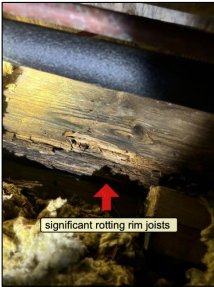
. When they rot, the issue is no longer cosmetic or comfort-related. It becomes structural. Repairs are possible, but they are more involved and more costly than addressing moisture early.
This is precisely why crawl spaces matter. People upstairs seldom detect these issues until they have significantly progressed. A thorough inspection below the floor often catches them early enough to plan proper repairs rather than react to failure later.
Ventilation, and why older vents often make things worse
Many people widely misunderstand the importance of ventilation for crawl space health. Many older homes rely on small exterior vents intended to facilitate airflow. As a result, in humid summer conditions, these vents frequently draw warm, wet air into a cooler crawl space, where it forms condensation on wood, masonry, and ductwork.
Crawl spaces I inspect often have vents that are partially buried, obstructed by debris, or lack screens. In some inspections, airflow is so restricted that it has to be documented as inadequate. Stagnant air allows moisture and odours to linger, affecting the living space above.
Many updated crawl spaces now use controlled or mechanical ventilation. A small amount of conditioned air or a dedicated fan can stabilize humidity, discourage pests, and improve indoor air quality. Ventilation also helps manage soil gases, such as radon, which can enter through exposed earth or cracks in the foundation.
Vermin and wildlife: what they are really telling you
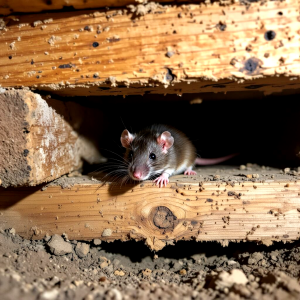
Crawl spaces provide ideal conditions for pests. The presence of mice, rats, squirrels, chipmunks, raccoons, and insects there is not a coincidence. They are looking for a place to hide, heat, and dampness. Small gaps around plumbing penetrations, damaged vent screens, or torn vapour barriers are often sufficient.
During inspections, the signs are usually subtle at first. Nesting material tucked into insulation, droppings along foundation walls, insulation pulled down for bedding, or wiring that shows signs of chewing. Rodents damage insulation and vapour barriers, raising humidity, which attracts more pests. It becomes a quiet cycle that worsens.
Pest activity is rarely just a wildlife issue. It is usually a moisture and access issue as well. Understanding that connection helps buyers and sellers focus on the right fixes rather than chasing symptoms.
Structure: What the crawl space reveals
Crawl spaces offer a clear view of a home’s structure. I pay close attention to support posts, beams, joists, and the underside of the floor. Moisture damage often shows up as soft or discoloured wood. Steel posts can rust. Frost movement can shift supports.
In older homes, especially rural ones, I still encounter makeshift supports installed decades ago, stacked blocks, scraps of lumber, or posts that have slowly moved over time. These may have worked for a while, but they are rarely permanent solutions. Renovations conducted without permits often leave evidence here as well, such as cut joists, unsupported spans, or improper notching for plumbing or wiring.
From upstairs, floors may feel only slightly uneven. Underneath, the reason becomes apparent.
Drainage and grading, where many problems begin
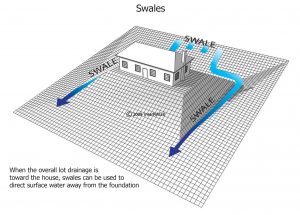
Many crawl space problems start outside the house. Grading, downspout placement, and eavestrough condition all influence the amount of water that reaches the foundation. Clay soils drain slowly, and water collects where the ground slopes toward the house.
I look for staining on foundation walls that shows past water entry. If a sump pump is present, I check its operation and capacity. Many older homes did not have sump systems when builders constructed them, making exterior water control even more critical. Simple steps such as extending downspouts, correcting grading, and keeping eaves troughs clean, often make a significant difference.
Plumbing, mechanical systems, and rural considerations
Crawl spaces often contain plumbing lines, ductwork, and electrical wiring. Issues here usually appear long before they show up in the living space. I look for uninsulted water lines that could freeze, older galvanized or cast-iron pipes with corrosion, and leaking joints.
In rural homes, well intake lines, pressure tanks, and septic outflow pipes sometimes pass through the crawl space. When these systems age, leaks and corrosion often first appear in this region. Lines that lack insulation can freeze in winter. Older septic piping can sag or crack, allowing moisture and odour to accumulate in the space. Inspecting these components early helps prevent emergency repairs later.
Why crawl space issues matter to buyers and sellers?
A house can appear perfect from the street while concealing serious problems beneath the floor. Buyers rarely think about crawl spaces until an inspection reveals issues. Sellers may not realize how much the condition of the crawl space influences pricing, disclosures, and negotiations.
What happens below the floor does not stay there. Moist air moves upward. Odours travel. Cold air affects comfort above. Structural movement below eventually shows up as uneven floors or cracked finishes. Understanding what is happening under the hood gives buyers confidence and allows sellers to address concerns before they become deal impediments.
Crawl spaces are not glamorous, but in Kingston’s mix of historic homes, wartime houses, and rural properties, they are one of the most honest parts of the house. They quietly support everything above them and never misrepresent how a homeowner has maintained a home.
Frequently asked questions
How often should someone inspect a crawl space?
Once a year is a good rule of thumb, especially for older homes or properties with a history of moisture issues.
Can homeowners safely enter their own crawl space?
Some crawl spaces are accessible, but many contain pests, exposed wiring, mould, or standing water. When in doubt, leave access to a qualified inspector.
Are crawl spaces a problem for resale?
Not by default. Many buyers are comfortable with crawl spaces when they are dry, well-maintained, and properly insulated.
Is sealing a crawl space better than venting it?
Either approach works well when you manage moisture and airflow appropriately for the home and local conditions.
Do crawl space issues affect insurance or financing?
They can. Persistent moisture, structural concerns, or mould may affect coverage or lender requirements.
📚 Don’t Miss These Guides
Structural components like crawl spaces often connect to other systems that influence property condition and long term maintenance. These related guides explore inspections, rural infrastructure, renovation considerations, and preparation steps homeowners should understand across Kingston and the surrounding Frontenac, Lennox, and Leeds communities.
Home Inspections: Benefits for Buyers and Sellers
Home inspections help identify issues that may not be visible during a showing. This guide explains what inspections typically cover and how findings can influence negotiations when buying or selling homes across Kingston and nearby Frontenac, Lennox, and Leeds counties.
A Kingston Area Guide to Wells and Septic Systems, 2025–26
Rural properties often rely on private wells and septic systems rather than municipal services. This guide explains how these systems function and what buyers should understand when considering homes throughout the Kingston area and neighbouring Frontenac, Lennox, and Leeds regions.
Purchasing a Fixer-Upper in Kingston and Area 2025–26
Older homes and renovation projects can present both opportunities and risk. This guide outlines what buyers should evaluate before committing to properties that may require structural or mechanical updates.
Preparing Your Home for Sale: Presentation, Privacy, and Security
Preparing a home properly before listing can help reduce surprises during inspections and showings. This guide reviews practical steps sellers can take to present and protect their property while it is on the market across Kingston and nearby Frontenac, Lennox, and Leeds counties.