


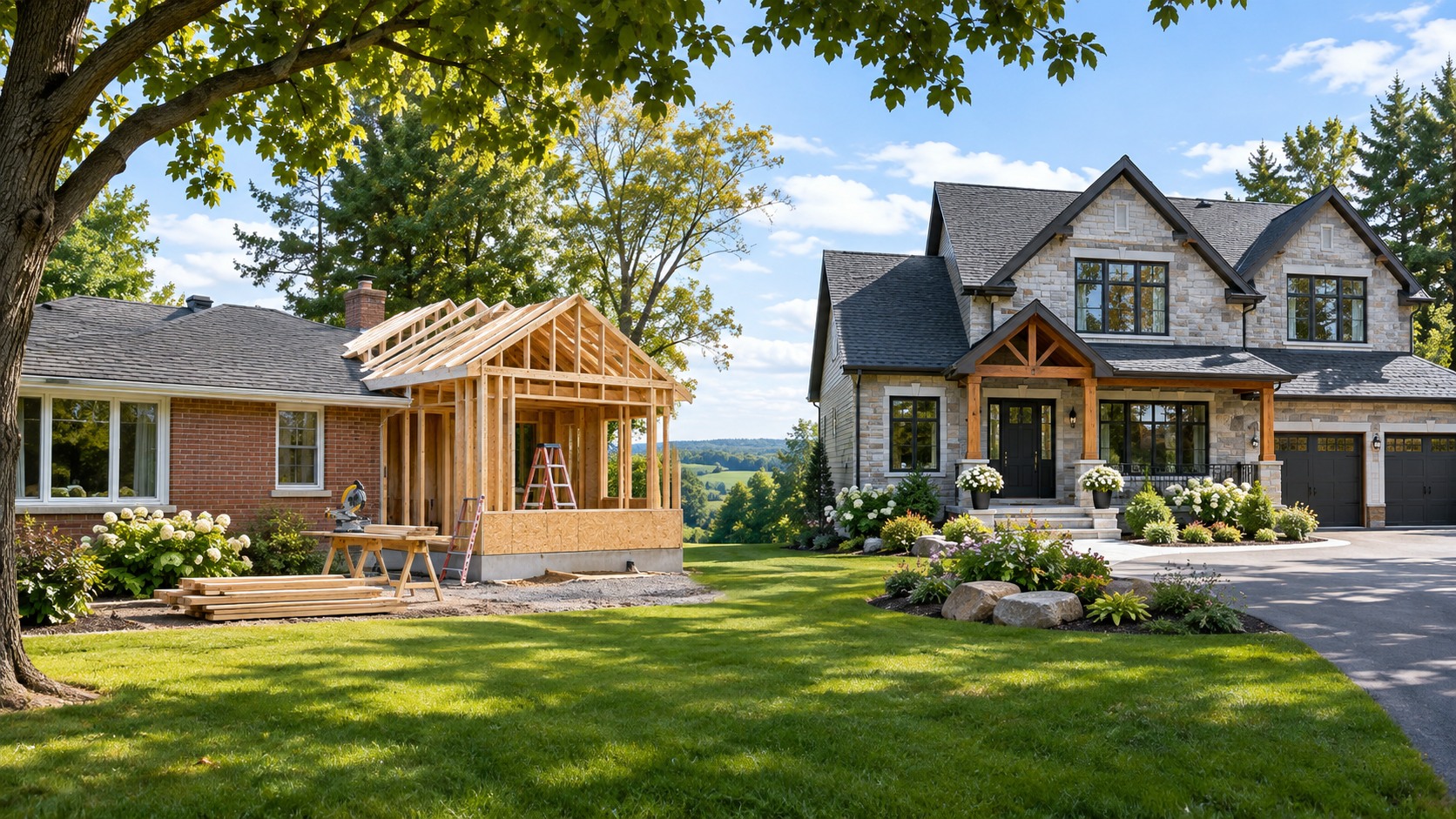
Should you move or renovate when your current home no longer meets your needs? It’s a question many Ontario homeowners eventually face, particularly as families grow, lifestyles change, or the house that once seemed ideal feels less practical.
You might need another bedroom, a larger kitchen, an additional bathroom, or a dedicated home office. Maybe your family needs more room than the living space offers, the garage isn’t big enough, or you’d like a different home.
Moving to another house is one option, but renovating your existing home or building an addition could deliver the improvements you’re looking for without leaving a neighbourhood you enjoy.
The decision isn’t always straightforward. Both options involve expenses, planning, and potential complications. Understanding what you can realistically accomplish with your current property is an important starting point.
Why homeowners consider moving or renovating
Most homeowners don’t suddenly decide they need a different house. The idea usually develops as their circumstances change.
A couple who originally purchased a modest two-bedroom bungalow may now have children who need separate bedrooms. A family with teenagers might want additional recreational space, while someone working from home could benefit from a quiet office away from everyday household activity.
Other homeowners find that their priorities have changed. They may want a main-floor bedroom, fewer stairs, an attached garage, or a property that requires less maintenance.
Sometimes, the issue isn’t the house itself but its surroundings. A neighbourhood may have become busier, commuting requirements may have changed, or a rural homeowner may find that maintaining several acres is more work than anticipated.
Before you decide whether to move or renovate, identify what you want to change and determine if you can reasonably make those improvements to your existing property.
There is a considerable difference between needing a modern kitchen and wanting a house on a larger lot. Renovations can address one of these needs. The other may require moving.
Understanding your home’s current value
Before making major decisions, it’s important to understand what your property is worth in today’s market.
Homeowners sometimes rely on municipal assessments, online estimates, or the asking prices of nearby properties. However, these don’t reflect what a buyer would pay.
A realistic market evaluation considers recent comparable sales, current competing properties, location, condition, size, and features that may influence buyer demand.
For example, a homeowner with a property worth approximately $550,000 and an outstanding mortgage of $250,000 has around $300,000 in gross equity.
That doesn’t mean the entire amount would be available for another purchase. You must consider selling expenses, mortgage discharge costs, legal fees, and potentially mortgage prepayment penalties.
Equity can also be relevant when financing renovations or an addition, although borrowing against the property increases the amount owed.
Before deciding whether to move or renovate, consider how much of your home’s present value could realistically be available to fund your next project or purchase.
When renovating your existing home makes sense
Homeowners weighing whether to move or renovate should distinguish between improvements that make the house more functional and those that are primarily cosmetic.
Renovating may be the most practical option when you like your home’s location and its basic structure still meets your needs.
An outdated kitchen, worn flooring, insufficient storage, or an unfinished basement may not justify purchasing another property.
Depending on the layout, improvements might include opening up adjoining rooms, reconfiguring an existing kitchen, finishing unused basement space, or converting a spare bedroom into an office.
Bathrooms are another common consideration. Adding a second bathroom or improving an existing one can make daily routines considerably easier for a busy household.
In many established neighbourhoods, homeowners have spent years developing their gardens, maintaining their properties, and building relationships within the community. Remaining in familiar surroundings can be an important advantage.
Renovations also let you choose finishes and layouts that suit your preferences rather than accepting someone else’s choices.
However, you cannot renovate every house economically. Removing load-bearing walls, relocating plumbing, upgrading electrical systems, or addressing structural deficiencies can make a seemingly straightforward renovation much more expensive.
Older homes may reveal hidden problems once construction begins. Outdated wiring, inadequate insulation, moisture damage, or improperly completed renovations can add unexpected costs.
If you are unsure whether to move or renovate, obtaining several detailed renovation estimates can help establish whether staying is financially realistic.
The important question isn’t simply whether the work is possible, but whether the finished result justifies the investment.
Building an addition instead of moving
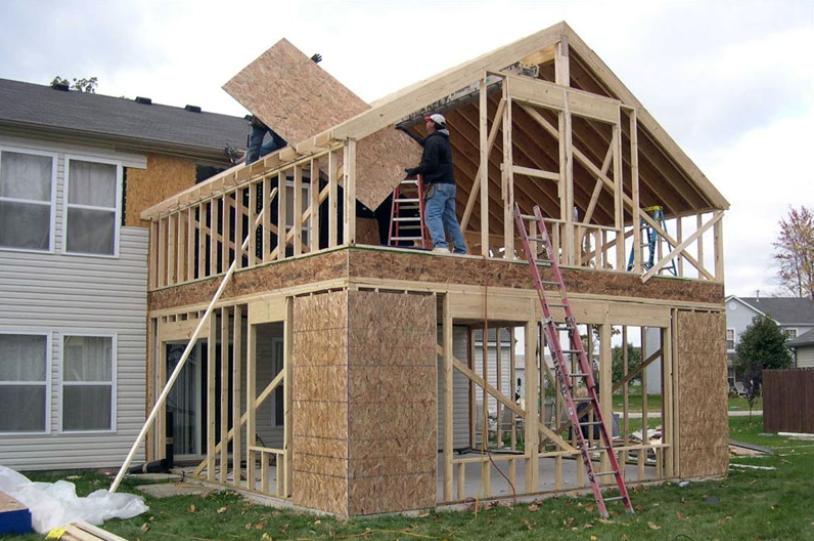
One alternative that deserves careful consideration is expanding your existing house.
When deciding whether to move or renovate, an addition may provide the additional space you need without sacrificing a location you already enjoy.
If the property has sufficient space, an addition might provide the extra living area you need without requiring a move.
A rear addition could accommodate a larger kitchen, dining area, or family room. A side addition might create another bedroom, a home office, or an attached garage.
Some homeowners consider adding a second story when there is insufficient room to expand outward. However, this can involve extensive structural modifications, including strengthening the existing foundation or supporting walls.
An addition may be attractive when the current home is in a desirable location, the property has a suitable lot, and the homeowners expect to remain there for many years.
Does your property have room for an addition?
Having a large yard doesn’t automatically mean you can build wherever you want.
Municipal zoning regulations establish requirements such as minimum distances from property boundaries, permitted lot coverage, and building height restrictions.
A homeowner with a wide or deep lot might still face limitations related to setbacks, easements, drainage, or existing underground services. A minor variance may be possible, but you cannot assume approval.
Contact the municipality’s planning or building department to confirm what they permit before you invest in architectural plans or construction estimates.
A residential addition requires a building permit, and other approvals may be necessary depending on the property’s location and the proposed work.
For properties near waterways, wetlands, or regulated natural features, conservation authority requirements may also apply.
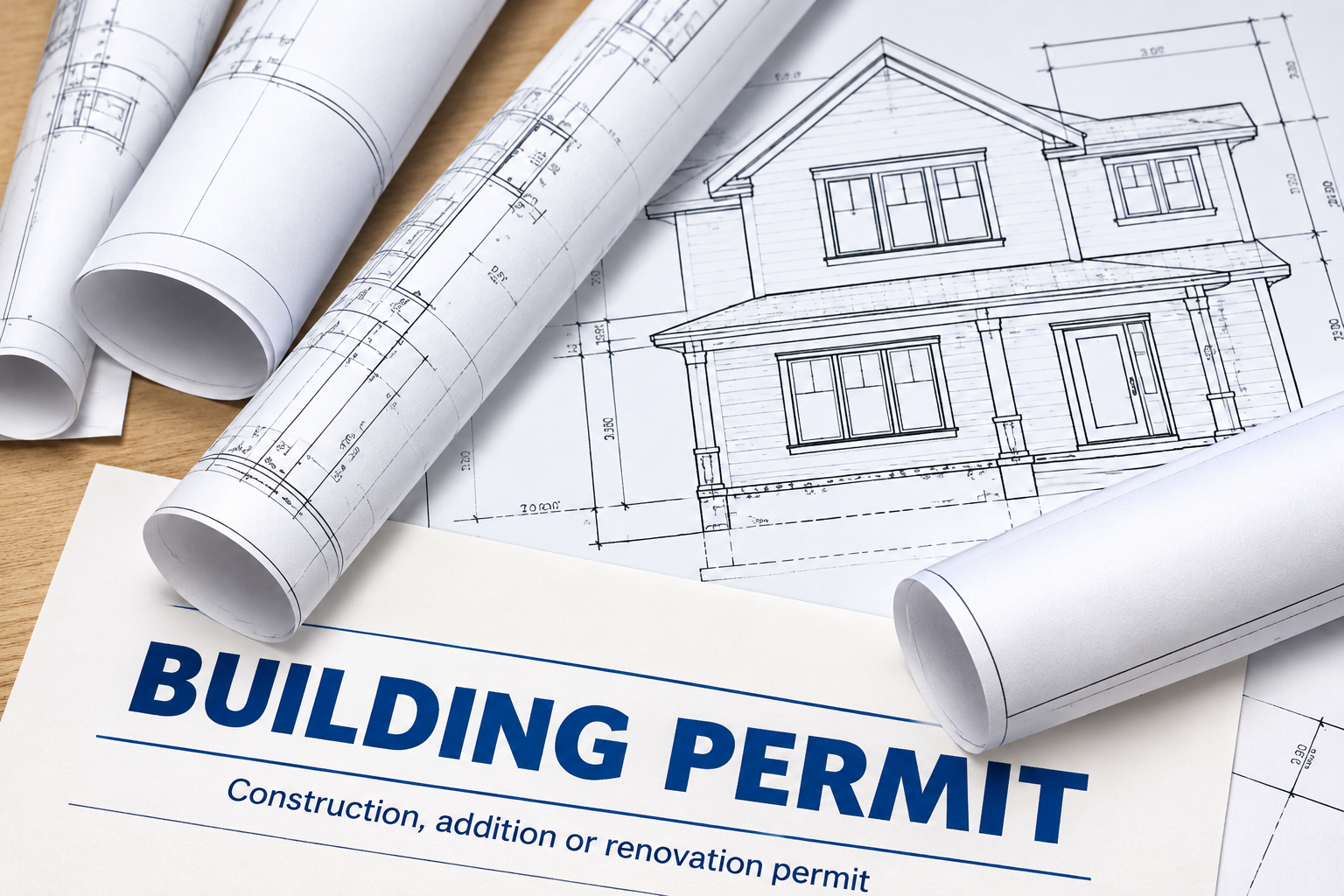
Homeowners in Kingston, Loyalist Township, South Frontenac, Central Frontenac, Greater Napanee, Leeds and the Thousand Islands, and other municipalities must check the regulations that apply to their property.
Your decision to move or renovate may ultimately depend on what the municipality will permit you to build on your existing lot.
Homeowners considering an addition can review Ontario’s building permit guidance for information about approvals, construction requirements, and situations where additional permits may be necessary.
Special considerations for rural additions
Rural properties can provide more space for expansion, but they may involve complications not usually encountered with municipally serviced homes.
For rural homeowners considering whether to move or renovate, the condition and location of existing septic systems, wells, and outbuildings deserve particular attention.
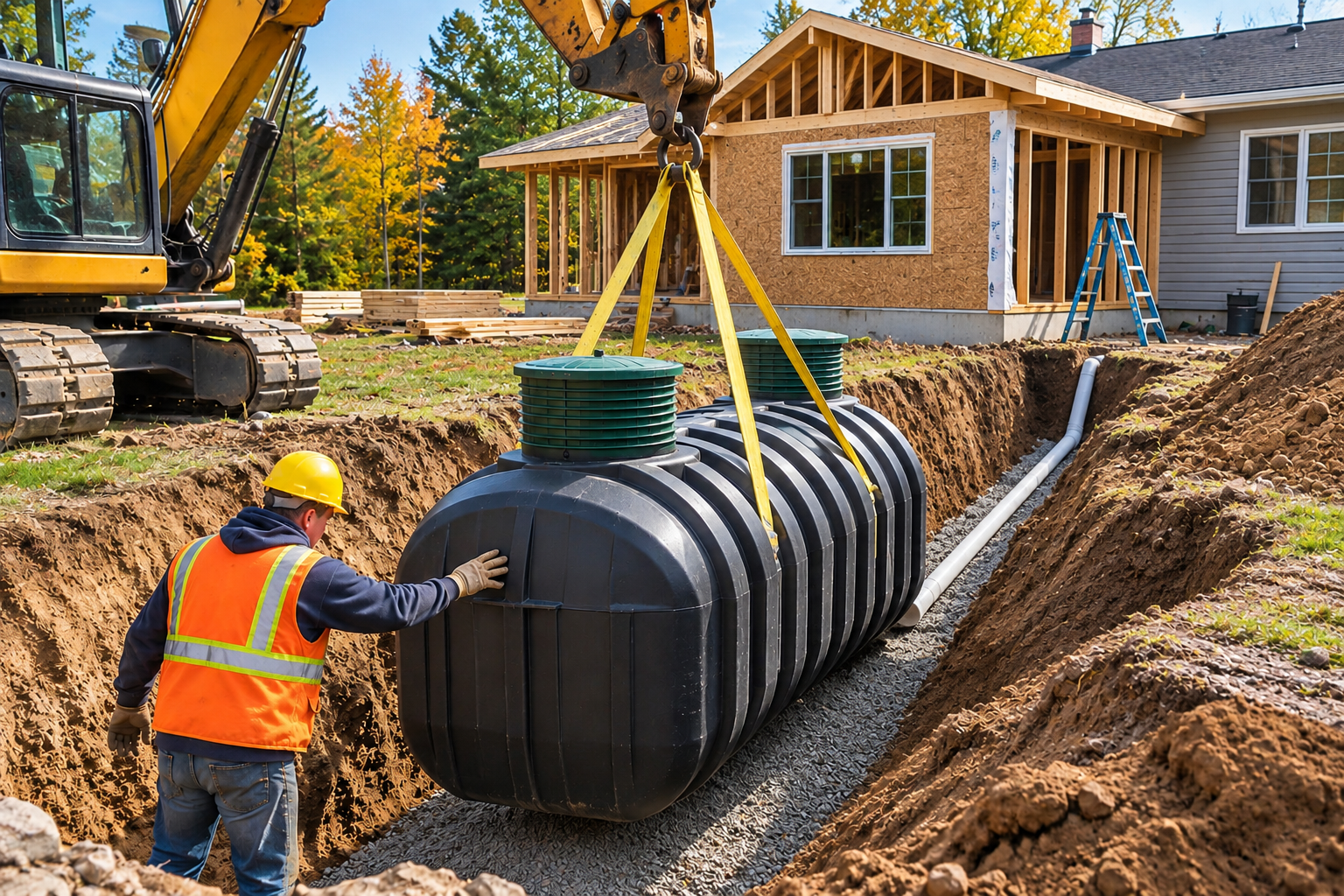
An assessment of the system’s capacity may be required for a property with a private septic system before approving additional bedrooms or plumbing fixtures.
The septic tank and drain field location can also determine where you may place an addition, garage, or other structure.
Existing wells, underground services, drainage patterns, and driveway access may influence the design.
Older rural homes sometimes have electrical, heating, or structural systems that require upgrades to accommodate additional living space.
These considerations don’t prevent an addition, but they can substantially affect the budget.
Checking the relevant requirements before committing to construction is important.
What does an addition really cost?
Building an addition can be more complicated than homeowners initially expect.
The project may involve excavation, foundations, framing, roofing, windows, insulation, electrical work, plumbing, heating modifications, and interior finishes.
Connecting the addition to the original structure can add costs. Rooflines may need modification, exterior walls may require removal, and existing mechanical systems might need upgrading.
The budget must also include professional design services, engineering, building permits, and inspections.
Construction costs vary considerably depending on the size, complexity, location, and existing condition of the property.
Obtaining detailed estimates from qualified contractors is essential. Include a contingency allowance for unforeseen expenses.
Another practical consideration is living through construction.
Depending on the scope of the work, homeowners may experience months of noise, dust, restricted access to parts of the house, or temporary disruptions to essential services.
For a family with young children, pets, or someone working from home, that inconvenience may influence the decision.
The choice to move or renovate should also account for temporary accommodation, construction delays, and changes to the original project budget.
Move or renovate: Which makes more financial sense?
The financial comparison should go beyond the initial construction estimate or the asking price of another house.
Suppose your current home is worth $550,000, and you’re considering spending $150,000 on major renovations and an addition.
That represents a substantial investment. However, it doesn’t automatically mean that the improved property will be worth $700,000.
Real estate values depend on the local market, the property’s overall appeal, and what buyers will pay for comparable homes.
If surrounding properties typically sell for considerably less, an expensive addition may leave you with a house that is worth less than your total investment.
If you spend considerably more on renovations than comparable homes in your neighbourhood are worth, you may not recover that investment when you sell
It doesn’t indicate that choosing the renovation was a bad idea. A homeowner intending to remain for another 15 or 20 years might highly value experiencing the improvements during that time.
However, if another move is likely within a few years, the resale implications deserve careful consideration.
The alternative is purchasing a home that already provides the additional space and features you need.
Moving involves its own expenses, including real estate commissions, legal fees, Ontario land transfer tax, moving costs, and any applicable mortgage penalties.
A larger home may also bring higher property taxes, utility bills, insurance premiums, and maintenance expenses.
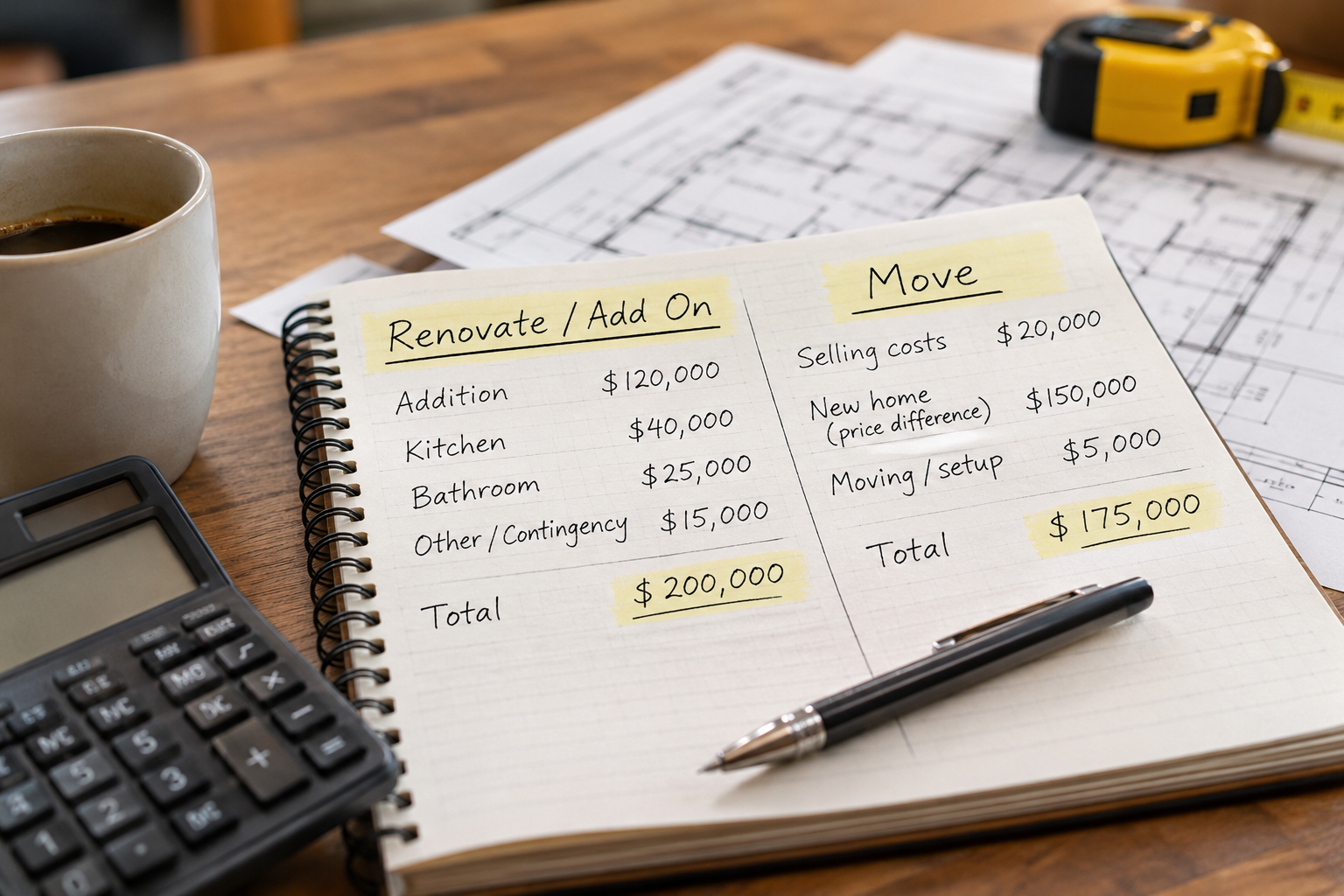
Comparing these costs with a realistic renovation budget provides a clearer picture than simply looking at the difference between two property prices.
The decision to move or renovate becomes important when the existing house meets some of your needs but falls short in other areas
Financing a renovation or another home
Whether you’re planning a major renovation, constructing an addition, or purchasing another property, financing deserves early attention.
Homeowners with sufficient equity may access funds through mortgage refinancing, a home equity line of credit, or another borrowing arrangement.
However, the availability and cost of financing depend on the lender’s requirements, the property’s value, income, credit history, and existing financial obligations.
Refinancing a mortgage may involve legal expenses, appraisal fees, or prepayment penalties, depending on the arrangement.
Borrowing against home equity also means taking on additional debt, even if the renovation increases the property’s value.
For homeowners considering a move, an existing mortgage may offer portability provisions that allow certain terms to transfer to another property, subject to lender approval.
Where additional borrowing is required, the lender may offer a blended rate or another financing arrangement.
Before choosing to move or renovate, compare the interest rates, repayment terms, and borrowing costs associated with each option.
Discussing these possibilities with a mortgage broker or lender before committing to a project or purchasing decision can help identify potential costs and limitations.
The Financial Consumer Agency of Canada explains borrowing against home equity, including the differences between loans and lines of credit secured by your property.
Is moving the better choice?
Sometimes, renovations cannot resolve the underlying reasons a homeowner wants a change.
A property on a busy road will remain on that road, no matter how attractive the kitchen becomes.
A small urban lot may never provide the space needed for a large workshop, an additional garage, or substantial outdoor recreation.
Similarly, homeowners who want to move closer to family, reduce commuting times, or leave a rural property for a home with municipal services may find that renovations don’t address their priorities.
Moving can also be more practical when the existing house requires extensive work beyond the improvements originally contemplated.
For example, a property that needs a new roof, major electrical upgrades, replacement windows, and substantial interior renovations may require an investment that is hard to justify.
Purchasing a property that already meets most of your requirements may offer better value.
On the other hand, moving into a larger or more expensive home doesn’t guarantee that every problem will disappear. The next property may have maintenance issues, an awkward layout, or features that eventually require updating.
If making the changes you want isn’t economical, you may find it easier to decide whether to move or renovate after comparing suitable properties currently for sale.
The objective should be to find a home that improves your living situation without introducing unnecessary financial pressure.
Location matters just as much as the house.
The decision to move or renovate often depends heavily on where the homeowner currently lives.
Someone established in a Kingston neighbourhood such as Bayridge, Henderson Place, or Strathcona Park may be reluctant to leave familiar surroundings, schools, shopping, and community connections.
Families in Amherstview, Napanee, Gananoque, or Harrowsmith may have similar reasons for remaining in their communities.
Rural homeowners may value privacy, room for recreational vehicles, gardens, outbuildings, or the freedom that comes with owning a larger property.
Replacing these features elsewhere could be expensive or difficult, even if purchasing a different house would provide more interior space.
Conversely, the same rural property may eventually become less appealing if commuting, snow removal, lawn care, or maintaining private services becomes burdensome.
Homeowners should consider how their location affects everyday life, rather than focusing entirely on the house itself.
A suitable location is one feature that renovations cannot create.
Consider your future needs before deciding.
Thinking about future accessibility, maintenance, and family requirements can help determine whether to move or renovate for the longer term.
Homeowners sometimes make major decisions based entirely on their immediate requirements.
A growing family may need additional bedrooms today, but those needs could change substantially over the next decade.
Someone approaching retirement may consider an addition or extensive renovation without fully accounting for the physical demands of maintaining a larger property.
A two-story addition might provide valuable space, but would a main-floor bedroom and accessible bathroom be more useful in the long term?
Similarly, a large rural property may seem appealing now, but you should consider the ongoing maintenance.
Thinking about the next 10 or 15 years can help homeowners avoid expensive improvements that may no longer suit their circumstances relatively soon.
Flexibility is often more valuable than simply maximizing square footage.
Don’t overlook the disruption involved.
Both renovating and moving can be disruptive, although in different ways.
A major renovation may require several months of construction, contractor visits, noise, dust, and limited access to parts of the home.
Unexpected problems can delay completion and increase costs.
Moving requires preparing the property for sale, accommodating showings, organizing possessions, arranging financing, and coordinating the purchase of another house.
There may also be temporary storage costs or accommodation requirements if construction or moving schedules don’t align.
The amount of disruption a household can comfortably manage is a legitimate part of the decision.
For some homeowners, living through an extensive renovation is more stressful than moving.
For others, leaving a familiar home and neighbourhood is the less attractive choice.
Getting an independent assessment before making a commitment
When homeowners are uncertain whether to move or renovate, getting professional opinions before committing significant funds can help.
A realistic market evaluation and detailed construction estimates provide a stronger basis for deciding whether to move or renovate.
A qualified contractor can provide information about the feasibility and estimated cost of renovations or an addition.
Municipal building and planning staff can explain applicable requirements, although some projects will also need advice from designers or engineers.
A mortgage broker or lender can help establish financing options.
A REALTOR® can assess the property’s current market value, examine comparable homes, and discuss how proposed improvements might affect resale appeal.
This information lets homeowners compare options using realistic figures rather than assumptions.
It can reveal other possibilities not initially obvious, like buying another property with modest improvement needs instead of doing a major expansion.
Making the right decision for your home
Ultimately, the decision to move or renovate should reflect your household’s needs, financial circumstances, and long-term plans.
Renovating may make sense when you enjoy your location, the existing structure remains sound, and you can complete the desired improvements at a reasonable cost.
Building an addition may provide the extra space you need, provided the property can accommodate it and the investment makes sense.
When you cannot economically address the current home’s limitations, or when lifestyle changes make another location more attractive, moving may be the better option.
There is no single answer that works for every homeowner.
Before making a major commitment, understand what your property is worth, what the proposed improvements will cost, and what comparable homes are selling for in the communities you’re considering.
If you’re thinking about renovating, expanding, or selling your home in Kingston, Frontenac, Lennox & Addington, or Leeds & Grenville, I can help you understand your property’s current market position so you can make a more informed decision.
Frequently asked questions
Is it cheaper to move or renovate?
That depends on the condition of your existing property, the improvements required, and the price of a suitable replacement home. Renovations may cost less when the house needs relatively modest changes. However, extensive structural alterations or additions can become expensive. Compare detailed contractor estimates with the full cost of selling, purchasing, and moving before deciding.
Does building an addition increase property value?
A well-designed addition can increase a property’s value by adding functional living space, bedrooms, or bathrooms. However, the increase in market value may not equal the construction cost. The quality of the work, neighbourhood prices, and demand for larger homes all influence the potential return.
Do I need a building permit for a home addition in Ontario?
Yes. Residential additions require building permits, and the proposed construction must comply with applicable zoning regulations and building requirements. Setbacks, lot coverage, height restrictions, and other limitations may affect what you can build. Homeowners should contact their municipality before proceeding with plans or construction.
Should I move or renovate if I like my neighbourhood?
If you’re happy with your location, renovating may be worth exploring before deciding to sell. Improvements to the kitchen, bathrooms, basement, or interior layout could provide the space and functionality you need. If those changes aren’t practical or affordable, moving to another property in the same community may be an alternative.
Can I build an addition on a rural property with a septic system?
Possibly, but the existing septic system may require assessment, particularly when adding bedrooms or increasing wastewater demands. The location of the septic tank and leaching bed may also limit where construction can take place. You should investigate municipal approvals and, if applicable, conservation authority requirements before committing to the project.
How do I know whether my home is worth renovating?
Start with a realistic market evaluation and obtain detailed estimates for the proposed improvements. Compare the likely value of the completed property with similar homes in the area. Consider how long you intend to remain in the house, since improvements that provide years of enjoyment may still be worthwhile even if you cannot recover their full cost when selling.
Can I use home equity to finance renovations?
Homeowners may be able to access equity through mortgage refinancing, a home equity line of credit, or another secured borrowing arrangement. Approval depends on the lender’s requirements, available equity, income, credit history, and existing debt. Discuss the costs and repayment obligations with your mortgage broker or lender before proceeding.
How long should I plan to stay after a major renovation?
There isn’t a fixed number of years. However, if you expect to move shortly after completing an expensive renovation, you should carefully consider whether the property’s increased market value will justify the investment. Homeowners planning to remain for many years may place greater value on the comfort and convenience the improvements provide.
Should I move or renovate if my house needs major repairs?
Major repairs can change the financial comparison considerably. If your home requires substantial structural, electrical, plumbing, or foundation work in addition to the improvements you want, purchasing another property may be worth considering. Obtain reliable repair estimates and compare the total investment with the cost of suitable alternative homes.
Who should I consult before deciding to move or renovate?
A REALTOR® can provide a market evaluation and information about comparable properties. Qualified contractors can assess renovation costs, while designers, engineers, and municipal building staff can help establish whether proposed additions are feasible. Your mortgage broker or lender can explain financing options. Together, this information provides a clearer picture of the available choices.
Don’t miss these guides
If you’re considering renovating, expanding, or purchasing another property, these related articles provide additional information on improvements, financing considerations, inspections, and moving costs.
Top 13 Home Renovations That Add Value in Kingston
Explore renovations that may improve your home’s comfort, functionality, and resale appeal. Learn which improvements deserve consideration before investing in major changes.
Basement Finishing Essentials: Homeowners Guide
Finishing an unfinished basement can provide valuable additional living space without the expense of moving or building an addition. This guide explores key considerations before you start, including moisture control, insulation, ceiling height, building permits, and planning a functional space that meets your household’s needs.
Buy First or Sell First? Kingston Home Strategy
If you’ve decided moving is the better choice, deciding whether to sell your existing property before buying another is an important next step. This guide explains the considerations involved.
Home Closing Costs in Kingston and Area
Purchasing another property involves expenses beyond the purchase price. Review Ontario land transfer tax, legal fees, adjustments, insurance, and other costs that should be included in your moving budget.
Guide to Rural Heating Systems
If you’re considering moving to a rural property or renovating your existing country home, learn about propane, electric heating, heat pumps, wood-burning systems, and other heating arrangements that can affect operating costs and maintenance.