


What counts as a secondary unit in Kingston?
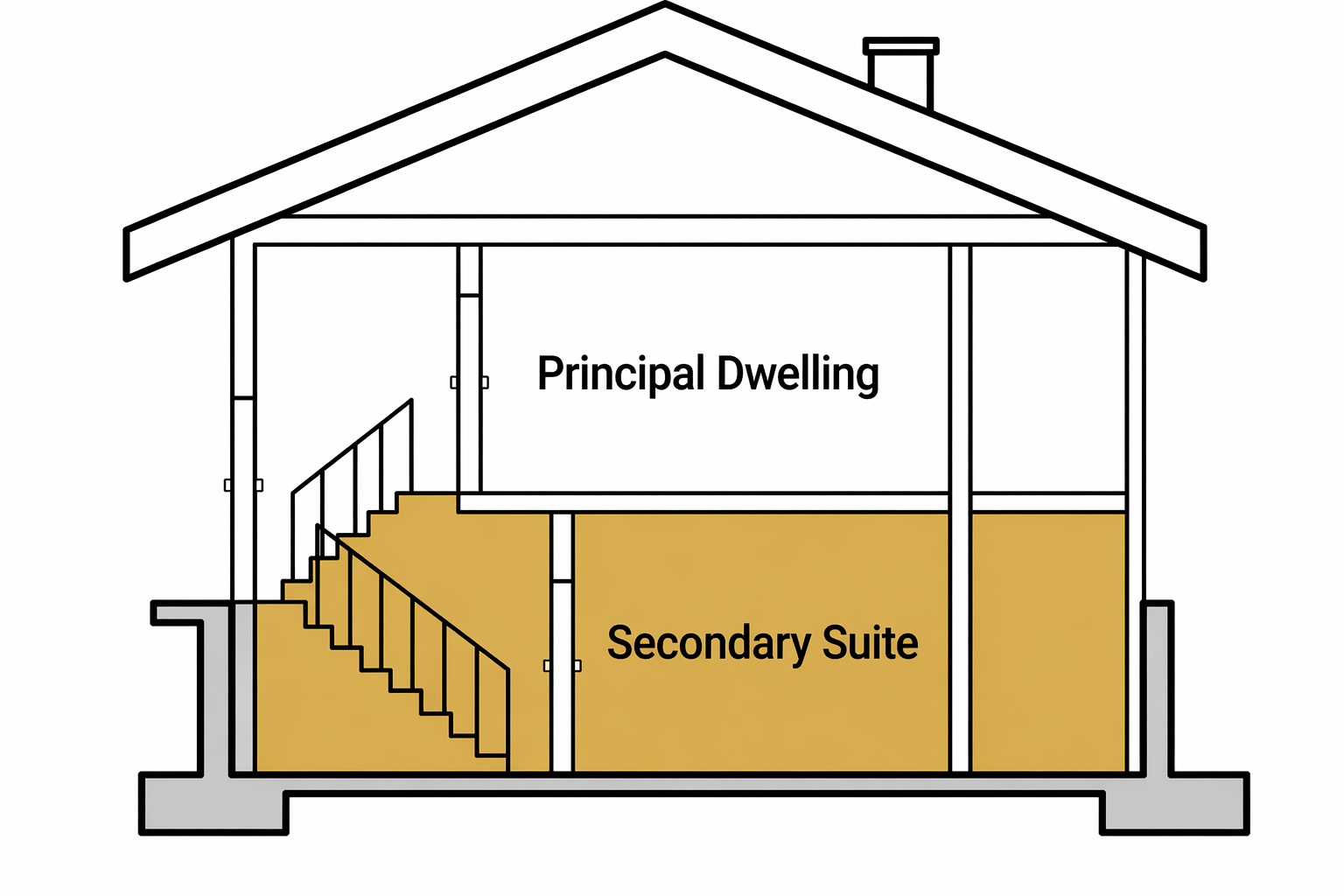
Kingston recognises four main types of additional residential units, including in-law suites, each offering distinct advantages for homeowners seeking flexibility and privacy, including attached additions, detached structures, converted garages, and interior conversions. 1. Attached units as an addition to the primary home. These can work well where there is enough space, but still need to meet setback, lot coverage, and servicing requirements. 1. Attached units as an addition to the primary home can serve as in-law suites. These can work well where there is enough space, but still need to meet setback, lot coverage, and servicing requirements. 2. Detached units, often called coach houses or garden suites, are separate structures on the same lot. They offer the best privacy, but come with higher costs and stricter zoning and servicing requirements. 2. Detached units, often called coach houses or garden suites, are separate structures on the same lot and can be excellent in-law suites. They offer the best privacy, but come with higher costs and stricter zoning and servicing requirements. 3. Converted garage units reuse existing structures. These can be practical, but often require upgrades to insulation, ceiling height, and utilities to meet code.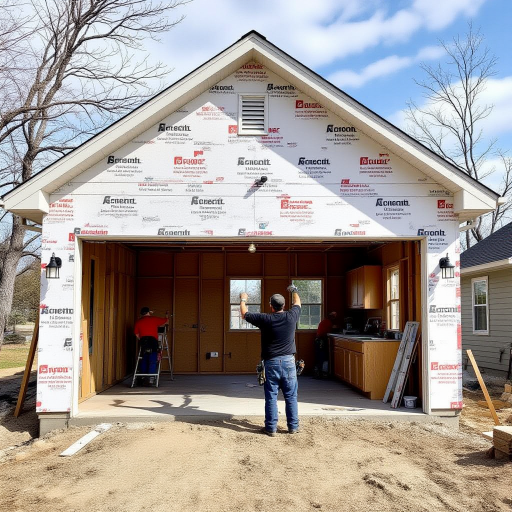
Zoning, access, and permit issues
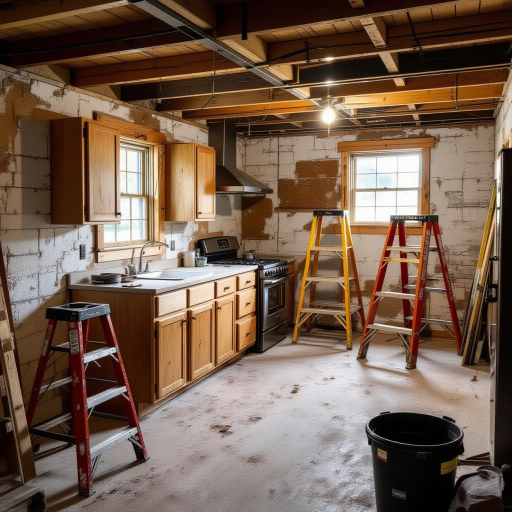
In-law suites can enhance the functionality of a property, providing living space for family members or rental income opportunities. Not every property can support a second unit, even if the space appears to. Zoning dictates what is permissible, influencing lot size, setbacks, and servicing. Similar homes can have different options based on zoning regulations. When planning to create in-law suites, homeowners must consider zoning regulations that can affect their options. Access is more than just adding a door. Proper planning of entrances, especially side entrances, ensures safety and compliance, helping residents feel confident in their development choices. A proper unit also requires a safe route from the street. Kingston typically requires a clear pedestrian pathway, about 1.2 metres wide, leading to the entrance. This path must be usable by occupants and emergency services. Designers must thoughtfully design access routes to in-law suites to ensure safety and ease of use. Building code requirements are strict. Ceiling height must meet minimum standards. Bedrooms need proper egress windows. Fire separation between units is required. The building code requires the interconnection of smoke and carbon monoxide alarms. The diagram below presents a simplified example illustrating how fire separation and alarm systems should work.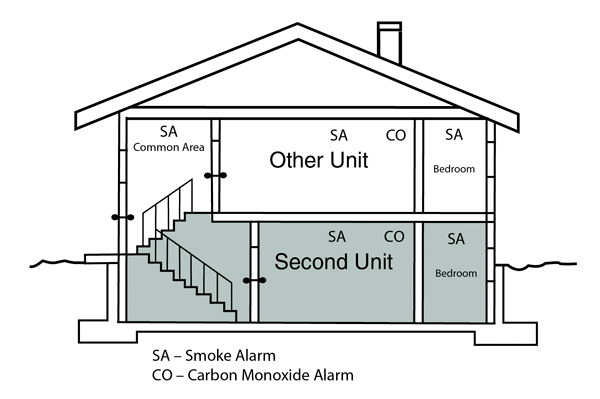
Official Kingston guide and where to verify details
The City of Kingston provides a detailed Second Residential Unit Permit Guide that outlines zoning, building requirements, and the approval process.
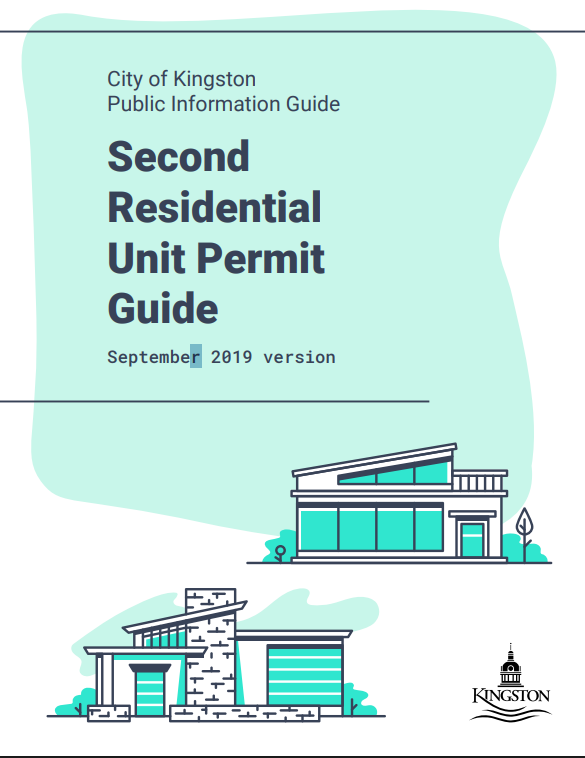
If you are considering adding or confirming a secondary unit, it is worth reviewing the full document:
👉 Second Residential Unit Permit Guide – City of Kingston
This guide covers requirements such as ceiling height, entrances, fire separation, and servicing in more detail than most listings provide.
Role of a home inspection
A home inspection can help you understand whether a secondary unit appears to meet basic safety and building standards. A thorough inspection of existing in-law suites is essential to ensure they meet safety and building standards. Inspectors look at items such as ceiling height, electrical work, exits, and visible fire separation. They can often identify issues that suggest a unit did not meet code or may not meet current requirements. That said, an inspection helps identify potential safety issues but does not determine whether a unit has received legal approval or meets all municipal requirements. In-law suites that do not meet municipal requirements may face challenges in gaining legal approval. Permits and adherence to local zoning and building codes establish legal standing. Upgrades or permissions could be necessary for a unit built without permits, regardless of its finished appearance. An inspection is a useful step, but you should pair it with confirming permits and zoning before relying on a unit for legal income or long-term use. Before building an in-law suite, confirm permits and zoning are compliant.Parking, a common limiting factor
Parking is one of the first things that restricts what can be done with a property. In-law suites can also pose parking challenges, as each additional unit typically requires one parking space. Each additional residential unit typically requires one parking space. Kingston allows tandem parking, which helps in tighter areas, but still requires coordination between households. Also, regulations restrict how much driveway space you can add. They limit the width, and you cannot simply expand it to accommodate more units. Homeowners must navigate parking regulations when adding in-law suites to their properties. If a property is in an area where no parking is required for the principal home, the secondary unit may also be exempt, depending on the zone. Right-of-way access adds another layer. Parking spaces must be on your own property unless there is a legal agreement in place. Access paths must continue to comply with width and safety regulations. Ensuring adequate right-of-way access for in-law suites is essential for compliance and safety.Municipal services and septic, City vs rural reality
Servicing is one of the biggest differences between Kingston and the surrounding areas. In-law suites being added to properties in rural areas often face different servicing challenges than those in urban settings. Kingston’s municipal water and sewer lines reach most homes. That makes adding a unit more straightforward, assuming zoning allows it. Outside urban areas, many properties rely on wells and septic systems. Adding a second unit increases demand on those systems and often requires upgrades. Upgrading systems may be necessary when installing in-law suites, especially in rural areas. Some nearby communities, such as Amherstview, Bath, Napanee, and Deseronto, have municipal or communal systems that make expansion easier. In other areas, servicing limits what can be done. Septic systems are often the deciding factor. Older systems may not have the capacity for additional use. Upgrades can be costly, and sometimes there isn’t enough usable space on the lot to install a larger system. The potential for in-law suites on similar properties can vary significantly based on servicing capabilities. The potential of two similar properties can vary because of this major cause.Why Kingston is encouraging in-law suites / secondary units
Kingston encourages in-law suites to address housing needs and increase rental options. Kingston is actively encouraging the development of additional residential units to address a housing shortage, especially in the rental market. Programs are in place to support this, including financial incentives to help offset construction costs for legal units. These should increase housing availability and give homeowners more flexibility. In-law suites are a crucial part of the strategy to make housing more affordable and accessible in Kingston. The opportunity is genuine, but it comes with expectations. Meeting code requirements and getting permits are essential.The financial side requires realistic expectations
Creating in-law suites can offer financial benefits to homeowners if executed properly. A legal secondary unit can help offset housing costs. Sometimes lenders will consider rental income when qualifying a buyer. That applies only when the unit meets the requirements. Informal or noncompliant setups often carry less weight. Realistic expectations are necessary when developing in-law suites, as costs can accumulate quickly. Creating a legal unit involves actual costs. Entrances, kitchens, bathrooms, electrical upgrades, fire separation, and permits all add up. What looks like a simple conversion can become a significant investment. Resale value depends on execution. A legal, well-designed unit can attract more buyers. A questionable setup can limit interest and create concerns. The marketability of in-law suites can significantly affect resale value, making design and compliance critical.The main point
In-law and secondary suites can be one of the most practical ways to make a property more flexible and financially workable in Kingston and the surrounding area.
The opportunity is there, and the City is encouraging it. The details matter. Zoning, permits, access, parking, and servicing all play a role in whether a unit works as intended.
Understanding the full requirements and costs can make what initially appears straightforward more complex. A finished space does not always mean a legal or functional secondary unit.
Confirming these details beforehand prevents future surprises.
Once the property works on paper, the next step is understanding how it works in real life. You can read more here: Multi-Generational Living in Kingston and Area: A Practical Guide.
________________________________________________________________________________________________________________________
FAQ
What permits are required to create a secondary unit?
A building permit is required, and the work must meet Ontario Building Code standards. This includes fire separation, exits, ceiling height, and ventilation. You might require further approvals for plumbing, electrical, or septic upgrades.
How do I confirm zoning allows a secondary unit?
You must check zoning for the specific property using Kingston’s zoning by-law map. Kingston’s zoning by-law map uses lot size, setbacks, servicing, and location to determine what is legal.
Does a finished basement with a kitchen mean the unit is legal?
No. A finished space does not confirm legal status. Legal recognition depends on permits, inspections, and compliance with zoning and building code requirements.
Will a home inspection confirm if the unit is legal?
No. An inspection can identify safety concerns or potential code issues, but it does not confirm legal approval. Permits and municipal records determine that.
What are the parking requirements for a secondary unit?
Typically, one parking space is required per additional unit. However, driveway size and zoning limits can restrict tandem parking options.
Can I add a secondary unit on a rural property?
Possibly, but septic capacity is often the limiting factor. A review may be required, and upgrades can be costly or not workable depending on the lot.
Are there financial incentives available?
Yes, Kingston offers programs to support additional residential units, and federal tax credits may apply for certain renovations. These help offset costs but do not replace proper planning.
Does a legal secondary unit increase property value?
A properly built, legal in-law suite can improve value and marketability. A non-compliant setup may reduce buyer interest or require correction before sale.
_________________________________________________________________________
Don’t Miss These Guides
Understanding secondary units is only part of the picture. These guides expand on renovation, financing, and decision-making before moving forward.
Kingston and Area Home Buyers Guidebook 2026
A step-by-step look at the buying process, including how to evaluate properties with in-law suites or secondary unit potential.
Working with a Kingston REALTOR®: What You Should Expect
What a REALTOR® should help you uncover, including zoning limits, permit history, and risks that are not obvious in a listing.
Purchasing a Fixer-Upper in Kingston and Area 2025–26
What to expect when buying a home that needs work, including renovation costs, timelines, and whether a secondary unit is realistically achievable.
Basement Finishing Essentials – Homeowner’s Guide 2026
What actually goes into finishing a basement properly, including layout, ceiling height, sound control, permits, and the difference between a renovation and a legal unit.
8 Hidden Costs of Buying a Home in Ontario
Costs buyers often miss, including upgrades, permits, servicing, and the added expense of bringing a secondary unit up to code.