



So you have heard about Kitec plumbing, but know very little about it.
If you own a home built or renovated between the mid-1990s and the mid-2000s, or if you are considering homes from that era, you may come across Kitec plumbing. The system, found in homes, cottages, rural locations, and many condo buildings nationwide, is now recognized as posing potential risks. Before buying or selling, buyers, sellers, and condo owners need to be aware of these risks and conduct thorough inspections.
For Kingston residents, this guide explains Kitec’s usage, failure reasons, identification methods, safety assessment, and expectations from insurers and inspectors. Understanding Kitec plumbing is not only crucial but also empowering for homeowners and buyers, as it gives them the confidence to make informed decisions.
What Kitec plumbing is
Kitec was a flexible water pipe made of plastic, aluminum and adhesive layers, along with brass alloy fittings. The company marketed Kitec as a modern alternative to copper, which offered fast installation and cost-effectiveness. Builders used it heavily in both municipal and rural settings around Kingston, Napanee, Bath, Amherstview, Gananoque, Sydenham, and cottage areas north of the city.
This product was also marketed as PlumbBetter, WarmRite, Aqua, and AmbioComfort.
The issue today is that both the brass fittings and the pipe itself have shown long-term deterioration in real Canadian conditions.
What years were homes with Kitec built?
Contractors commonly installed Kitec between approximately 1995 and 2007. Around 2005, they issued a recall, but some contractors continued to use the remaining stock for another year or two. If someone built, remodeled, or did radiant heating work on a Kingston area home during that time, you should reasonably check for Kitec;
Why Kitec became a problem
Over time, two major problems emerged.
The brass fittings corroded.
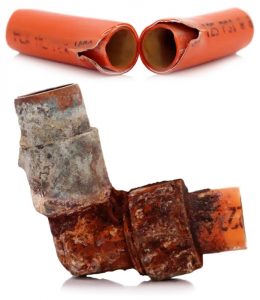
The manufacturer used a high-zinc alloy to make the fittings. Over time, the zinc migrated out in a process called dezincification. The metal weakened until leaks or bursts occurred. The piping failed under heat and pressure. On hot-water lines and radiant lines, the inner layers broke down. Some failures were sudden and caused significant water damage, especially in finished basements and mechanical rooms.
Kitec failures are often sudden rather than slow. Instead of small drips, the system may burst without warning, resulting in significant water damage. The pipe has a maximum heat tolerance of about 82 degrees, and some hot water tanks exceed this temperature. This speeds up deterioration, particularly in mechanical rooms, finished basements, and radiant heating systems.
Some systems failed within seven to ten years of installation, far sooner than expected for modern plumbing systems.
The class action settlement and what it means today
Following widespread failures in Kitec systems, people launched a North American class action lawsuit, and a settlement fund of $125 million helped homeowners with replacement costs. It is now too late to file a claim since the deadline has passed. However, the settlement acknowledges the known risks of the product, contributing to insurers and lenders perceiving Kitec as a greater liability.
The settlement is now fully closed, which affects homeowners and buyers in several ways:
- Today’s financial support options are none.
- Buyers cannot rely on reimbursement programs
- Sellers cannot suggest future compensation
- Replacement is the responsibility of the current owner
- Condo corporations that delayed work must now fund it through reserve funds or special assessments
In the Kingston region, homes with Kitec often sell for less or include credits at closing. Buyers should budget for replacement, and sellers should clearly disclose this to avoid misrepresentation claims.
Was Kitec used in radiant floor heating
Yes. The industry widely used Kitec in hydronic radiant floor systems, boiler lines, and baseboard heating loops. These installations can be more concerning than domestic hot water lines because radiant systems run at higher temperatures and sustained pressure.
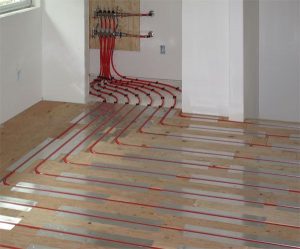
A leak inside a floor or slab often requires removal of tile, hardwood, or concrete. In condos, radiant leaks can affect multiple units. In rural slab-on-grade homes north of Kingston, repairs can be disruptive and expensive.
If a home has radiant heat and the builders or renovators worked during the Kitec years, buyers should consider it a potential risk until they thoroughly inspect it. This thorough inspection is crucial to ensure the safety and quality of the plumbing system.
Kitec in condominiums
Some condominium buildings in Ontario installed Kitec during construction or renovations between 1995 and 2007. In these buildings, replacement work can involve multiple units and vertical plumbing stacks, which increases costs and disruption. Sometimes, condo corporations issue special assessments to fund system-wide replacements. It is advisable for buyers to examine the status certificate for any indications of plumbing upgrades, reserve fund distributions, or potential Kitec assessments.
Kitec in rural and cottage settings
Kitec also appeared in many rural and cottage properties across Eastern Ontario, particularly in underground water supply lines. Installers sometimes placed it between a drilled well and a home, a house and a separate garage, a pump house and a cottage, or outbuildings like workshops and barns. These installations present their own challenges because well pumps operate at higher pressures than municipal systems, and the freeze-thaw cycle places additional stress on buried lines. Underground leaks may go unnoticed until the well empties, and repairs often require excavation, potentially causing the removal of driveways, patios, or landscaping. If Kitec was used in rural plumbing in many KAREA service areas, fixing its failures is difficult and expensive.
How to identify Kitec plumbing
Kitec is usually easy to recognize.
Colours
The two most common colours are:
Bright orange for hot water lines
Bright blue for cold water lines
Some variations appeared in red or blue under sub-brands, but orange and blue are the most clear signs. Visible sections may only show part of the system, and a home can contain Kitec behind finished walls, even if people find only a small exposed segment.
Markings to look for
Kitec
ASTM F1974
CSA B137.9 or CSA B137.10
PlumbBetter
WarmRite
Aqua
AmbioComfort
If builders constructed or renovated your home between 1995 and 2007 and it has these markings, Kitec may be present. A yellow caution sticker on some electrical panels warns against running water lines, such as Kitec, near or through electrical components.
How to tell if the plumbing is a safe, modern brand
Many modern plumbing systems also use red and blue flexible pipes. However, the key difference is in the labelling, not the colour.
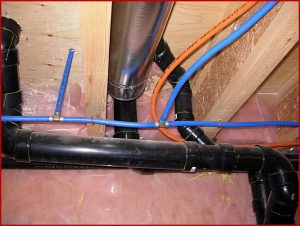
Safe PEX markings
If the plumbing says any of the following, it is a modern, approved system:
PEX
PEX A
PEX B
PEX C
ASTM F876
ASTM F877
CSA B137.5
Common safe brands
Uponor, also known as Wirsbo.
Rehau
IPEX
Bow SuperPEX
PEX tubing will always have clear printed labelling, a brand name and a CSA rating. Kitec rarely lists PEX at all.
Fittings
Modern fittings include:
Low zinc brass
Plastic fittings
Stainless steel crimp rings
Expansion rings on Uponor systems.
Kitec plumbing fittings may appear dull and exhibit early surface corrosion.
Age of installation
Plumbing installed after 2007 is almost always PEX or copper.
When in doubt?
When in doubt about the safety of a plumbing system, it’s crucial to seek the expertise of a licensed plumber. They can quickly identify the system and provide a professional confirmation of its safety, ensuring peace of mind for homeowners and buyers. Remember, you’re not alone in this process.
How insurance companies view homes with Kitec
Insurance companies in Ontario treat Kitec as a known plumbing risk, and their responses can vary from one provider to another. Many will insure a home that still contains Kitec, but the policy may come with conditions. Sometimes, insurers require the homeowner to replace the plumbing as a condition of coverage. In contrast, others raise deductibles for water damage or exclude water damage altogether if the failure originates from Kitec. Certain companies refuse to insure the property until the homeowner updates the system. Insurers often require a licensed plumber’s confirmation of prior plumbing upgrades. Buyers should consult with their insurance provider early in the process to avoid any surprises after they fall in love with a property.
In condominium buildings, it is worthwhile to review the corporation’s insurance policy and any engineering or building reports that mention Kitec. If a replacement project is expected, the corporation may require a special assessment to cover the costs of the work.
How mortgage lenders view homes with Kitec
Mortgage lenders often approach Kitec homes cautiously. Lenders may require proof that they will replace the plumbing post-closing or that they will issue a credit toward the purchase price for the cost. Others require proof that the property is insurable with no caveats. In condominium buildings, lenders may scrutinize the reserve fund to ensure it suffices to cover major plumbing replacement work if needed. Suppose a lender believes there is a risk of future water damage or a pending special assessment. The lender might delay financing approval until the buyer and seller create a definite plan if that’s the case.
What buyers should do?
Buyers viewing homes built between 1995 and 2007 should specifically look for Kitec during showings and inspections. If it is present, the next step is to understand the scope of the installation and the cost of replacement. A written quote from a licensed plumber helps reinforce your negotiations and gives you a realistic idea of what the work will involve. Buyers should confirm that insurers will cover the home, determine if the property has radiant heating or underground rural lines, and ask questions about any past plumbing work. In condominium buildings, it is essential to review documentation about previous replacements and any planned assessments.
Inspectors usually see Kitec, so they treat it as a patent defect. Sellers should answer questions honestly, and buyers should confirm any issues during the inspection. While there is no universal requirement to disclose a patent defect, failing to disclose known Kitec damage, leaks, or repairs can still lead to legal issues, so clarity on both sides is essential.
What sellers should do
Experts consider Kitec plumbing a material defect because it affects both a property’s value and the cost of future ownership. Sellers must disclose Kitec if they know it is present and if past leaks, repairs, or insurance issues have occurred. Most sellers choose to get a written plumbing quote before listing, so buyers understand the scope of the work and the likely cost. Providing this information early builds trust, keeps negotiations predictable, and helps avoid last-minute issues that can derail an otherwise solid agreement.
Sometimes, the parties deal with Kitec directly in the Agreement of Purchase and Sale. A buyer may acknowledge Kitec and accept responsibility for replacement after closing, or the seller may complete the work before closing at an agreed cost. These clauses provide both parties with a coherent plan and prevent misunderstandings about who handles the repairs. They are invaluable when timelines are tight or when lenders or insurers require certainty before approving the transaction. Clear disclosure and well-written APS terms ensure a smooth process and reduce the likelihood of disputes later on.
Final thoughts.
Kitec is now well past its expected lifespan. In our region, with its mix of historic homes, rural properties, cottages, and modern condos, understanding this system helps reduce risk and unexpected costs. With the correct information, homeowners can plan and move forward confidently.
Call to action
If you have questions about Kitec in a home you are buying or selling in Kingston or the surrounding communities, I can walk you through what to look for and connect you with trusted local plumbers and inspectors.
FAQ
How can I tell if a home has Kitec plumbing?
Look for bright orange hot-water lines and bright blue cold-water lines. Labels on the pipe usually say Kitec, PlumbBetter, WarmRite, Aqua, or ASTM F1974. These markings may appear near the hot water tank, in the mechanical room, or behind access panels.

Is Kitec plumbing still dangerous if it has not leaked yet?
Yes, Kitec can fail without warning. Even if the system appears fine today, age, pressure, and heat can cause sudden bursts. Inspectors should check homes built or renovated between 1995 and 2007.
What is the cost to replace Kitec plumbing in a house?
Replacement typically ranges from $5,000 to $15,000 in Ontario. The size of the home, the number of fixtures, and the amount of drywall that must be opened determine the costs.
Does Kitec affect home insurance?
Most insurers treat Kitec as a known plumbing risk. Some will insure the home with a higher deductible. Some require replacement. Others may refuse coverage until you remove the plumbing. Buyers should confirm coverage before finalizing a purchase.
Do mortgage lenders care if a home has Kitec plumbing?
Yes. Some lenders may not approve a mortgage unless the buyer has a plan to replace the Kitec or is receiving a credit at closing. Buyers should check with their lender early.
Do sellers in Ontario have to disclose Kitec plumbing?
Inspectors usually see Kitec, so they often treat it as a patent defect. Sellers must answer honestly if asked, and they should disclose any known Kitec-related damage or past failures, though laws and situations vary.
If the inspection reveals Kitec, what steps should buyers take?
Buyers can negotiate a price reduction, request a replacement before closing, or include a clause confirming who will cover the cost. Consult with your REALTOR® and inspector to confirm the scope.
Is it possible to repair Kitec instead of replacing it?
We do not recommend repairs. Because fittings and pipe can deteriorate in multiple locations, spot repairs do not eliminate the risk. Full replacement is the safest long-term option.
Was Kitec plumbing used in radiant floor heating?
Yes. Many radiant floor and boiler systems installed between 1995 and 2007 used Kitec. These systems run hotter and under steady pressure, which increases the chance of failure.
Is Kitec piping common in rural properties around Kingston?
Yes. Sometimes, people used Kitec plumbing in underground lines between wells, houses, garages, and outbuildings. Failures can be challenging to detect and may require excavation.
📚 Don’t Miss These Guides
Plumbing systems and other hidden components can influence property value, inspections, and buyer confidence. These related guides explore preparation steps, inspection considerations, and buying decisions that affect homes across Kingston and the surrounding Frontenac, Lennox, and Leeds communities.
Preparing Your Home for Sale: Presentation, Privacy, and Security
Preparing a home properly before listing helps sellers address issues that may appear during inspections. This guide reviews practical preparation steps that help homeowners present and protect their property during the selling process.
Kingston Area: Purchasing Your First Home
First-time buyers often encounter unfamiliar systems and building components. This guide walks through the home buying process and highlights practical steps buyers should understand before making an offer.
Top 10 Kingston Home-Selling Tips for 2026
Preparing a property for the market involves more than basic staging. This guide outlines practical strategies that help sellers present their home effectively and attract serious buyers throughout the Kingston area and neighbouring Frontenac, Lennox, and Leeds regions.