


Purchasing a home is exciting, but buyers should also know the potential deal breakers that may affect financing, insurance, resale value, or long-term suitability. Some concerns arise from what an inspector observes on site, while others only appear when reviewing documents, permits, or municipal information. Understand these as potential deal breakers, as correct information and professional guidance allow negotiation or resolution of many issues. Identifying deal breakers early can save time and money.
A REALTOR® collects details, spots red flags, and recommends consulting a specialist to assist buyers and sellers in managing these concerns. This article outlines the most common deal-breakers in a home sale and explains why they matter. As with any property, conclusions are based on the information available at the time of the transaction. When major issues appear, engineers, septic experts, water testers, lawyers, or other qualified professionals may complete the assessment.
Structural movement and foundation issues can be deal breakers.
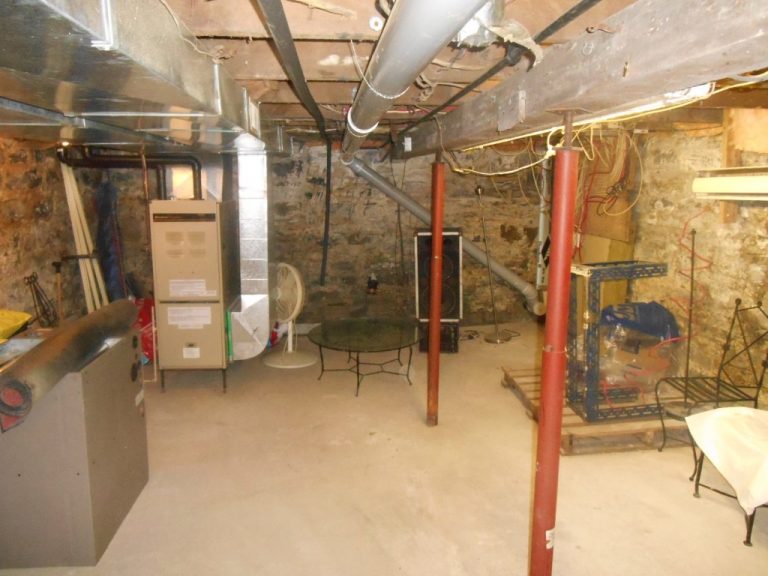
Significant structural concerns are among the most common reasons buyers reconsider a purchase. A home inspector may note deterioration, shifting, bowed walls, or large cracks that could affect safety and stability. These issues often influence buyer confidence and negotiation strategies, as they can affect long-term costs. Engineers help determine the seriousness of the problem, and depending on their findings, it may be a deal breaker; some buyers opt to negotiate repairs or price adjustments.
Deal breakers can vary significantly from one buyer to another, depending on personal circumstances and financial situations. For some, a minor repair might not be a deal-breaker, while for others, it could signal a significant risk.
Roof problems and attic warning signs
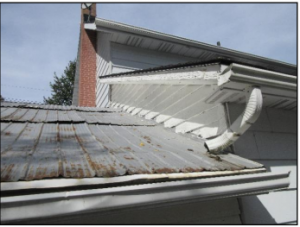
A failing roof can lead to leaks, mould, ventilation problems, and future repair bills. Missing shingles, poor flashing, sagging gutters, or attic staining often signal that replacement is approaching. These concerns may influence negotiation strategy if the buyer faces high future costs. For some, this becomes a deal-breaker; for others, it is a manageable repair.
When evaluating a property, buyers should consider how potential deal breakers might affect their long-term living experience and financial investment.
Plumbing concerns that may become deal-breakers
Older plumbing systems, slow drains, visible leaks, and evidence of past water damage can influence a buyer’s decision. While addressing many plumbing issues is possible, a licensed plumber will need to evaluate concerns such as deteriorated supply lines or chronic leaks. In rural homes, additional considerations include the condition of wells, pressure systems, and water quality. When plumbing concerns carry long-term cost implications, they may become potential deal breakers, depending on the buyer’s comfort level.
Understanding how plumbing concerns can become deal breakers is crucial for buyers who may not be familiar with the costs associated with replacement or repair.
Electrical hazards can be a deal-breaker.
Outdated panels, open grounds, aluminum wiring, and amateur renovations can create safety issues and affect insurance eligibility. Some electrical updates are straightforward. Others may involve panel upgrades, rewiring, or improvements that add unexpected costs. Whether this becomes a deal-breaker depends on the buyer’s budget, insurance requirements, and timeline.
Electrical updates are often necessary, and buyers should be mindful of how these changes can become deal breakers if they exceed their budget.
HVAC and mechanical failures
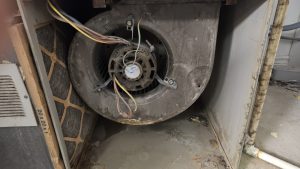
Mechanical issues such as a furnace that will not start, a blower motor showing signs of failure, or older equipment approaching end-of-life can influence negotiations. Heating and cooling systems are essential in our climate, and major replacements can affect affordability. These concerns often prompt buyers to seek further evaluation from HVAC technicians. They may become deal-breakers or items to negotiate.
Sometimes, mechanical issues that arise during the inspection may not be immediately apparent but can later become deal breakers, affecting the sale.
Moisture, water intrusion and mould
Moisture concerns can have long-term implications for structures, indoor air quality, and repair costs. Staining, musty odours, swollen materials, or visible mould growth often show the need for further assessment. Whether moisture becomes a deal-breaker depends on severity, cause, and remediation requirements.
Buyers should also know how moisture issues can become deal breakers, particularly in humid climates where mould growth can occur.
Exterior envelope issues
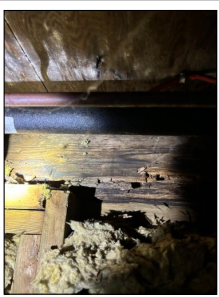
Poor siding condition, rotting trim, cracked masonry, or deteriorated caulking can invite water intrusion. Sometimes, these issues require extensive remediation. Buyers must understand the potential scope of work before deciding whether this is a deal breaker or a manageable future improvement.
Exterior envelope issues not only affect aesthetics but can also serve as deal breakers if they imply significant repair costs.
Pests and wildlife intrusion
Rodent or insect activity may show entry points, damaged insulation, or sanitation concerns. Pest control specialists can clarify the extent of the issue and the repairs required. Depending on the buyer’s tolerance and budget, this can become a deal-breaker.
Recognising signs of pests early on can prevent these issues from escalating into deal breakers that deter potential buyers.
Renovations completed without required permits
Renovations become a concern when they involve structural changes, additions, or major plumbing and electrical alterations, particularly when these upgrades change how the property functions. Work such as building an addition or garage, constructing a large deck, significantly altering the structure, installing a pool, or finishing a basement to add new living space requires municipal permits and inspections. When sellers have made substantial improvements without proper approval, buyers may face uncertainties about safety, insurance, resale value, and the municipality’s willingness to approve future changes. For some, this becomes a deal-breaker; for others, it is simply a matter of understanding what may be required to bring the work into compliance.
Understanding the implications of renovations done without permits is vital, as this can be a significant deal breaker for many buyers.
Title issues, liens, boundary concerns, and estate-sale delays
Legal and boundary-related issues can surface during the document review stage and may affect a buyer’s ability to take ownership as planned. Liens, easements, unclear access rights, or discrepancies in the legal description of the property often require clarification by a lawyer or surveyor. Sometimes, updating documents or agreements can address these concerns. When legal issues are unresolved, they can create significant uncertainty, leading buyers to feel more cautious about proceeding.
Addressing title issues early can prevent them from becoming deal breakers during the closing process.
Property boundaries can create additional challenges, particularly in rural areas where older surveys may be incomplete, fencing may not reflect the actual lot lines, or the recorded acreage may differ from what buyers expect. Rights of way, shared laneways, and long-standing informal access arrangements can further complicate ownership. When legal access is unclear or disputed, buyers may require additional investigation before the completion of the agreement. The lawyers representing each side usually handle this issue.
Estate sales introduce another variable. Before someone can sell a property, multiple beneficiaries and additional legal steps often complicate these transactions. Many times, the estate must go through probate, the legal process that confirms the will and allows the executor to sell the home. Completing probate allows the estate to set or guarantee a closing date. While some estates move through the process quickly, others take longer. For buyers who need a firm timeline, these delays can become a potential deal-breaker.
For buyers, knowing about potential delays in estate sales can help manage expectations and avoid unexpected deal breakers.
Failing septic systems and holding tank restrictions
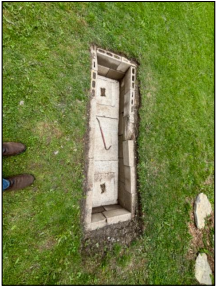
Sometimes, buyers and sellers can negotiate deal breakers, but they need to communicate clearly.
A failing septic system can be one of the highest unexpected costs for rural buyers. In some areas, updated environmental rules permit only a holding tank, which involves ongoing pumping and maintenance. These situations can often be deal-breakers, depending on the buyer’s expectations and intended use of the property. See the Ontario government page for septic tank questions: https://www.ontario.ca/page/septic-systems
Non-potable or contaminated water
It’s a good idea for buyers to check the water quality, as problems could cause the deal to fall through.
Without treatment, the water from some wells is unsuitable for drinking. While treatment systems offer help, purchasers should know testing mandates and ongoing upkeep. Unsafe water is a deal-breaker for some, but others opt for treatment systems.
Insurance barriers that can become deal-breakers
Understanding the local insurance market can help buyers avoid deal breakers related to coverage limitations.

Insurance challenges can arise for a variety of reasons, including older electrical systems, aging plumbing, wood-burning appliances, or past claims. In rural areas, premiums can also be significantly higher because of longer fire response times, limited hydrant access, or distance from the nearest hall. Some properties face additional restrictions when in flood-prone areas or low-lying regions identified by conservation authorities. Insurance companies may require specific upgrades before offering coverage, limit certain risks, or decline coverage altogether. If buyers cannot get suitable insurance at a manageable cost, lenders may not approve the mortgage. These findings may be deal-breakers for some buyers.
Zoning and use restrictions
When buyers find zoning restrictions that limit their plans, it can spin into a deal breaker.
Buyers planning additions, secondary suites, hobby businesses, or outbuildings may encounter zoning limitations, setback rules, or conservation restrictions. When a property cannot support the buyer’s intended use, this becomes a deal-breaker.
Understanding the decision-making process
Being aware of the process helps buyers navigate potential deal breakers that may arise during negotiations.
A deal-breaker does not automatically end a transaction. Instead, it signals a need for more information. The parties can negotiate or plan for some issues. Others may exceed a buyer’s budget or comfort level. REALTORS® help clients interpret these situations, gather accurate information, and know when expert opinions are required. With clear guidance, buyers can decide whether to move forward, negotiate improvements, or choose a different home that better aligns with their needs.
FAQ
Buyers need to understand what deal-breakers are when entering the property market.
What is a deal-breaker in a home sale?
A deal-breaker is a serious issue that may cause a buyer to withdraw unless they get more information or negotiate changes. Expert opinion or adjustments to the offer can resolve many concerns, while the buyer must reconsider others based on cost or risk.
Knowing how to address deal breakers can empower buyers to make informed decisions when purchasing a home.
Is it always possible to fix or negotiate deal-breakers?
Not always. Some issues are manageable with professional repairs or price adjustments, while others involve safety risks, legal complications, or high future costs that buyers may not wish to take on.
Ultimately, each buyer’s resilience in addressing deal breakers will determine the success of their home purchase.
Are rural properties more likely to have deal-breakers?
Rural homes often have additional considerations, such as septic systems, private wells, longer fire response times, and insurance limitations. These do not automatically end a sale but may require additional due diligence before proceeding.
By understanding the factors that can lead to deal breakers, buyers can approach their search with a strategic mindset.
Does every renovation need a permit?
No, cosmetic updates and non-structural interior work rarely require permits. Concerns arise when people complete major work, such as additions, structural changes, or significant plumbing and electrical upgrades, without proper approvals. Check with your local authority.
Properly navigating the permit process can prevent renovation-related deal breakers from derailing a sale.
Why do estate sales sometimes take longer to close?
Many estates must go through probate, a legal process that confirms the will and allows the executor to sell the property. The court’s granting of probate is necessary before the estate can set a firm closing date, affecting buyers with specific timelines.
Awareness of the complexities involved in estate sales can help buyers avoid potential deal breakers associated with probate.
Can murky property boundaries affect a sale?
Yes. If surveys are outdated or rights-of-way are unclear, buyers may need clarification from a lawyer or surveyor. Boundary issues can influence access, planned uses, insurance, and resale value.
Boundary issues can escalate quickly, turning them into deal breakers if left unaddressed.
📚 Don’t Miss These Guides
Preparation, clear expectations, and a better understanding of the buying process can help you avoid many deal breakers. These related guides explore budgeting, inspections, relocation considerations, and renovation risks for buyers navigating the housing market across Kingston and the surrounding Frontenac, Lennox, and Leeds communities.
Match the Home You Buy to your budget
Understanding affordability helps buyers avoid financial strain that can turn into a deal breaker later. This guide outlines how budgeting, mortgage planning, and long-term costs impact home-buying decisions in Kingston and the surrounding areas of Frontenac, Lennox, and Leeds.
First Home Purchase: Kingston Area
First-time buyers often encounter unexpected hurdles. This guide walks through conditions, inspections, financing preparation, and common issues that can complicate a transaction.
Moving to Kingston and the surrounding region.
Moving from another region adds layers of complexity. This guide explains what relocating buyers should consider when evaluating neighbourhoods, pricing, and lifestyle expectations across Kingston and the nearby Frontenac, Lennox, and Leeds counties.
Home Inspections: Benefits for Buyers and Sellers
Inspection findings frequently uncover issues that influence negotiations. Learn how property condition concerns can affect financing, repair expectations, and whether a transaction moves forward.
Purchasing a Fixer-Upper in Kingston and the Area
Properties needing renovation require careful evaluation. This guide explains how fully assessing repair costs, financing limits, and market value before making an offer can prevent them from becoming obstacles.