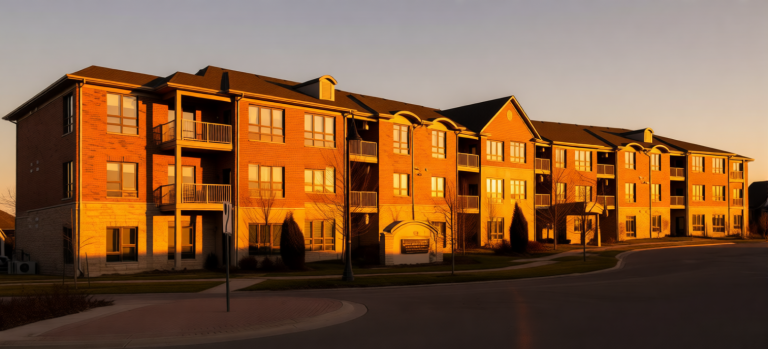
Condo Living in Kingston and Area in 2026 – Downsizing Now?
Many Kingston homeowners consider downsizing at some point, whether their children have moved out, retirement is approaching, or maintaining a house feels like too much work. Some want a simpler life, while others want to use their home’s equity for a more convenient, walkable lifestyle. Moving from a house to a condo is a big step. Knowing what to expect in Kingston can help you transition smoothly, especially if you are thinking seriously about condo living in Kingston.
Many people are discovering the joys of condo living, which offers a unique blend of community and convenience.
Why People Downsize in Kingston
For many long-time homeowners, their house feels too big, with empty rooms and more maintenance than they really want. A couple in their early sixties, for example, may find their four-bedroom house increasingly burdensome after their children have moved out. With unused bedrooms and endless chores, they chose a two-bedroom condo downtown. Now they can walk to their favourite cafes and restaurants and avoid the hassle of downtown parking. Stories like theirs are commonplace; less upkeep and more convenience align with changing priorities.
For those embracing condo living, the lifestyle shift can open up new opportunities and social engagements.
In Kingston and Eastern Ontario, many people relocating from areas like South Frontenac, Napanee, Stone Mills, Gananoque, and Amherstview also decide to downsize. After years in rural or suburban settings, they often want to be closer to hospitals, grocery stores, waterfront trails, and other services they use regularly. So now is the time to consider whether condo living is right for them.
Condo living affords residents easy access to urban amenities, making it a popular choice for many.
The Advantages of Condo Living
The appeal of condo living continues to rise as more individuals seek hassle-free lifestyles.
Condo living in Kingston often starts with a straightforward benefit. You can lock your door and leave without worrying about ongoing maintenance while you are away. Most Kingston condos have staff or property managers to look after the building, which is a real advantage if you travel or spend part of the winter elsewhere.
Condo living can significantly enhance your quality of life, offering both comfort and community.
Another benefit includes the reduction in upkeep. Owners usually care only for the interior of their unit, while the condominium corporation handles the roof, elevators, shared plumbing, hallways, and landscaping. Monthly fees cover these services and help fund future repairs, which reduces surprise costs compared to owning a house.
Amenities can also add significant value. Some buildings offer fitness rooms, workshops, guest suites, and patios. Simpler buildings have lower condo fees. Others provide more shared spaces, making it easier to connect with neighbours and stay active without leaving home.
Many find that condo living leads to a more active lifestyle, thanks to shared amenities and communal spaces.
Location is the standout benefit for many people. Kingston condo living may put you close to transit, downtown shops, hospitals, and the waterfront. Instead of a suburban drive and parking search, Kingston condo living can mean a five-minute walk to a bakery or cafe. Larger urban centres may also offer walkability, but Kingston’s mid-sized downtown feels more accessible and less congested than big city cores. That mix of convenience and community is a big part of what makes condo living here so appealing.
The vibrant community of condo living fosters connections and friendships among residents.
What Can Feel Challenging
Downsizing to condo living also comes with challenges. The biggest is less space. Moving from a house to a condo requires careful planning and a willingness to let go of belongings you no longer need. Sorting, donating, and selling items, and measuring furniture all take time. Many people ultimately appreciate a simpler lifestyle, but the emotional change to a smaller living space can be significant. Going through personal items often brings up memories and mixed feelings. It is normal to feel some nostalgia or loss.
Use the four-pile method — Keep, Sell, Discard, Donate — to simplify decluttering before your garage sale.
Embracing condo living means learning to adapt to a new rhythm of life with less space and more community.
A simple approach that helps is to sort items into three groups. First, what you use regularly and genuinely want to keep. Second, you can donate or sell what you no longer use. Digitizing items like old paperwork, photos, and music collections is another option. This creates more room in your new home and helps you arrive at the condo with a cleaner, more organized start.
Many people find that the simplicity of condo living allows them to focus on experiences rather than possessions.
Privacy also matters. Buildings vary in construction quality. Some reduce sound well, while others allow noise to pass through more easily. When you tour a building, listen carefully. Hallway noise, elevator locations, nearby traffic, and commercial uses on the main floor can all affect comfort.
When considering condo living, it’s crucial to evaluate how the building’s design impacts your comfort.
On top of that, every condominium has rules. Bylaws may limit pets, control what you can do on balconies, specify window coverings, or set guidelines for rentals and renovations. These rules help maintain the building’s value, but they limit your choices. The status certificate package you will receive includes these rules. Reading them carefully will give you a clear picture of day-to-day life in that building.
Condo fees add stability but require budgeting, since they usually rise annually. It is essential to look at costs, mortgage payments, and utilities together to be sure the total is comfortable. The key message is simple. Plan for condo fees now and build in room for future increases.
Understanding condo living costs, including fees, helps ensure financial comfort in your new home.
Financial Considerations in Kingston
Condo prices in Kingston depend on factors such as size, floor level, view, exposure, building age, parking availability, and location. Recent Kingston and Area Real Estate Association reports show that apartment-style units have been trading well below the average single-family price, with two-bedroom condos in popular buildings often landing in the mid- to upper-range of apartment prices. The exact figures will fluctuate based on market conditions, but the core idea is that prices differ significantly from one structure to another.
The financial landscape of condo living can vary widely based on location and amenities offered.
Buyers also need to review closing costs. Buyers typically pay legal fees, land transfer tax, moving expenses, and a 5% deposit of the cost.
One of the most important documents is the status certificate. It shows the building’s financial health, reserve fund, rules, and any key issues. It also notes any planned major repairs or special assessments. A clear status certificate is a good sign of a well-managed building.
Choosing the Right Neighbourhood
In Kingston, choosing the right neighbourhood is more important than many people expect. Some prefer the lively, walkable downtown, where shops, cafes, and health services are close by, which Downtown Kingston offers. Others choose mid-town for quieter streets and easier parking, but still want nearby amenities. The west end works well for those who want more space, newer buildings, or shopping along Gardiners Road or Bath Road. Waterfront condos near Portsmouth Village or Ontario Street offer views and easy access to lakeside paths, which many buyers love.
Condos in Kingston often offer amenities that make daily life feel lighter.
Choosing the right area to settle into can significantly enhance your condo living experience.
Each neighbourhood suits a different lifestyle and pace. The key message here is to prioritize a neighbourhood that fits how you actually live, not just how the listing photos look.
Choosing the Right Building and the Right Unit
Explore various buildings to find the right fit for your condo living aspirations.
After selecting an area, the next step is to find a reputable building. Part of that is understanding who actually runs the day-to-day operations. Most condominium boards in Kingston hire a professional condo management company to handle budgets, staffing, maintenance schedules, owner communication, and bylaw enforcement. A good management company is responsive, keeps the property in good shape, and works with the board on long-term planning. A poor one can lead to frustration, deferred maintenance, and surprise costs. Some of the larger condominium management companies in Kingston include Nomad Homes Property Management, Royal Property,Goldshield Property Management and Bendale Property.
Construction quality, the developer’s track record, owner-occupancy rates, and management stability all matter. Clean common areas and regular maintenance are good signs; buildings with repeated special assessments, frequent management changes, or low reserve funds are warning signs to proceed carefully.
The right building can make all the difference in your overall condo living experience.
Choosing the right unit is just as important. Natural light, layout, balcony size, ceiling height, hallway location, and even the distance to the garbage chute all affect daily enjoyment. When you tour, pause and use all your senses. Listen for sounds from neighbours or mechanical rooms. Check the light at different times of day. Notice any smells from nearby units or commercial spaces. And be realistic about what you see out the window. A parking lot today may become a construction site tomorrow.
These details add up to the overall experience of living in a Kingston condo.
Is downsizing the right move?
Downsizing to a condo can simplify life, add amenities, and free you from many maintenance responsibilities, which many people appreciate. Others might find the smaller space or shared areas less appealing. The most important thing is to ensure your choice matches your current lifestyle and goals, not just what you are used to. Carefully weighing the benefits and challenges is essential to making an informed decision that supports your needs. In short, downsizing works best when it supports how you want to live now.
Ultimately, condo living should align with your lifestyle goals, offering freedom and flexibility.
There is no single correct answer. Aim to move into a home that supports your life, instead of one that constantly takes up your time and energy. For many in Kingston, condo living meets that goal and offers more freedom than they expected.
For many, the decision to embrace condo living is about seizing the chance for a more manageable lifestyle.
FAQ: Downsizing to a Condo in Kingston
FAQ about condo living often highlight the benefits and considerations of this lifestyle choice.
Is it cheaper to live in a condo than a house in Kingston?
Often it is, but it depends on the building. Condo fees cover many costs that are unpredictable with a house, and utilities and property taxes are often lower because condos are smaller.
Do condo fees in Kingston increase every year?
Most condo fees do increase over time, since they follow inflation and long-term repair plans. A well-managed building plans, which helps avoid sudden jumps or special assessments.
Do I still need insurance for a condo?
Yes. You still need insurance for your unit’s contents and liability. The building’s insurance only covers the common areas and structure, not your belongings.
Should I get a home inspection for a condo?
Most times, no. The central systems are within the building and are part of the common elements. Buyers typically focus on the unit itself and the status certificate, which their lawyer will review. However, if you choose a townhome-style condo, a home inspection may be a good idea.
What if I want to bring a pet?
Each condo has its own pet rules. Some allow only one pet, some have size limits, and a few do not allow pets at all. You will find these rules in the status certificate.
Do I still pay land transfer tax when I buy a condo in Ontario?
Yes. In Ontario, buyers pay land transfer tax on any property purchase, including condos. The tax is based on the purchase price, not the type of property. Since we are not in Toronto, you only pay the provincial land transfer tax, not an extra municipal tax. If you are a first-time buyer, you may also qualify for a provincial rebate that can reduce your costs. Here is a calculatorto help you know what you will pay.
Understanding the financial aspects of condo living can help buyers make informed decisions.
Condominium ownership involves location choices, property research, and financial considerations that differ from traditional home purchases. These related guides explore neighbourhood selection, online home searches, and broader buying decisions across Kingston and the surrounding Frontenac, Lennox, and Leeds communities.
These guides delve into the nuances of condo living, offering tips and insights for prospective buyers.
Location influences daily life, commuting patterns, and long-term property values. This guide explores how buyers evaluate neighbourhood amenities, lifestyle factors, and housing options throughout the Kingston area and neighbouring Frontenac, Lennox, and Leeds regions.
Online listings are often the starting point for buyers searching for property. This guide explains how to use online tools effectively while understanding the limits of listing platforms and the value of local market knowledge.
Choosing between renting and buying depends on financial readiness, lifestyle goals, and market conditions. This guide explores factors buyers should evaluate before committing to homeownership across Kingston and the nearby Frontenac, Lennox, and Leeds counties.
In exploring financial readiness, many find that condo living provides a practical solution for their needs. Ultimately, condo living represents a modern approach to lifestyle that many find appealing.