


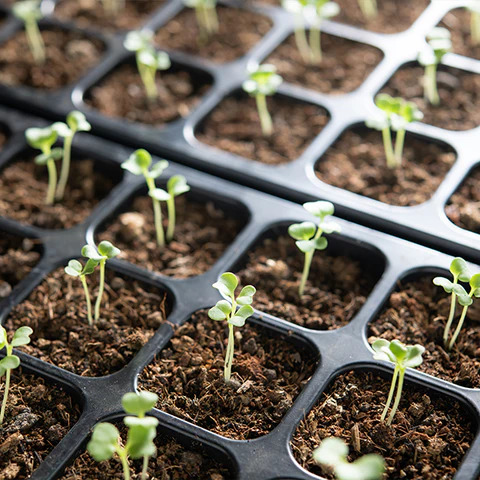
Should I start seeds when snowbanks are still high across Kingston and the area? Lawns remain buried, and the ground stays frozen solid. It does not look remotely like planting season.
But this is when the season actually starts, giving you a chance to build gardening skills.
When you garden in Eastern Ontario, the calendar matters more than the weather outside your window. From today to May 20, the traditional Victoria Day planting window, we are roughly 13.5 weeks out.
That date is not random. It reflects our history. Tender vegetables and annual flowers should not go outdoors before then. Some years you get lucky, while some years you do not. Frost in early to mid-May is not unusual here.
Mid-February is about timing.
Everything begins with counting backwards.
The Frost Math
Use May 20 as your outdoor planting date. Then count back.
Hot peppers need eight to ten weeks indoors. They germinate slowly and grow slowly in cool light. That puts you into mid to late February. Starting them now is not early. It lines up with our climate.
Sweet peppers and tomatoes usually need six to eight weeks. In Kingston, that means mid-to late March. Starting tomatoes in February and April becomes a battle with tall, thin plants reaching for light.
Cucumbers and squash grow quickly and dislike being root-bound. They only need three to four weeks indoors. Early May is usually fine for those.
Flowers follow the same pattern: marigolds, zinnias, petunias, basil. Four to six weeks before May 20 works well.
Count backward from your last frost date, and the schedule takes care of itself. Traditionally in Ontario, the long Victoria Day weekend is the start of planting; you will find the Garden centres open with lots of choices, and if you have your own sprouted plants from your seeds, it should be the perfect time for moving them outdoors.
Understanding Zone 5 in Kingston
Kingston sits in Canadian Plant Hardiness Zone 5.
That matters when ordering seeds online.
Many seed companies list recommended growing zones and days to maturity. A variety that performs well in Zone 7 or 8 may struggle here because our growing season is shorter and spring soil warms slowly.
Zone 5 means:
- A real winter
- Late spring frost risk
- People often delay outdoor planting until late May.
- The growing season usually spans late May to September.
When browsing seed catalogues, pay attention to maturity days. A tomato that takes 90 to 100 days to mature fits comfortably. A 120-day variety may not finish before cooler fall temperatures arrive.
Knowing your zone prevents disappointment.
What happens if you rush?
Every spring brings a stretch of mild weather. The sun feels warm. Snow recedes. The top layer of soil softens.
Then a cold front arrives.
Air temperature can drop below zero for a few hours. That is enough to damage or kill tender plants.
Cold soil also slows root growth, even if daytime highs look acceptable. Plants sit instead of establishing.
Starting indoors now removes the risk of damage from unpredictable spring cold snaps, helping you feel more in control of your garden’s success.
A Practical Indoor Setup
Elaborate equipment is not required.
Anything with drainage holes works. Old cell packs. Yogurt containers with holes poked in the bottom. A shallow tray with seeds spaced apart.
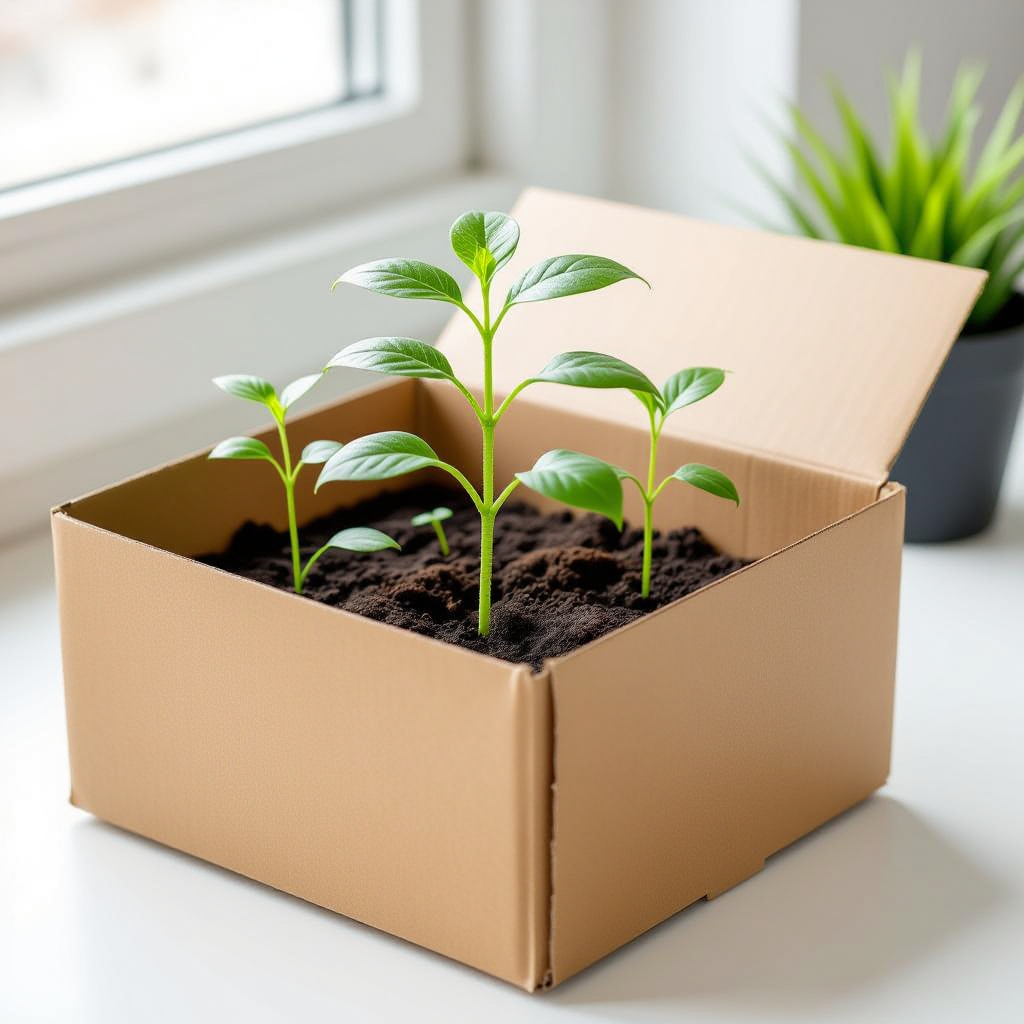
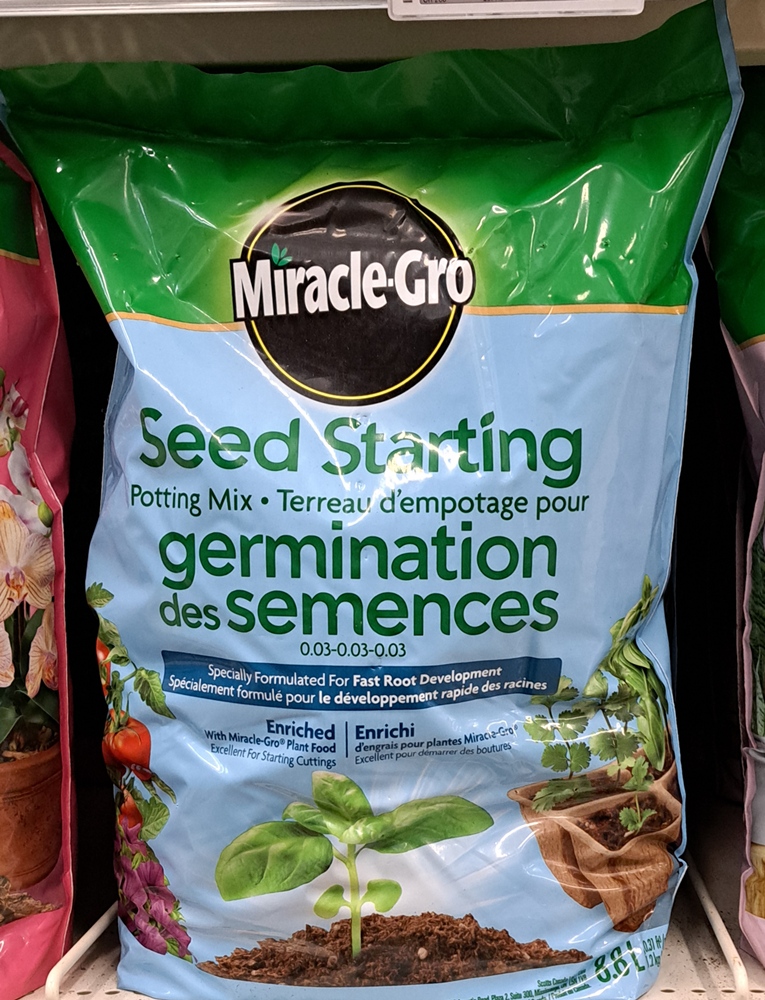
Seed-starting mix drains well and stays light. Good-quality potting soil also works. You can use garden soil in a pinch, though it compacts more and may hold moisture differently.
Plant two seeds per spot. No one can guarantee germination. Thin, the weaker seedling later.
Label everything. At two inches tall, tomatoes look like tomatoes.
Light matters more than people expect. Light in February and early March in Kingston is short and weak. A bright south-facing window helps. Simple LED grow lights produce sturdier plants and reduce stretching. They do not need to be commercial grade.
Water carefully. The surface can look dry while the lower soil remains damp. Check before watering. Over-watering is the most common indoor mistake.
If seedlings lean, increase light rather than water.
Why People Are Starting Seeds Again
There is a practical reason more households are doing this.
Groceries are expensive. Fresh peppers, tomatoes, greens, and herbs add up quickly through summer.
A packet of seeds costs a few dollars. A handful of store-bought vegetables often costs the same.
One healthy zucchini plant can produce steadily for weeks. Four tomato plants can feed you through much of July and August. Two or three pepper plants reduce the need for repeated purchases.
The point is not rhetoric. The numbers make the case.
You also gain freshness and control. You decide what goes into the soil and what stays out. Harvest happens minutes before dinner, not days after transport.
For many families in Kingston and the surrounding area, starting seeds indoors is practical.
Vegetables and Flowers Work Together
Vegetables feed you. Flowers support the system.
Marigolds and nasturtiums can help deter certain pests. Zinnias attract pollinators. Basil flowers attract beneficial insects that support the overall garden.
Flowers also create structure and colour once the planting season arrives. If you are preparing your home for a late May or early June listing, early-started annuals can quickly boost curb appeal.
For now, while there is still snow on the ground, or frosty mornings, the focus is on the trays on the table.
Looking Beyond Standard Varieties
People also show renewed interest in older heritage vegetable varieties. Many gardeners are moving beyond standard commercial hybrids and looking for open-pollinated strains that were common decades ago.
Carrots were originally purple, white, or yellow before orange became the dominant colour. Tomatoes once existed in dozens of regional strains adapted to specific climates. Growers often selected beans, peas, and lettuce varieties for flavour over uniform shipping durability.
Growing from seed gives you access to those options.
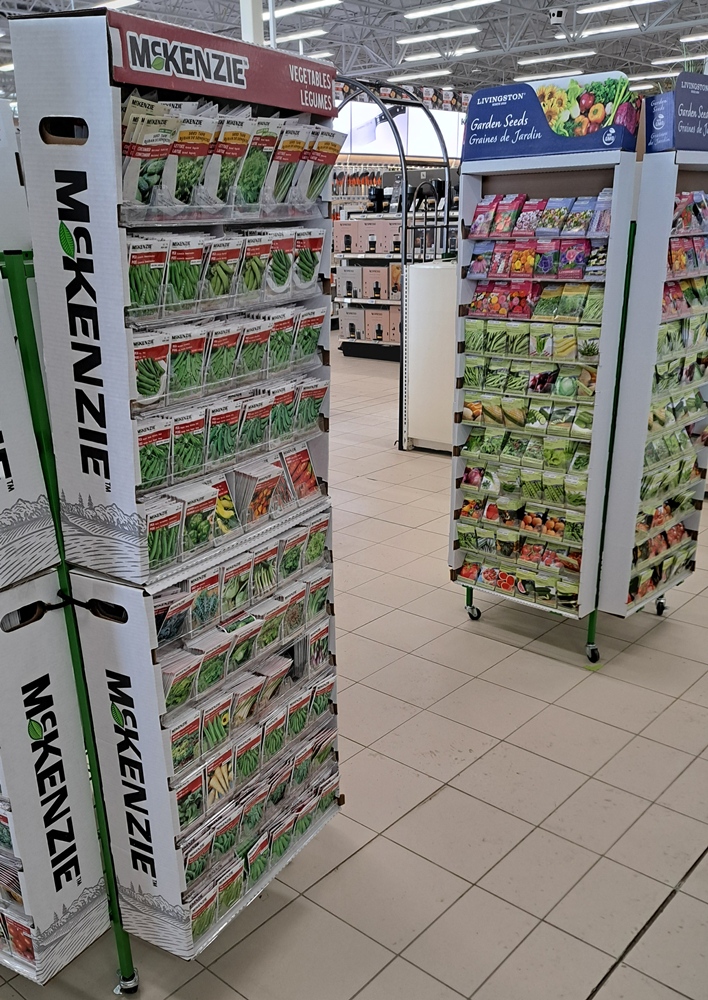
One source of heritage and open-pollinated seed varieties is Revival Seeds, a Nova Scotia-based company focused on preserving older strains suited to Canadian growing conditions. Ordering from specialized suppliers can provide varieties that are not typically available on big-box retail racks.
For Kingston gardeners in Zone 5, selecting varieties adapted to shorter growing seasons can make a measurable difference in yield and success.
If this is your first year
Keep it simple: tomatoes, peppers, zucchini, marigolds …
Choose a sunny location that receives at least six hours of direct sunlight. Work compost into the soil before planting out. Avoid trying to grow fifteen varieties in your first season.
A small garden done well builds confidence. Expansion can come later.
Wait for Victoria Day. Do not let one warm April afternoon convince you that spring has arrived.
Hardening Off Matters
Before transplanting outdoors, seedlings need time to adjust, which helps you feel patient and proud of nurturing healthy plants.
Indoor plants grow in stable temperatures, with no wind and filtered light. Direct sun and wind can shock them.
Place seedlings outside in a sheltered area for an hour or two. Bring them back inside. Increase the exposure gradually each day.
After seven to ten days, stems strengthen and leaves thicken. At that point, transplanting is far less stressful for the plant.
Skipping this step can undo weeks of careful timing.
Where to Get Supplies in Kingston
Seed trays, potting mix, grow lights, and basic tools are typically available at Walmart, Rona, Canadian Tire (still Canadian-owned), and local garden centres once seasonal inventory arrives.
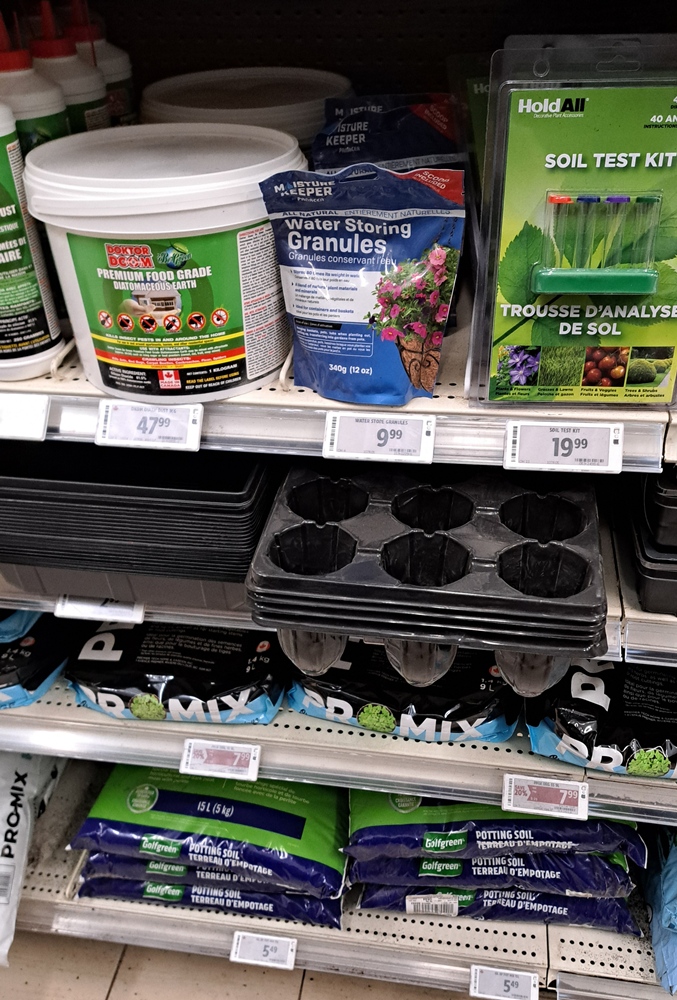
Specialty gear is not required. Consistency matters more than equipment. Locally, you can get organic seeds from The Kitchen Table Seed House, which is on Wolfe Island. If you choose mail order for seeds you cannot find locally, great suppliers include the Ontario Seed Company and Sheridan Nurseries
Frequently Asked Questions
Why start seeds now when there is still snow on the ground?
Planting dates are determined by frost risk, not snow cover. Slower crops, such as peppers, need time indoors before transplanting.
What happens if I start tomatoes too early?
They become leggy and weak and often require repotting before outdoor conditions are ready.
Is Victoria Day always a safe time to plant?
It is a strong guideline in Kingston, but always watch the forecast. Some gardeners wait until late May for added caution.
Do I need grow lights?
Not always, but supplemental light in February and March produces stronger, more compact seedlings.
Is gardening worth it financially?
For high-yield crops such as tomatoes, peppers, zucchini, and herbs, even a small number of plants can reduce summer grocery spending.
What is the most common mistake?
Over-watering indoors and planting outdoors too early.