


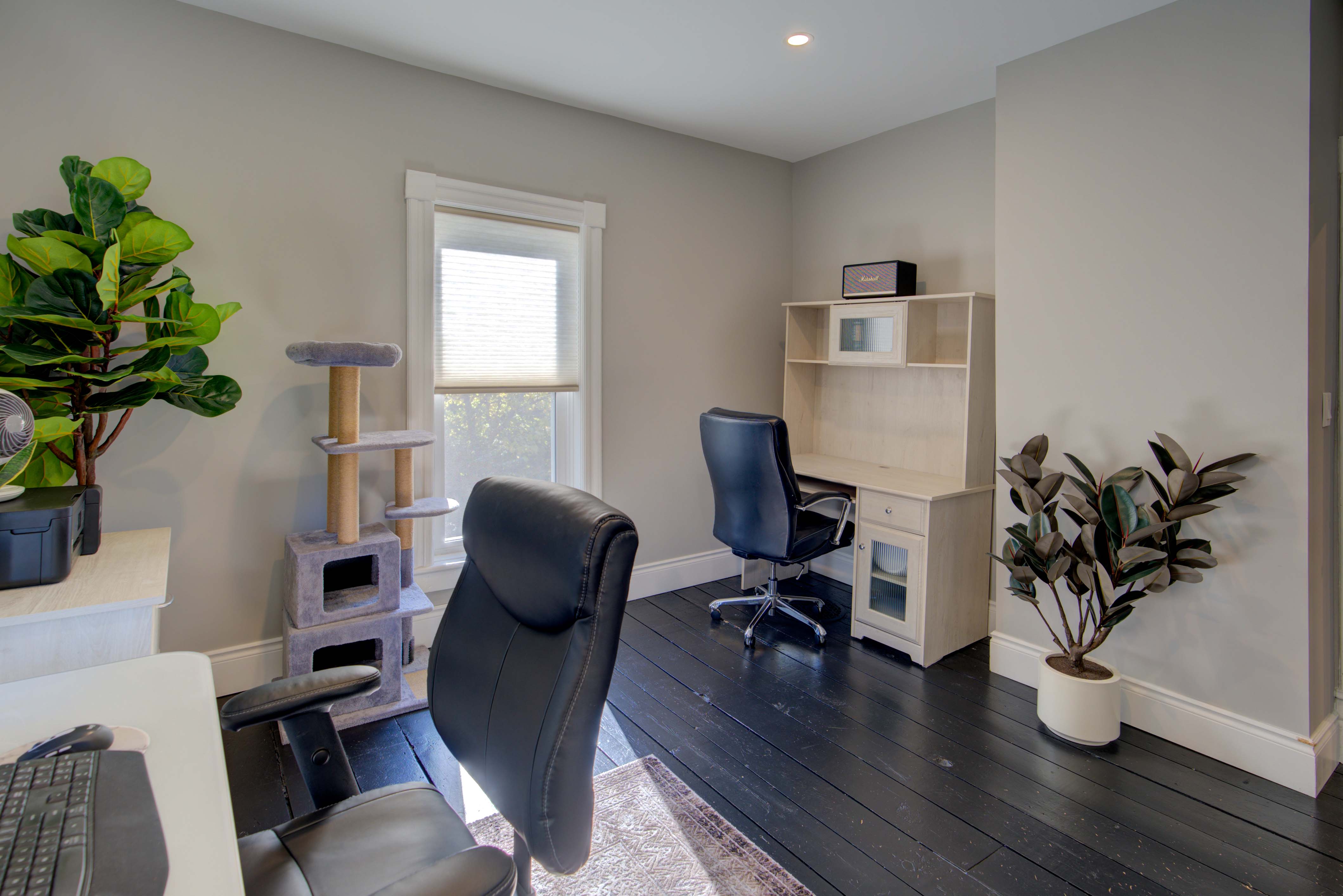
Determining what to remove before listing and what to keep with the property commonly confuses home sellers. Sellers often hear broad decluttering advice, but that guidance rarely addresses the items that actually cause problems later.
Selling a home can often feel overwhelming, but understanding the process can help ease the journey.
Clear expectations make a real difference. Removing distractions improves how homes show, but misunderstandings about what should stay cause most closing issues. If you plan to take something, such as a favorite light fixture or a custom piece, replace it before listing the home. That way, it never becomes part of the buyer’s expectations. The alternative is to exclude it in the purchase agreement clearly, but leaving an item in place during showings and then removing it later often leads to disappointment or conflict. Sorting these details out early helps avoid unnecessary stress, last-minute renegotiation, and preventable delays.

When selling a home, clear expectations make a real difference.
This article walks through what sellers should remove before listing and what buyers reasonably expect to stay, based on long experience with showings, inspections, and closings.
This guide will help you understand what to expect when selling a home.
What to Remove Before Listing Your Home
Preparing your home for sale is not about stripping it bare or making it feel empty. It is about removing items that distract buyers, raise concerns, or expose you unnecessarily during showings.
When selling a home, it’s crucial to highlight its best features.
Personal photos are a good example. A few family pictures are fine, but homes filled wall to wall with photos pull attention away from the space itself. Buyers focus on the people rather than the rooms, which makes it harder for them to picture their own lives in the home.
By removing personal touches when selling a home, buyers can envision their own lives in the space.
You should also pack away personal paperwork. Bills, mail, financial documents, and legal papers belong out of sight. Even with professional showings, visible paperwork invites curiosity and creates privacy risks that are easily avoided.
Never leave small valuables out. Cash, coin jars, jewelry, watches, and collectibles are better stored securely; this is not about distrust. It is about reducing temptation and ensuring everyone feels comfortable during showings.
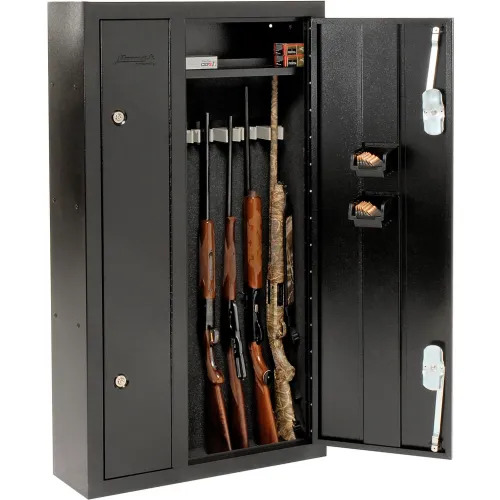
Always store firearms and ammunition safely during a home sale. Firearms owners must properly secure their guns in a locked cabinet or safe and store them according to Canadian firearms regulations before allowing showings. This protects both the homeowner and visitors during open houses and private viewings. Safety is paramount when selling a home. Quality cabinets are available from Bass Pro Shops, Canadian Tire, Walmart, or even Amazon.
Shoes piled near the entrance may seem harmless, but they send unintended messages. They suggest limited storage and overcrowding. A clear entrance helps the home feel more spacious and welcoming.
Also, remove medication entirely from visible areas. Bathrooms, kitchens, and bedside tables are not appropriate places for medicine during showings. Removing it protects privacy and reduces risk.
Taking care of medication is essential when selling a home to maintain privacy.
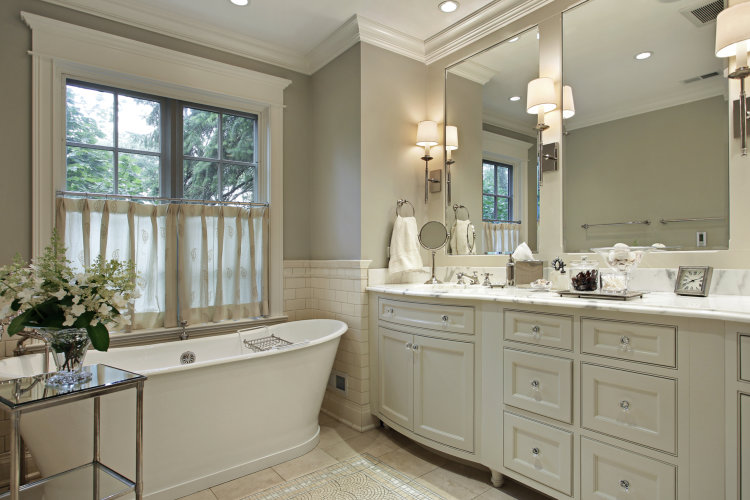
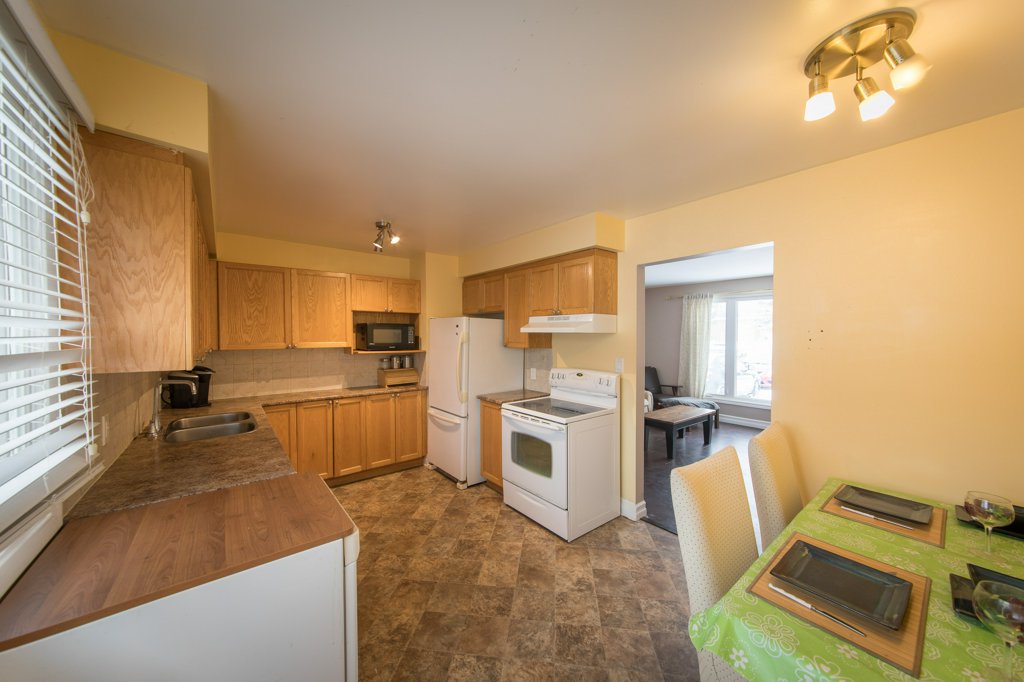
Kitchen counters, and bathroom surfaces benefit from being as clear as possible. Clean counters make these spaces feel larger, brighter, and easier to imagine using. Neatly storing everyday items away during the listing period is possible.
Junk drawers and overfilled cabinets deserve attention as well. Buyers open drawers and cupboards. Buyers assume there is not enough space when storage is crammed full. Organized storage makes a home feel more functional.
Buyers appreciate spaciousness during showings, especially when selling a home.
Refrigerator doors covered in magnets, notes, and photos are another common distraction. A clean fridge front creates a calmer impression and helps buyers imagine their own routines in the home.
What stays with the house?
Knowing what stays with the house is vital when selling a home.
Understanding what stays with the property is just as important as knowing what to remove because it directly affects the sale process and helps prevent misunderstandings.
The general rule is simple. Sellers can more easily determine what remains because attached, built-in, or installed items usually stay with the home.
Light fixtures, ceiling fans, smoke detectors, and hard-wired systems remain with the house. Bathroom fixtures, vanities, mirrors, and toilets are part of the property. Built-in kitchen appliances like dishwashers, wall ovens, cooktops, and built-in microwaves will remain with the house.
Buyers will expect certain items to remain when selling a home.
Window coverings cause frequent confusion. Blinds, shutters, and mounted window treatments stay with the home. Even if someone removes the curtains, curtain rods, brackets, and mounting hardware remain.
Outdoors, anything fixed in the ground stays. The property includes trees, shrubs, landscaping, underground sprinkler systems, and permanently installed structures, such as sheds, gazebos, swing sets, and basketball hoops, if owners anchor them in place.
Outdoor features can enhance the appeal when selling a home.
Mechanical and system components remain as well. You typically include garage door openers and remotes, central vacuum systems, water softeners, security systems, and installed smart home devices unless you clearly exclude them.
Appliances such as refrigerators, washers, and dryers can be a grey area. Buyers often expect people to leave appliances such as refrigerators, washers, and dryers, especially when marketing or viewings feature them. If you plan to take them, address this clearly from the beginning.
The purchase agreement always has the last word. If something matters to you, whether you want to keep it or leave it, you must address it in writing. Assumptions cause disputes at closing.
Clear agreements are crucial when selling a home to avoid misunderstandings.
Why This Matters More Than You Think
Homes that are thoughtfully prepared help sellers feel respected and appreciated. Minimizing personal items allows buyers to focus on the home’s potential and makes sellers feel confident in their presentation.
You should prepare homes thoughtfully when selling them to create a positive impression.
Clear expectations also reduce the risk of problems during inspections and final walkthroughs. Parties often experience frustration, renegotiation, or delays when they discover missing or non-functioning items at the last minute.
Preparing a home properly is not about erasing your life from it. It is about presenting the property clearly and removing obstacles that interfere with a smooth sale.
Proper preparation is key to attracting potential buyers when selling a home.
If you are unsure whether to remove or leave something behind, asking early reassures you and reduces anxiety, which makes the process smoother and more predictable.
Selling a home is about more than listing it. It is about setting the stage so the next owner can step in without surprises and enjoy the space from day one.
Ultimately, selling a home is about ensuring the next owner feels welcome.
Frequently Asked Questions About What Stays and Goes When Selling a Home
Do I have to remove everything before listing my home?
No. The goal is not to empty the house. The focus should be on removing distractions, personal items, and anything that could raise privacy, safety, or expectation issues. Furniture, neutral decor, and everyday items that help define spaces can stay.
Understanding what to keep and what to remove is crucial when selling a home.
Can I take light fixtures or ceiling fans with me when I sell?
No. Light fixtures, ceiling fans, and other installed fixtures are part of the home, and new owners expect them to stay. If you plan to keep a specific fixture, the best option is to replace it before listing. Leaving it in place and excluding it later often leads to buyer disappointment.
What happens if I remove something the buyer expected to stay?
This is one of the most common causes of conflict at closing. Buyers may request compensation, repairs, or delays if an expected item is missing. Clear communication and written exclusions in the purchase agreement help avoid this, but removing or replacing items before listing is usually the cleanest solution.
Communication is key to a smooth home-selling process.
Do appliances have to stay with the house?
Built-in appliances typically stay. Sellers or buyers may decide if freestanding appliances like refrigerators, washers, and dryers stay, depending on how the home is marketed and the contract’s terms. You should make it clear early on if you plan to take them.
Can buyers open drawers, closets, and cabinets during showings?
Yes. Buyers routinely open storage spaces to assess functionality. Therefore, sellers should remove cluttered drawers, overfilled cabinets, and personal paperwork before listing.
Buyers will want to see functionality when selling a home.
Should I remove personal items even if I am still living in the home?
Yes, to a reasonable degree. You do not need to live in a showroom, but reducing personal photos, collections, and visible clutter helps buyers focus on the home rather than the current occupants.
What if I am unsure whether something should stay or go?
Ask before making changes. A quick conversation with your REALTOR® can prevent misunderstandings later. When in doubt, seek clarity before listing. Addressing problems after a seller accepts an offer proves more difficult than asking for clarification beforehand.
Don’t Miss These Guides
Selling a home involves more than simply listing the property. Pricing, preparation, timing, and emotional considerations all play a role when selling in Kingston and the surrounding Frontenac, Lennox, and Leeds communities. These guides explain several important steps sellers should understand before putting a home on the market.
Need to Sell Your Home Fast, 2026?
A practical look at what actually helps a home sell quickly in Kingston and the surrounding Frontenac, Lennox, and Leeds communities, and what can slow the process down. Covers pricing strategy, preparation, timing, and common seller missteps that reduce buyer interest and market momentum.
A practical look at what actually helps a home sell quickly, and what slows sales down. Covers pricing, preparation, timing, and common seller missteps that cost momentum.
Preparing Your Home for Sale: Presentation, Privacy, and Security
How to prepare your property for showings without overdoing it. This guide focuses on safety, privacy, and presentation choices that help sellers in Kingston and the surrounding Frontenac, Lennox, and Leeds communities create a strong first impression while protecting their home and personal information.
Selling the Family Home
Guidance for homeowners facing an emotional sale. This article explores planning, timing, and decision-making when a long-held property changes hands in Kingston and the surrounding Frontenac, Lennox, and Leeds communities, helping families navigate both the practical and personal aspects of the process.