


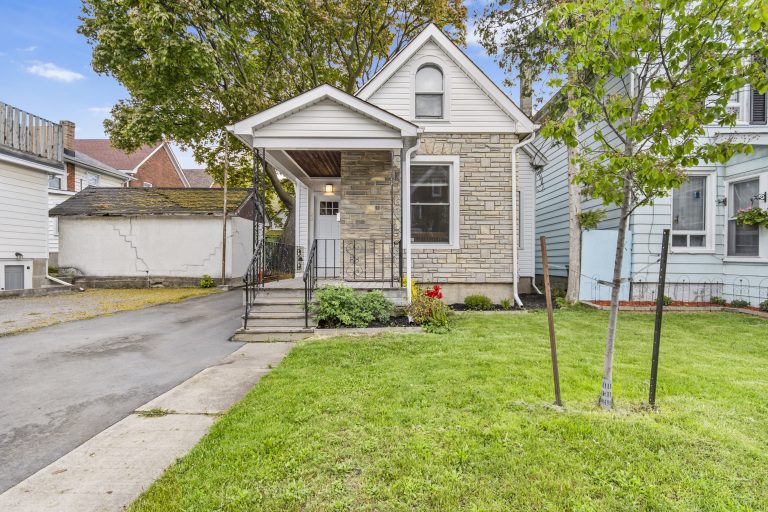
A small bathroom renovation can be one of the most worthwhile upgrades in an older home in Kingston. When I purchased my own 1912 house in Williamsville, it had only one small bathroom. The layout and work uncovered during the renovation suggested that it may have once been an alcove leading to the basement stairs, back when an outdoor privy was still a standard feature. In 1912, public transit service ended at the city core, and sewer expansion into nearby neighbourhoods was still several years away.
Many older areas in Kingston share a similar story. The Inner Harbour, once known as the Swamp Ward, housed dockworkers and railway labourers who required close access to the waterfront and rail yards. Portsmouth Village housed sailors and correctional officers from the nearby penitentiary. Kingscourt, built later, became one of the city’s best-known wartime subdivisions, with compact one-bathroom homes built for returning veterans and their families.
Whether your house dates back to the earlier working-class era or the post-war boom, the bathroom is often small. Here are 12 practical ways to improve function and comfort while preserving your home’s character.
1. Start with the layout
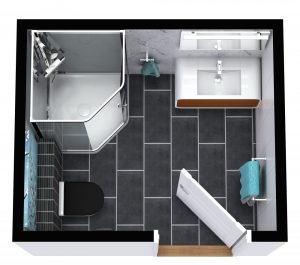
Before replacing anything, inspect the room to understand how it functions. The placement of the toilet, vanity, and shower affects how you move through the space. If plumbing can stay in the same general area, that saves cost, but a minor change can sometimes improve usability. In many smaller bathrooms, a three-piece layout, such as the one pictured below, keeps the room functional without feeling crowded. A corner shower, a compact vanity, and a straightforward toilet placement can improve movement through the space.
2. Use wall space instead of floor space
Removing items from the floor visually opens up the room. Floating vanities, wall-mounted faucets, and open shelving help the lower half of the room feel clean and open.
3. Lighten the room
Pale paint, lighter tile, semi-gloss finishes, and clean mirror surfaces help reflect light. If there is a window, consider frosted glass to maintain privacy while allowing natural light.
4. Choose fixtures that serve more than one purpose
A mirrored cabinet above the sink, a recessed shower niche, or a vanity with deep drawers helps keep daily items easily accessible without clutter.
5. Think vertically
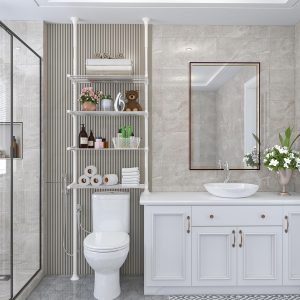
People use walls for functional storage when there is limited floor space. Shelving above the toilet, narrow wall cabinets, and hooks can make the room more useful without crowding it. Using the full height of the wall helps the room feel organized and keeps everyday items easy to reach.
6. Consider replacing the tub with a walk-in shower
A full bathtub occupies a significant amount of space. A walk-in shower with a clear glass panel can make the room feel larger. If you want to keep a tub, look for a compact model.
7. Change how the door opens
A standard inward-swinging door takes up space. A pocket door or a small barn-style door can free up usable floor space and improve traffic flow.
8. Use layered lighting
Adding task lighting at the mirror and softer general lighting helps reduce shadows. LED fixtures provide efficient and safe lighting for small rooms.
9. Update fixtures before opening walls
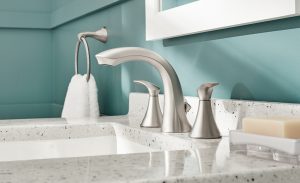
New faucets, handles, and showerheads modernize the room quickly. Choose one metal finish and repeat it for a clean and consistent look. Updating the faucet and hardware can instantly refresh the room, especially when the finish is consistent throughout the space. The best bathroom fixtures depend on your priorities, but valued brands like Kohler, Moen, and Delta offer durability and quality. Experts often highlight Moen for its user-friendly features and lifetime warranty on replacement parts.
10. Use the pattern with care
Large tiles reduce grout lines, creating a calmer look. Vertical tile layouts can add the feeling of height. A small accent wall or stripe can provide interest without overwhelming the room.
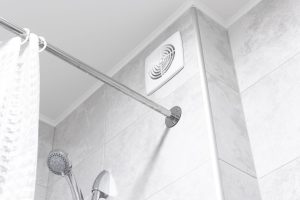
11. Improve ventilation and warmth
A quality exhaust fan protects the room from moisture. Heated floors add comfort and help surfaces dry more quickly, which is helpful in Kingston’s damp fall and winter seasons.
12. Keep decor simple
Small rooms feel cluttered easily. Please stick to one or two primary colours and repeat them. A plant, a print, and fresh towels are often enough.
A final Kingston note
Older Kingston homes have a character that is worth preserving. A small bathroom renovation does not need to be dramatic to be effective. Practical, well-planned updates often make the space easier to live with and more appealing to future buyers, while preserving the home’s unique style.
Frequently Asked Questions
How much does a small bathroom renovation cost in Kingston?
Costs vary widely depending on plumbing changes, finishes, and labour. A modest refresh typically starts at around $3,000 to $5,000, while a complete renovation usually ranges from $17,000 to $25,000. Keeping plumbing in place helps control costs.
Is it always better to remove the bathtub?
Not necessarily. If you have only one bathroom and plan to sell, some buyers prefer a tub. If you have another tub elsewhere, a walk-in shower can make a small space more comfortable.
Do I need a permit to renovate a bathroom?
Check with your local municipality or township before starting work to confirm whether your plans require a permit. If you are relocating plumbing or electrical components, a permit is usually required. A minor fixture update without connection changes rarely requires one. Each municipality has its own requirements, so it is best to confirm before beginning.
Should I hire a contractor or do it myself?
DIY can work for painting, fixtures, and decor. Professionals are best equipped to handle tile, plumbing, and waterproofing to avoid long-term issues.
📚 Don’t Miss These Guides
Bathroom renovations are often part of a broader effort to improve comfort, functionality, and resale value. These related guides explore renovation ideas, maintenance priorities, and preparation strategies for homeowners across Kingston and the surrounding Frontenac, Lennox, and Leeds communities.
Basement Renovation Ideas That Add Value
Practical ways to improve comfort and function while boosting resale potential. This guide explores renovation choices that add usable space and long-term value.
Seasonal Maintenance Tips for Kingston Homeowners
Regular maintenance helps prevent costly repairs and keeps older homes performing well. This guide outlines seasonal and year-round tasks homeowners should plan for.
Choosing the Right Neighbourhood in Kingston
Location often shapes lifestyle and long-term property value. This guide explores Kingston’s varied communities and what buyers consider when choosing where to live.
Home Inspection Guide for Buyers and Sellers
Renovations and upgrades often come up during inspections. This guide explains what inspectors evaluate and how inspection findings influence real estate decisions.
Smart Home Upgrades That Boost Resale Value
Not every renovation delivers a strong return. This guide explores improvements that increase efficiency, functionality, and buyer appeal while avoiding costly projects that may not pay off.