


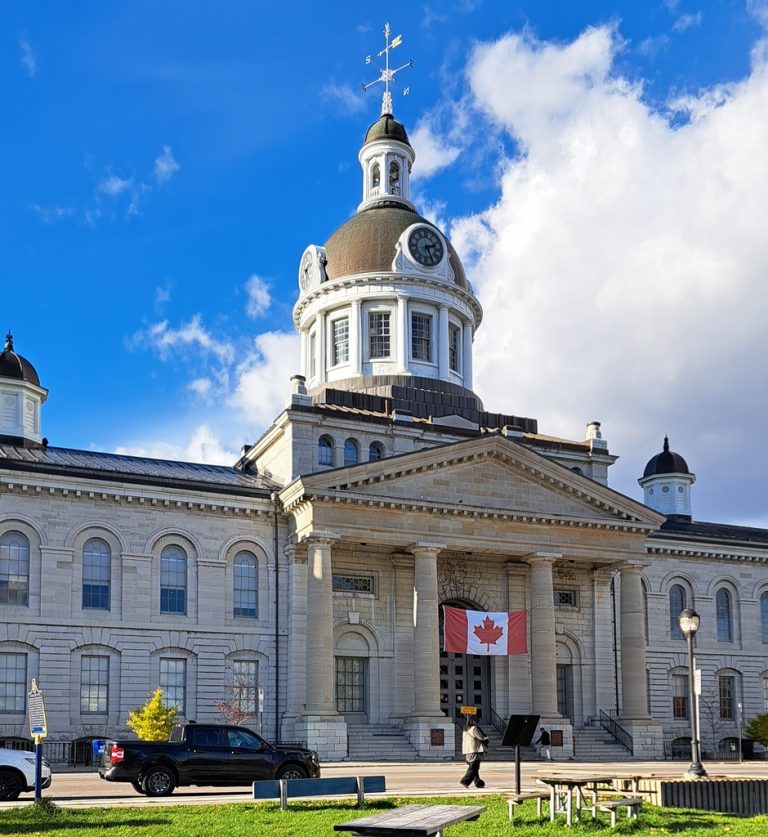
Your Next Chapter: Relocating to Kingston and the surrounding area.
If you’re thinking about relocating to Kingston and the surrounding area, chances are something in life is changing. Maybe the pace of the city you’re in now no longer feels right. Maybe you’re looking for a place where kids can ride their bikes down the street and neighbours still stop to chat for a few minutes. Relocating here can open up new opportunities for a better lifestyle.
For some people, the move comes at a different stage. The children have grown, their work situations have changed, and the prospect of residing in a more tranquil location appeals to them. Somewhere with good healthcare nearby, a walkable waterfront, and mornings you can actually enjoy instead of rushing through.
Others arrive here because of the variety of living options. Some want a home in the city close to shops, restaurants, and Queen’s University. Others find the surrounding communities appealing because these areas offer rural properties, waterfront homes, or quieter towns within a short drive of Kingston.
Everyone arrives for their own reasons, but one thing many people say after they move here is that the region quickly feels familiar. Not big city busy, but not isolated either. It sits comfortably in the middle.
You’ll find hospitals, universities, and a steady calendar of events throughout the year. It’s still the place where you run into people you know while grabbing coffee downtown or walking along the waterfront.
For many people, that balance is exactly what makes Kingston and the surrounding area feel like the right place to start the next chapter.
Different pace of life
One of the first things you’ll notice after relocating to Kingston is the change in pace. Commutes that used to eat up hours of your day are now reduced to a mere fifteen to thirty minutes. After work, you’ll find yourself with ample time to stroll along the waterfront trail or relax outdoors with a drink. Relocating allows you to embrace a pace of life that enables you to stretch out and savour each moment, making life more enjoyable.
Many enjoy the experience of relocating because it signifies change and new beginnings, especially in a city like Kingston.
Kingston is a city that caters to a diverse range of residents. Families choose Kingston because of its excellent schools and neighbourhood parks. Young couples discover with pleasant surprise that they can afford a home with outdoor space. Military families appreciate a sense of stability and community near CFB Kingston. Retirees discover that downsizing in Kingston doesn’t mean downsizing their life but trading maintenance for more time.
For many, relocating means becoming part of a community that values connection and involvement.
Kingston is not a big city, but it is not sleepy either. There is always something going on if you want it, and plenty of quiet when you do not.
After a while, you know the place. You learn which route across town avoids traffic. You recognize the same faces at the market, along the waterfront trail, or at your regular coffee stop. Life here settles into a rhythm that feels manageable.
Most days are not dramatic or exciting. They are simply comfortable, and for many people, that is exactly the point.
The friendships formed after relocating often extend well beyond initial introductions, creating an interconnected community where everyone feels welcome.
How Life Feels Here After Relocating
Life in Kingston eventually falls into predictable patterns. You recognize the same faces at the market, along the waterfront trail, or at the cafe you stop at most mornings. The city’s size strikes a perfect balance between maintaining interest and fostering a sense of familiarity with its locations and inhabitants.
It takes a while for spring to show up here. Snow melts away slowly, gardens revive, and downtown patios are back in business. When the first real warm weekend arrives, it often feels as if the entire city heads outside at once after a long winter.
Summer naturally pulls people toward the water. Boats move in and out of the marinas, families spend time in Breakwater Park, and students gather along the limestone shoreline near Queen’s. Festivals return to the streets as well, including the Buskers Festival downtown and the Kingston Fall Fair, which has been running since 1835.
During autumn, the nearby nature preserves display a variety of colors. Walkers are enjoying the cooler air and changing leaves on the trails of Lemoine Point, Little Cataraqui Creek, Grass Creek, and Lake Ontario Park. It is one of the quieter and most comfortable times of the year to be outdoors.
Relocating to Kingston offers a chance to experience all four seasons in a community that embraces each one.
Winter arrives, but daily life continues much the same. Market Square’s rink teems with skaters; conservation areas see trails and snowshoe activity, and Princess Street cafés are hubs of neighborly warmth and meetings.
Through the year the city changes with the seasons, and people settle into that rhythm. It is not dramatic or fast-paced. For many residents, that steady pace is exactly what makes life here work so well.
Nature in Daily Life
One thing people notice quickly about Kingston and the surrounding area is how easy it is to get outside. You do not need to plan a day trip or own a cottage to spend time in nature. It is simply part of everyday life.
The Waterfront Trail runs along Lake Ontario and has become part of many people’s daily routine. Before work is when some go, while others go after dinner. On a warm evening, you will see runners, cyclists, families with strollers, and people simply sitting along the water watching the lake. Relocating to Kingston allows you to enjoy this beautiful natural setting every day.
Lemoine Point Conservation Area is one place locals return to again and again. The trails wind through forest and meadow before reaching the shoreline, and the paths are wide enough that walkers, joggers, and dog owners all share the space comfortably. Some mornings it is quiet, except for the wind in the trees. On other days, families gather along the water or people sit on the benches looking out at Lake Ontario. It is familiar without ever feeling exactly the same twice.
The Little Cataraqui Creek Conservation Area, managed by Cataraqui Conservation, is another place people visit regularly. In warmer months, the trails pass through wetlands and woods. In winter, the same area becomes a popular spot for skiing, snowshoeing, and long walks. Early spring brings the maple syrup programs that have become a tradition for many Kingston families.
For those relocating, understanding the natural beauty of Kingston enriches the living experience.
Designers have even designed some newer neighborhoods with outdoor space integrated into daily life. Communities such as Woodhaven include ponds, green space, and connected walking paths that residents use for quick morning walks or an evening loop after dinner.
The landscape stretches out more as you leave the city behind. A short drive north into South Frontenac or east toward Leeds and Grenville brings you to places like Gould Lake, Charleston Lake, and Frontenac Provincial Park. These places have forests, lakes, and trails, yet they’re still conveniently located for spontaneous visits.
In Kingston and the surrounding region, spending time outdoors rarely feels like a special trip. It is simply part of the rhythm of living here.
Parks and Green Space
Green space is part of everyday life in Kingston and the surrounding area. Most neighbourhoods include a small park within walking distance. Sometimes it is simply a field with a path around it, a stand of trees at the corner, or a playground that fills with children after school. The purpose of these areas is not to be an endpoint. Locals frequently visit these places for short strolls, daily respites, or family outings.
Woodhaven and Westbrook, among other newer neighborhoods, feature stormwater ponds with adjacent walking trails and green areas; just beware of geese and their droppings. Initially, they appear simple, yet they eventually become familiar elements of the neighborhood. People use the paths for morning walks or an evening loop after dinner. Over time, the ponds and open spaces simply become part of the neighbourhood.
Older areas of Kingston offer a different green space. Mature trees line the streets, and established parks give the neighbourhoods a settled feel. People walk their dogs, greet neighbours on the sidewalk, or pause for a few minutes before heading home. Nothing about it feels artificial; it’s just part of the routine.
Many find that relocating also involves discovering local traditions and seasonal activities.
Community gathering places add another layer to this rhythm. The Kingston Public Market in Market Square, operating since 1801, remains one of the oldest continuously running public markets in Ontario. Farmers, bakers, maple syrup producers, and flower growers return week after week, and many visitors recognize the same vendors and neighbours each visit.
The combination of its parks, local spots, and community meeting places molds the city’s experience. People don’t just stop by these places. These are typical occurrences in daily life here.
The Memorial Centre Farmers’ Market operates all year, prioritizing local farmers, artisans, and small-scale food producers; outside from early spring to maid-autumn, then moving into the barn on site.
Roadside stands on rural routes near the city sell corn on the honour system, and strawberry picking is a seasonal tradition there. For instance, Fruition Berry Farm is a summer destination for those relocating to the area.
Prince Edward County is about an hour away, close enough for a Saturday drive rather than a planned trip. The wineries draw visitors, but so do Sandbanks Provincial Park, the long beaches along Lake Ontario, and Lake on the Mountain. From Kingston, a short ferry ride across the bay makes the trip easy.
Heading east brings you to Gananoque and the Thousand Islands, where boat tours wind through the islands and waterfront towns stay active through the summer months. It is another place people from Kingston visit regularly for a day on the water.
Smaller communities nearby have their own traditions as well. Delta, in Leeds and Grenville, hosts its Maple Syrup Festival each spring and one of the oldest agricultural fairs in the region each autumn. These events have been part of the local calendar for generations.
Kingston also sits at the southern entrance to the Rideau Canal, a UNESCO World Heritage Site that stretches north to Ottawa. The first lock in the system is at Kingston Mills, just outside the city, where boats begin their journey through one of Canada’s most historic waterways. Walking paths and quiet water there make it a place many residents visit simply to spend time outdoors.
Relocating allows you to explore the rich agricultural offerings surrounding Kingston.
Together, these places shape the wider region around Kingston. Within an hour’s drive you can be on a sandy beach, exploring the Thousand Islands, visiting a rural fair, or watching boats pass through the locks at Kingston Mills.
A City for All Seasons
Life in Kingston changes with the seasons, and after a while you notice how the year settles into a pattern. The weather shifts, people adjust what they do during the day, and the city carries on with little fuss.
Spring
Spring usually takes a while to get going. Snow melts gradually, and people get outside again when the first mild afternoons appear. Walking trails at Lemoine Point and Little Cataraqui Creek fill with people who have been waiting all winter to get back outside.
Downtown patios reopen, garden centres get busy, and the Kingston Public Market becomes more active as vendors return with early vegetables and plants. When the weather warms up, expect queues at spots such as White Mountain ice cream. It is not an event so much as the city slowly getting back outdoors again.
Summer
Summer naturally brings people toward the water. Some head down to the waterfront in the morning with coffee, while others walk along the shoreline in the evening when the heat fades and the daylight lasts longer.
Families picnic at Lake Ontario Park, cyclists and walkers move along the waterfront trail, and boats pass steadily through the harbour. Patios stay busy downtown, and music often drifts out of the squares on warm evenings. Events like the Buskers Festival bring performers into the streets, but even on ordinary days the city feels active without feeling crowded.
Autumn
Autumn is when many residents would say the area looks its best. The air cools, longer walks become comfortable again, and trees through places like Lemoine Point, Little Cataraqui Creek, and Grass Creek change colour.
Farm stands and orchards in the surrounding countryside are busy with late harvest apples and vegetables; or there are many spots where you can pick your own fruit. The Kingston Fall Fair returns each September, something many local families have attended for years. As the days shorten, neighbourhoods grow quieter and people settle back into their usual routines.
Winter
Winter slows the pace but does not stop daily life. Snow arrives, people adjust their schedules, and the city carries on much as it always does.
The rink at Market Square fills with skaters in the evenings. Walking trails remain in use, and some residents head north toward Frontenac Provincial Park for snowshoeing or cross-country skiing. Frosty mornings along Lake Ontario can be sharp, but coffee shops and restaurants stay busy as people meet and warm up before continuing with the day.
Throughout all the seasons, the city continues to move. Life shifts with the weather rather than stopping because of it. For many people who move here, that steady rhythm is part of what makes Kingston comfortable to live in.
Near the Lake
Kingston sits on Lake Ontario, and the waterfront is simply part of everyday life here. You do not need a cottage or a boat to spend time near the water. The paths along the shoreline are open and easy to reach from most parts of the city.
People walk there before work, after dinner, or when they want a few minutes outside. The paths are wide and steady enough for strollers, wheelchairs, joggers, and dog walkers. Relocating gives you the chance to enjoy these paths and the natural beauty they provide.
Breakwater Park, Lake Ontario Park, and Confederation Basin all offer slightly unique experiences. Some days are busy, with students sitting on the limestone steps near Queen’s or families gathered on the grass. On other days, the lake is quiet, and a few cyclists and steady walkers share the path.
Because the water is always nearby, it becomes part of daily life rather than a place people only visit on weekends.
Relocating to Kingston offers a life intertwined with nature and community.

Markets and Local Food
Kingston’s market in Market Square has operated since 1801, and informal trading happened there even earlier. On market mornings, vendors arrive early to set up tables of vegetables, fruit, fresh bread, honey, and flowers. The market does not feel like a special event; it simply feels like part of the city’s routine, making it a great stop for those relocating.
The Memorial Centre Farmers’ Market, held on Sundays, has a slightly different feel. During the warmer months, it runs outdoors on the Memorial Centre grounds, where people wander between tents, listen to music, and pick up produce or lunch from local vendors. When colder weather arrives, the market moves indoors and becomes smaller and more intimate, but it continues through the winter.
Beyond the city, seasonal markets and roadside stands appear throughout the region. Smaller community markets in places such as Verona, Napanee, Harrowsmith, and Wolfe Island bring together local growers and producers during the summer and early autumn. Many residents stop at them while visiting nearby towns or heading out for a drive.
Pick-your-own farms are also part of the seasonal rhythm. Through summer and early fall, places like Fruition Berry Farm welcome visitors for strawberries, raspberries, apples, and pumpkins. These outings mark the seasons just as clearly as the leaves turning or the first snowfall.
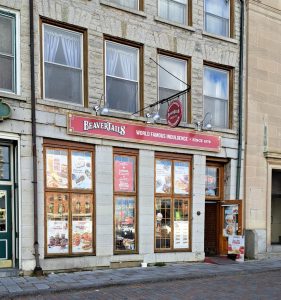
For anyone relocating, the market is a perfect place to connect with local culture and flavours.
Stable Employment Base
One reason many people move to Kingston is work. Others arrive for a job posting and later decide to stay.
The city’s largest employers are in healthcare, education, and government. These sectors are steady rather than volatile, which shapes the local economy and the pace of daily life.
Kingston Health Sciences Centre, Queen’s University, St. Lawrence College, the Royal Military College, and CFB Kingston bring people to the city from across the country. Many households have one person working in an institution and the other in a local business or self-employed.
This kind of employment base keeps the city on an even footing. Growth happens, but it is usually gradual rather than sudden.
CFB Kingston Families
For many military families, Kingston is more than a temporary posting. It becomes a place where routines settle quickly and neighbours understand the pace of military life.
CFB Kingston and the Royal Military College bring personnel from across Canada, often for a few years at a time. Because this has been happening for generations, the city is used to welcoming new families and helping them settle in.
Neighbourhood choices often reflect commute preferences. Many military families choose the east end because it offers quick access to the base and the river. Others prefer the west end for its schools, parks, and larger residential areas. The drive is longer from the west side, but it is steady and manageable.
Schools, recreation programs, and community groups expect children to arrive mid-year or families to settle in after moving. It is common for neighbours to help one another with practical things like learning the area, finding activities for children, or recommending local services.
Military life naturally involves change, but Kingston has developed a way of absorbing that movement without making people feel temporary. Many families arrive expecting a brief stay and leave with strong friendships and wonderful memories of the city.

.
Students and the Academic Influence
When relocating to Kingston, students often find a vibrant community that welcomes them.
Students have always been part of Kingston’s daily life. Queen’s University, the Royal Military College, and St. Lawrence College bring young people to the city from across Ontario and the rest of Canada every year.
Their presence adds energy to certain areas, especially during the academic year. Coffee shops stay busy, buses are full, and streets near campus have a steady flow of students heading to classes, libraries, or the waterfront.
The city does not feel dominated by student life. Kingston has obvious differences between student neighbourhoods, family areas, and quieter residential streets. The areas around Queen’s, parts of Williamsville, and some streets near the colleges are lively during the school year, while most other neighbourhoods keep their usual pace.
Queen’s University and St. Lawrence College also bring professors, researchers, and staff who often choose to settle here long term. Their work supports the cultural life of the city through lectures, performances, and community programs that are open to residents.
For some families with students studying here, purchasing a small condo or townhome can make practical sense compared with renting for several years. In some cases it becomes a long-term investment property after graduation.
For others, the universities simply provide activity and opportunity nearby. The academic year comes and goes, but the city itself keeps its steady rhythm.
Daily Errands and Pace of Life
Most trips across Kingston are a breeze, taking between fifteen and forty minutes, dependent on weather and time of day.. Grocery stores, pharmacies, schools, and clinics dot the city, making your daily errands a stress-free affair. Whether it’s a leisurely walk to the corner store, a scenic drive to a park, a quick coffee stop, or picking up a prescription, everything is straightforward. You won’t find yourself stuck in traffic jams, as the city is large enough to offer a variety of options yet small enough not to consume your time.
One of the most striking aspects of living in Kingston is the sense of reclaiming your time. Evenings stretch out, and weekends unfold with ease. You have the freedom to keep your plans simple, deciding how you want to spend your days, rather than just fitting things in. The pace here is steady and unforced, giving you a sense of empowerment and control over your daily life, which is one of the quiet comforts of living in Kingston.
Relocating here allows residents to reclaim their time, enjoying a lifestyle that is both fulfilling and relaxed. You can stop for coffee, pick up groceries, visit a park, and still have most of the afternoon ahead of you; that pace is one of the quieter advantages of living here.
Healthcare and Services
Healthcare is one reason Kingston functions as a regional centre for Eastern Ontario.
Kingston Health Sciences Centre includes Kingston General Hospital, one of Ontario’s primary teaching hospitals. Physicians, nurses, and specialists from across the province train and practice here. The hospital itself is also part of Canadian history. Kingston General Hospital is the oldest public hospital in Canada still operating on its original site, with roots that go back to 1845 along the Lake Ontario waterfront.

Medicine has changed dramatically since those early days, but the hospital’s role in the region has not. Many residents initially assume they will need to travel to Ottawa or Toronto for specialized care. Many services are already available locally. Cardiology, oncology, orthopedics, neurology, dermatology, and other specialties operate here as part of a large regional healthcare system.
Providence Care Hospital provides rehabilitation, transitional care, and long-term support services. Hotel Dieu Hospital focuses on outpatient clinics, ambulatory care, and urgent care services. Together, these facilities form a network that handles most ongoing healthcare needs within the city.
Routine care is available throughout the community. Family physicians, walk-in clinics, physiotherapists, dentists, laboratories, and pharmacies are throughout Kingston’s neighbourhoods. For many residents, appointments involve a short drive rather than a full day of travel.
For older adults in particular, the scale of the city makes a difference. Parking is manageable, travel times are shorter, and healthcare services are close enough that appointments do not consume an entire day.
People rarely choose a place to live because of healthcare alone.
But many residents come to appreciate how important it is once they are here. Knowing that hospitals, specialists, and everyday medical services are close at hand adds a sense of stability to life in Kingston.
Schools and Education
Education is a visible part of everyday life in Kingston. The city contains elementary and secondary schools from both the public and Catholic boards, and residents can usually walk or drive a short distance to reach them. Most families find that a suitable school is close to home rather than needing to cross the city each morning and afternoon.
The school system itself feels steady and familiar. Children walk to class, school buses move through neighbourhood streets at predictable times, and playgrounds fill with activity during the day. Daily routines for many households often solidify around the proximity of the local school.
For those outside the city, family routines might not be the same. Rural school districts frequently serve extensive territories, and they do not directly reach every residence. The bus picks up some students at the driveway, but others meet it at a shared stop along the road. When relocating to rural properties around Kingston, it is worth confirming the exact bus route and pickup location ahead of time, particularly for younger children. A stop that seems close on a map may involve a longer walk or a short drive along a rural road, so planning those arrangements early helps avoid surprises once the school year begins.
Kingston also has a strong post-secondary presence. Queen’s University, the Royal Military College, and St. Lawrence College bring students, faculty, and staff from across Canada and beyond. Their presence adds activity to certain parts of the city during the academic year while still fitting comfortably into the wider community.
Buses fill during class changes, sports fields stay active, and streets near campus carry a steady flow of students heading to lectures, libraries, or the waterfront. The city does not feel dominated by student life. There are obvious differences between student neighbourhoods, family areas, and quieter residential streets, and each keeps its own character.
Local education options include French immersion programs, smaller community schools, and a range of learning environments. For most families choosing a neighbourhood when relocating, the decision is not about competition between schools. It is about the feel of the area and the routines that come with living there.
Many people find that once they explore neighbourhoods, the choice becomes clearer. Streets have their own personalities, and the way a day unfolds there often matters more than the house itself. When a place feels comfortable and familiar, people usually recognize it quickly.
From there, the conversation naturally turns to neighbourhoods, because where you live shapes how everyday life in Kingston will feel.
Relocating allows families to immerse themselves in the local school culture and educational opportunities.
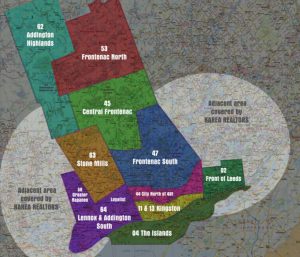
Downtown and Sydenham Ward
The downtown core is where Kingston feels most historic and most alive. Limestone buildings line narrow streets, and the waterfront is never far away. People walk to small restaurants, shops, the market, and the theatre. It is not quiet, but it is comfortable. In the evenings, music drifts from patios and open doors, and the streets stay active well after sunset. If you like the idea of stepping out your front door and already being somewhere, downtown will feel natural.
Sydenham Ward and the surrounding blocks hold many of the city’s older homes. Brick and limestone houses sit close to the street, often with deep porches and tall windows that have looked out over these streets for generations. These neighbourhoods appeal to people who enjoy walking to daily errands and being close to the cultural life of the city.
Retirees who prefer to leave the car parked, professionals who work at Queen’s, and long-time Kingston residents who appreciate the history of these streets all find themselves drawn here. It is a part of the city where the past is still visible, but the streets remain very much lived in, creating a welcoming environment for those relocating.
Kingston Downtown Video Walking Tour
The West End
The West End is where many families settle. Streets curve rather than follow a grid, and yards are often larger. It is common to see neighbours walking dogs, children heading to school together, and people stopping for a quick conversation while out for an evening walk. Neighbourhoods weave community centres, arenas, and parks into their fabric instead of setting them apart. There is space here, not just in square footage, but in the pace of daily life.
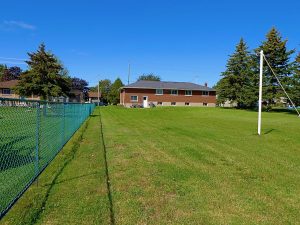
Newer areas such as Woodhaven and Westbrook include walking paths that wind around ponds and connect quiet streets. On warm evenings, people take their time along those paths, often circling the water before heading home.
Older west-end neighbourhoods such as Polson Park, Lakeland, Auden Park, and Bayridge have mature trees, familiar floor plans, and a sense of continuity. Many people grew up in these areas and later returned to raise their own children, which gives the neighbourhoods a settled and familiar feeling.
The East End
The east end has always had a strong connection to CFB Kingston, the Royal Military College, and the river. It often feels a little quieter than other parts of the city, with more open sky and longer views across the water.
Newer subdivisions offer practical homes with dependable layouts and comfortable living space, while older streets closer to the river have long-established homes and views that many residents value. People who choose the east end often appreciate the easy access to the base, the quick route to downtown across the causeway, and the newer Waaban Crossing, which has made travelling across the city much easier. Parks and shoreline paths along the river provide quiet places to walk or spend time outside.
Many military families settle in the east end because the commute to the base can be just a few minutes, which makes daily routines simpler.
There is a steadiness to this part of the city. It does not feel hurried. For households looking for a calm neighbourhood and a predictable routine, the east end often feels like a comfortable fit.
Central Neighbourhoods
Williamsville, Kingscourt, Rideau Heights, and the surrounding areas have their own distinct rhythm. These are neighbourhoods where renovation is common and where people often choose a home because they see what it could become, not just what it looks like today.
Many buyers here are first-time homeowners or younger families who are comfortable taking on improvements. The appeal is not perfection on day one. It is the chance to shape a home into something personal. They plant gardens, update kitchens, and older houses slowly take on new life.
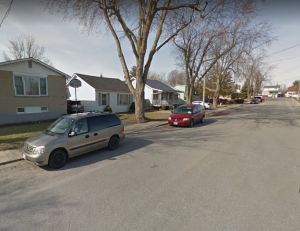
Some streets feel settled and quiet, while others show changes as people repair, expand, or restore homes. That mix gives these neighbourhoods a sense of authenticity that many people appreciate.
For those relocating, the mix of old and new in Kingston offers a unique living experience.
They sit close enough to downtown to stay connected to the city’s activity, but far enough away that the streets feel lived in rather than polished or staged.
Rural Communities and the space beyond
For many people relocating to Kingston, the search eventually extends beyond the city itself into the rural communities that surround it.
Just a short drive outside the city limits, the landscape opens up. Townships such as South Frontenac and Loyalist, along with rural areas east of Kingston, offer space that is difficult to find in larger urban centres. Lakes, rock outcrops, older barns, and long country driveways are part of the scenery. Some people move here because they want room for gardens or workshops. Others simply appreciate the quiet and the darker night skies.
Communities such as Verona, Harrowsmith, Sydenham, Glenburnie, and Howe Island have small centres that many residents pass through during the week for groceries, hardware stores, or local markets. They are the places where familiar faces appear at the store, the market, or the hardware counter.
Wolfe Island, reached by the free ferry from downtown Kingston, has its own pace altogether. The shoreline is wide and open, and many homes sit close to the water. Cycling along the island roads is common in the summer, and small gathering places like the General Wolfe Hotel host music and events. Life on the island feels a little removed from the city, but Kingston is still only a short ferry ride away.
To the west, Napanee has a compact downtown along the river and a pace that many people find comfortable. To the east, Gananoque sits at the edge of the Thousand Islands with its own waterfront paths and small-town main street.
Rural living often means larger properties. Homes with two or more acres are common, along with wooded trails, larger gardens, and a greater sense of privacy. Rural ownership comes with responsibilities such as wells, septic systems, and winter road conditions. For many residents, the quiet and space make those considerations worthwhile.
Housing in Kingston
People choosing to move to Kingston often select homes for reasons that go beyond size or price. A house usually feels right within the first few minutes of walking through the door. Relocating brings several housing styles that suit different stages of life, and each brings its own way of living.
Bungalows are a familiar sight across the city. With everything on one level, daily life is simpler. Morning coffee in the kitchen easily turns into a few quiet minutes on the porch. For those thinking about mobility or long-term living, a bungalow allows life to remain comfortable without stairs. Many include finished basements with space for guests, hobbies, or a workshop. They are practical homes that do not demand more attention than people want to give.
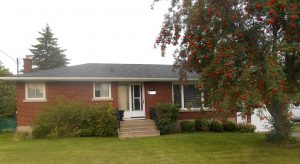
Brick and limestone homes appear most often closer to the downtown core and Sydenham Ward. These houses carry Kingston’s history in their walls. Tall windows, deep sills, and worn wood floors show where generations have lived. They do not feel decorative or staged. They feel lived in. People drawn to these homes often appreciate character and craftsmanship, and understand that older houses reward patience and care, making them attractive for those relocating.
Wartime homes in neighbourhoods such as Kingscourt, Rideau Heights, and other central areas often serve as a starting point for ownership. These houses are modest and straightforward, but they offer a solid foundation for building a life. Gardens begin in narrow backyards, and neighbours recognize one another while walking home from work. Many families remain longer than they first expected, and the houses quietly hold years of everyday routines.
Townhomes and semi-detached homes are common in both the east and west ends of the city. They appeal to people who want comfortable living space without the upkeep that comes with larger properties. There is room for children, pets, and guests, but not so much maintenance that weekends disappear into yard work. For military families, professionals, and those who travel frequently, these homes offer a practical balance between space and simplicity.
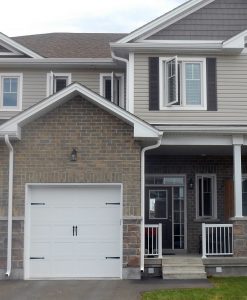
Two-storey family homes appear throughout neighbourhoods such as Bayridge, Westwoods, Greenwood Park, and Riverview. Streets are often quiet, and it is common to see children learning to ride bicycles or neighbours talking in driveways. Kitchens open onto backyards, and bedrooms sit upstairs, away from the activity of the day. These homes suit families who want room to grow with no need to think much about space at all.
Rural homes, farmhouses, and lakeside properties appear just outside the city. Larger properties offer long driveways, gardens, wooded trails, and darker night skies. Older farmhouses often carry a long local history, while lakeside homes bring the steady presence of water into daily life. Living outside the city usually means a longer drive, but for many people the quiet and open space make that trade worthwhile.
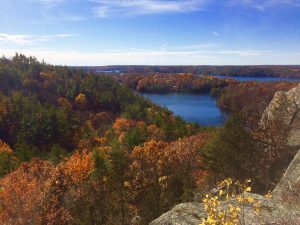
Relocating often leads individuals to discover unique and charming homes throughout Kingston.
Condominiums and low-maintenance living appeal to people who want a home without the ongoing responsibilities that come with larger properties. The condominium corporation handles snow removal, exterior repairs, roofing, and landscaping, allowing residents to focus more on daily life and less on upkeep.
In Kingston, condos attract a wide range of owners. Downsizers often choose them after years of maintaining larger houses. Medical staff working irregular hours appreciate the simplicity of coming home without another list of chores waiting. Military members posted to the area sometimes prefer a property they can easily lock and leave during travel or future postings. Parents of Queen’s, RMC, or St. Lawrence College students occasionally purchase smaller units as well, allowing their children a stable place to live during their studies.
What matters most inside a condo is usually the same things people value in any home: good natural light, a comfortable kitchen, quiet rooms, and a place to sit outside when the weather is warm. A balcony overlooking trees or water can make a small space feel much larger.
Before purchasing a condominium, buyers usually review a few practical details. Monthly fees cover building maintenance and shared services, and it is important to understand what those fees include. The reserve fund helps pay for future repairs, so its health matters. Building rules can affect pets, rentals, parking, and storage, and those policies shape daily living more than many buyers expect.
For many residents, the appeal of a condo is simple. The home remains comfortable and well maintained, but someone else handles much of the work that comes with ownership.
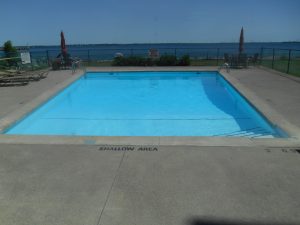
Sexton Place is one of our townhome-style condo options that appeals to individuals seeking low-maintenance living with a quiet, established ambiance near everyday green spaces. The location is close to several strip malls, featuring a Metro Grocery Store, TD Bank, Shoppers Drug Mart, and other amenities (including my office). Townhome condos allow for more personal space and a residential atmosphere similar to that of a single-family home. Owners can enjoy a peaceful time outdoors while benefiting from the practical advantages of a condo; it’s the best of both modern urban living and comfort.
FAQ
Is Kingston a good place to live year-round?
Yes. The seasons are real, but manageable. Winter is like that of others in Eastern Ontario, though the lake moderates the temperature and snowfall. Roads are well-maintained, and people are used to winter driving and routines.
What are typical commute times within the city?
Most trips across Kingston take between fifteen and thirty minutes, depending on the time of day and location. For many people, this is one of the first noticeable improvements in daily lives.
Are there walkable neighbourhoods?
Yes. Downtown, Sydenham Ward, the streets around Queen’s, and parts of Williamsville allow for a daily routine on foot. Other areas offer connected trail systems, especially in newer west-end neighbourhoods.
Is Kingston a good place to downsize?
There are many bungalows, condos, and single-level homes available, making it comfortable for those planning long-term living without stairs or heavy maintenance.
How far is Kingston from Toronto or Ottawa?
By car, the journey is roughly 2 to 2.5 hours to Ottawa and about 3 hours to Toronto. VIA Rail offers reliable routes in both directions for work, family visits, or appointments.
Who are the local moving companies in Kingston?
For anyone considering relocating to the Kingston area, many reputable moving companies are available to serve the area. The right choice depends on timing, distance, and the size of the move. Here are some common options:

• Frank’s Worldwide Moving (Kingston, Napanee, Gananoque)
• Two Men and a Truck – Kingston
Relocating? All three handle local, regional, and long-distance moves. It’s helpful to request written estimates from multiple providers and inquire about availability during peak moving periods, such as summer and the end of the month.
For many people, once they settle in, Kingston simply feels like the right place to be.
📚 Don’t Miss These Guides
Relocating to Kingston involves more than choosing a house. Neighbourhood character, housing style, inspections, and budgeting all influence how comfortable the transition feels. These related guides explore issues buyers often consider when planning a move to Kingston and the surrounding Frontenac, Lennox, and Leeds communities.
Choosing the Right Neighbourhood in Kingston and Area
Neighbourhood choice shapes daily life more than the home itself. This guide explains how different areas of Kingston and the surrounding communities feel, from walkable downtown streets to the established suburban neighbourhoods and rural areas where space and quiet are part of everyday living.
Home Inspections: Benefits for Buyers and Sellers
Before purchasing a property, understanding its condition is essential. This guide explains how home inspections work, the types of issues commonly found in Kingston houses, and how inspection results can influence negotiations during a real estate transaction.
Understanding the local community and its resources can enrich the experience of relocating.
Kingston and Area Home Buyers Guidebook 2026
Buying a home involves several steps, from mortgage preparation and property searches to offers, inspections, and closing day. This guide walks through the process so buyers can understand what to expect when purchasing property in Kingston and the surrounding Frontenac, Lennox, and Leeds communities.
Match the Home You Buy to Your Budget
Choosing the right home begins with understanding the full cost of ownership. This article explains how mortgage payments, property taxes, utilities, insurance, and maintenance fit together when planning a purchase in Kingston and the surrounding Frontenac, Lennox, and Leeds communities.
Relocating also allows you to connect with local traditions and take part in community events.
Rent or Buy: Making the Right Choice
People moving to Kingston sometimes begin by deciding whether renting or buying makes the most sense. This guide outlines the advantages of both options and explains how finances, timing, and long-term plans influence the decision in the Kingston and area housing market.