


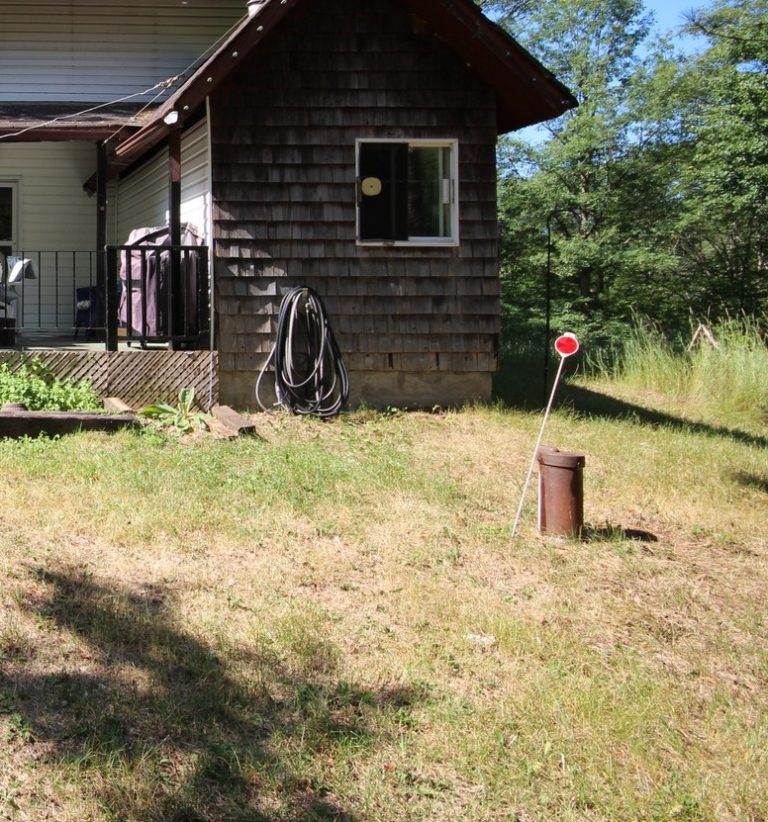
Many people who are thinking about a rural move picture the peace and privacy that come with leaving the city behind. In the Kingston area, that lifestyle is achievable. Homes in South Frontenac, Stone Mills, Central Frontenac, and along the Rideau Canal offer larger lots, quiet roads, space for gardens or workshops, and a slower pace of living that appeals to many buyers leaving urban neighbourhoods.
For those transitioning from municipal services to rural living, understanding how rural wells and septic systems work is a significant shift. However, a bit of routine care and the right mindset will allow people to manage these systems easily. Once you understand them, the transition to rural living becomes not just comfortable, but empowering.
The goal of this guide is to explain rural wells, pumps, filtration equipment, water quality, pressure tanks, and septic systems in clear, practical language so you can approach your rural home search with confidence.
Wells and Rural Water Systems
Most rural homes rely on a private well. The type of well depends on the age of the home, soil conditions, and the geology of the surrounding area. Every kind of rural well can provide clean, reliable water when properly maintained.
Drilled wells
Drilled wells, the modern standard in the Kingston area, extend deep into the bedrock, providing a stable water supply year-round. Their reliability, even during shorter dry spells, offers homeowners a sense of security. Deeper-drilled wells carry more minerals, which is common and easily managed through filtration.
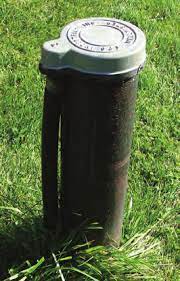
Well casing and well caps
Every drilled rural well includes a casing, a steel or PVC liner that supports the well shaft and prevents soil or surface water from collapsing into it. Modern well casings are usually steel near the top and PVC deeper down. The casing must extend above the ground surface, ideally by 12 to 16 inches, to prevent runoff from entering the well. On top of the casing is the well cap, which seals the opening and prevents insects, small animals, and debris from entering the system. A secure, properly fitted well cap helps maintain water quality, and you should check it periodically to ensure it is tight and in good condition.
Dug wells
Dug wells are found chiefly on older farmhouses, cottages, and century homes. They sit close to the surface and rely directly on the water table. Their shallow roots make them more sensitive to drought, heavy rain, and seasonal changes. Because water levels can change more quickly in dug wells, homeowners often test them more frequently.
Bored and vertical wells
Bored and vertical wells fall between drilled and dug wells in terms of depth and performance. Local soil and rock layers highly influence them, and they are common on older rural properties. A flow test is essential during an inspection to understand how they perform over time.
Dug and bored rural wells
Wells are shallow well water systems with a water source or water table (aquifer) near the surface. Dug and bored wells are usually less than 50 feet deep and can become contaminated by groundwater. In dry summers, they can also be susceptible to water shortages.
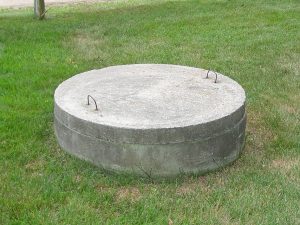
Shore wells
Shore wells draw water from the lakebed near the shoreline. You can still find them on Wolfe Island and around Loughborough Lake, Sydenham Lake, and the Rideau system. These wells rely on natural filtration through the lakebed. They function well with maintenance, but storms, sediment movement, lake-level changes, and zebra mussels can impact them. Homes using shore wells almost always require UV sterilization.
Lake intake systems
Some waterfront homes draw water directly from the lake through an intake line. Intake lines need maintenance, cleaning, and occasional replacement. Filtration is essential because untreated lake water is unsafe to drink. Many homes combine a UV sterilizer with a reverse osmosis system to ensure clean drinking water.
Cisterns and drip systems
Some rural homes include cisterns, either as the primary water source or as backup storage for a low-yield well. A cistern is a large, sealed tank that holds a reserve of water delivered or collected. In areas with unpredictable well performance, they provide peace of mind and allow homeowners to manage their supply more easily.
People also use drip systems in some homes. These slowly release stored water into the well casing to maintain pressure during periods of low recovery. Drip systems do not replace the natural supply, but they help stabilize performance during droughts.
For more information on wells and equipment requirements, please see this page from the Ontario Government
Water Treatment Systems and Water Quality
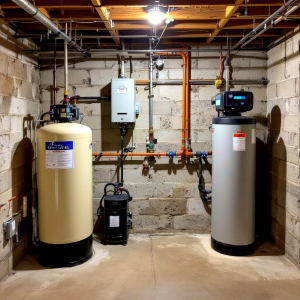
Filtration equipment is an essential part of many rural homes. Every rural well has a unique water profile, determined by its depth and the geology from which it draws. Minerals are common and pose no health risk, but homeowners must control them to protect fixtures, appliances, and water quality.
Water softeners and hardness treatment
Hard water is widespread across the Kingston area. Dissolved calcium and magnesium can build up inside dishwashers, washing machines, hot water tanks, kettles, and coffeemakers. Hard water also makes soap and shampoo harder to lather. A softener corrects this by removing hard water minerals and protecting plumbing and appliances.
Iron and manganese
Iron creates orange or brown stains. Manganese creates darker grey staining. These minerals are common in deep-drilled wells. Without treatment, they will stain sinks, tubs, laundry, and fixtures. A dedicated iron filter resolves the issue.
Sulphur
Sulphur in water produces the familiar rotten-egg smell. Some groundwater naturally contains sulfur, and depending on the source, people can treat it through aeration, carbon filtration, or oxidizing filters.
Sediment and clarity
Dug wells, shore wells, and lake intake systems commonly contain sediment filters that capture small particles. It’s cost-effective and straightforward to swap out these filters as part of your usual upkeep.
UV sterilizers
A UV sterilizer is one of the most essential pieces of equipment in many rural water systems. It uses ultraviolet light to disinfect water and remove bacteria, viruses, and other microorganisms without adding chemicals. The light unit sits inside a stainless steel chamber, treating the water as it passes through. When sized correctly and maintained each year, a UV sterilizer provides continuous protection and ensures that the home has safe drinking water. UV is essential for any system that draws from surface-influenced sources such as shoreline wells, dug wells, bored wells, or lake intake lines. These water sources can change quickly after storms, spring runoff, or periods of heavy rainfall. A UV system handles these fluctuations and removes bacteria that may temporarily appear after weather events. A UV unit requires an annual bulb replacement and a periodic cleaning of the quartz sleeve that surrounds the lamp.

If the quartz sleeve becomes cloudy from mineral buildup, the UV light cannot penetrate properly, and disinfection drops. Therefore, homeowners often pair a UV system with sediment or carbon filtration to keep the quartz sleeve clear. Even with clean drilled well tests, many rural homes around Kingston rely on UV sterilization throughout the year. It provides peace of mind and ensures that the water remains safe during seasonal changes, repairs, or unexpected contamination. For homes with vulnerable individuals or those using lake water, UV is a crucial water treatment safety measure.
Reverse osmosis systems
Most people associate reverse osmosis with small under-sink drinking water units, but full-home systems exist as well. They are more expensive and require professional installation, yet they produce spotless water throughout the entire home. Whole-home reverse osmosis can be helpful when well water contains unusual mineral combinations or salt intrusion. One can purchase a wide range of equipment locally from Home Depot, Rona, Canadian Tire, or other suppliers, or, for a professional opinion, past clients have had excellent results with Professional Pumps & Water Treatment and Jeff Byron Pumps and Water Treatment.
How minerals influence daily life
Even when water is safe to drink, minerals affect how the home feels day to day. Hard water leaves residue on shower doors and reduces the lifespan of fixtures and appliances. Iron and manganese leave stains that are difficult to remove once they set in. Many rural homeowners learn quickly that understanding their filtration equipment is just as important as knowing how to maintain a furnace or electrical panel.
Water Testing and Seasonal Considerations
Before buying a rural home, water testing is not just necessary; it’s essential. Public health units and private labs can identify bacteria, minerals, and potability. Drilled rural wells typically require annual testing. Dug wells, shore wells, and lake systems often require seasonal testing because conditions change more quickly. These tests help you take care of your water supply and check that it’s safe and high quality.
Recent summers have revealed the vulnerability of some rural wells during extended droughts. In 2024 and 2025, many dug and bored wells ran low or went fully dry, and even some shallow drilled wells struggled to recover. Seasonal monitoring is now part of normal rural ownership.
Many rural households now measure their well depth occasionally, especially in late summer and early fall. Knowing the level of the water column gives homeowners a better sense of how much reserve remains.
When wells run low, local companies such as Clearwater Water Hauling deliver clean water and top up wells or cisterns as needed. This service helps homeowners bridge a dry period without waiting for rainfall.
Regular testing, seasonal depth checks, and access to well top-up services make managing water supply safer and more predictable in the Kingston area.
The Pressure Tank: Essential to Rural Wells
The pressure tank is one of the most essential parts of a rural water system. It stores pressurized water in reserve and provides a steady flow to taps and fixtures. Without the tank, the pump would run constantly, shortening its lifespan.
When a pressure tank begins to fail, homeowners notice fluctuating pressure, pulsing water, or rapid pump cycling. These issues often lead buyers to believe the well is running dry. In reality, a failing pressure tank is far more common.
I recently worked with buyers who believed their rural well had no water left during a hot summer. The pressure tank had stopped holding pressure. Once repaired, the water system returned to normal. Situations like this occur far more often than actual well failures.
Pressure tanks have a lifespan of ten to fifteen years, and sometimes people can re-pressurize them instead of replacing them. Inspectors should always include them in a rural inspection.
Understanding Septic Systems
A septic system performs the same job as a municipal sewer line, but does so on-site. Most rural homes in the Kingston area use a traditional septic tank and leaching bed. When someone correctly builds and pumps these systems on schedule, they can run for decades with very few issues.
How a standard septic system works
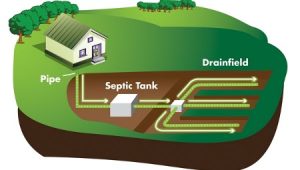
A basic system has three main parts:
The septic tank, the distribution box, and the leaching bed.
The septic tank
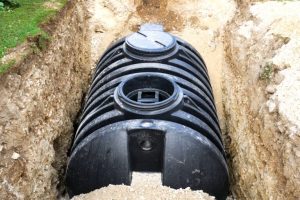
Concrete, fibreglass, or plastic usually form the tank, which separates solids from liquids. Wastewater flows in from the house through the inlet pipe. Heavy solids settle to the bottom as sludge. Grease and soap scum float to the top as a scum layer.
The tank has baffles at both the inlet and the outlet. These baffles prevent solids from moving into the next stage of the system. A tank without working baffles is at high risk of sending solids to the bed, leading to early failure.
Concrete tanks are standard in older systems and can last forty years or more when maintained. Fibreglass and plastic tanks are standard in newer installs and perform well when properly supported and backfilled.
The distribution box
The distribution box plays a crucial role in maintaining the system’s balance. It disperses the flow across multiple lines that feed the leaching bed, ensuring no part of the bed overloads and fails early. Inspection of this aspect is critical.
The leaching bed
The leaching bed is where most of the treatment happens. Treated wastewater flows into perforated pipes set in gravel trenches or chambers. The soil below naturally filters and purifies the water before it returns underground.
Beds last 25 to 35 years on average, though well-maintained beds in good soil can last longer. Beds on shallow soil or Canadian Shield rock often need engineered solutions, such as raised beds or EcoFlow bio-filters.
The lifespan of a leaching bed depends on:
• soil type
• tank baffle condition
• water usage
• age of the system
• whether solids ever reached the bed
• plumbing habits in the home
Large families, high laundry use, older plumbing fixtures, or leaky toilets can shorten bed life. Seasonal homes with two people often see much longer performance. Homeowners can play a significant role in maintaining the system’s health by being mindful of their water usage, promptly fixing leaks, and avoiding flushing non-biodegradable items.
Maintaining Your Septic System
Maintaining your septic system is essential to ensure it functions properly. A failing septic system can allow untreated wastewater to leach into groundwater or runoff into nearby water bodies, harming terrestrial and aquatic ecosystems. This can lead to water pollution, health risks, and costly repairs. There are many things you can do to take care of your septic system:
- Reduce your water use to keep solid sludge settled on the bottom of the tank.
- Have your septic system inspected and pumped every three years, and keep a record of all maintenance work. This record can help you track your system’s health, identify potential issues early, and provide a maintenance history for future owners. Keep a clear perimeter around the edge of the drain field, free of trees and shrubs. The perimeter size depends on the plant species – be sure to do some research!
- Carefully research before using any septic additives, as some, such as chemical cleaners or excessive enzyme amounts, may be ineffective or harm your system, depending on your septic system type. Don’t drive or park vehicles on top of your drain field, as this can compact the soil and damage pipes.
- Don’t use cleaners, soaps, and detergents with phosphates.
- Flush nothing that you didn’t produce, except for toilet paper! That means no fats, grease, paints, cat litter, sanitary products, diapers, wipes, cigarette butts, or kitchen waste. Remember that bacteria are essential to keep the tank working correctly, and never flush antibacterial wipes!
Being mindful of your water use and avoiding excessive lawn watering over the drain field is a small but significant step towards environmental protection. It’s a way of showing respect for the ecosystem your septic system is a part of.
Engineered systems
Some rural properties cannot use traditional beds because of shallow soil, high water tables, or exposed bedrock. In these cases, people use engineered systems. Raised beds, shallow trench systems, and EcoFlo bio-filter units are standard throughout Frontenac and the Canadian Shield. These systems work very well but require professional installation and ongoing maintenance. A video on the difference between a standard system and an EcoFlo system.
Holding tanks
Some lakefront or riverside properties no longer meet modern setback requirements for a new leaching bed. When an older system fails, the municipality may require a sealed holding tank instead. You must pump these tanks whenever they are full. Households using holding tanks learn to manage water carefully to reduce the frequency of pumping.
Replacement costs and planning
A septic system has a lifespan, just like any other part of a rural home. While homeowners rarely replace the tank, they eventually expect to replace the leaching bed. Costs depend on soil conditions, engineering, system size, and access for machinery. Buyers should plan and understand the system’s age, the tank material, and whether the bed still has a healthy soil structure.
A professional septic inspection remains the best way to understand age, condition, and expected life. Inspectors evaluate the tank, examine baffles, assess bed health, check the slope and distribution, and provide guidance based on local soil and groundwater conditions. They also inspect the distribution box, check for signs of leakage, and test the system’s overall functionality.
What Urban Buyers Should Expect
Once you understand the equipment and routines involved, rural wells and septic systems become far less mysterious. They become part of the normal home-ownership process. Rural homeowners test their water at least once or twice a year, pump their septic systems on a proper schedule, replace sediment and carbon filters as needed, and monitor the pressure tank so the system delivers steady water throughout the home. After a short learning curve, these tasks blend into the same rhythm as checking the furnace filter, cleaning the eavestrough, or maintaining a driveway.
Adapting to rural systems presents no major challenges. It is just different from living on city services. The reward for learning these systems is substantial. Rural homes offer larger lots, quiet roads, wide-open skies, and a sense of privacy hard to find in town. Many buyers also appreciate the independence that comes from managing their own water and wastewater systems.
With the correct information and a clear understanding of how rural wells and septic systems work, you can move forward with confidence. The Kingston area’s rural properties provide a peaceful, spacious lifestyle. When property owners maintain their water and septic systems well, these systems reliably support that lifestyle for many.
Frequently Asked Questions
How often should I test water from rural wells?
Most rural homeowners in the Kingston area test their water at least once a year, but twice a year is a safer and more realistic schedule. Spring is critical because winter snowmelt and spring runoff can change water clarity and introduce bacteria into shallow wells. A second test in late summer or early fall helps confirm water quality during the driest part of the year, when levels drop and minerals can rise. Dug wells, bored wells, shore wells, and lake intake systems benefit from seasonal testing because conditions shift quickly with rainfall, drought, storms, and temperature changes. Drilled rural wells are more stable, but even they should be checked regularly to catch changes in minerals or bacteria that develop.
Can rural wells run dry?
Yes, especially during an extended drought. In recent summers in the Kingston area, many dug wells and some bored wells ran low. Seasonal well-depth checks and access to water-delivery services, such as Clark’s or ClearWater, help manage shortages.
How long do septic systems last?
The tank, leaching bed, soil, and the system’s usage history determine a septic system’s lifespan. Most well-built systems in the Kingston area last significantly longer than twenty years. A properly maintained concrete tank can last forty years or more, while fibreglass and plastic tanks also perform well when installed correctly. The leaching bed is usually the limiting factor. Traditional stone and pipe beds often last twenty-five to thirty-five years, but well-cared-for beds in good soil conditions can last longer. Chamber systems and raised beds perform well on properties with thin soil or Canadian Shield rock, provided they are not overloaded.EcoFlo and other bio-filter systems have different maintenance needs.
The primary tank still requires regular pumping, and the manufacturer’s recommended schedule dictates servicing or replacing the peat or filter media inside the unit. When maintained properly, these systems can match or exceed the lifespan of a conventional bed. Habit use matters too. Large households, heavy water use, or older plumbing fixtures can shorten the system’s lifespan. Seasonal cottages or two-person homes often have systems that last much longer. A professional septic inspection is the best way to understand a septic system’s age, condition, and remaining lifespan. Inspectors assess the tank, the bed, soil conditions, and performance to give a realistic estimate of what to expect.
How often should I pump my septic tank?
The proper pumping schedule depends on the type of system and the number of people living in the home. A standard septic tank typically needs pumping every three to five years, but smaller tanks or larger households may require service more often. A three-bedroom home with a standard one-thousand-gallon tank will fill more quickly than a two-person household with a larger tank. Seasonal homes may go longer between pump outs because daily use is lower. Holding tanks are different. Since they lack a leaching bed, they require pumping when they fill. How often that happens depends entirely on water use. Some rural households pump every two to four weeks, while part-time cottages may only need service a few times a year. EcoFlo and other bio-filter systems still require the primary tank to be pumped regularly, usually every 2 to 3 years. The filter media in an EcoFlo unit also needs periodic inspection and servicing per the manufacturer’s guidelines. When in doubt, homeowners should follow their septic inspector’s recommendations. Tank size, household size, and water habits all influence how quickly a system fills, and regular maintenance will extend the life of the entire system.
Do all rural homes need filtration?
Most rural homes need at least some form of filtration, but the type and amount of equipment vary widely depending on the well. Hardness is extremely common throughout the Kingston area, even in deep-drilled wells, so many households have a water softener to protect fixtures and appliances. Iron and manganese show up in wells that pass through specific rock layers and can cause staining if not filtered. Sulphur appears in some areas, creating a noticeable smell that requires specific treatment. Dug, bored, shore, and lake intake wells almost always require a more complete package.
These systems often include sediment filters, UV sterilizers, and sometimes reverse osmosis for drinking water. Homes that rely on cisterns or well top-up services may still need filtration, as the water delivered and stored can pick up sediment. The only rural homes that sometimes require minimal filtration are those with deep-drilled wells with excellent flow and stable mineral levels. Still, these often use a simple sediment filter to protect plumbing. An inspection and a full water test are the best ways to understand what equipment a home actually needs. The goal is not to install everything, but to match the treatment system to the water source so the house runs smoothly.
📚 Don’t Miss These Guides
Buying a home with a private well or septic system involves a few additional considerations. These guides provide helpful insight into inspections, water management, and the broader home buying process for properties in Kingston and the surrounding communities of Frontenac, Lennox & Addington, and Leeds & Grenville.
Home Inspections: Benefits for Buyers and Sellers
Professional home inspections often include evaluation of water systems, drainage, and visible septic components. This guide explains how inspections help identify potential issues early and give buyers and sellers greater confidence during a transaction.
Water Damage Prevention for Your Home
Water management is especially important for homes with wells, septic systems, or rural drainage considerations. This guide outlines practical steps homeowners can take to prevent moisture problems and protect their property.
Kingston and Area Home Buyer’s Guidebook
Buying a home involves more than choosing the right property. This guide walks buyers through the full process in Kingston and area, including inspections, financing, and important considerations for rural homes with private services.
Buyer’s vs. Seller’s vs. Balanced Markets
Market conditions influence how buyers evaluate properties, including rural homes with private services. This guide explains how different market environments affect pricing, negotiations, and overall strategy in Kingston and the surrounding region.
8 Hidden Costs of Buying a Home
Homes with wells and septic systems can involve additional inspection, testing, and maintenance considerations. This guide explains common costs buyers should understand before purchasing a property in Kingston and the surrounding area.