


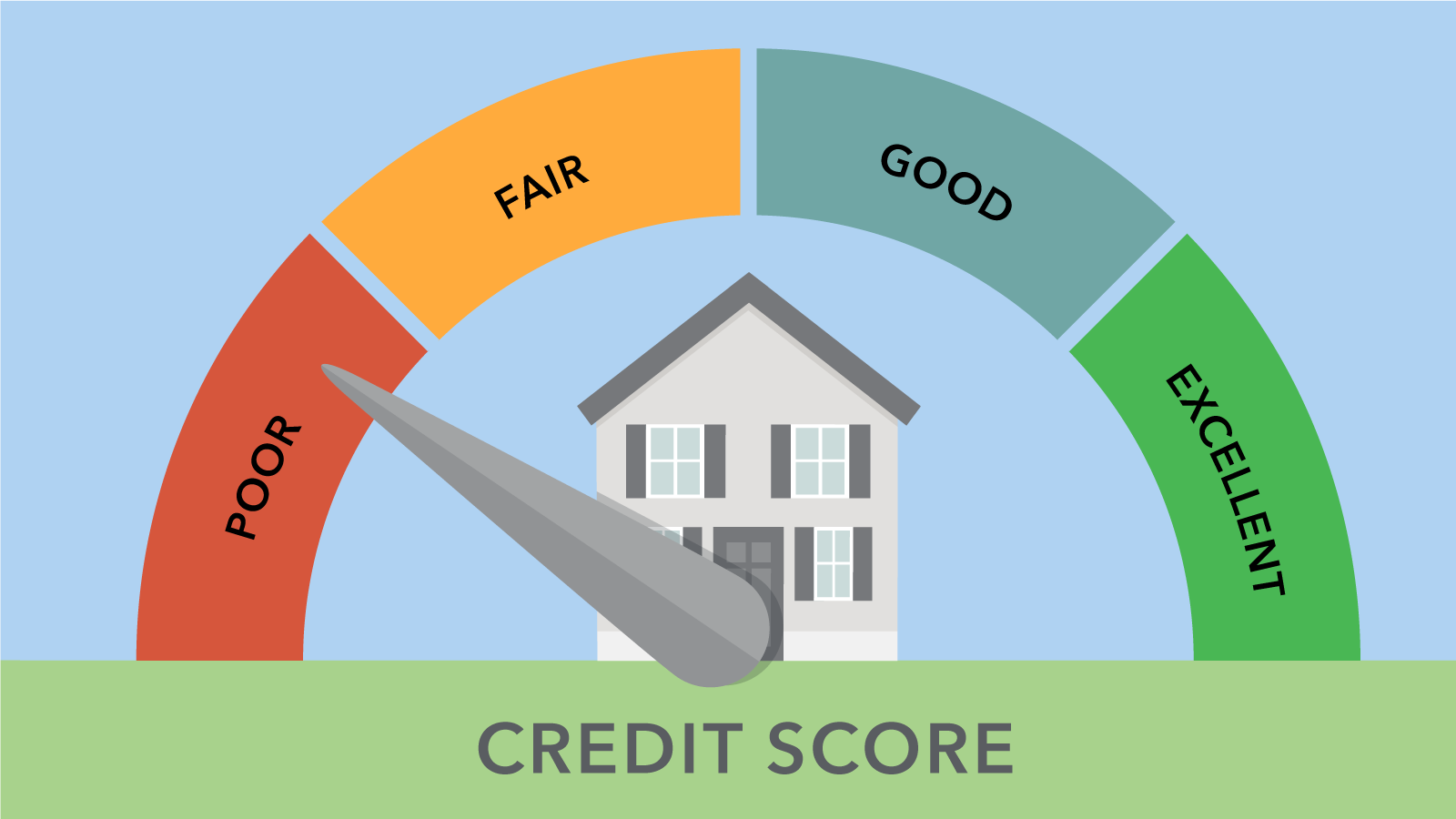
Your credit score directly affects mortgage approval, interest rates, and buying power in Kingston and the surrounding area. While buyers often focus on price, neighbourhood, and monthly payments, lenders focus on risk, and your credit score is a key part of that decision.
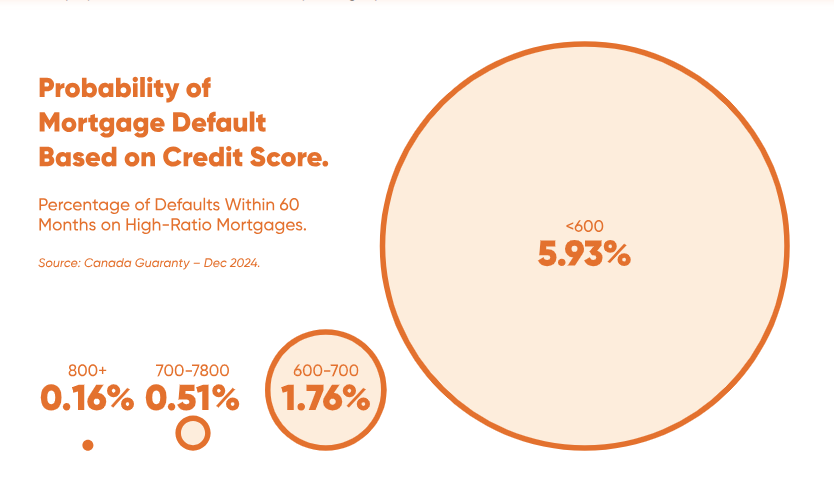
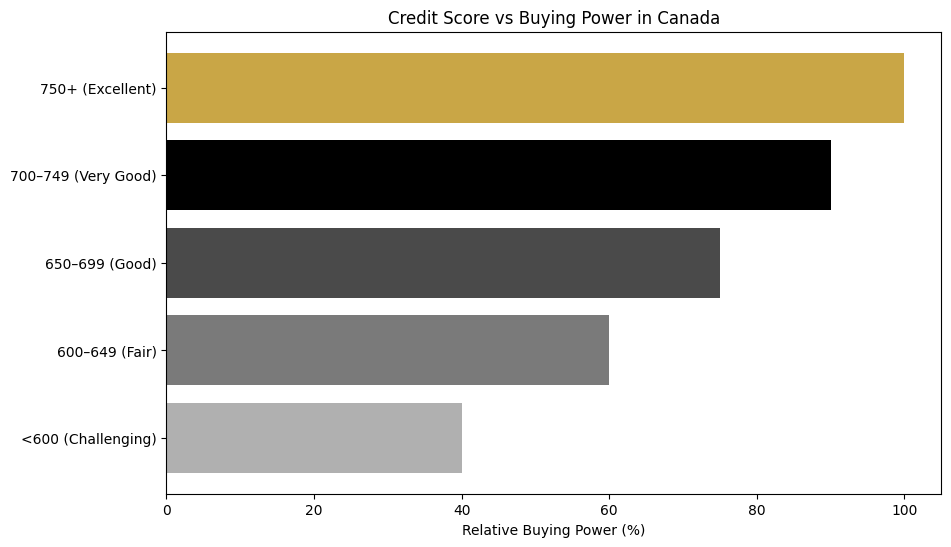
Your score influences almost every step of the process. For example, scores above 750 may qualify for the best rates, while scores below 650 can limit options or increase borrowing costs.
In Kingston and the surrounding area, I regularly see buyers with steady incomes and reasonable down payments surprised by how much their credit score affects their options. Beyond approval, their credit score also influences their comfort with the purchase after completing the numbers.
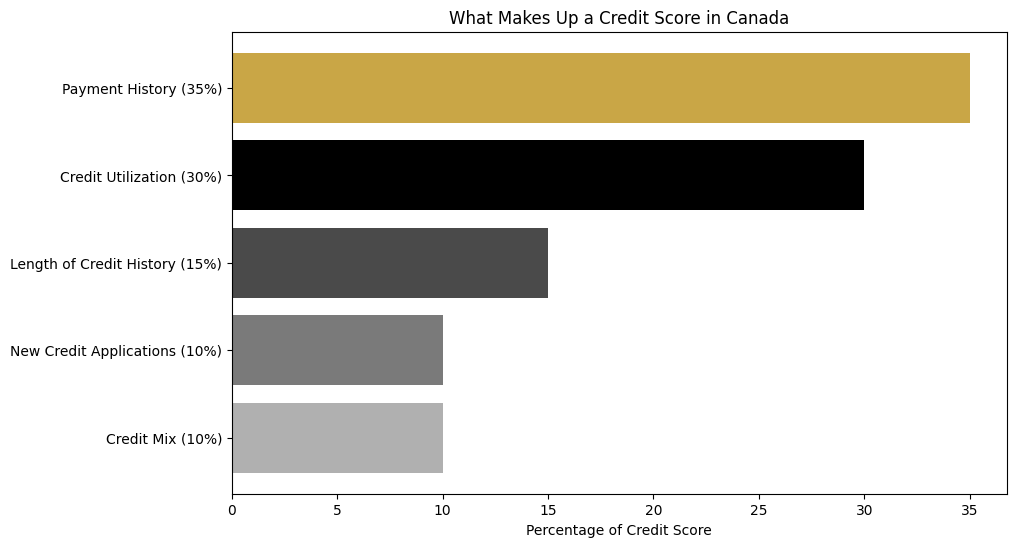
Mortgage lenders rely on credit history to measure risk. They want to see how consistently you have handled debt over time, because that helps them predict how a long-term mortgage might perform. Your credit score condenses years of financial behaviour into a single number, typically between 300 and 900. That number carries actual weight.
A stronger credit score can open the door to better interest rates and more flexibility, helping you feel more confident about your home purchase. A weaker score can limit how much you can borrow or push payments higher than expected, which might cause unnecessary worry. Even a slight difference in interest rates can reduce buying power or increase monthly costs, so understanding this can help you feel more in control of your financial future.

Another thing many buyers do not realize is how sensitive credit scores can be to timing and recent activity. Opening new credit accounts, missing payments, or taking on new debt can cause temporary dips, especially in the months leading up to a mortgage application.
If you are thinking about buying, it is worth checking your credit score early, well before you look at homes. In Canada, you can access your credit report and score directly from the two main credit reporting agencies. Reviewing it ahead of time gives you a chance to spot errors, understand where you stand, and avoid surprises when you speak with a lender.
Equifax Canada
credit report and credit score accessTransUnion Canada
Credit score, report, and monitoring optionsGovernment of Canada
Plain-language overview of credit reports and scores
Most buyers express surprise at the significant peace of mind that comes from simply knowing their number and having time to improve it if needed. You can also check whether your bank offers a free credit report; I know Bank of Montreal does for my accounts.
This becomes especially important when buyers are close to making a purchase. I often advise clients to keep things as stable as possible before buying. Responsible credit use, such as avoiding new accounts, making large purchases, or going on holiday when your regular income flow is interrupted, can help you feel more in control and prepared at the right moment, rather than rushed or uncertain.
The same logic applies to major purchases before closing. Buying furniture or appliances ahead of time can reduce cash and alter credit usage. Once the home purchase is complete and the mortgage is in place, financing options are often more flexible and, sometimes, less expensive than short-term consumer credit.
None of this means buyers need perfect credit to succeed. Knowing how credit works and reviewing it early can make the process smoother and less stressful. Planning ahead gives you time to address issues, avoid unnecessary changes, and approach your home-buying journey with confidence and clarity.
A strong credit score does not guarantee the right home, but it can improve your options, lower borrowing costs, and give you more room to make decisions that feel comfortable rather than rushed. A low score is riskier for the lender, and you may not qualify at all.
Frequently Asked Questions
What credit score do I need to buy a home?
Minimum requirements vary by lender and mortgage program. Some have firm cut-offs, while others allow flexibility depending on income, down payment, and overall financial strength.
Can applying for credit really lower my score?
Yes. Credit inquiries and new accounts can temporarily reduce your score, especially if several occur close together.
Should I pay off debt before applying for a mortgage?
Paying down balances can help, but timing matters. You should discuss significant changes with a mortgage professional before applying.
Should I stop using credit cards altogether?
No, responsible use and on-time payments are better than closing accounts or making sudden changes.
When should I check my credit score?
Ideally, several months before you plan to buy, so there is time to correct errors or adjust habits without pressure.
📚 Don’t Miss These Guides
Credit readiness is only one part of preparing to buy a home. Financing approval, budgeting, and understanding the full cost of homeownership all influence how confidently buyers can move forward in the housing market across Kingston and the surrounding Frontenac, Lennox, and Leeds communities.
Mortgage Pre-Approval vs. Pre-Qualification
Understanding the difference between pre-approval and pre-qualification helps buyers assess their readiness before starting a home search. This guide explains how lenders evaluate credit history, income stability, and financial risk.
First Home Purchase: Kingston Area
Credit scores often play an important role in mortgage approval and borrowing limits. This guide walks first-time buyers through financing preparation, common mistakes, and practical steps to take before entering the market throughout the Kingston area and neighbouring Frontenac, Lennox, and Leeds regions.
8 Hidden Costs When Purchasing a Home
Mortgage approval is only part of the financial picture. This guide outlines additional costs that homeowners should plan for when budgeting for a property purchase, helping buyers prepare more realistically before closing.