

Homeownership inevitably involves maintenance costs, yet many homeowners find themselves surprised by the rapid accumulation of these expenses. Across Kingston and the area, rising labour costs, higher material prices, and aging housing stock have made it more important than ever to plan.
Whether you own a newer home in Amherstview, a century home in Kingston, a rural property in South Frontenac, or a waterfront home along the Rideau or St. Lawrence systems, understanding maintenance costs is an important part of protecting both your property and your budget.
Saving money on upkeep usually requires planning, making smart decisions, and fixing minor problems quickly so they don’t become expensive to repair later.
How to Reduce Home Maintenance Costs
1. Build a maintenance reserve fund
One of the smartest financial habits a homeowner can develop is setting aside money specifically for future repairs and upkeep. Many experts suggest budgeting between 1% and 3% of a home’s value annually for maintenance costs, depending on the property’s age, condition, and location.
2. Know the age of major systems
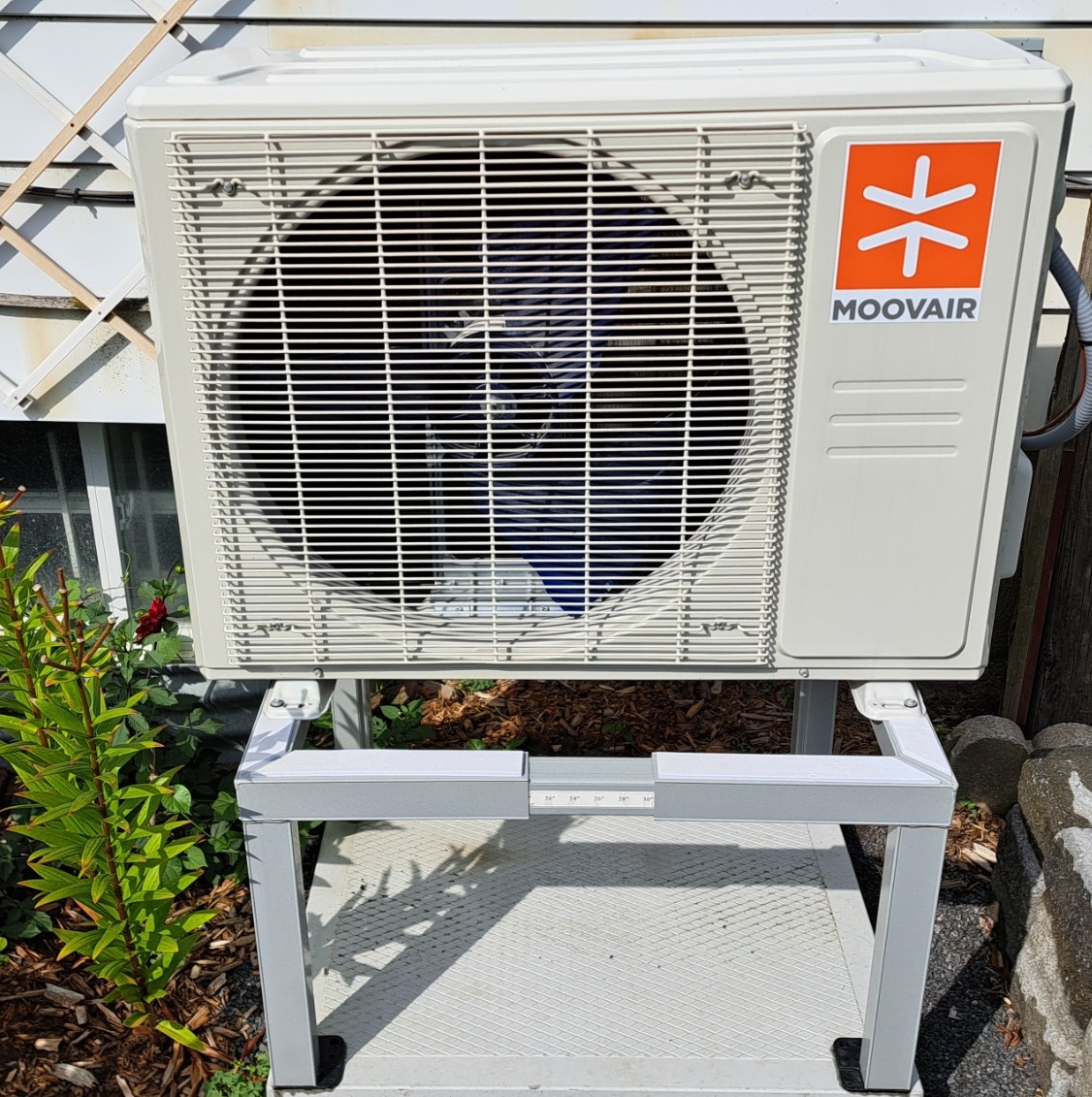
Every homeowner should know the approximate age of their roof, furnace, heat pump, air conditioner, water heater, septic system, well equipment, and major appliances. Understanding when these components may reach the end of their useful life allows you to prepare financially rather than face unexpected expenses.Cold Climate Heat Pump Outdoor Unit
3. Fix water problems immediately
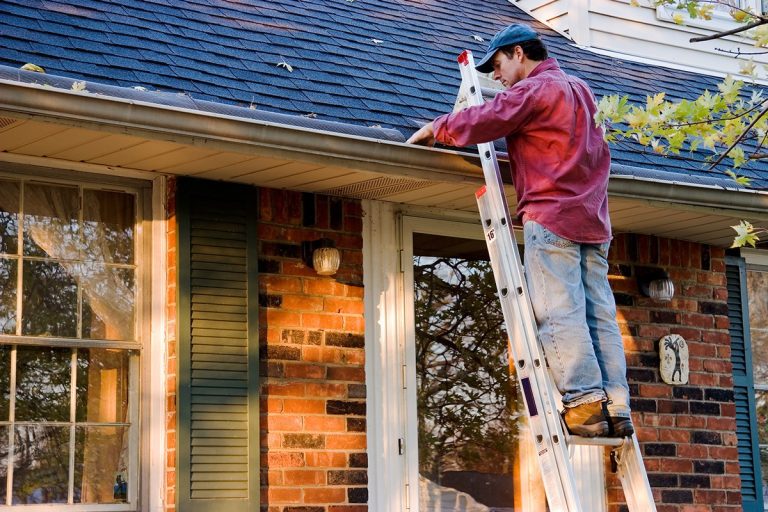
Water remains one of the leading causes of expensive maintenance costs. A small leak under a sink, a missing shingle, or deteriorated caulking around a window can eventually lead to damage to drywall, flooring, or insulation, or even require mould remediation. Promptly tackling these concerns reassures residents that their homes are being protected and that more significant difficulties are being sidestepped.
4. Understand the difference between maintenance and renovation
Maintenance protects the home. Renovations improve or update it. While a kitchen remodel may be enjoyable, repairing drainage issues, servicing heating equipment, or replacing damaged roofing materials often provides greater long-term value.
5. Create a separate emergency repair fund
Maintenance costs are often predictable. Emergencies are not. Storm damage, sump pump failures, fallen trees, and unexpected mechanical breakdowns can happen at any time. A dedicated emergency fund helps reduce financial stress when these situations occur.
6. Compare contractor quotes carefully
When comparing estimates, look beyond the ultimate price. Differences in materials, warranties, quality of work, and project scope can significantly affect overall value. Comparing detailed quotes often saves money in the long run.
7. Schedule larger projects during slower seasons
Contractors are often busiest during peak construction periods. Planning projects in spring or fall can offer greater scheduling flexibility and sometimes lower costs.
8. Learn when replacement makes more sense than repair
There comes a point when continuing to repair an aging system no longer makes financial sense. Repeated service calls on older furnaces, water heaters, appliances, or roofing systems can quickly exceed the cost of replacement.
9. Choose durable materials
The least expensive option today is not always the most affordable option. Durable roofing materials, quality windows, composite decking, and long-lasting exterior finishes may require a larger initial investment but often reduce future maintenance costs.
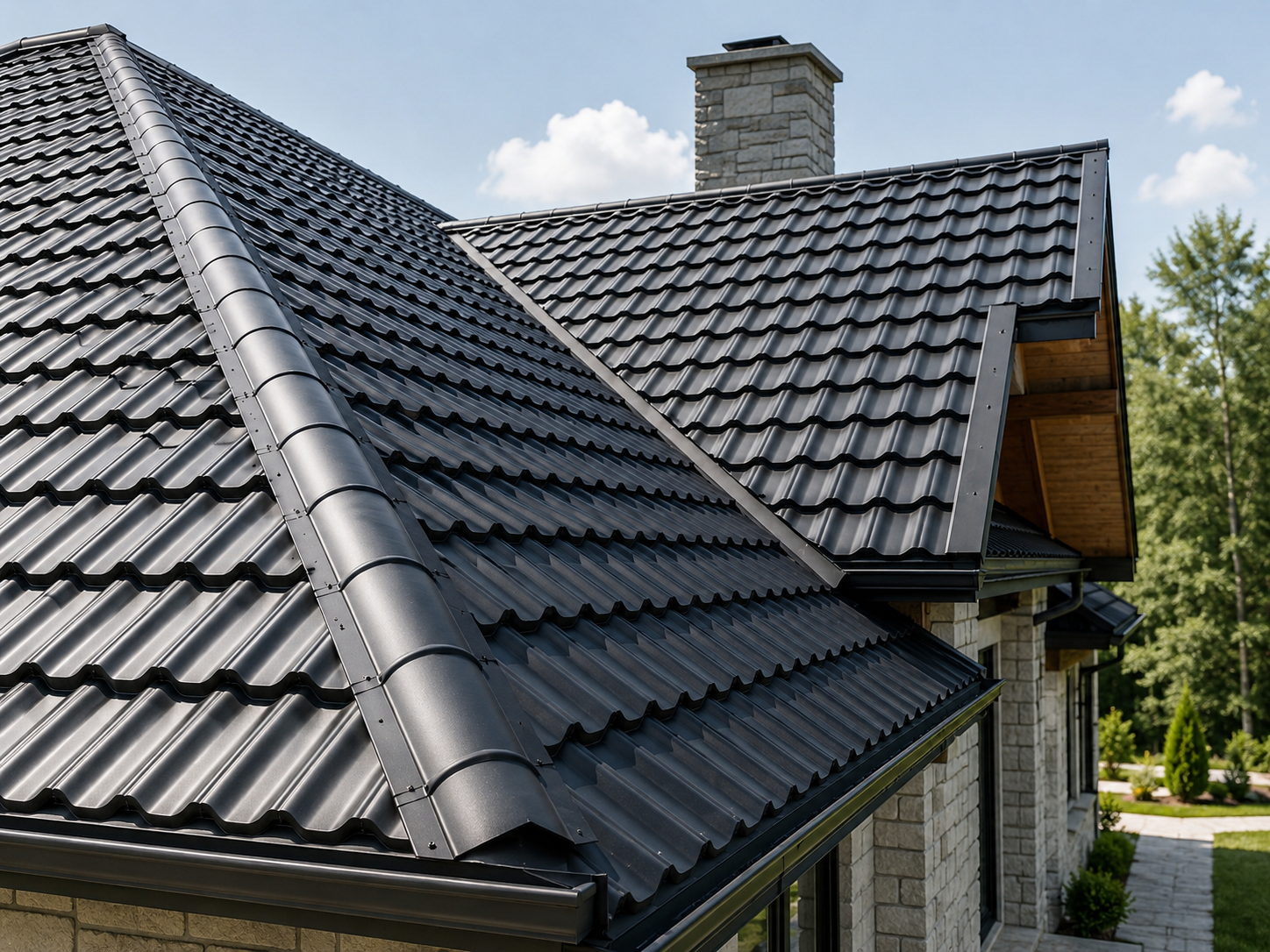
The least expensive option today is not always the most affordable option. Durable materials such as metal roofing, quality windows, composite decking, and low-maintenance exterior finishes may require a larger initial investment, but they can reduce future maintenance costs and replacement cycles. For many homeowners, spending a little more upfront can cause fewer repairs, lower upkeep expenses, and greater peace of mind over the long term.
10. Keep organized maintenance records
Documentation of repairs, warranties, upgrades, and service appointments facilitates future planning and builds buyer confidence during a home sale.
11. Budget differently for older homes
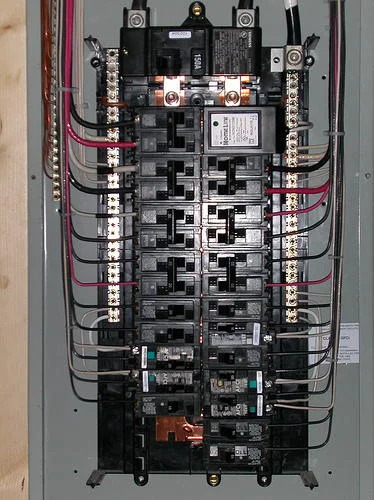
Many Kingston neighbourhoods feature homes that are decades old. Older homes often require additional spending on electrical systems, insulation upgrades, plumbing repairs, foundations, and building materials that are no longer commonly used in modern construction.
12. Allocate your budget differently for rural properties.
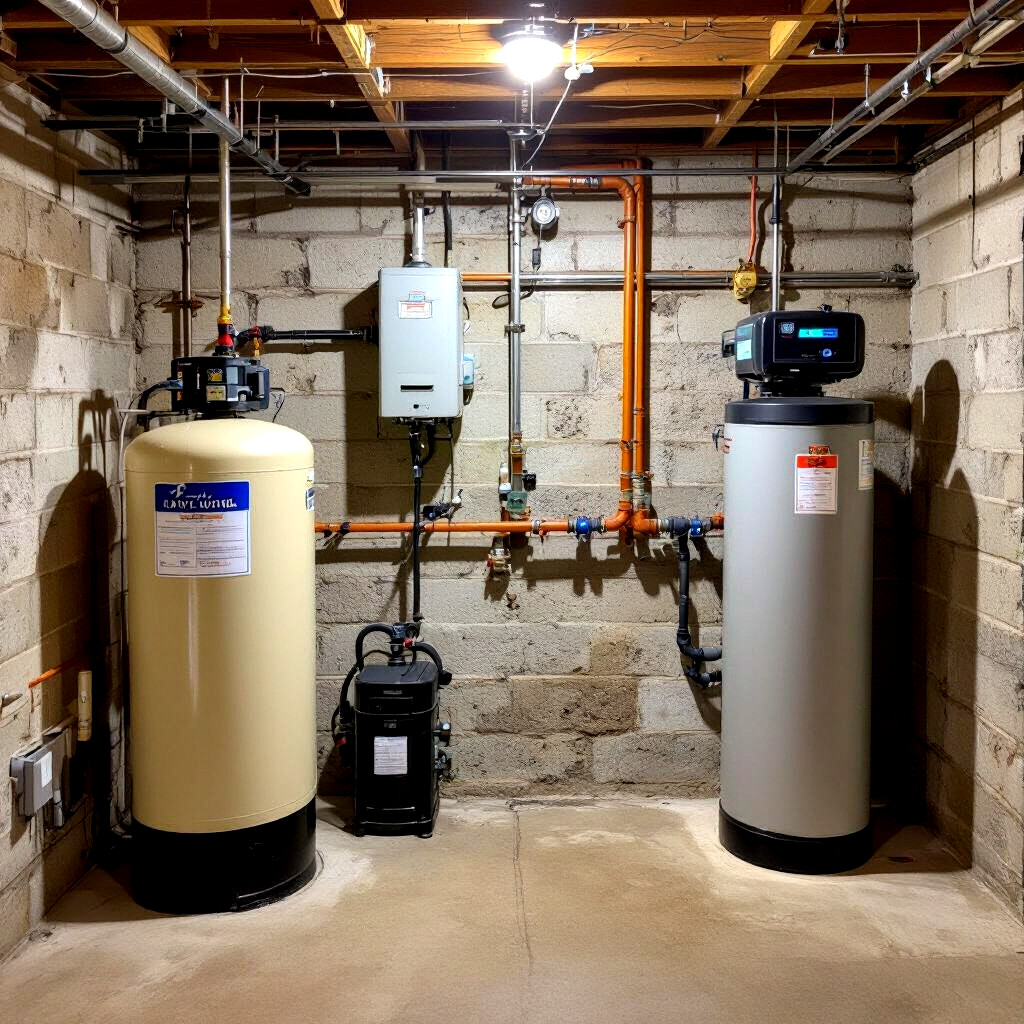
Rural homes often include systems that urban homeowners never need to consider. Consider the ongoing maintenance costs associated with wells, septic systems, water treatment, propane, generators, and lengthy private driveways when planning for the future.
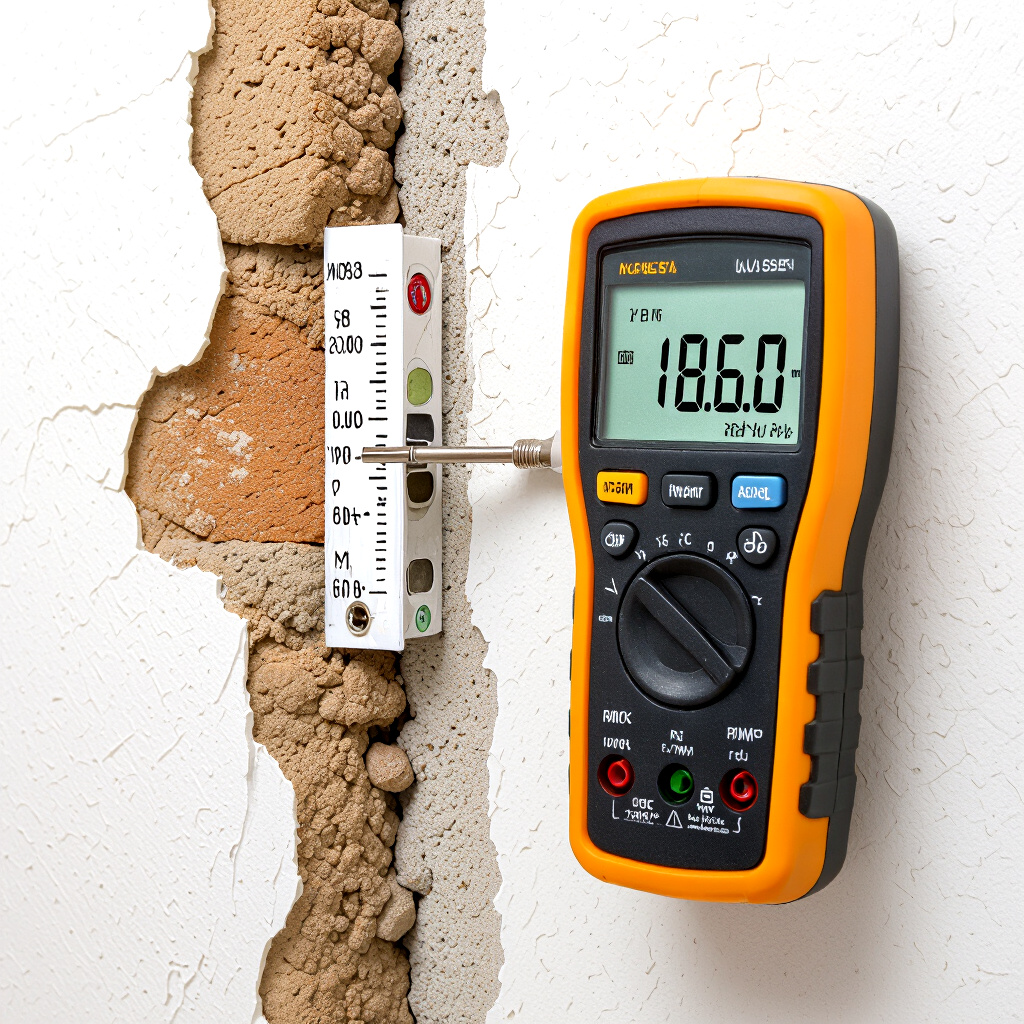
13. Invest in inspections before major projects
Spending a few hundred dollars on an inspection can sometimes prevent thousands of dollars in unexpected renovation expenses. Older homes and rural properties are likely to benefit from this additional due diligence.
14. Take advantage of rebates and incentives
Energy efficiency programs change regularly, but rebates may occasionally be available for insulation, windows, heat pumps, or other qualifying improvements. Checking available programs before beginning a project can reduce costs.
Before starting major energy-efficiency upgrades, homeowners should also review the incentives through the Home Renovation Savings Program. Eligible improvements may include insulation, windows, doors, heat pumps, solar installations, and other energy-saving upgrades that can help reduce both renovation expenses and long-term maintenance costs.
15. Prioritize projects that protect the structure
When budgets limit you, focus first on projects that protect the home’s structure and systems. Roofing, drainage, foundations, and mechanical equipment should take priority over cosmetic upgrades.
16. Avoid deferred maintenance
Postponing repairs often increases maintenance costs. Minor issues rarely improve on their own and frequently become larger, more expensive problems.
17. Know your limits with DIY projects
Painting, weatherstripping, landscaping, and some minor repairs can be excellent do-it-yourself projects. Structural work, gas systems, roofing, electrical work, and major plumbing repairs are best left to qualified professionals.
18. Service equipment before problems occur
Regular servicing can extend the life of furnaces, heat pumps, fireplaces, ventilation systems, and other mechanical equipment. Preventive maintenance is usually far less expensive than emergency repairs.
19. Monitor utility bills
Unexpected increases in electricity, natural gas, propane, or water usage may show developing problems. Reviewing utility costs each year can help identify issues before they become major expenses.
20. Avoid over-improving for the neighbourhood
High-end upgrades do not always provide a matching return on investment. Understanding local market expectations helps homeowners make smarter spending decisions and avoid unnecessary expenses.
21. Think long term
The homeowners who experience the fewest financial surprises are often those who plan. Consistent maintenance, realistic budgeting, and early repairs typically result in lower ownership costs over the life of the home.
Typical Lifespans of Major Home Systems
One of the best ways to control maintenance costs is to understand how long major components typically last. While every property is different, most asphalt shingle roofs last between 15 and 25 years. Furnaces often remain operational for 15 to 25 years, while heat pumps typically last 12 to 20 years. Water heaters frequently require replacement after 8 to 15 years.
Rural homeowners should also include septic systems, pressure tanks, well pumps, and water treatment equipment in their long-term planning. These systems have a long lifespan, but plan for their eventual replacement.
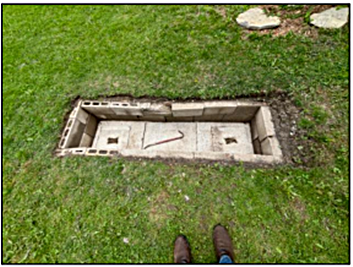
Keeping records of installation dates and service history helps homeowners prepare for future maintenance costs rather than being surprised by them.
Repair or Replace?
A common question homeowners ask is whether to repair or replace a major system.
The answer depends on age, reliability, operating costs, and repair history. A ten-year-old furnace requiring a minor repair may still have many productive years ahead. A twenty-year-old furnace that has required several service calls over the past few winters may be a different story. The Ontario government has a program to help improve energy efficiency.
The same principle applies to roofing, appliances, windows, water heaters, and other major systems. Looking beyond today’s repair bill and considering future expenses often leads to better long-term financial decisions.
Common Maintenance Costs Homeowners Overlook
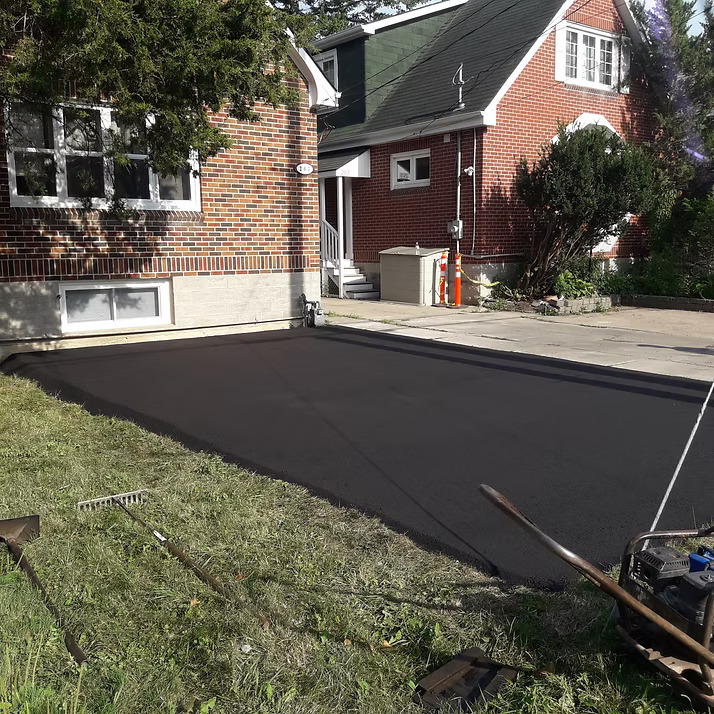
Many homeowners budget for roofing and heating systems, but forget about smaller recurring expenses. Driveway repairs, tree maintenance, sump pumps, water treatment equipment, deck maintenance, exterior caulking, ventilation systems, and drainage improvements can all add up.
Planning for these smaller expenses creates a more realistic maintenance budget and reduces the likelihood of financial surprises.
Quick Priorities if You Plan to Sell
If you expect to sell within the next few years, focus first on maintenance items that improve buyer confidence. Servicing major systems, repairing visible defects, improving drainage, touching up paint, and keeping organized maintenance records often provide a better return than highly customized renovations.
Frequently Asked Questions
How much should homeowners budget for maintenance costs each year?
Most homeowners should budget between 1% and 3% of their home’s value annually for maintenance costs. Older homes, waterfront properties, and rural properties often require larger reserves.
What home systems are the most expensive to replace?
Roofing systems, heating and cooling equipment, septic systems, wells, foundations, and major electrical or plumbing upgrades are often among the largest maintenance expenses.
Do older homes have higher maintenance costs?
Yes. Older homes often require additional maintenance and upgrades because of aging materials, outdated systems, and years of wear.
Are rural homes more expensive to maintain?
They can be. Wells, septic systems, generators, water treatment equipment, and private roads all create additional maintenance responsibilities and expenses.
What is the best way to reduce maintenance costs?
The most effective strategy is preventative maintenance. Addressing slight problems early is almost always less expensive than waiting until they become major repairs.
Don’t Miss These Guides
Understanding maintenance costs is only one part of successful homeownership. Knowing what to inspect, when to perform routine maintenance, and how major home systems operate can help prevent many expensive repairs before they occur. The following guides provide additional information for homeowners throughout Kingston and the surrounding area.
Protect Your Home: Seasonal Maintenance Tips,
A season-by-season guide covering maintenance tasks that help prevent expensive repairs and protect your property throughout the year.
Home Inspections: Proven Ways to Protect Your Ideal Kingston Home
Learn how professional home inspections can identify potential problems early, helping homeowners and buyers protect their property and avoid costly repairs.
Rural Heating Systems in Kingston and the Area
Compare heat pumps, propane, wood heat, geothermal systems, generators, and other heating options commonly found in rural homes.
A Kingston Area Guide to Wells and Septic Systems
Understand maintenance requirements, inspection schedules, and ownership costs associated with rural water and septic systems.
Smart Home Trends: What’s Worth Buying
Explore technology upgrades that may improve efficiency, convenience, and long-term operating costs.
Final Thoughts on Home Maintenance Costs:
Homeowners looking to better understand long-term ownership expenses may also find useful resources through CMHC, which provides information on maintenance planning, budgeting, and responsible homeownership.